
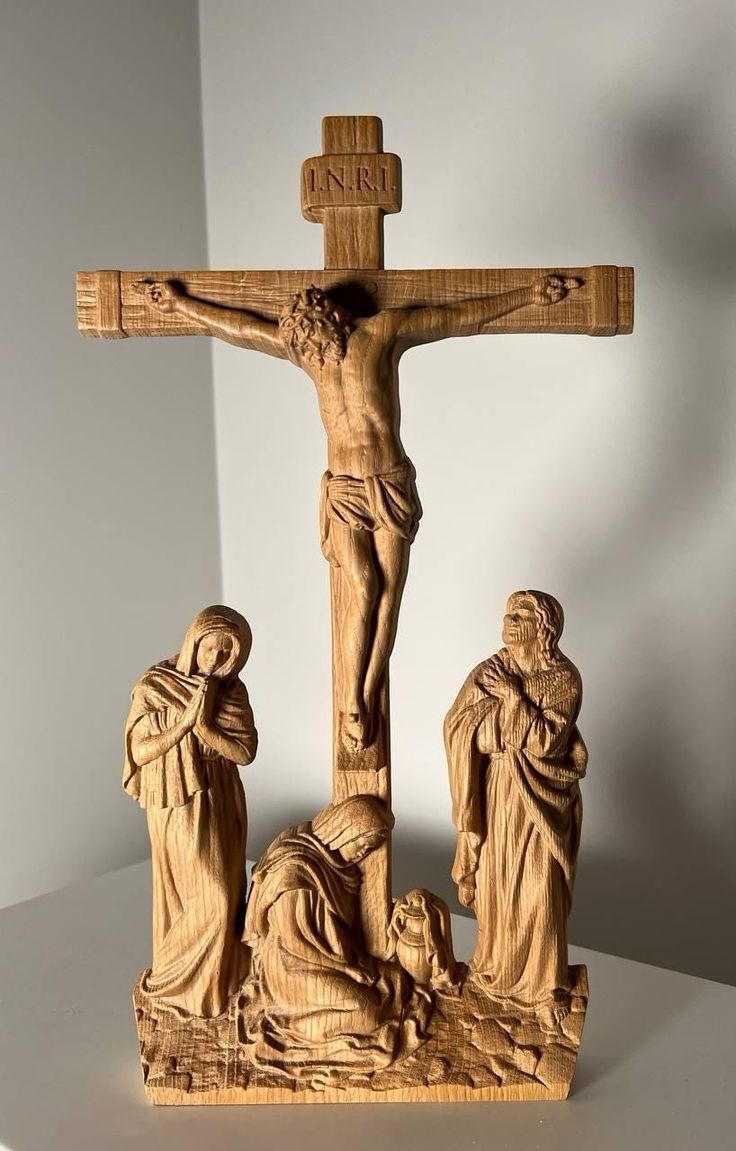
There is something timeless about wood carving. The warmth of natural grain, the satisfaction of shaping something with your own hands, and the enduring beauty of a handmade piece make wood carving a cherished craft. When combined with the gentle themes of spring and Easter—new life, renewal, and celebration—the results are truly special.
Whether you are an experienced whittler with a well-worn carving knife or a beginner looking for your first project, Easter offers a wealth of inspiration. From simple egg shapes that showcase the beauty of the wood itself to intricate relief carvings of lambs and lilies, there is a project for every skill level.
This guide presents 25 Easter wood carving ideas organized by complexity, so you can find the perfect project for your skill level, time commitment, and creative vision. Each idea includes suggestions for wood types, finishing techniques, and potential uses—whether as home decor, gifts, or keepsakes to be treasured for years to come.
A Note on Wood Selection for Easter Carvings
Before diving into the projects, let us briefly consider wood choices. The right wood can elevate your carving and complement the Easter theme beautifully:
| Wood Type | Characteristics | Best For |
|---|---|---|
| Basswood | Soft, fine-grained, easy to carve; ideal for beginners | Almost any project; takes paint well |
| Butternut | Soft, light weight, warm honey color | Whimsical figures, animals, decorative pieces |
| White Pine | Soft, distinct grain, rustic appearance | Folk-style carvings, larger decor pieces |
| Birch | Harder, smooth finish, pale color | Detailed relief carvings, keepsake boxes |
| Cherry | Hard, rich reddish-brown, ages beautifully | Heirloom pieces, crosses, decorative eggs |
| Walnut | Hard, deep brown, elegant grain | High-end gifts, crosses, detailed carvings |
| Cedar | Soft, aromatic, reddish tones | Outdoor decor, rustic pieces |
Beginner-Friendly Carving Ideas
These projects are perfect for those new to wood carving. They require minimal tools, simple techniques, and can typically be completed in an hour or two.
1. Simple Wooden Egg
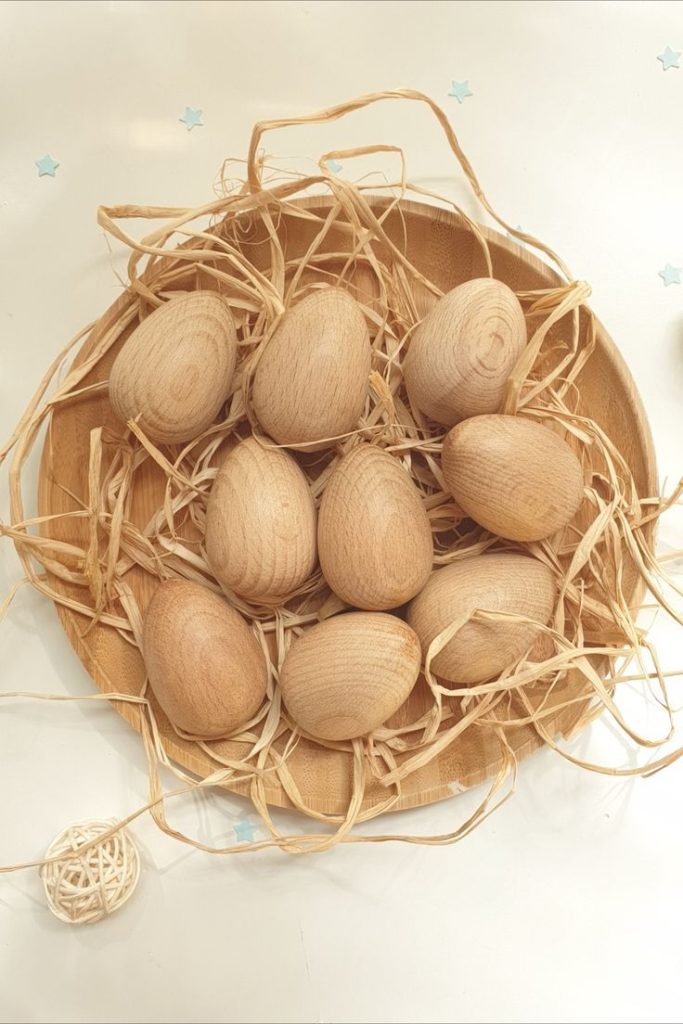
The egg is the quintessential symbol of Easter—representing new life, resurrection, and spring’s arrival. A simple carved egg is an excellent first project that teaches basic shaping skills.
- Technique: Whittle a block of basswood into an oval shape, sanding for a smooth finish
- Wood: Basswood, butternut, or cherry for richer color
- Finishing: Leave natural with mineral oil; or paint with pastel colors
- Uses: Bowl filler, gift toppers, ornaments, or set in a decorative nest
2. Bunny Silhouette
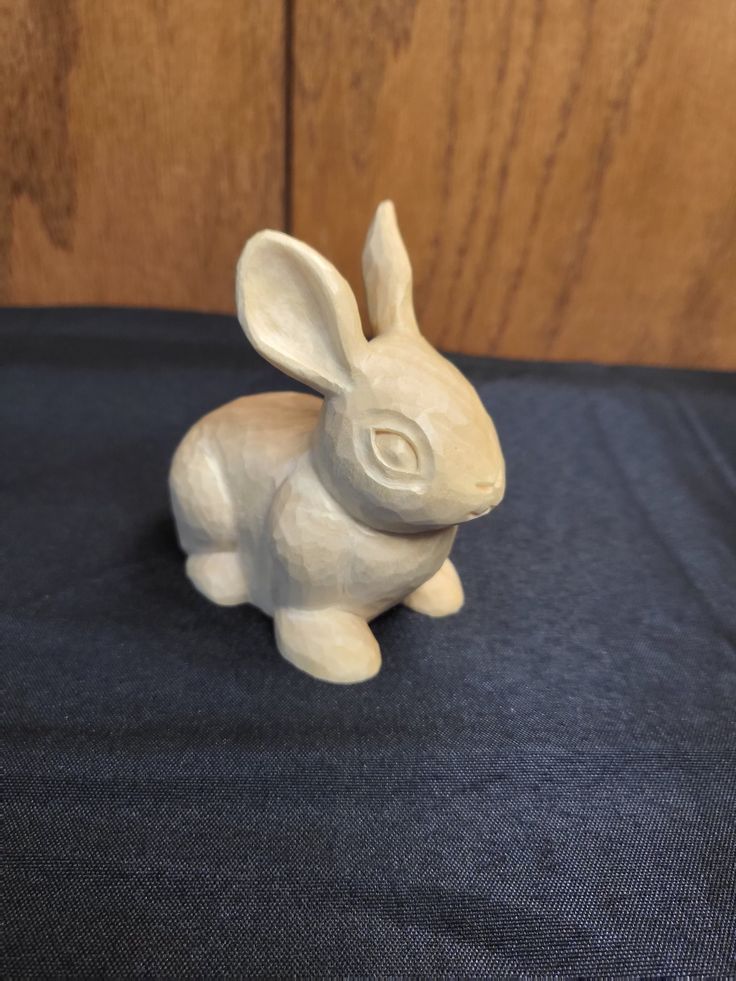
A flat, bunny-shaped cutout with softly rounded edges—simple yet charming.
- Technique: Trace a bunny outline onto a thin piece of wood; cut with a coping saw; carve gentle curves
- Wood: Pine or cedar for rustic appeal; basswood for easier shaping
- Finishing: Natural with wax; whitewash for a farmhouse look
- Uses: Wall hanging, garden stake, or grouped on a shelf
3. Carved Chick
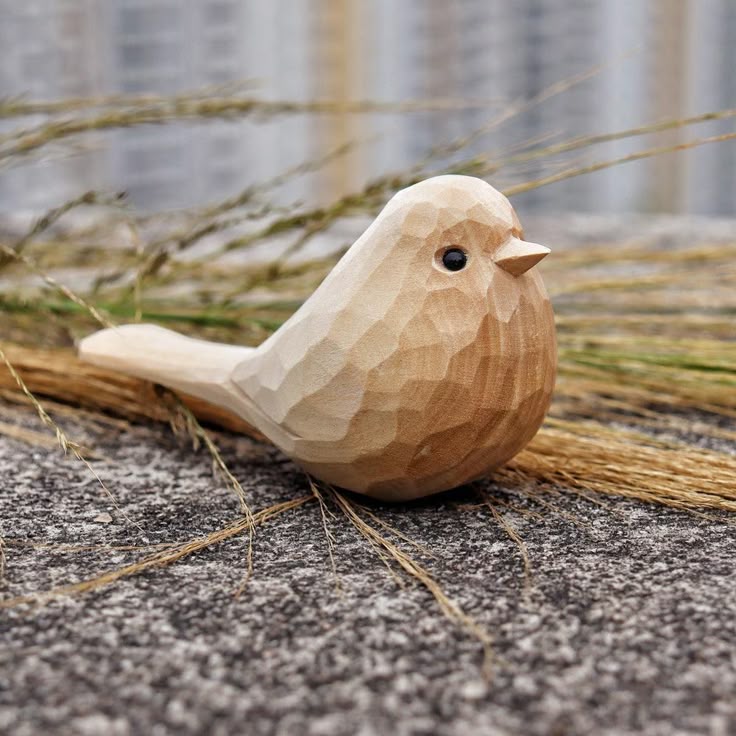
A tiny, rounded chick with simple carved eyes and a small beak—no intricate details required.
- Technique: Carve a small oval body, add two triangular wings, and define the face with simple cuts
- Wood: Basswood (soft and forgiving)
- Finishing: Yellow paint or natural with subtle wood burning for details
- Uses: Easter basket filler, napkin ring topper, or tiny gift
4. Wooden Cross
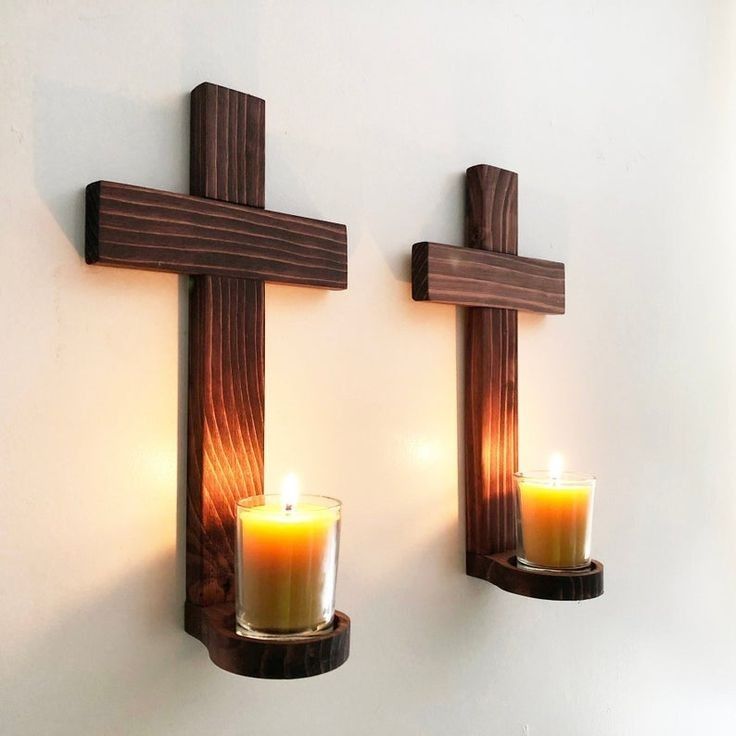
A classic symbol of Easter, a simple cross can be carved from a single piece of wood or assembled from two pieces.
- Technique: Carve a tapered shape; add a shallow relief pattern or leave smooth
- Wood: Cedar, cherry, or walnut for richness
- Finishing: Natural with tung oil; or add a carved lily or vine detail
- Uses: Wall hanging, mantel decor, or meaningful gift
5. Spring Flower
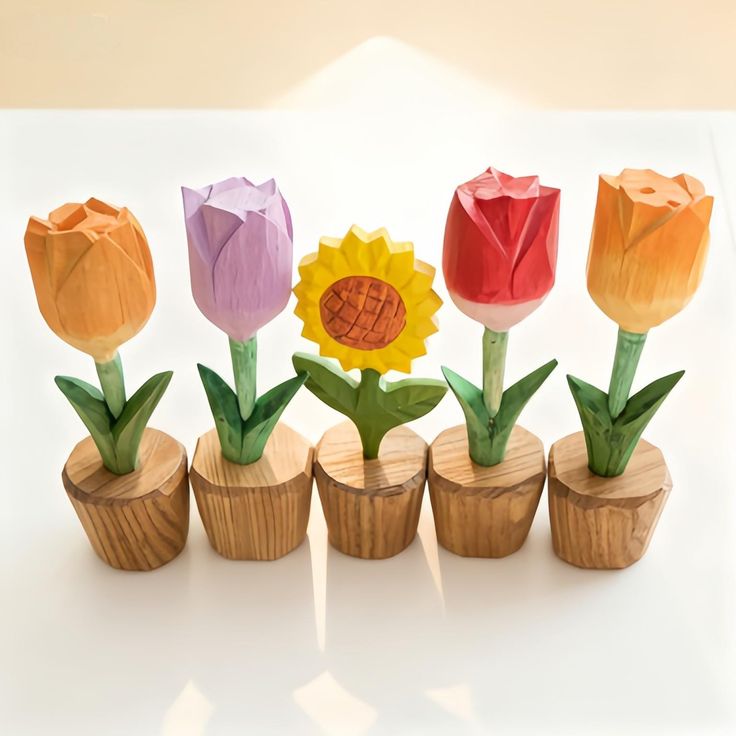
A simple flower shape—tulip, daffodil, or lily—carved in relief or as a small standalone piece.
- Technique: Cut the flower shape, then carve gentle curves to suggest petals
- Wood: Pine or basswood for easy shaping
- Finishing: Pastel paints or natural with stained details
- Uses: Brooch, magnet, or clustered in a small vase
6. Carved Carrot
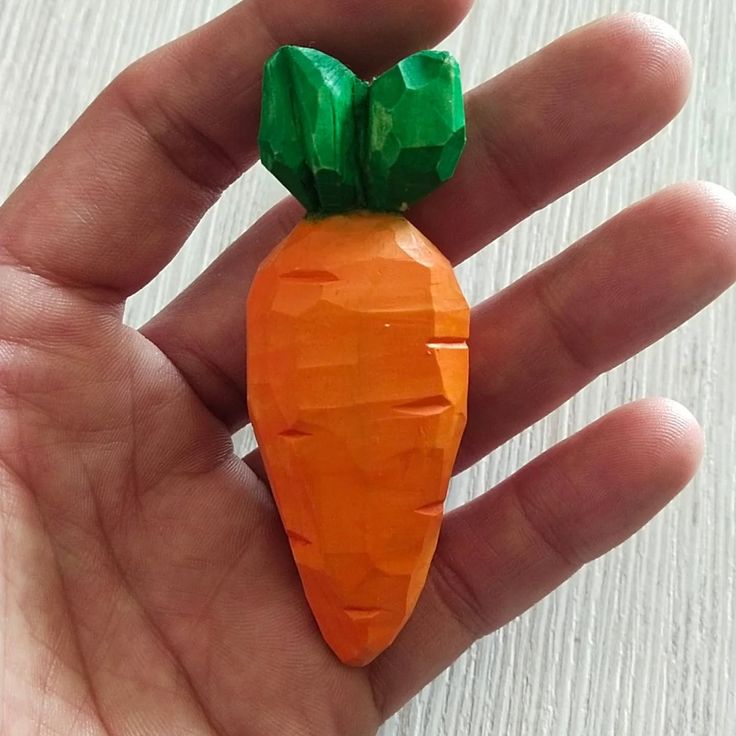
A playful, rustic carrot that adds whimsy to spring decor.
- Technique: Carve a tapered cylinder with subtle ridges; add carved or attached greens
- Wood: Basswood (easy to shape); pine for rustic texture
- Finishing: Orange paint with natural or green-stained tops
- Uses: Bowl filler, garden marker, or tied with twine as a gift tag
7. Simple Lamb
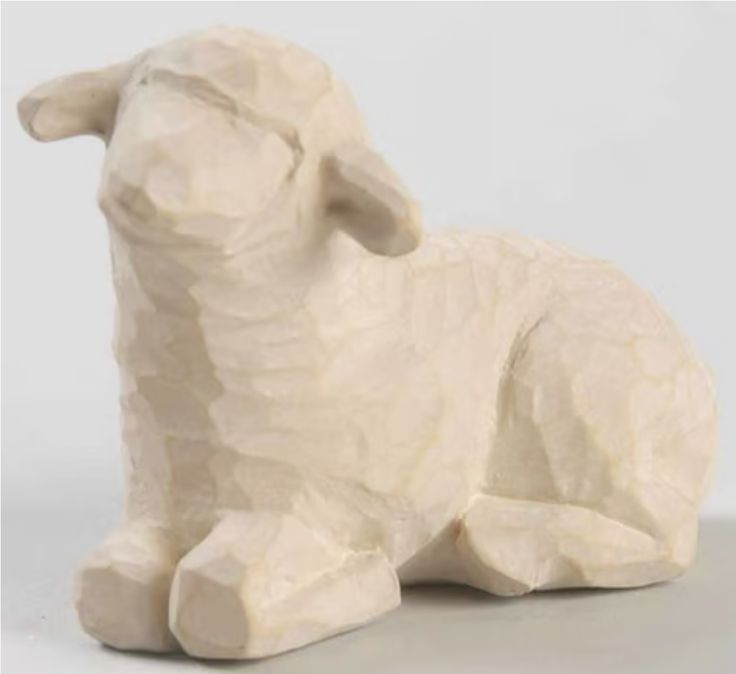
A very simplified lamb shape—an oval body, a round head, and tiny carved ears.
- Technique: Carve the basic shapes separately or from one block; use wood burning for eyes and fleece texture
- Wood: Basswood or butternut
- Finishing: Natural with wood-burned details; white paint for fleece
- Uses: Tabletop decor, children’s gift, or mantel piece
Intermediate Carving Ideas
These projects require more skill, patience, and attention to detail. They are ideal for carvers comfortable with basic techniques and ready to explore relief carving, more complex shapes, and finer details.
8. Easter Bunny with Basket
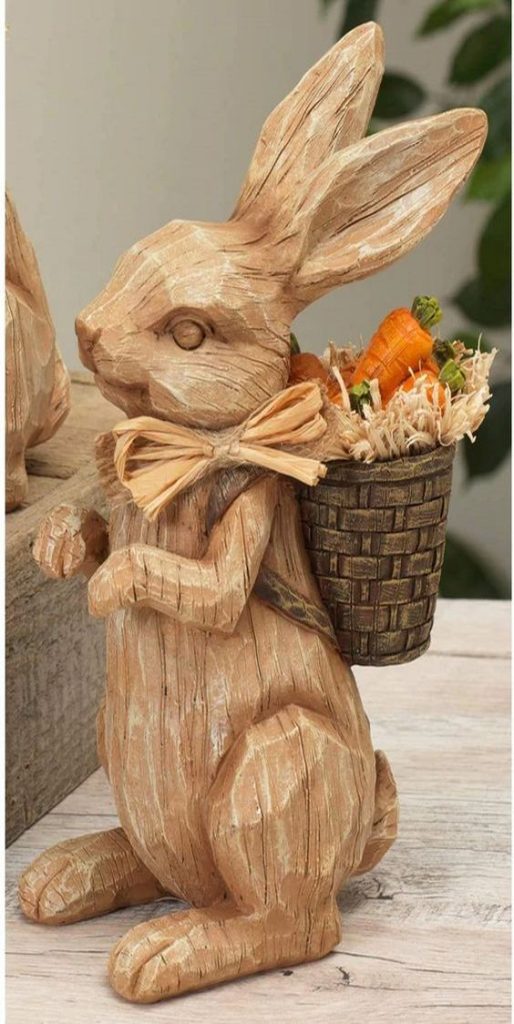
A charming carving of a bunny holding or sitting beside a small basket.
- Technique: Carve from a single block; focus on proportion and the interaction between bunny and basket
- Wood: Basswood or butternut
- Finishing: Natural with subtle staining; or painted in soft grays, browns, and pastels
- Uses: Centerpiece, shelf decor, or gift
9. Relief Carved Easter Egg
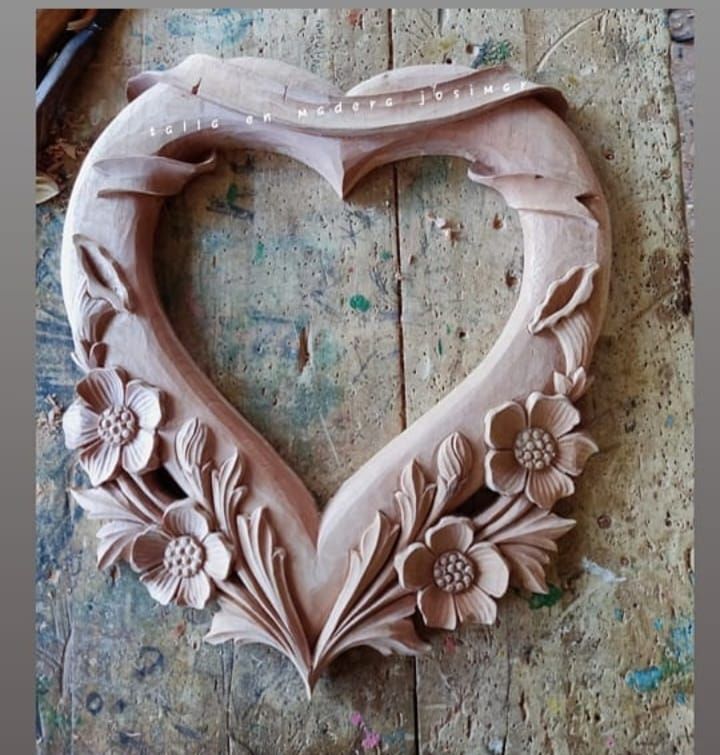
A wooden egg with a carved scene—a cross, a lamb, or floral patterns—in shallow relief.
- Technique: Carve a wooden egg blank; use relief carving techniques to raise the design
- Wood: Basswood (for ease); cherry or walnut (for elegance)
- Finishing: Natural oil to highlight the grain; or paint the background while leaving the design natural
- Uses: Decorative bowl filler, ornament, or gift
10. Floral Wreath
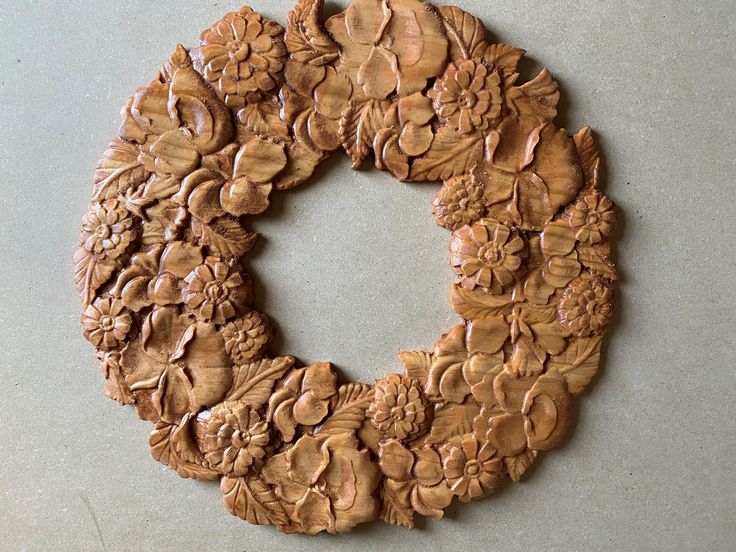
A circular wreath adorned with carved flowers, leaves, and perhaps a cross at the center.
- Technique: Carve the wreath base, then add relief-carved or separately carved flowers
- Wood: Pine or cedar for rustic charm; basswood for intricate details
- Finishing: Natural with wax; or add subtle color to flowers
- Uses: Wall hanging, door decor, or centerpiece base
11. Spring Bird with Nest
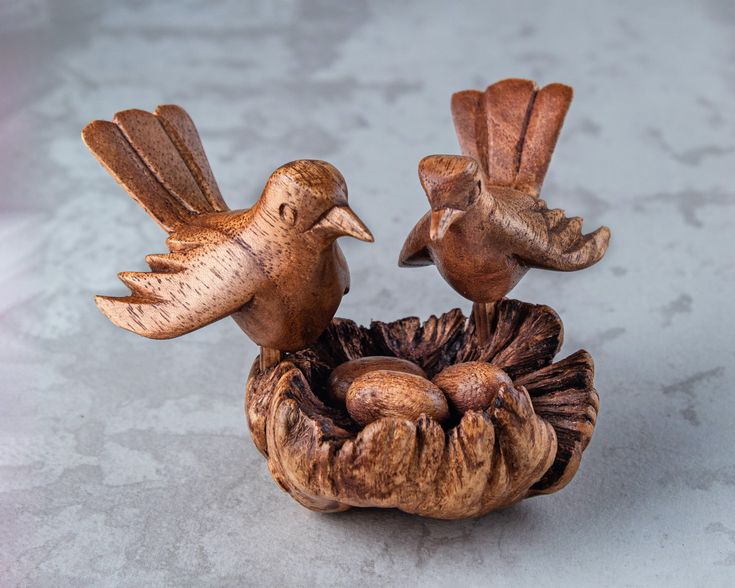
A small bird perched on or beside a carved nest—symbolizing new life and home.
- Technique: Carve bird and nest separately or as one piece; use wood burning for nest texture
- Wood: Basswood or butternut
- Finishing: Natural with subtle staining; or paint bird in robin’s egg blue or cardinal red
- Uses: Mantel decor, table accent, or meaningful gift for a new mother
12. Daffodil Relief
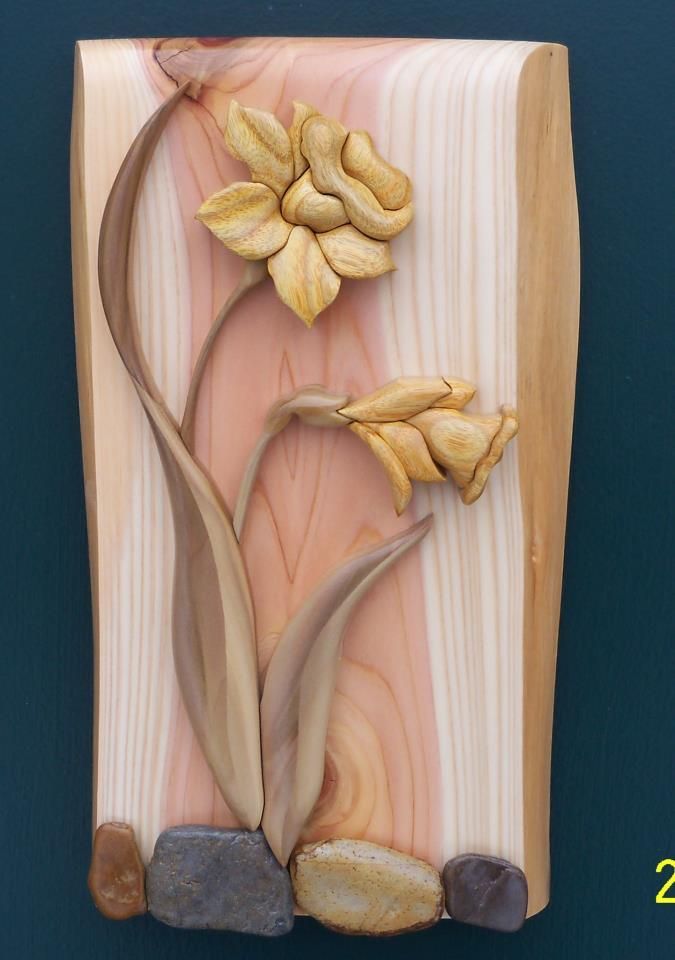
A shallow relief carving of a daffodil or cluster of daffodils—the quintessential spring flower.
- Technique: Carve into a flat board, creating depth and dimension through layered relief
- Wood: Basswood (for practice) or cherry (for heirloom quality)
- Finishing: Natural oil; or add subtle yellow and green accents
- Uses: Wall art, plaque, or box lid
13. Wooden Easter Basket
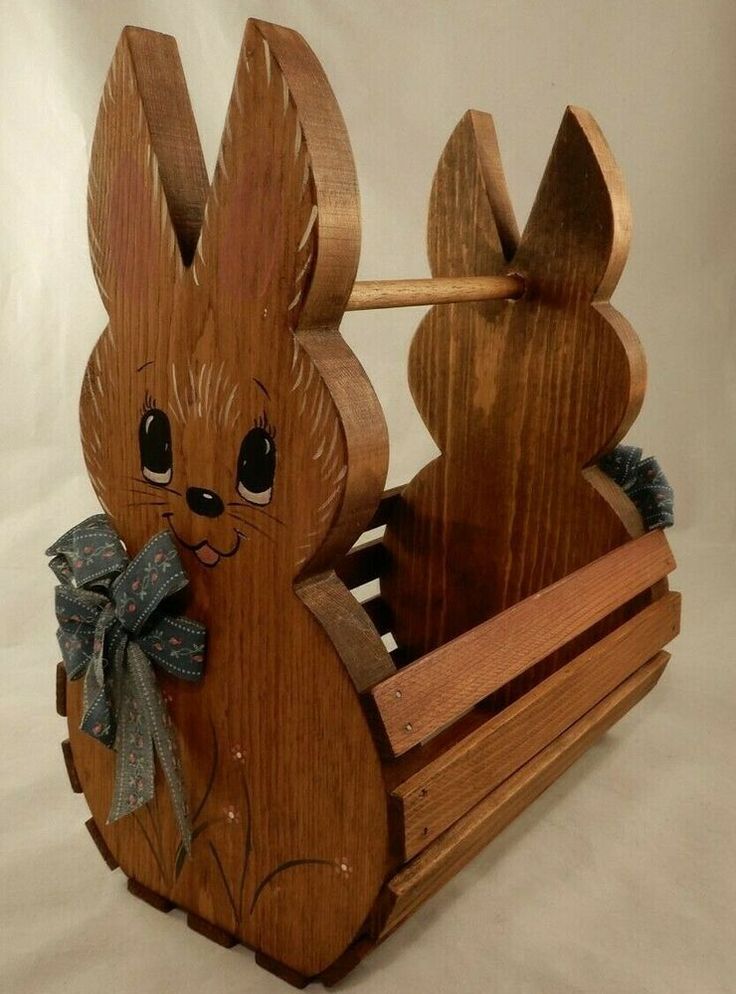
A miniature carved basket, perhaps with a handle and tiny eggs nestled inside.
- Technique: Carve the basket body hollow; add a carved handle; carve separate eggs
- Wood: Butternut or basswood
- Finishing: Natural with a light stain; paint eggs in pastels
- Uses: Centerpiece, gift container, or display piece
14. Butterfly
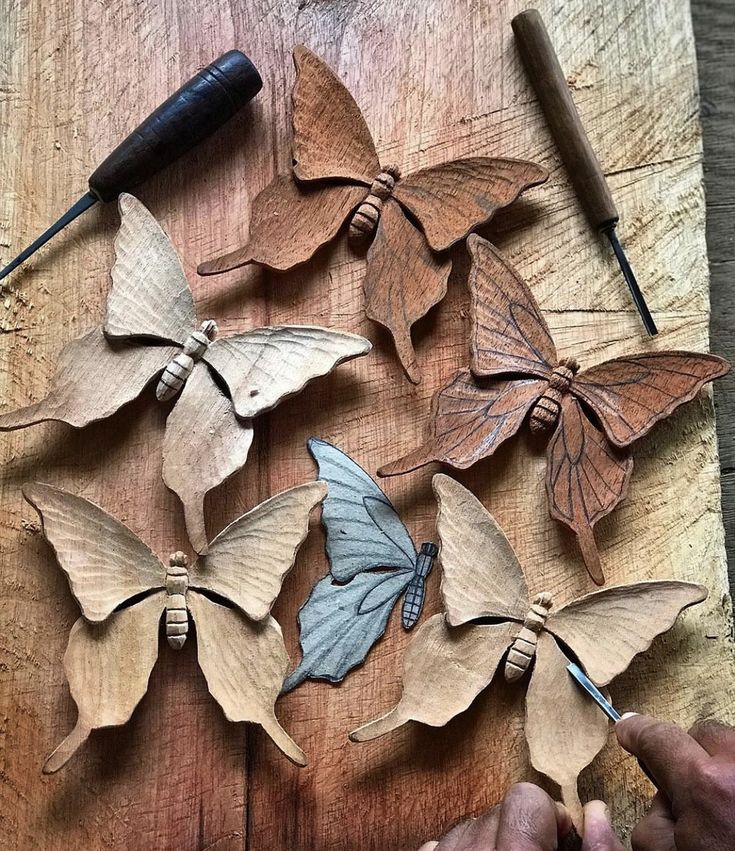
A delicate butterfly with carved wings and subtle texture—representing transformation and resurrection.
- Technique: Carve wings thin enough to feel delicate; add veining with a V-tool
- Wood: Basswood (for thin carving); butternut (for warmth)
- Finishing: Natural with wood-burned details; or paint in spring colors
- Uses: Wall hanging, ornament, or attached to a larger piece
15. Lamb in Relief
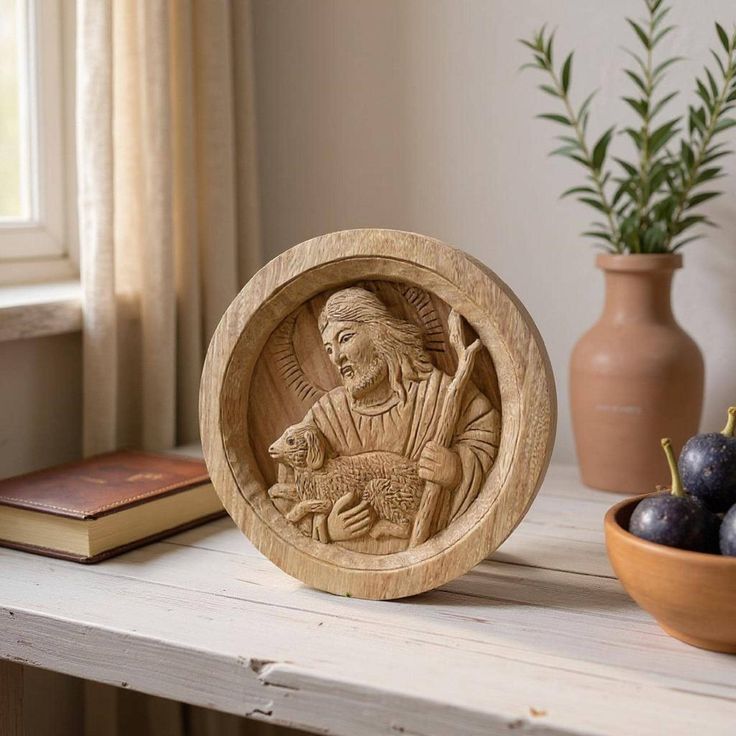
A pastoral scene featuring a lamb, perhaps with a shepherd’s staff or nestled in grass.
- Technique: Relief carving with varying depths to create perspective
- Wood: Basswood or cherry
- Finishing: Natural with subtle shading; or painted in soft whites and greens
- Uses: Wall plaque, box top, or mantel piece
16. Easter Lily
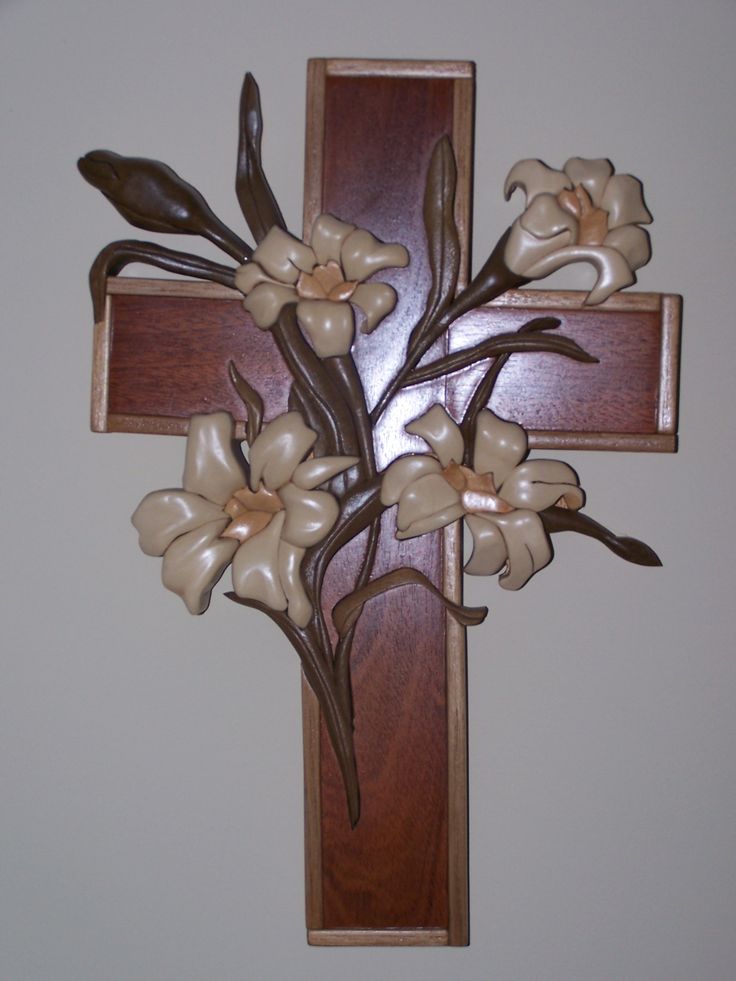
A carved lily—the traditional Easter flower symbolizing purity and resurrection—with delicate petals and a trumpet shape.
- Technique: Carve petals thin and curved; assemble from multiple pieces if desired
- Wood: Basswood (for thin carving)
- Finishing: White paint with yellow centers; or natural with wood-burned details
- Uses: Floral arrangement, brooch, or accent piece
Advanced Carving Ideas
These projects demand significant carving experience, patience, and attention to fine detail. They are heirloom-quality pieces that showcase the carver’s skill and artistry.
17. Crucifixion Scene
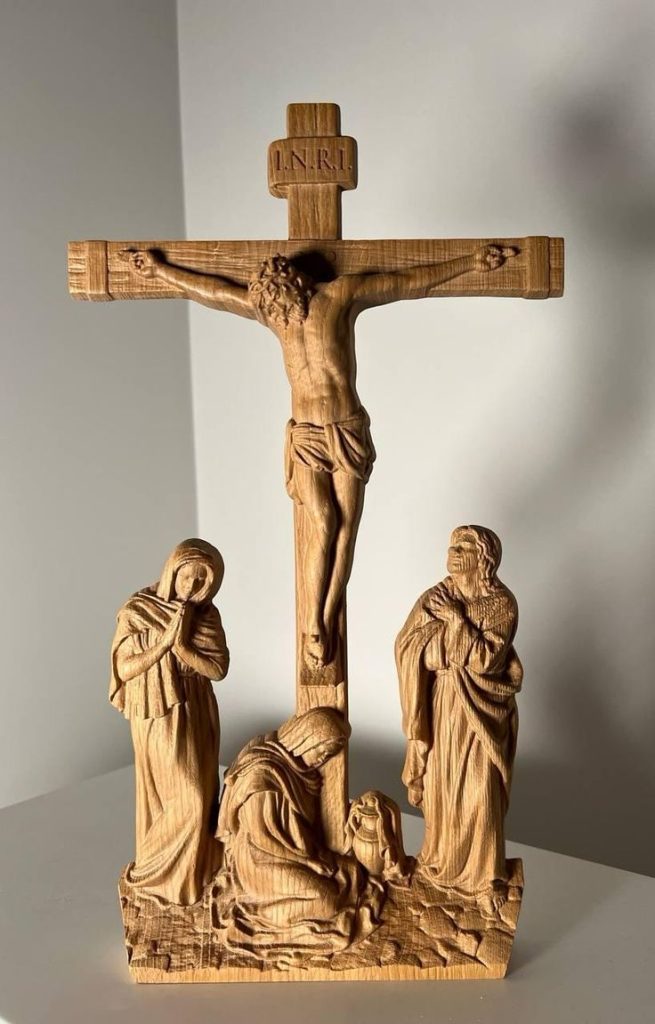
A deeply reverent carving of Christ on the cross, requiring anatomical understanding and emotional sensitivity.
- Technique: Full relief or in-the-round carving with careful attention to proportion, anatomy, and expression
- Wood: Cherry, walnut, or mahogany for richness and durability
- Finishing: Natural oil to highlight grain; minimal color if any
- Uses: Wall hanging, altar piece, or meaningful gift
18. Resurrection Scene
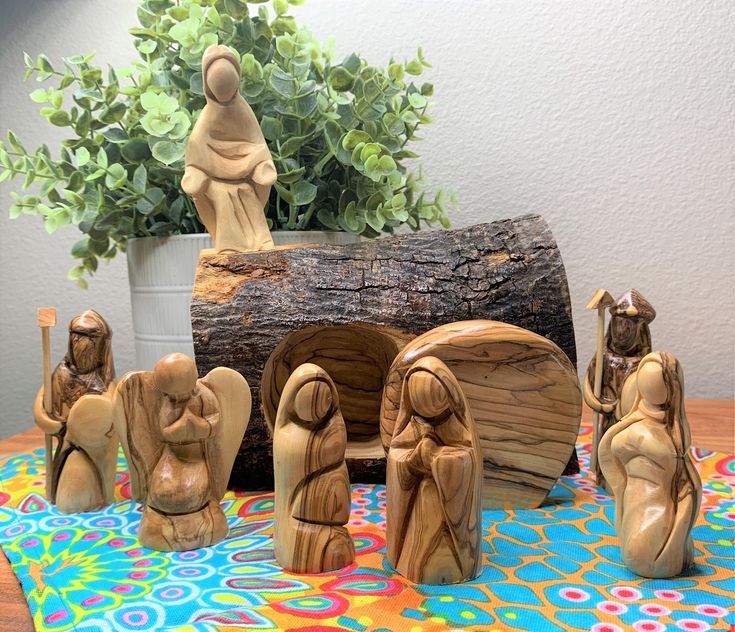
A carved scene depicting the empty tomb, the angel, and the women—or the risen Christ.
- Technique: Multi-figure relief or in-the-round composition
- Wood: Basswood for detailed figures; walnut or cherry for background
- Finishing: Natural with subtle shading; or painted with restraint
- Uses: Wall plaque, mantel centerpiece, or church donation
19. Last Supper Relief
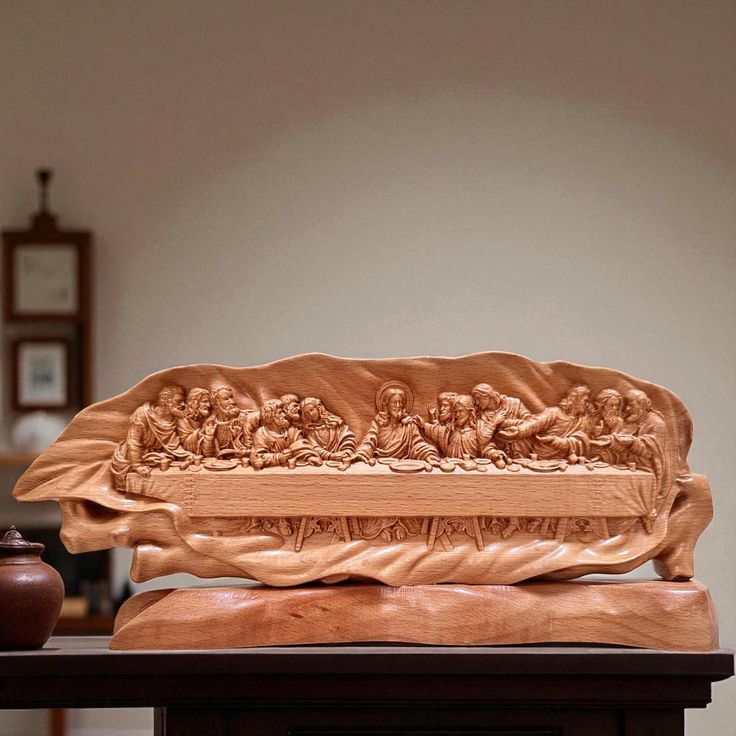
A detailed relief carving of Leonardo da Vinci’s iconic composition or a simplified interpretation.
- Technique: Deep relief carving with multiple figures; careful attention to perspective and proportion
- Wood: Cherry, walnut, or mahogany
- Finishing: Natural oil; no paint
- Uses: Wall art, table centerpiece, or heirloom gift
20. Intricate Egg with Pierced Work
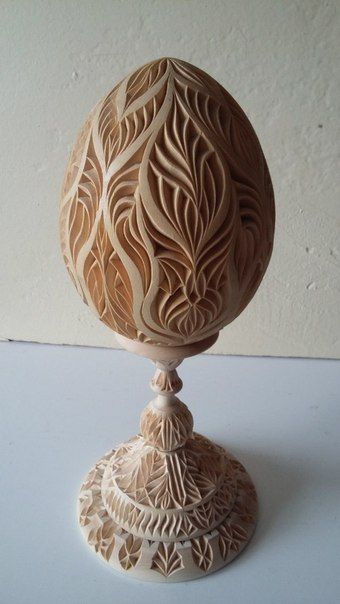
A wooden egg with intricate pierced carving—patterns cut all the way through the wood, creating delicate shadows.
- Technique: Carve an egg shape, then use fine saws and chisels to create openwork patterns
- Wood: Basswood or tupelo (stable for thin work)
- Finishing: Natural oil; or painted with the pierced areas highlighted
- Uses: Ornament, decorative egg, or displayed on a stand
21. Noah’s Ark
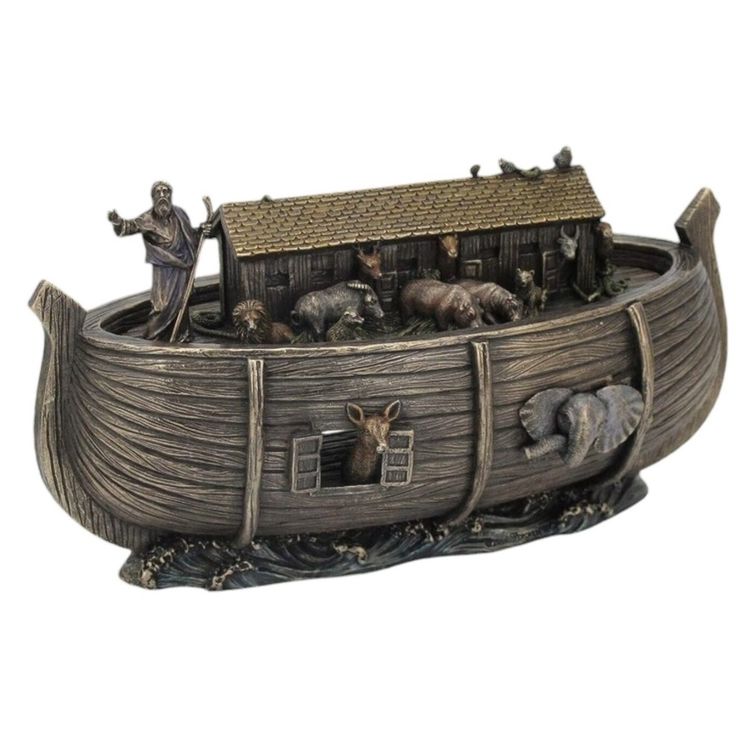
A carved ark with pairs of animals—an ambitious project requiring multiple figures and careful composition.
- Technique: Carve the ark as a hollow vessel; carve each animal individually
- Wood: Basswood for figures; cedar or pine for ark
- Finishing: Natural with subtle details; or painted in traditional colors
- Uses: Centerpiece, children’s toy, or heirloom gift
22. Angel
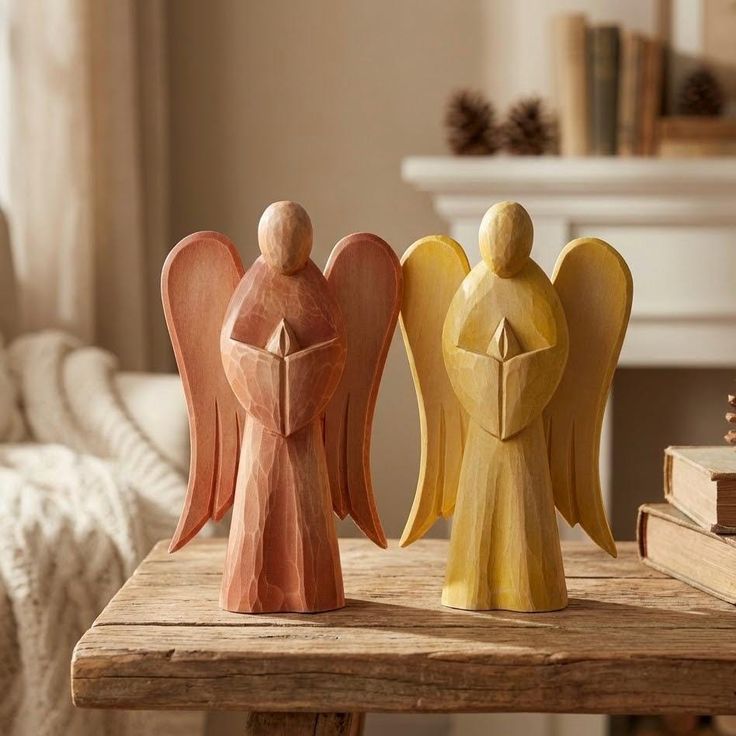
A detailed angel figure with flowing robes, wings, and serene expression.
- Technique: In-the-round carving with attention to drapery folds, wing texture, and facial features
- Wood: Butternut or basswood for softer carving; cherry or walnut for richer finish
- Finishing: Natural with subtle oil; or painted with gold accents
- Uses: Mantel decor, gift for confirmation or baptism, or wall hanging
23. Garden Scene
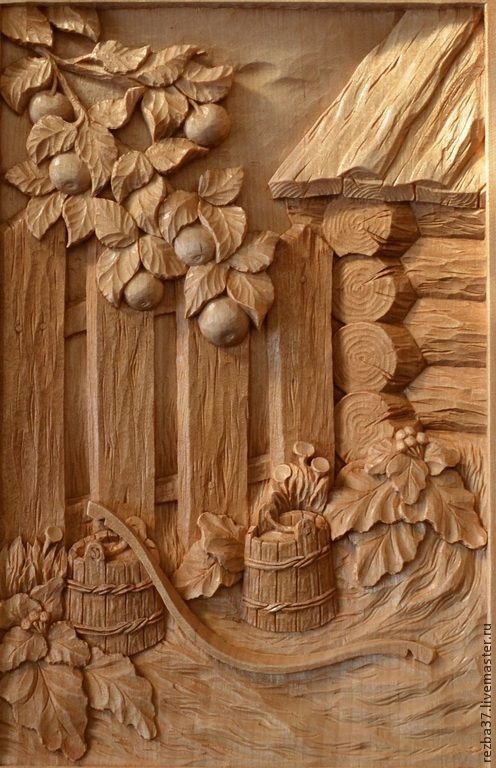
A multi-element relief or three-dimensional scene depicting a garden with flowers, birds, butterflies, and perhaps a hidden bunny.
- Technique: Layered relief or multiple carved elements arranged in a composition
- Wood: Basswood for detailed elements; pine for background
- Finishing: Natural with wood-burned details; or painted in full color
- Uses: Wall art, shadow box, or mantel piece
24. Processional Cross
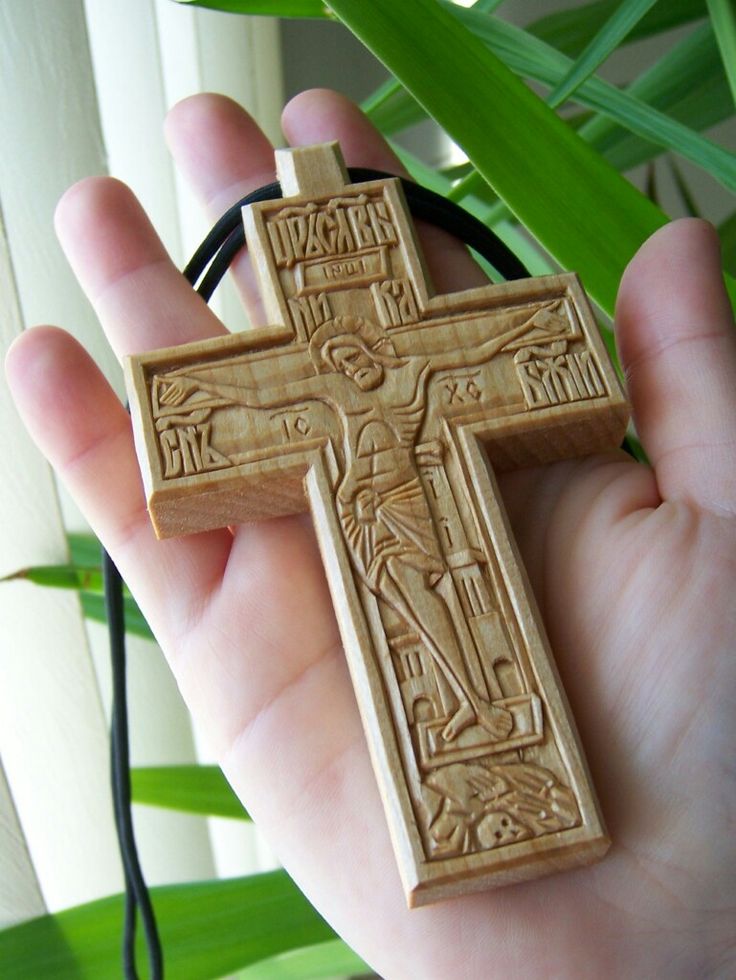
A large, ornate cross designed for display or liturgical use, with carved decorative elements, perhaps inlaid with other woods.
- Technique: Carve the cross shape; add relief-carved motifs (vines, flowers, Celtic knots); consider wood inlay for contrast
- Wood: Walnut, cherry, maple, or combination
- Finishing: Natural oil; polished to high sheen
- Uses: Wall hanging, altar cross, or memorial piece
25. Hand-Carved Nativity for Easter Context
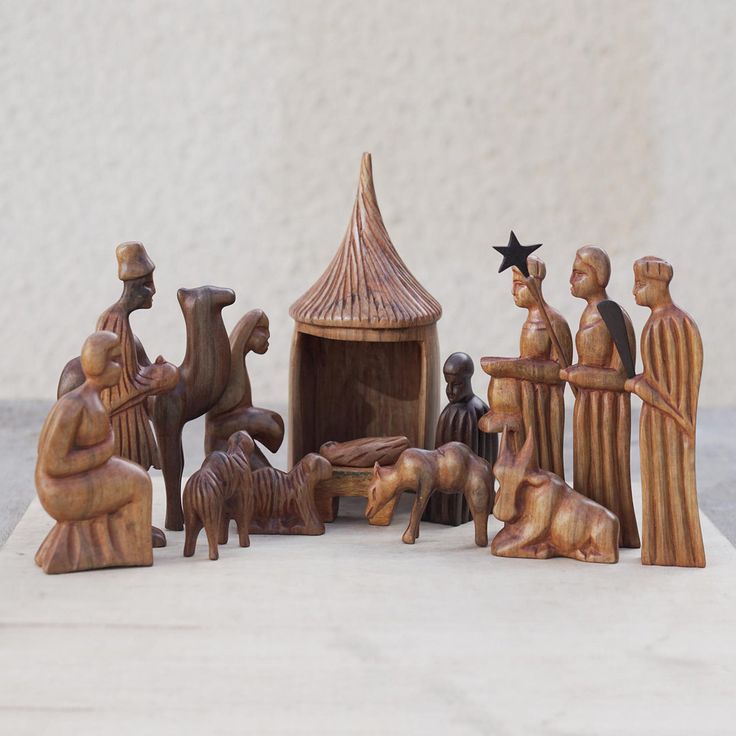
While traditionally a Christmas piece, a nativity scene can also speak to Easter—reminding viewers of the incarnation that led to the resurrection. This ambitious project involves carving multiple figures, each with unique character.
- Technique: Carve each figure individually in-the-round; consider scale and consistency
- Wood: Basswood or butternut for figures; cedar or pine for stable structure
- Finishing: Natural with subtle details; or painted in traditional colors
- Uses: Family heirloom, church donation, or yearly display piece
Finishing Techniques for Easter Wood Carvings
The finish you choose can dramatically affect the final look of your carving. Here are some options suited to Easter projects:
Natural Oils
- Mineral oil: Food-safe; ideal for items that may be handled frequently
- Tung oil: Durable, water-resistant; brings out grain beautifully
- Danish oil: Easy application; adds subtle amber warmth
Paints
- Milk paint: Matte, chalky finish; perfect for farmhouse and rustic styles
- Acrylic paints: Wide color range; can be thinned for washes
- Pastel shades: Soft pinks, lavenders, yellows, mint greens—quintessentially Easter
Wax Finishes
- Beeswax: Soft, natural sheen; pleasant scent
- Carnauba wax: Harder, higher shine; more durable
Wood Burning
- Use a wood-burning tool to add texture (fur, feathers, basket weave), define details (eyes, petals), or add lettering
Gift Ideas and Packaging
Hand-carved Easter pieces make meaningful gifts. Consider these presentation ideas:
- Nesting: Place carved eggs in a small basket with shredded paper or moss
- Tags: Attach a carved carrot or chick to a gift bag as a reusable tag
- Shadow boxes: Display a relief carving in a simple shadow box for wall art
- Sets: Group a bunny, chick, and egg as a themed set
- Personalization: Carve initials or a date into the base of a piece to mark the occasion
Tools to Get Started
If you are new to wood carving, here is a basic toolkit for Easter projects:
| Tool | Purpose |
|---|---|
| Carving knife | General shaping, detail work |
| Chip carving knife | Fine details, patterns |
| V-tool / Veiner | Lines, veining, texture |
| Gouges (various sweeps) | Hollowing, curves, relief |
| Coping saw | Cutting out silhouettes |
| Sandpaper (various grits) | Smoothing |
| Sharpening stones | Maintaining sharp edges |
| Safety gloves | Cut-resistant protection, especially for beginners |
Conclusion
Easter wood carving offers a beautiful way to celebrate the season while creating lasting treasures. Whether you are carving a simple egg for a child’s basket or an intricate relief of the resurrection for your church, each piece carries the warmth of handmade craftsmanship and the deeper meaning of the season.
For beginners, start with the simple projects—eggs, bunnies, and crosses. Build your skills gradually, and do not be discouraged if your first pieces are imperfect. Wood carving is a craft of patience, and each project teaches something new.
For experienced carvers, Easter provides rich inspiration: symbols of new life, scenes of redemption, and the quiet beauty of spring. Your skills can produce heirloom pieces that will be treasured for generations.
Whatever your skill level, remember that the heart of Easter wood carving lies not in perfection but in the act of creating—shaping something meaningful with your hands, celebrating the season, and perhaps sharing that beauty with others.
Ready to carve? Gather your tools, choose your wood, and let the spirit of spring guide your hands.