The Mulch Alternative
For years, mulch has been the go-to groundcover for landscaping, prized for its affordability, ability to retain moisture, and natural appearance. However, mulch comes with significant drawbacks—it fades, decomposes, needs annual replacement, and can harbor pests and fungi. River rock landscaping offers a stunning, low-maintenance alternative that provides a clean, contemporary look while lasting for years without replacement.
The difference between river rock and mulch is substantial. Mulch is an organic material that decomposes over time, requiring regular replenishment. River rock is a permanent, inorganic option that maintains its appearance and structure indefinitely. While the upfront cost of river rock is higher, the long-term savings in replacement and maintenance make it a cost-effective choice. Today's 17 river rock landscaping instead of mulch ideas demonstrate how versatile and attractive this material can be.
If you're considering replacing mulch with river rock, you're likely tired of annual mulch replacement, frustrated by fading colors, or dealing with pests like termites or fungi. You want a solution that looks beautiful with minimal maintenance, that won't need constant refreshing, and that adds a sophisticated, contemporary touch to your landscaping.
This guide explores 17 river rock landscaping instead of mulch ideas that will transform your garden beds, pathways, and outdoor spaces.
17 River Rock Landscaping Instead of Mulch Ideas
1. River Rock Border Around Trees
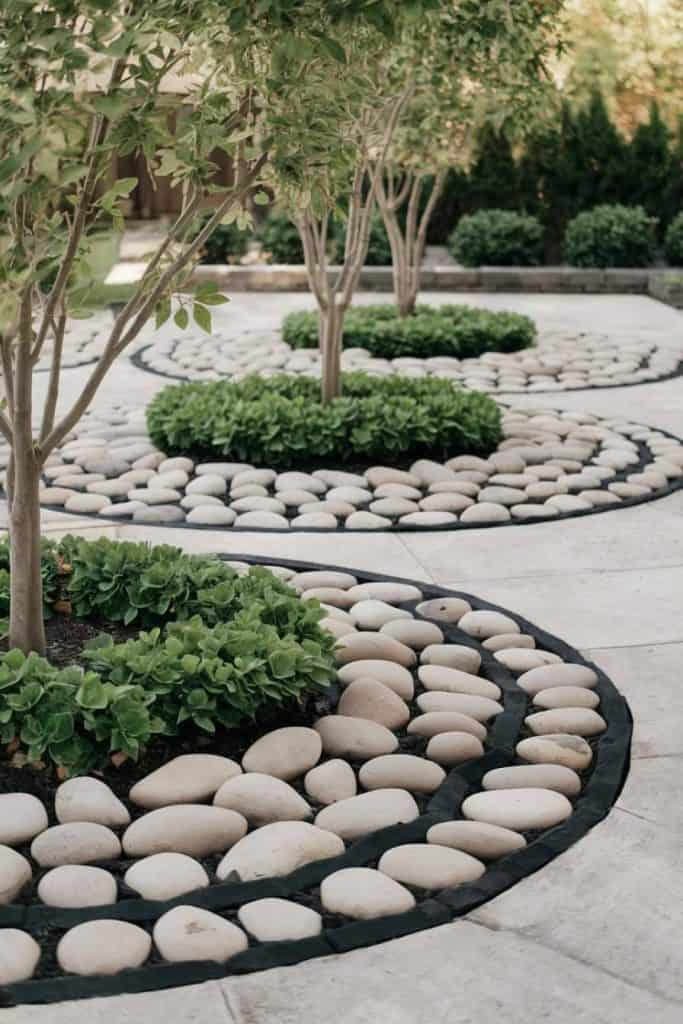
Replacing mulch with river rock around trees creates a clean, modern look that's maintenance-free. Spread a layer of river rock beneath the tree canopy, leaving the trunk exposed to prevent rot. The rocks help retain moisture while suppressing weeds. Choose medium-sized rocks in warm gray, brown, or cream tones to complement the tree's bark.
Why it works: The river rock border creates a clean, defined edge around trees. The material never needs replacement and provides a contemporary look.
Best locations: Around established trees in the front or backyard.
2. Dry Creek Bed Landscape Feature
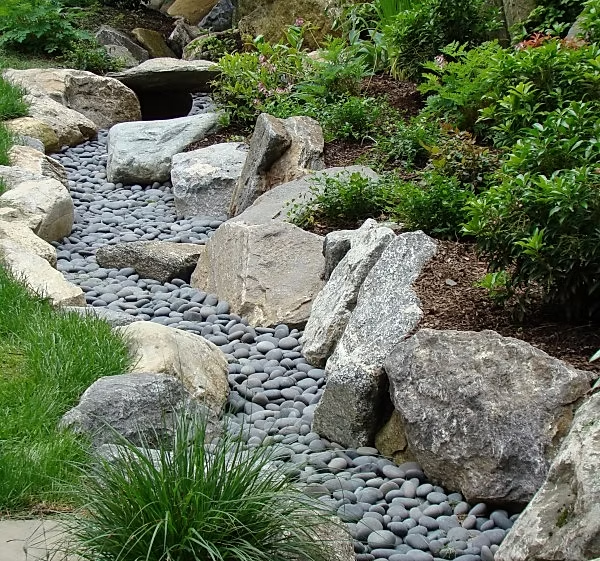
A dry creek bed is a beautiful landscape feature that mimics a natural stream. Use river rock in varying sizes—larger boulders on the edges, medium rocks in the center, and small pebbles as filler. The dry creek can serve as a drainage solution while adding visual interest and movement to your landscaping.
Why it works: The dry creek bed adds visual interest and texture. The varying sizes of rock create a natural, realistic appearance.
Best locations: Sloping areas, along property lines, or as a focal point in the landscape.
3. River Rock Path and Walkway
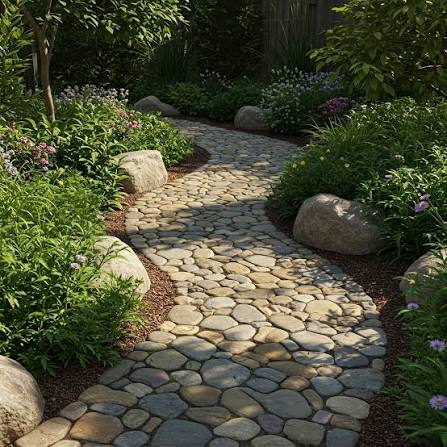
River rock can be used to create a stunning, textured path through the garden. Use flat, smooth rocks as stepping stones, with smaller pebbles between them for a cohesive look. The path is functional and beautiful, providing a natural, calming feel that's more interesting than a standard paved walkway.
Why it works: The river rock path is both beautiful and functional. The textured surface is interesting underfoot and provides a natural look.
Best locations: Garden paths, entrance walkways, and connecting different areas of the yard.
4. Contemporary Rock Garden
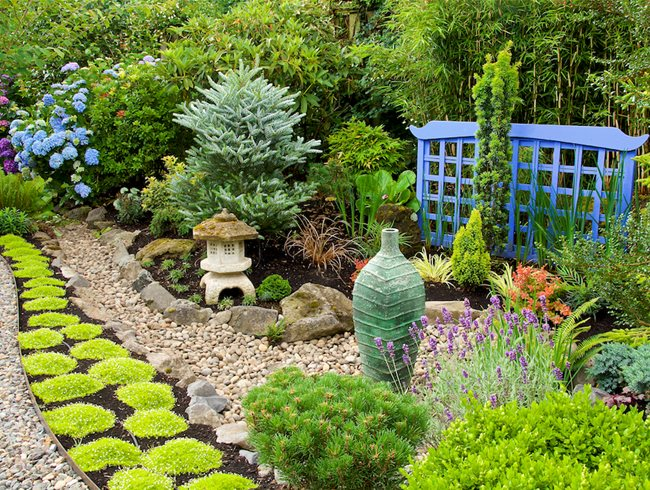
A contemporary rock garden uses river rock as the primary design element, combined with a few carefully chosen plants. Use large boulders as focal points, medium rocks as groundcover, and small pebbles as filler. Choose drought-tolerant plants like succulents, ornamental grasses, and lavender that complement the rugged texture of the rocks.
Why it works: The rock garden is striking, contemporary, and low-maintenance. The combination of rocks and plants creates dramatic textural contrast.
Best locations: Front yards, entryways, and areas where a dramatic, modern look is desired.
5. River Rock Mulch Around Perennials
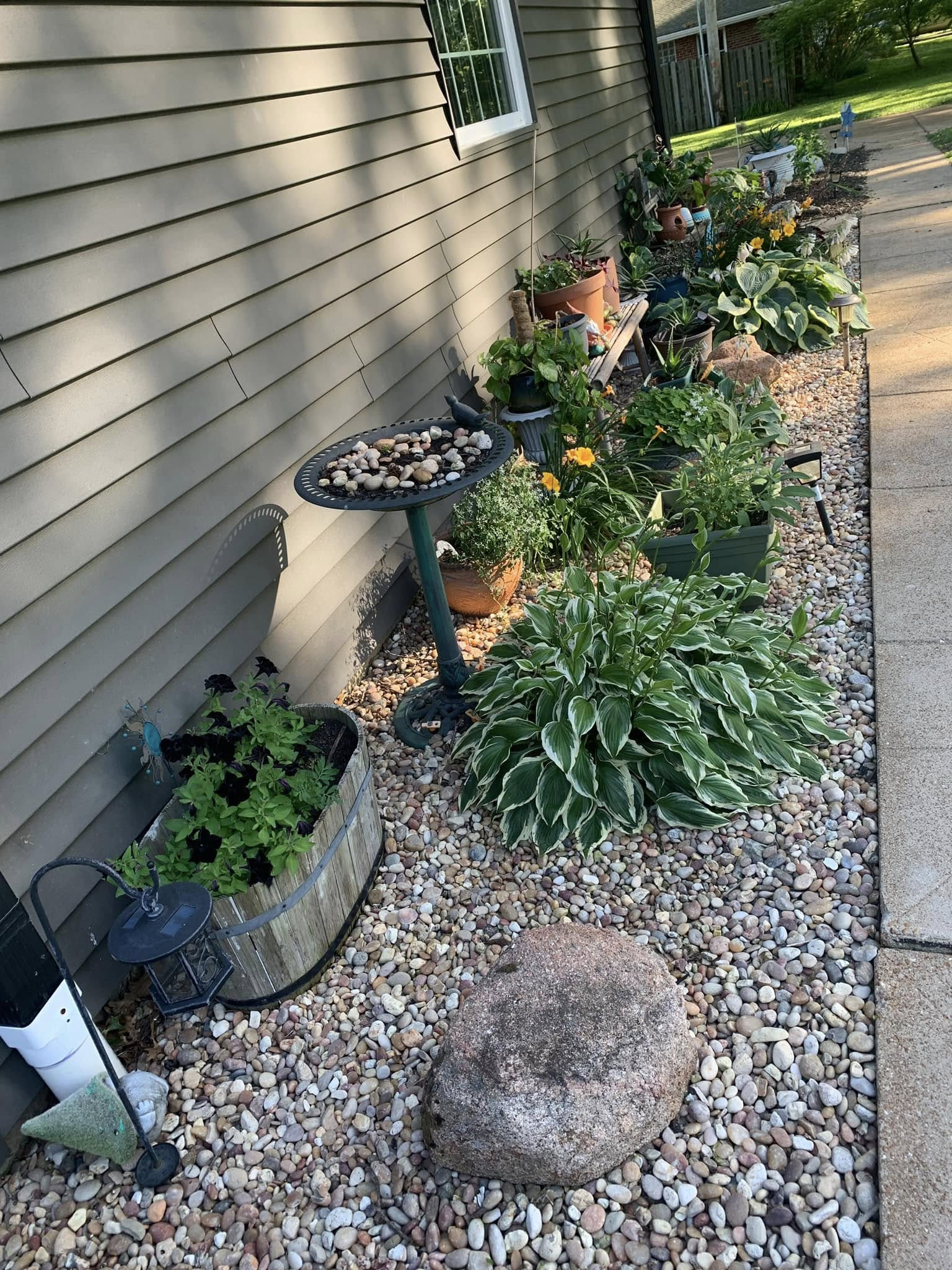
Replacing mulch with river rock around established perennials and shrubs provides a clean, weed-suppressing surface. The rocks prevent soil erosion, retain moisture, and provide a beautiful contrast to the green foliage and colorful flowers. Choose smaller river rocks to minimize the visual weight and allow the plants to remain the focus.
Why it works: The river rock provides permanent weed suppression and moisture retention. The natural colors complement the plants beautifully.
Best locations: Flower beds, perennial borders, and shrub plantings.
6. Fire Pit Surround
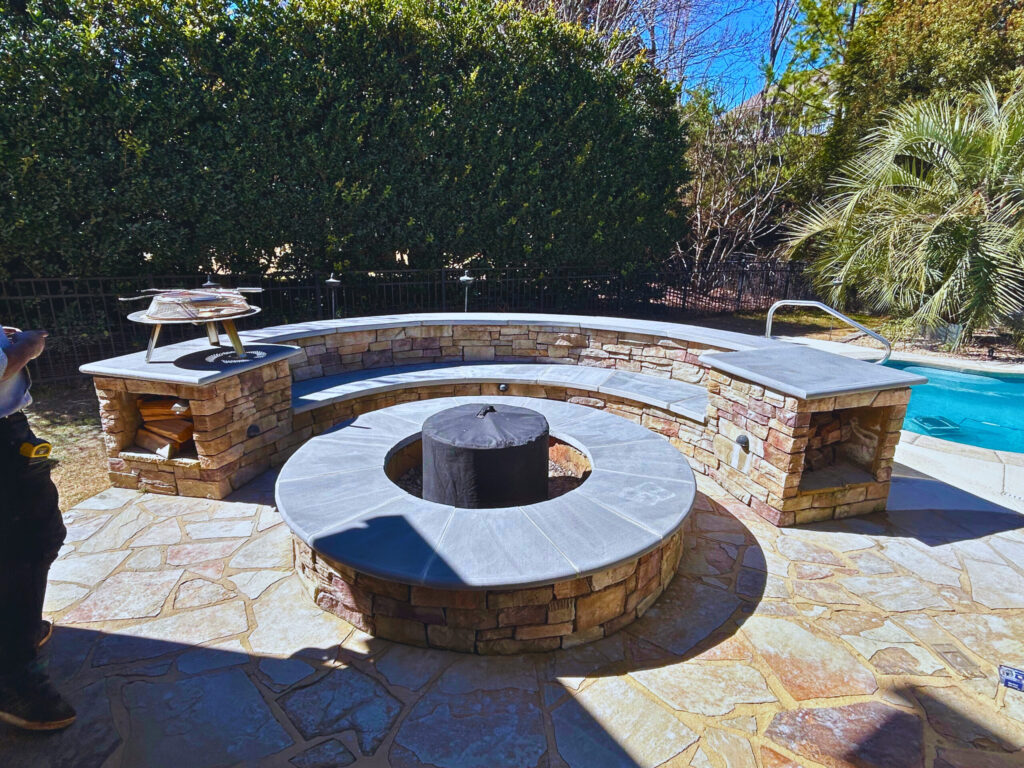
A river rock fire pit surround creates a beautiful, safe, and inviting gathering space. Use medium to large river rocks to create a ring around the fire pit, extending the circle outward for seating. The rocks provide a durable, heat-resistant surface that looks natural and complements any outdoor setting.
Why it works: The river rock surround is safe, heat-resistant, and aesthetically pleasing. The natural materials create a warm, inviting atmosphere.
Best locations: Patios, backyard gathering areas, and outdoor entertaining spaces.
7. Zen Garden with Raked River Rock
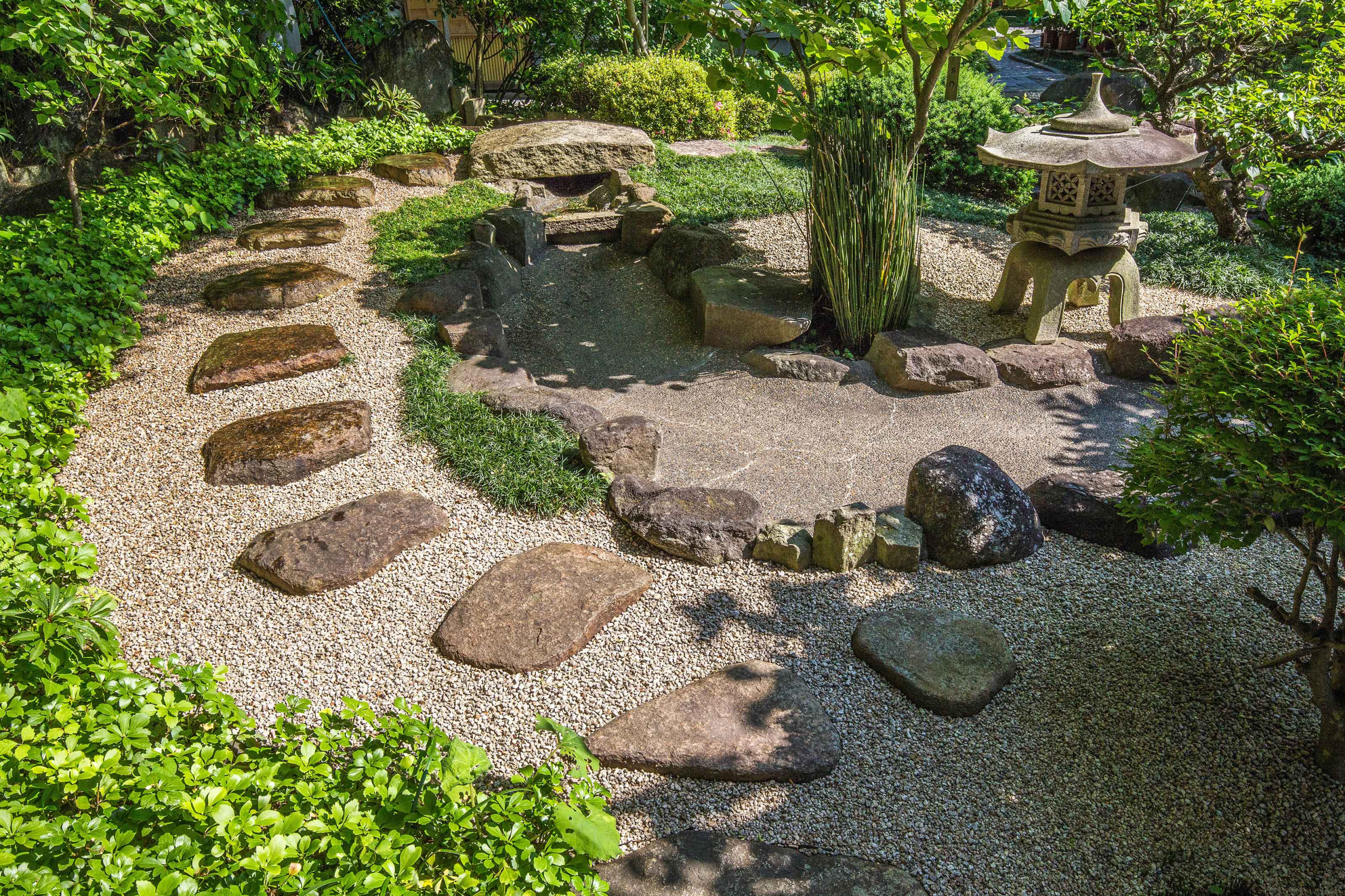
A Zen garden uses raked river rock and sand to create a calming, meditative space. The rocks are raked in patterns, with larger boulders or sculptural elements as focal points. This design creates a peaceful, minimalist retreat that's perfect for relaxation and reflection.
Why it works: The Zen garden is calming and meditative. The raked patterns create a beautiful, intentional design.
Best locations: Meditation spaces, patio areas, and backyard retreats.
8. River Rock Edging for Garden Beds
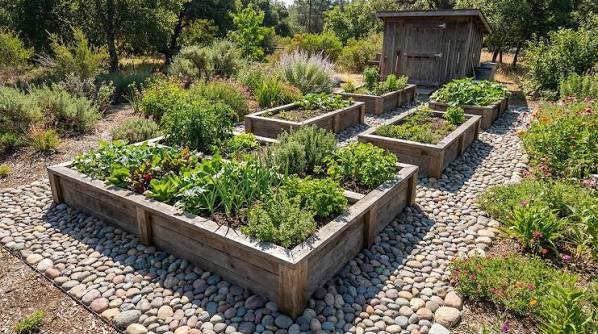
Use river rock as edging to define garden beds, pathways, and borders. The rocks create a clean, natural boundary that's more attractive and durable than plastic or metal edging. Choose rocks in a consistent size and color for a uniform look, or mix sizes for a more natural, organic edge.
Why it works: The river rock edging is durable, attractive, and natural. It creates a clean boundary that complements any landscape.
Best locations: Borders around flower beds, along walkways, and defining different landscape zones.
9. River Rock Water Feature
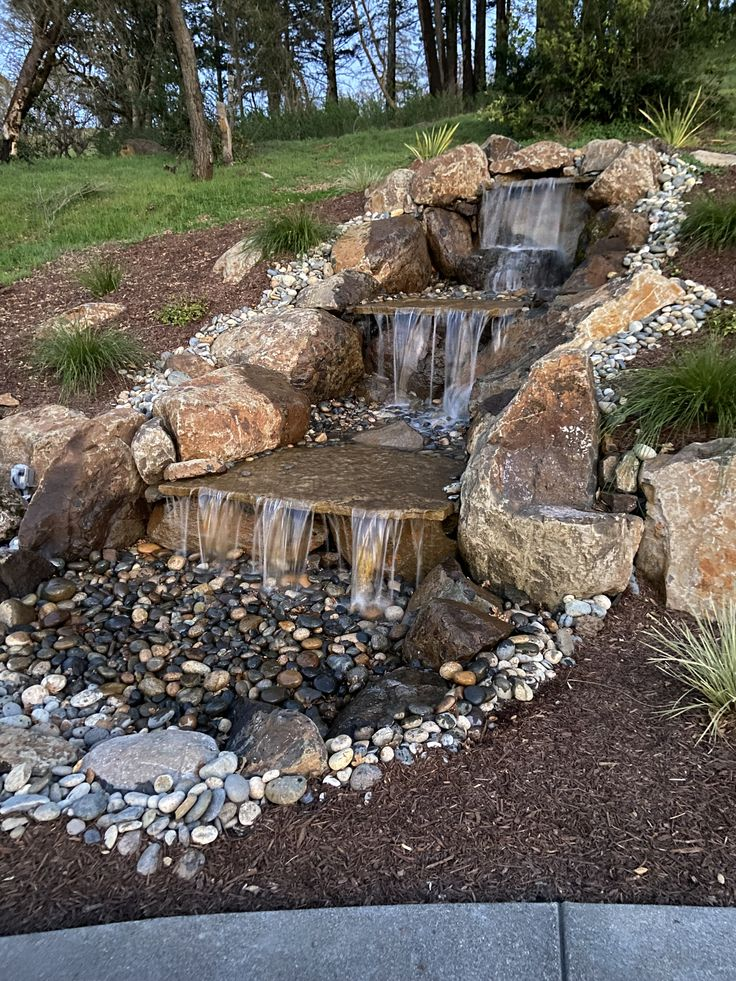
A river rock water feature combines the soothing sound of water with the natural beauty of stone. Use river rock to create a pond, waterfall, or fountain that looks like it was naturally formed. The rocks provide a beautiful, organic framework for the water feature, creating a tranquil outdoor retreat.
Why it works: The water feature is beautiful and tranquil. The river rock provides a natural, organic setting for the water.
Best locations: Patios, garden retreats, and focal points in the landscape.
10. River Rock Under Deck or Porch
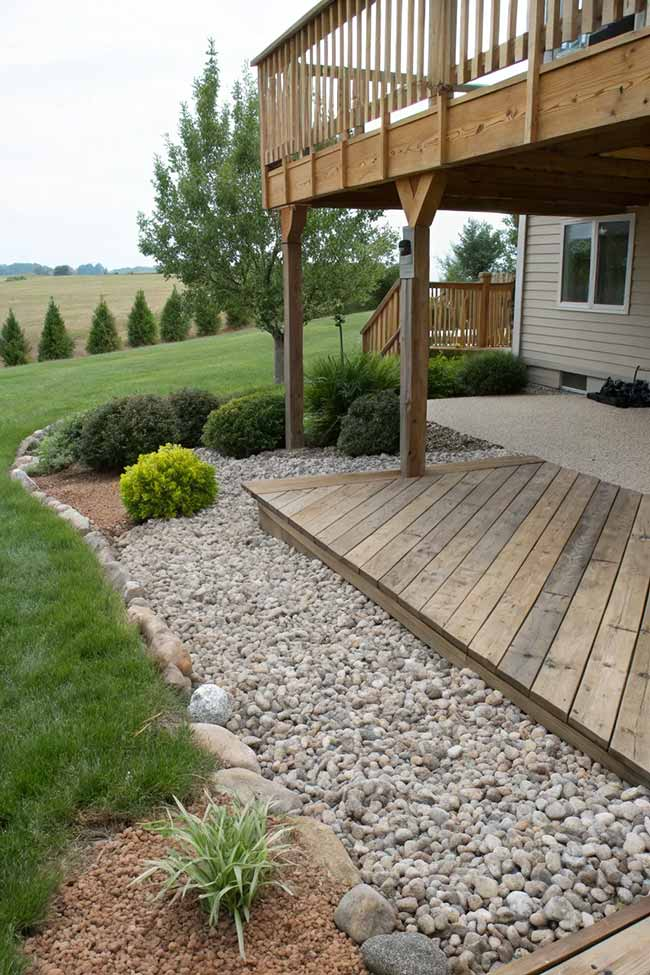
The area under a deck or porch is often challenging to landscape, but river rock provides a simple, attractive solution. Spread a layer of river rock over landscape fabric to suppress weeds, prevent erosion, and keep the area clean and dry. This approach is particularly effective for crawl space ventilation and drainage.
Why it works: The river rock is easy to install and maintain. It prevents erosion and weed growth in challenging areas.
Best locations: Under decks, porches, and elevated structures.
11. Coastal Landscape with River Rock
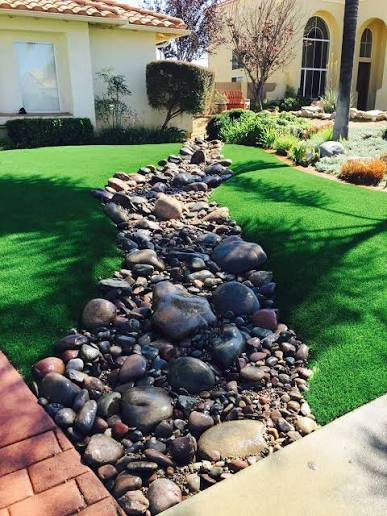
River rock is perfect for coastal landscapes, where it complements the beach-inspired aesthetic. Combine river rock with native coastal plants, driftwood, and beach glass for a relaxed, seaside feel. The rocks provide a drought-tolerant groundcover that holds up to salt spray and wind.
Why it works: The river rock complements the coastal aesthetic. The natural materials create a relaxed, beach-inspired landscape.
Best locations: Coastal homes, beach properties, and areas where a seaside feel is desired.
12. River Rock Around Pools and Water Features
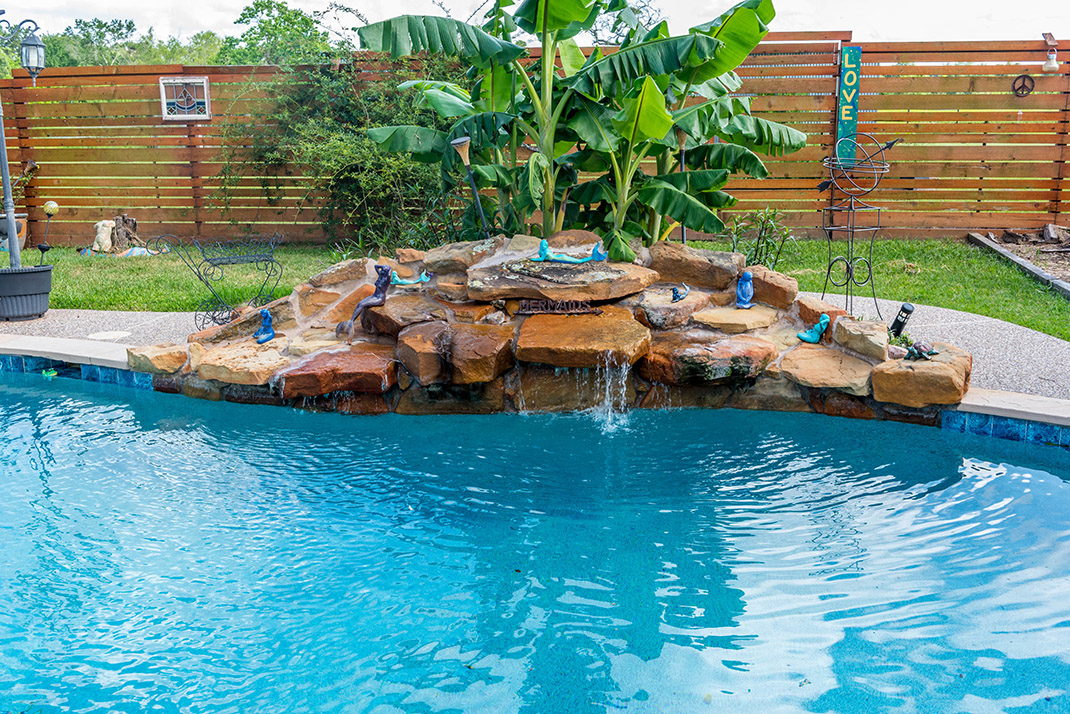
River rock creates a beautiful, natural-looking perimeter around pools, ponds, and other water features. The rocks are safe, non-slip, and provide a attractive transition from water to landscape. Choose smooth, rounded rocks for comfort and safety.
Why it works: The river rock is safe, attractive, and natural. The smooth rocks are comfortable and non-slip around water.
Best locations: Around pools, ponds, and other water features.
13. Xeriscape Garden with River Rock
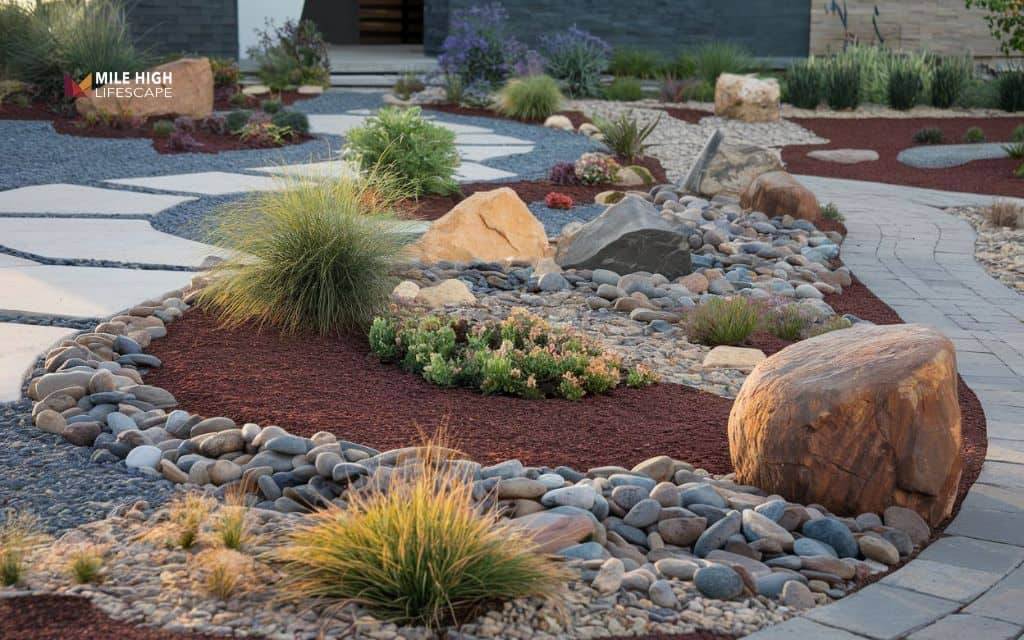
Xeriscaping is a landscaping approach that conserves water by using drought-tolerant plants and minimal irrigation. River rock is a key element in xeriscaping, providing a heat-reflective, weed-suppressing groundcover. Combine with succulents, cacti, and other drought-tolerant plants for a beautiful, water-efficient garden.
Why it works: River rock is ideal for xeriscaping, providing water conservation and heat reflection. The material complements drought-tolerant plants perfectly.
Best locations: Hot, dry climates and water-restricted areas.
14. Raised Garden Bed Cover
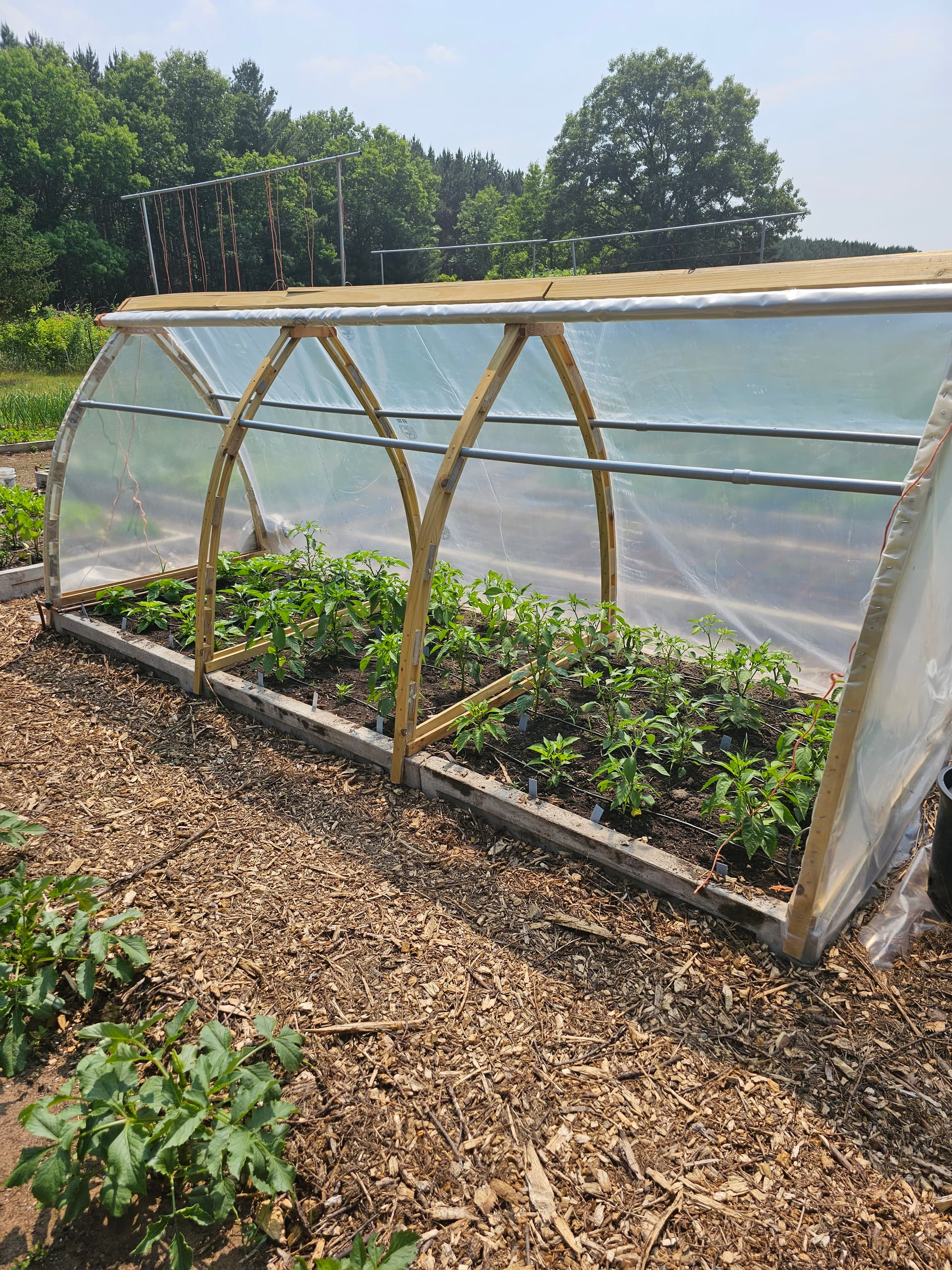
Use river rock to cover the soil in raised garden beds, providing a clean, attractive surface that retains moisture and suppresses weeds. The rocks also add aesthetic appeal, creating a structured, polished look for the raised beds. Choose small to medium rocks to minimize the visual weight.
Why it works: The river rock cover is functional and attractive. It retains moisture and prevents weed growth while adding a polished look.
Best locations: Raised garden beds and planter boxes.
15. Decorative River Rock Spiral
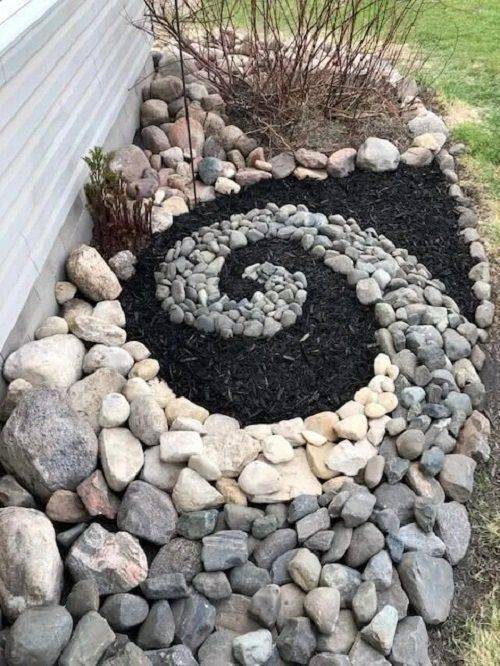
A decorative spiral made of river rock creates a stunning focal point in any landscape. Arrange the rocks in a spiral pattern, either flat on the ground or in a raised design. The spiral is visually striking and creates a sense of movement and flow in the garden.
Why it works: The rock spiral is a beautiful, artistic focal point. The pattern adds interest and a sense of design.
Best locations: Front yards, courtyards, and garden focal points.
16. River Rock Seating Area
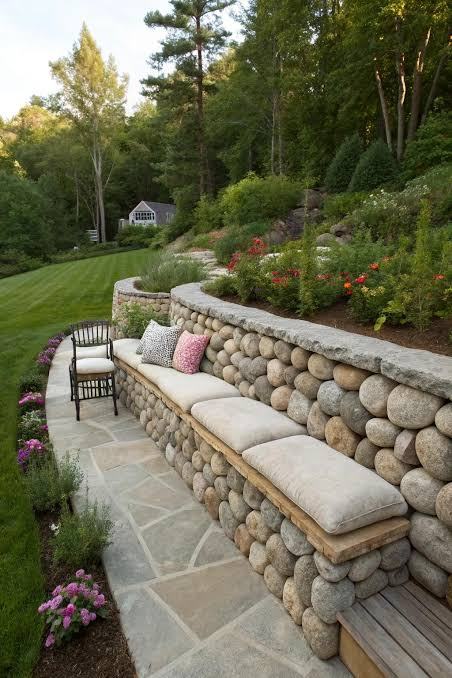
Use river rock to create a seating area for outdoor living. Combine larger rocks as seats with a fire pit centerpiece, creating a natural, rustic gathering space. The rocks are durable and comfortable, creating a unique, organic alternative to traditional outdoor furniture.
Why it works: The rock seating is durable, natural, and unique. The organic materials create a warm, inviting outdoor space.
Best locations: Patios, backyard gathering areas, and campfire seating.
17. River Rock Art and Patterns

Create art with river rock by arranging the rocks in patterns, mandalas, or mosaics. This is a creative and personal way to add interest to the landscape. The rocks can be arranged in flower shapes, spirals, or geometric designs, creating a unique, artistic focal point.
Why it works: The rock art is creative and personal. The patterns add unique visual interest to the garden.
Best locations: Focal points, pathway inlays, and decorative garden accents.
Making the Switch to a Permanent Landscape
Saying goodbye to the annual chore of hauling, spreading, and replacing fading mulch is one of the best favors you can do for your yard—and your weekend schedule. As these 17 river rock landscaping ideas show, swapping organic mulch for durable stone isn't just a practical upgrade; it's a massive design elevation.
Whether you use smooth stones to carve out a peaceful dry creek bed, create a crisp border around your trees, or build a sleek, contemporary rock garden, river rock brings a polished, high-end texture to your property that stands up to the elements year after year.
Quick Tips for a Flawless River Rock Installation:
- Always Use Landscape Fabric: Laying down a heavy-duty, woven landscape fabric before pouring your rocks is non-negotiable for keeping weeds at bay and preventing stones from sinking into the soil.
- Incorporate Plant Variance: Rocks reflect heat, so pair them with hardy, drought-tolerant perennials, ornamental grasses, or succulents that can handle a warmer root zone.
- Mix Your Sizes: For features like pathways or dry creek beds, blending smaller pebbles with larger anchor stones creates a much more natural, visually dynamic look.
While the upfront cost of stone is higher than a few bags of wood chips, the long-term payoff in curb appeal and zero-maintenance longevity is completely worth it. Pick your favorite design, prep your ground correctly, and enjoy a clean, beautiful landscape that never rots, fades, or needs to be replaced!