The Power of Architectural Detail
Wall molding is one of the most effective ways to add architectural interest, depth, and character to a room. Whether you're updating a plain, modern space or restoring a period home, molding creates visual structure that elevates the entire room. From simple chair rails to elaborate ceiling medallions, the right molding can transform a flat, uninteresting wall into a striking design feature.
The difference between a room with molding and one without is immediately apparent. Rooms without molding can feel flat and unfinished, while those with thoughtful architectural detailing feel polished, intentional, and carefully designed. Older homes often featured extensive molding and trim, but modern construction has largely eliminated these details. Today's 17 best wall molding ideas are bringing back this classic craftsmanship, proving that architectural detail is as relevant as ever.
If you're considering wall molding, you're likely looking for ways to add character and visual interest to your rooms. You might be tired of plain, flat walls and want something with more depth and personality. You're probably seeking ideas that work with your home's architecture and your personal style, whether that's traditional, modern, or somewhere in between.
This guide explores 17 best wall molding ideas that will transform your walls and elevate your home's interior.
17 Best Wall Molding Ideas
1. Classic Wainscoting
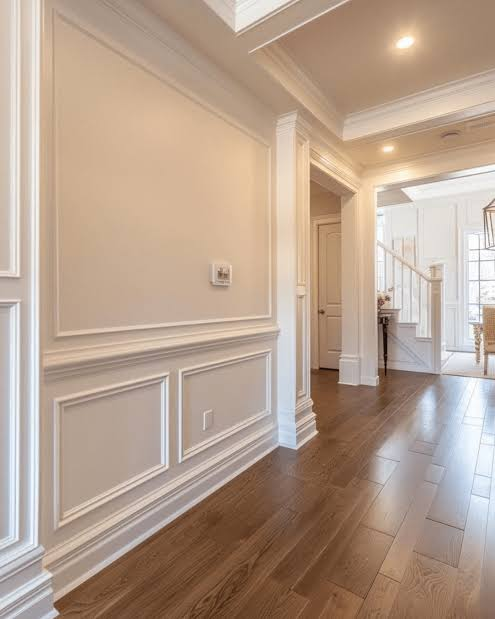
Wainscoting is paneling applied to the lower portion of the wall, typically reaching about one-third to one-half of the wall height. It adds texture, warmth, and architectural interest, protecting walls from damage while creating a classic, traditional look. Wainscoting comes in several styles—raised panel, flat panel, beadboard, and board and batten.
Why it's the best: Wainscoting is timeless and versatile. It adds protection, texture, and classic architectural detail.
Best spaces: Dining rooms, entryways, hallways, and traditional homes.
2. Board and Batten
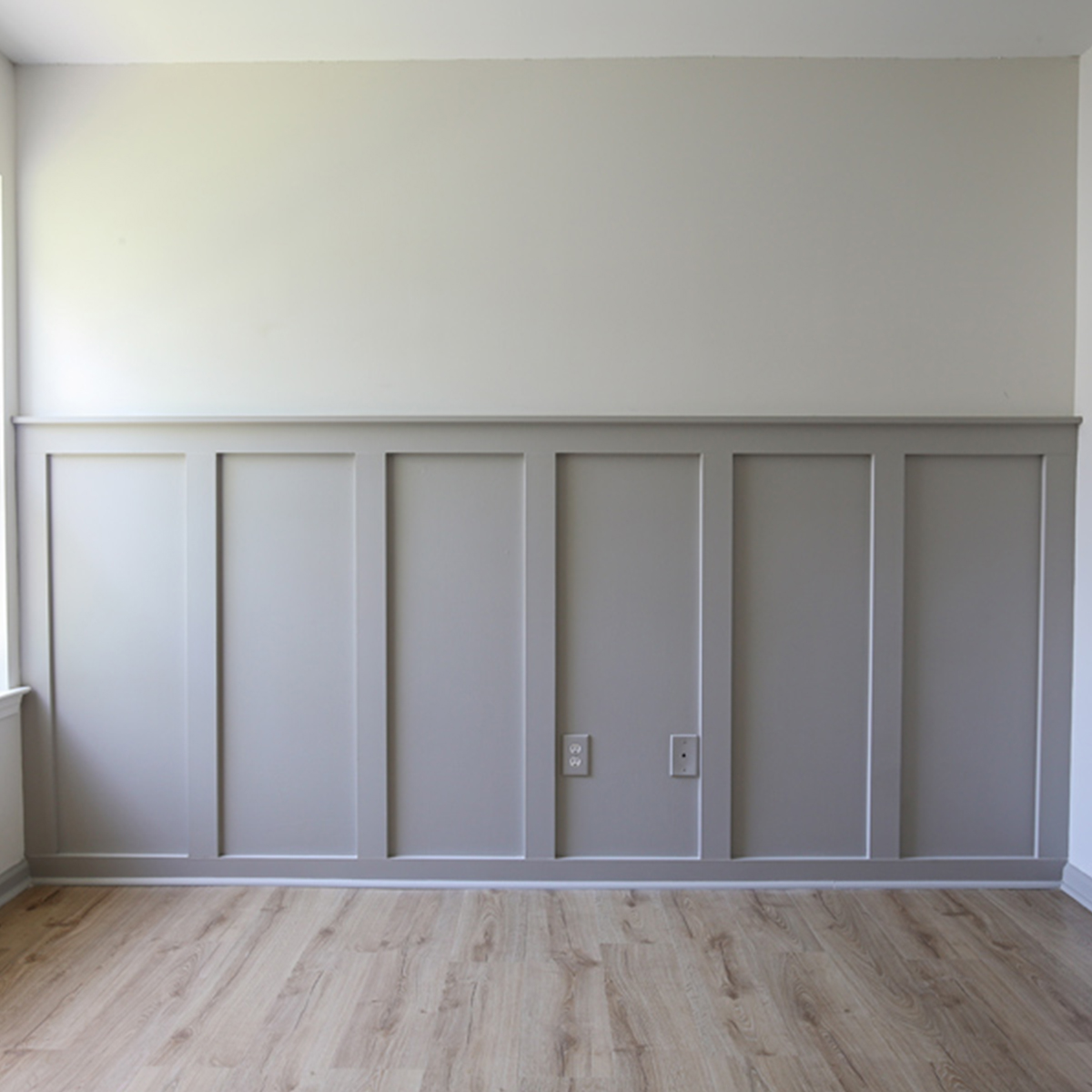
Board and batten is a style of wall paneling that uses wide boards with narrow battens (strips) covering the seams. The result is a vertical, linear look that adds height and texture to the room. Board and batten is particularly effective in modern farmhouse, cottage, and coastal interiors.
Why it's the best: Board and batten adds vertical interest and texture. The linear pattern creates a sense of height and architectural detail.
Best spaces: Entryways, mudrooms, dining rooms, and modern farmhouse interiors.
3. Beadboard
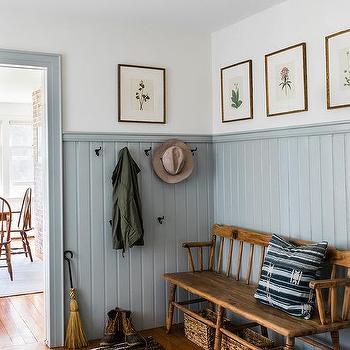
Beadboard is a style of paneling with narrow, vertical grooves that create a classic, cottage-like feel. It's often used in casual, coastal, and country interiors. Beadboard is particularly effective in bathrooms, kitchens, and mudrooms, where it adds texture and a relaxed, charming atmosphere.
Why it's the best: Beadboard adds classic, cottage charm. The vertical grooves create texture and a relaxed feel.
Best spaces: Bathrooms, kitchens, mudrooms, and casual interiors.
4. Chair Rail with Two-Tone Paint
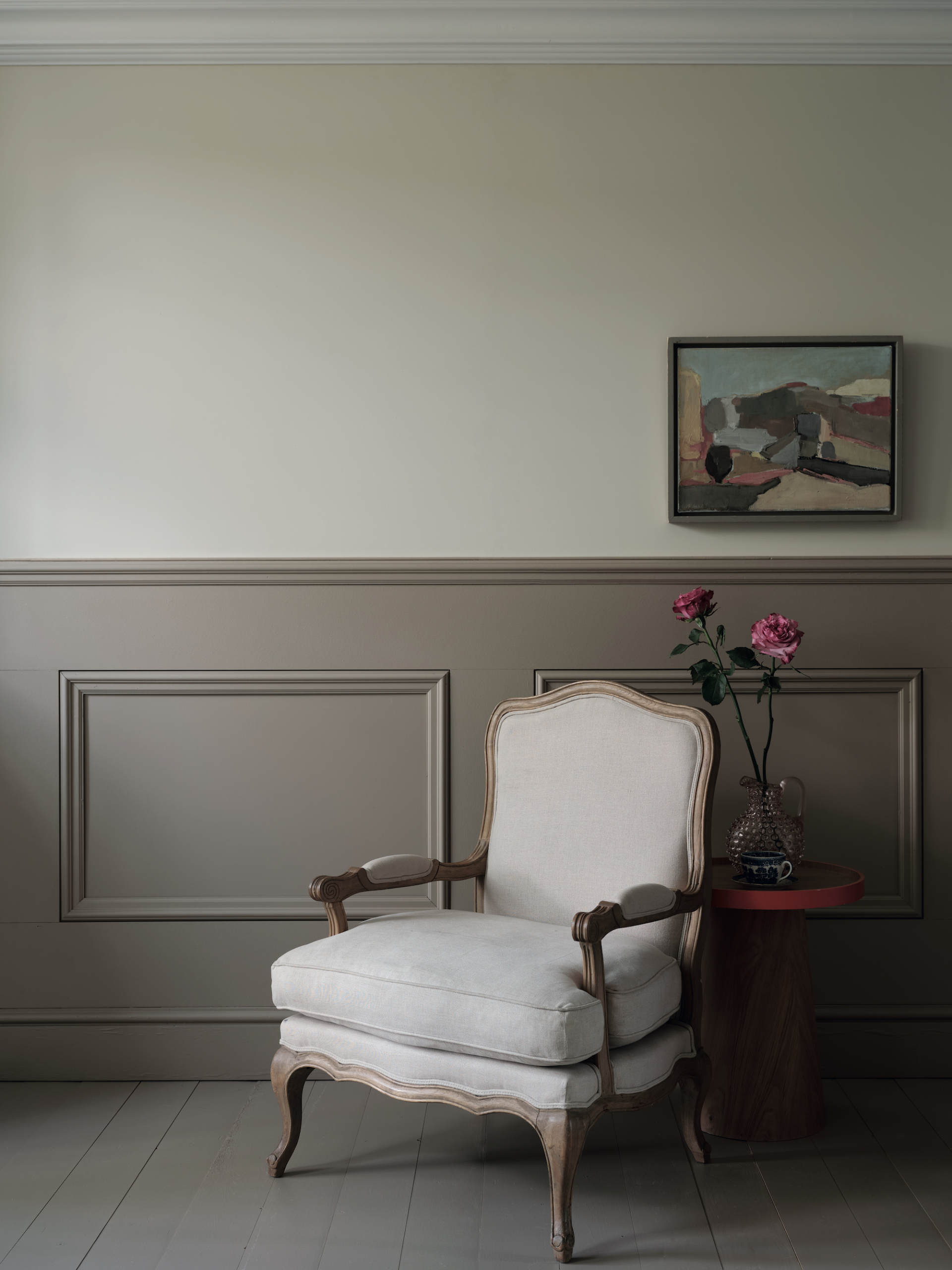
A chair rail is a horizontal molding that traditionally protected walls from damage from chair backs. Today, it's often used with two-tone paint—a different color or finish above and below the rail. The two-tone approach adds visual interest and creates a sophisticated, layered look that makes the room feel taller or more intimate.
Why it's the best: The chair rail adds architectural detail while the two-tone paint creates visual interest. The combination is classic and versatile.
Best spaces: Dining rooms, living rooms, and formal spaces.
5. Picture Frame Molding
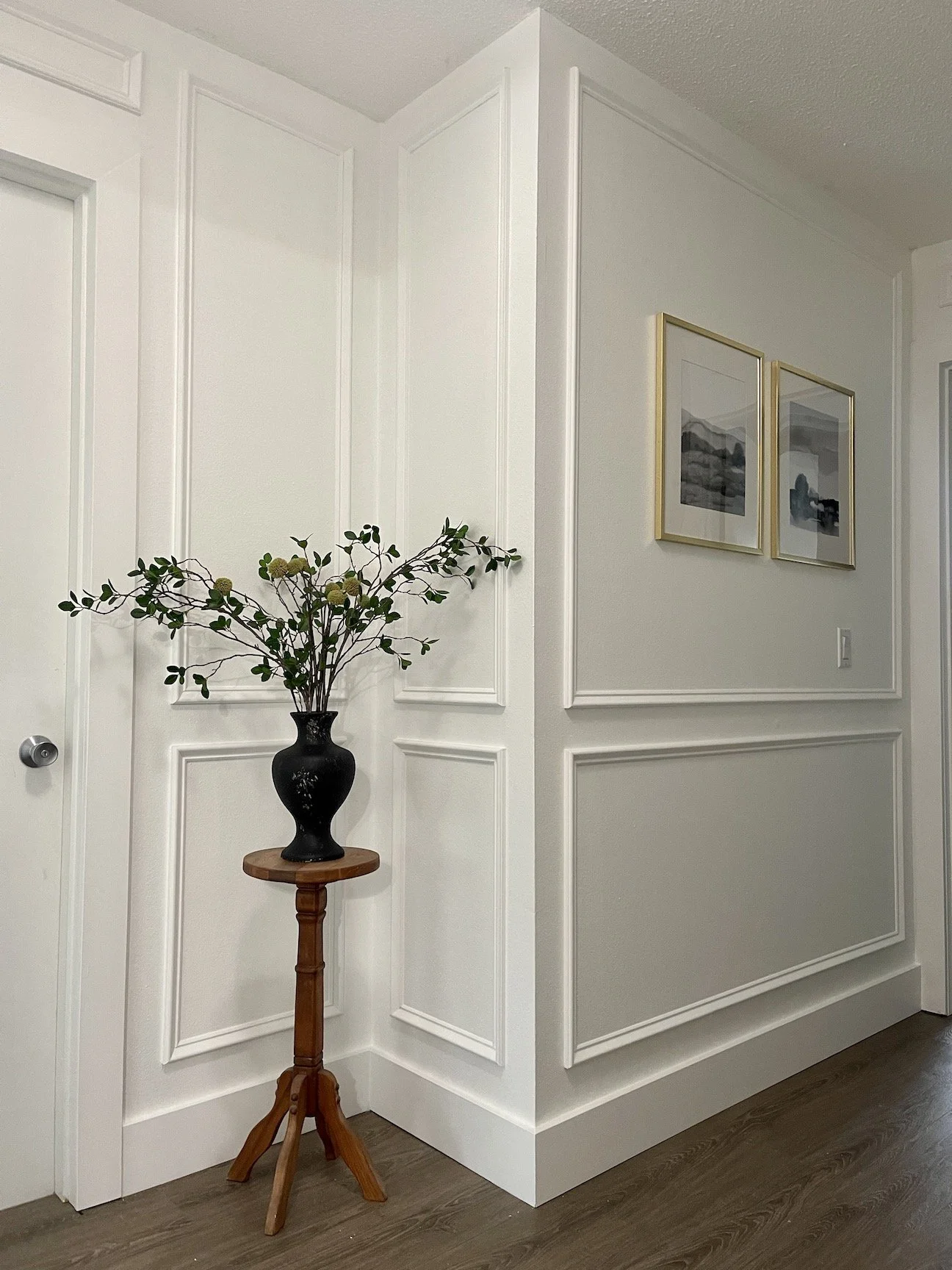
Picture frame molding uses rectangular frames of molding on the wall to mimic the look of framed art. The frames can be arranged in a grid, in rows, or in a more random pattern. This style adds architectural interest and a sense of intentionality, even on a plain wall.
Why it's the best: The picture frames create a polished, intentional look. The pattern adds interest and a sense of curated design.
Best spaces: Dining rooms, living rooms, hallways, and formal spaces.
6. Crown Molding
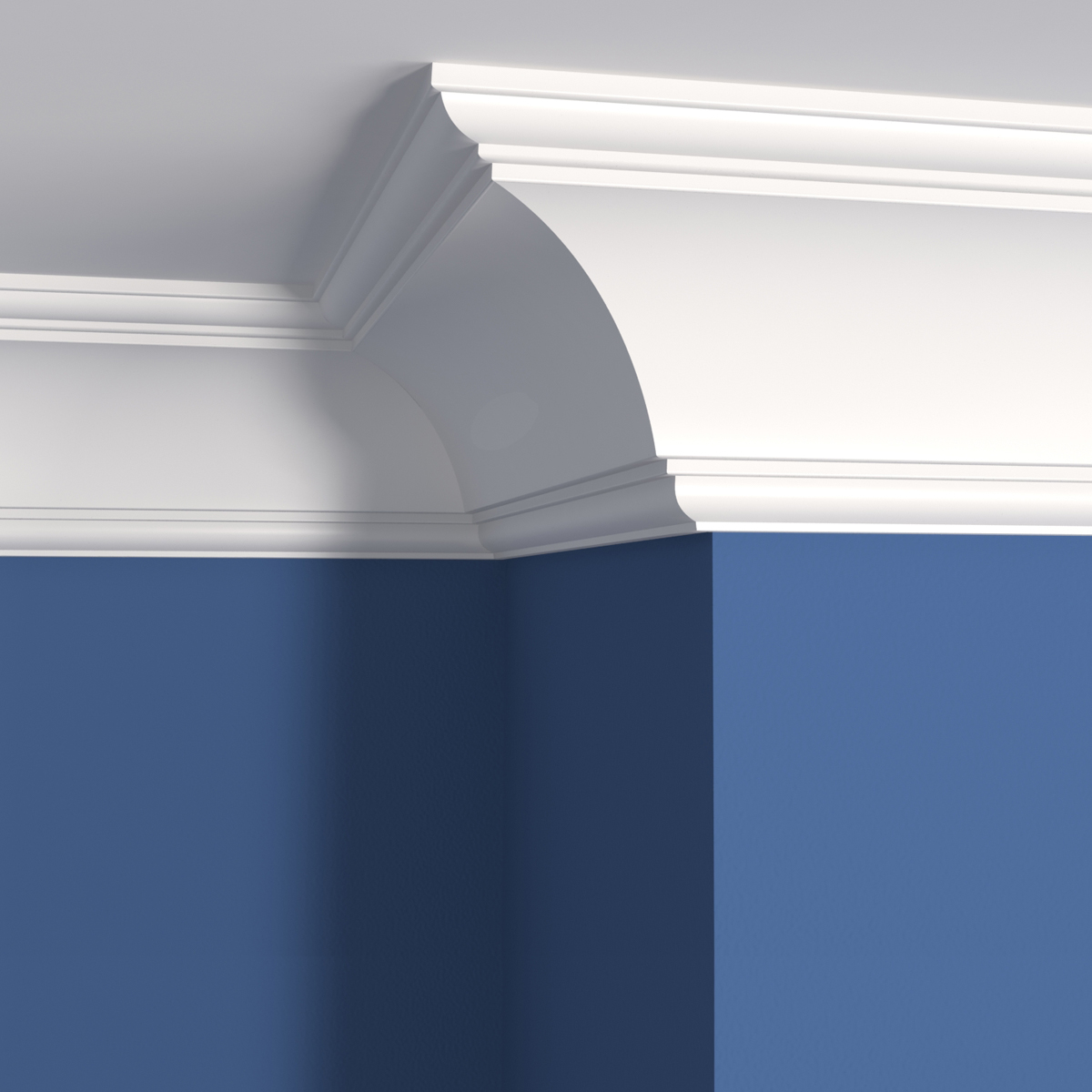
Crown molding is installed where the wall meets the ceiling, creating a finished, polished transition. It adds visual weight to the top of the room and makes the ceiling appear higher. Crown molding is a classic architectural detail that's appropriate for virtually any style of home.
Why it's the best: Crown molding adds polish, height, and architectural interest. The detail is versatile and works with any style.
Best spaces: Any room where you want a polished, finished look.
7. Wall Paneling with Grid Pattern
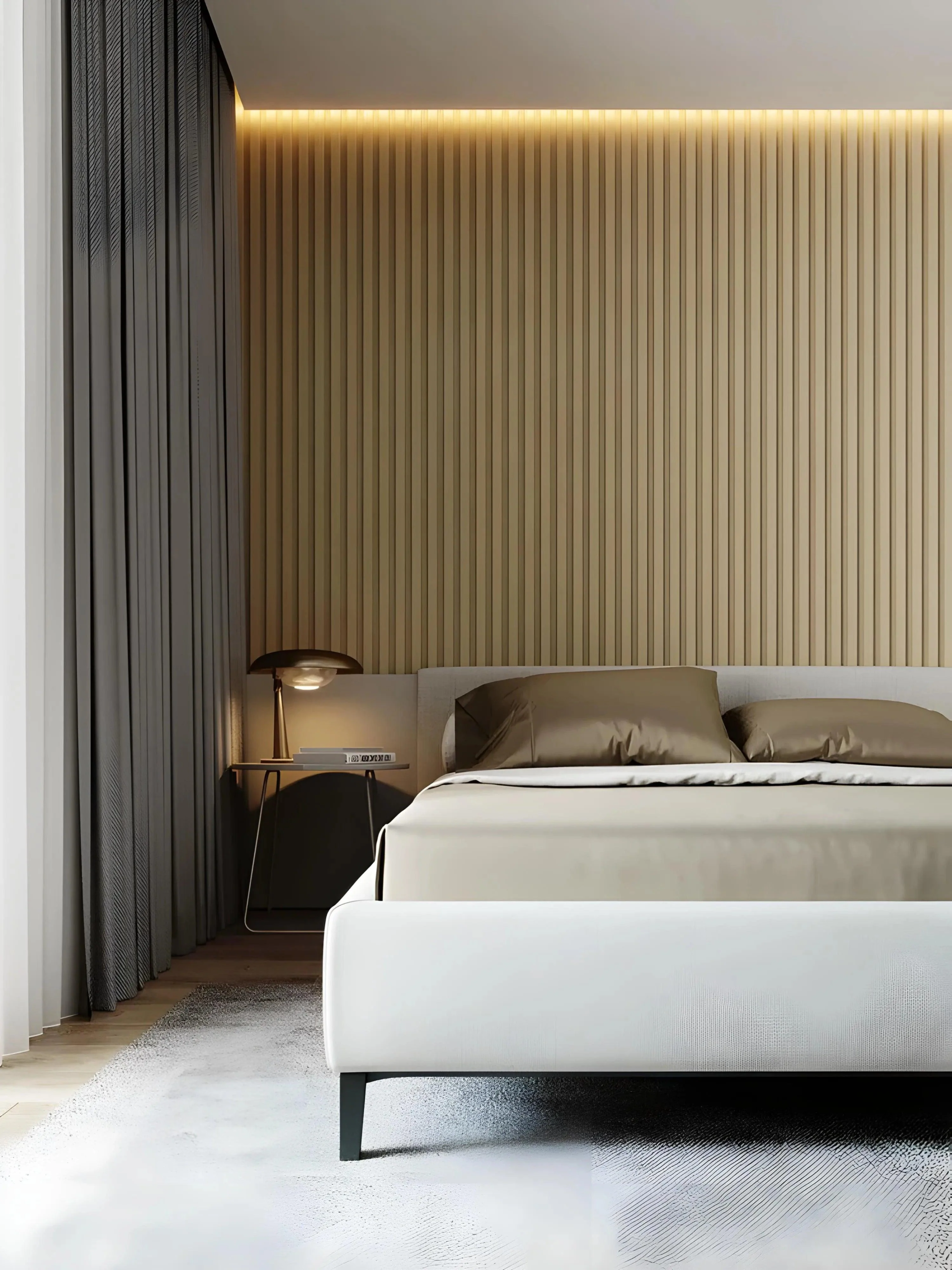
A grid pattern of wall paneling creates a striking, graphic look that's both traditional and contemporary. The panels are arranged in a grid, often with a recessed center in each panel. This style is classic and versatile, working in both traditional and modern interiors.
Why it's the best: The grid pattern adds graphic, architectural interest. The style is versatile and works with multiple design aesthetics.
Best spaces: Dining rooms, libraries, studies, and formal spaces.
8. Ceiling Medallion
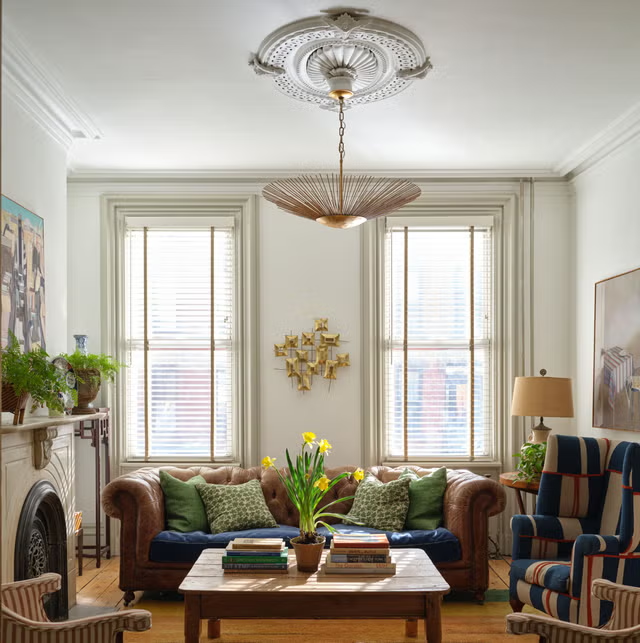
A ceiling medallion is a decorative molding piece installed around a light fixture or ceiling fan. It adds a beautiful, ornate detail that draws the eye upward. Ceiling medallions come in a wide range of styles, from simple and understated to elaborate and ornate.
Why it's the best: The ceiling medallion adds a beautiful, architectural focal point. The detail draws the eye upward and adds a sense of craftsmanship.
Best spaces: Dining rooms, foyers, living rooms, and formal spaces.
9. Shiplap
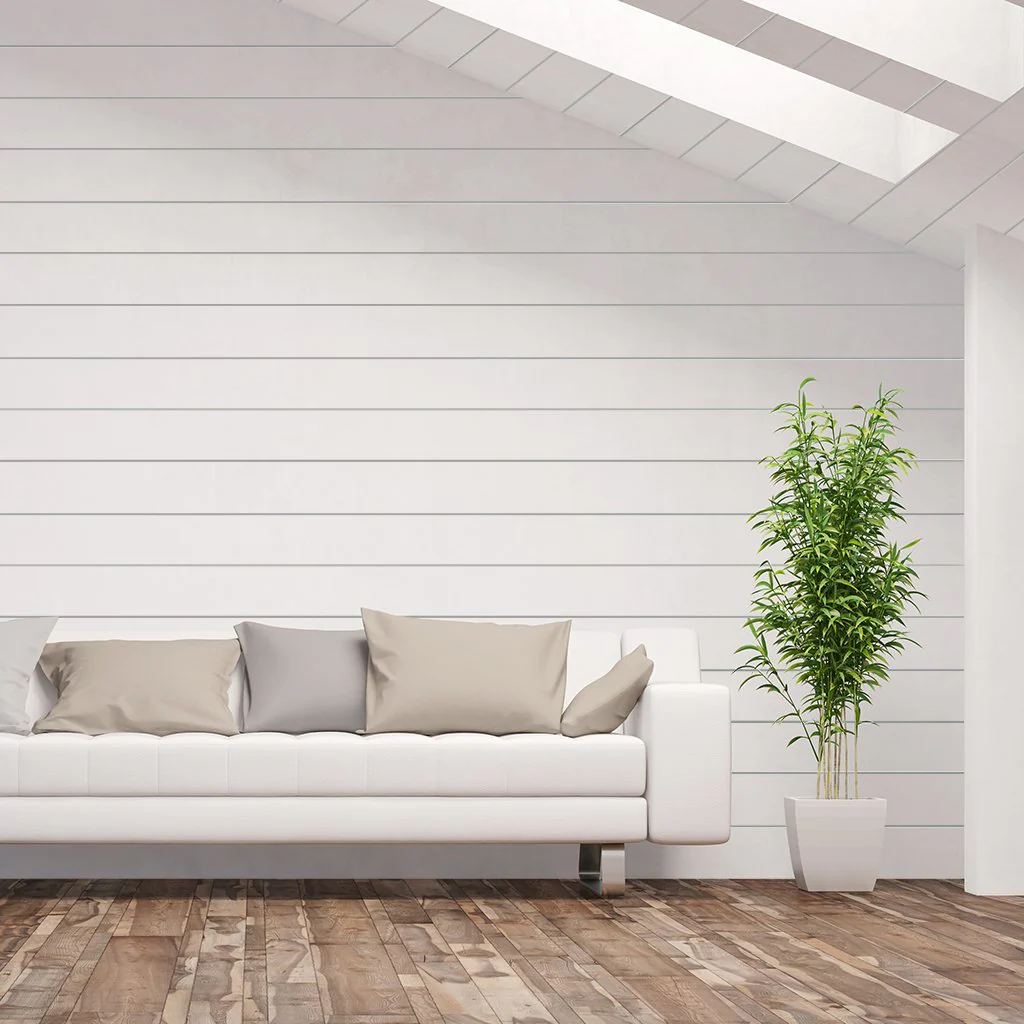
Shiplap is a style of wall paneling where boards are installed horizontally with a small gap between them. It's become one of the defining features of modern farmhouse design, offering a clean, textured look that's both rustic and contemporary. Shiplap can be painted, stained, or left natural.
Why it's the best: Shiplap adds texture and farmhouse charm. The horizontal lines add visual interest and a sense of width.
Best spaces: Living rooms, bedrooms, entryways, and modern farmhouse interiors.
10. Wall Molding as Headboard
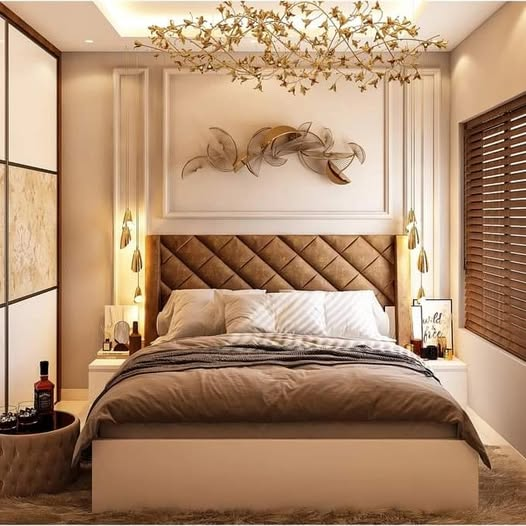
Use wall molding to create a dramatic, architectural headboard in the bedroom. The molding is installed on the wall behind the bed, creating a tall, framed area that serves as a stunning focal point. The headboard molding can be painted in a contrasting color or finished to match the wall.
Why it's the best: The molding headboard is dramatic and architectural. The detail creates a focal point that anchors the bed.
Best spaces: Master bedrooms and guest bedrooms.
11. Fluted Molding
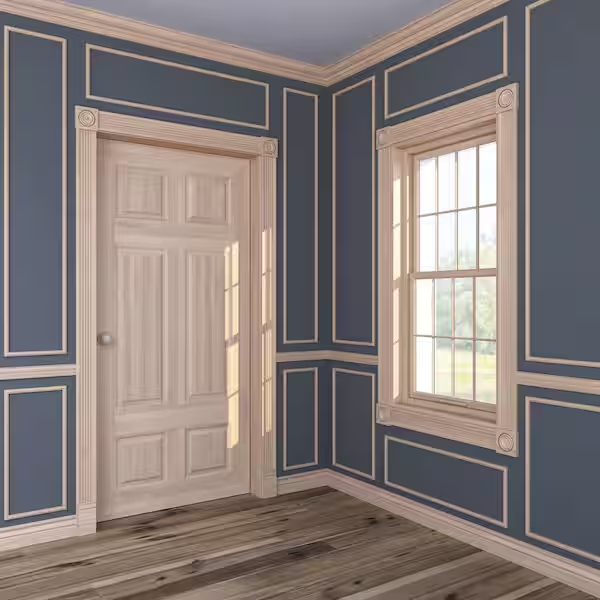
Fluted molding features vertical grooves or ribs that create a textured, elegant look. It's often used to add detail to columns, pilasters, or wall panels. Fluted molding is classic and sophisticated, adding a refined, architectural element to any room.
Why it's the best: Fluted molding adds texture and refined detail. The vertical grooves create elegance and architectural interest.
Best spaces: Formal living rooms, dining rooms, and grand interiors.
12. Box Beam Ceiling
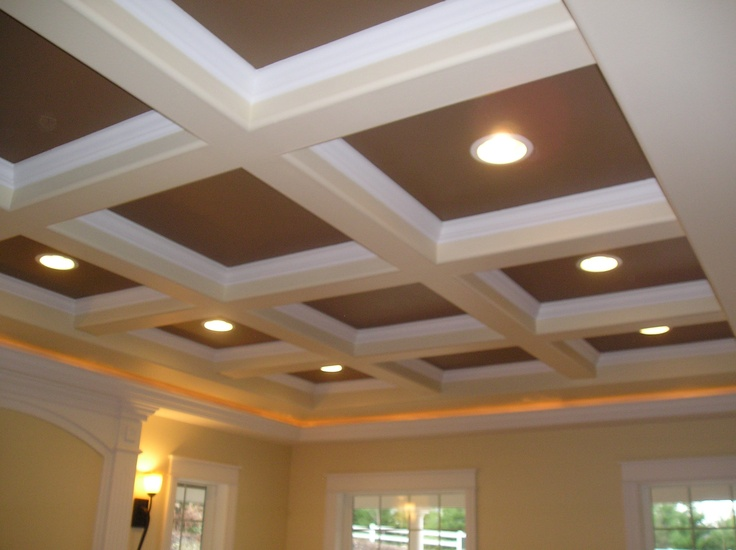
Box beam ceilings use beams to create a coffered or grid pattern on the ceiling. The beams can be structural or decorative, adding architectural interest and a sense of height and depth. Box beam ceilings are classic and grand, creating a stunning focal point.
Why it's the best: Box beam ceilings add grandeur and architectural interest. The ceiling becomes a stunning focal point.
Best spaces: Dining rooms, living rooms, and formal spaces.
13. Wall Molding as Art Display
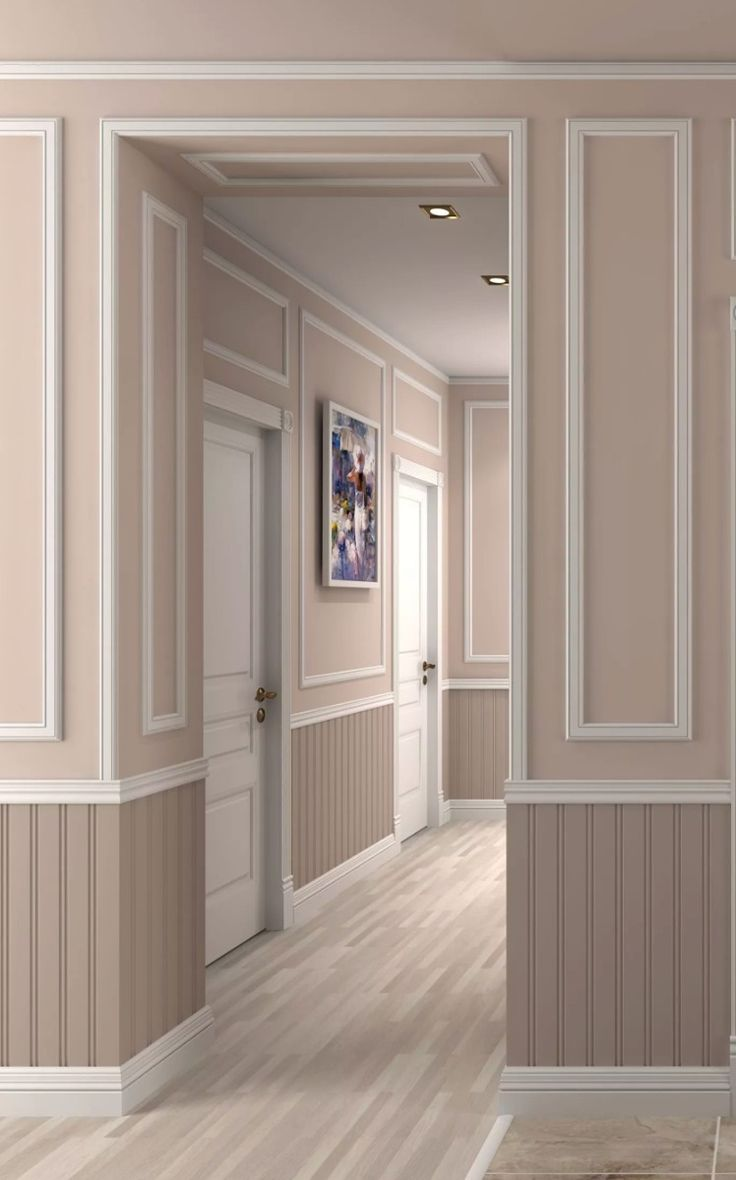
Use wall molding to create a decorative grid that frames and displays art. The molding creates a built-in gallery wall, with each section designated for a specific piece of art. This approach creates a polished, curated look that showcases art beautifully.
Why it's the best: The molding grid creates a built-in gallery wall. The art display is polished, intentional, and visually striking.
Best spaces: Living rooms, hallways, and dining rooms.
14. Transitional Molding
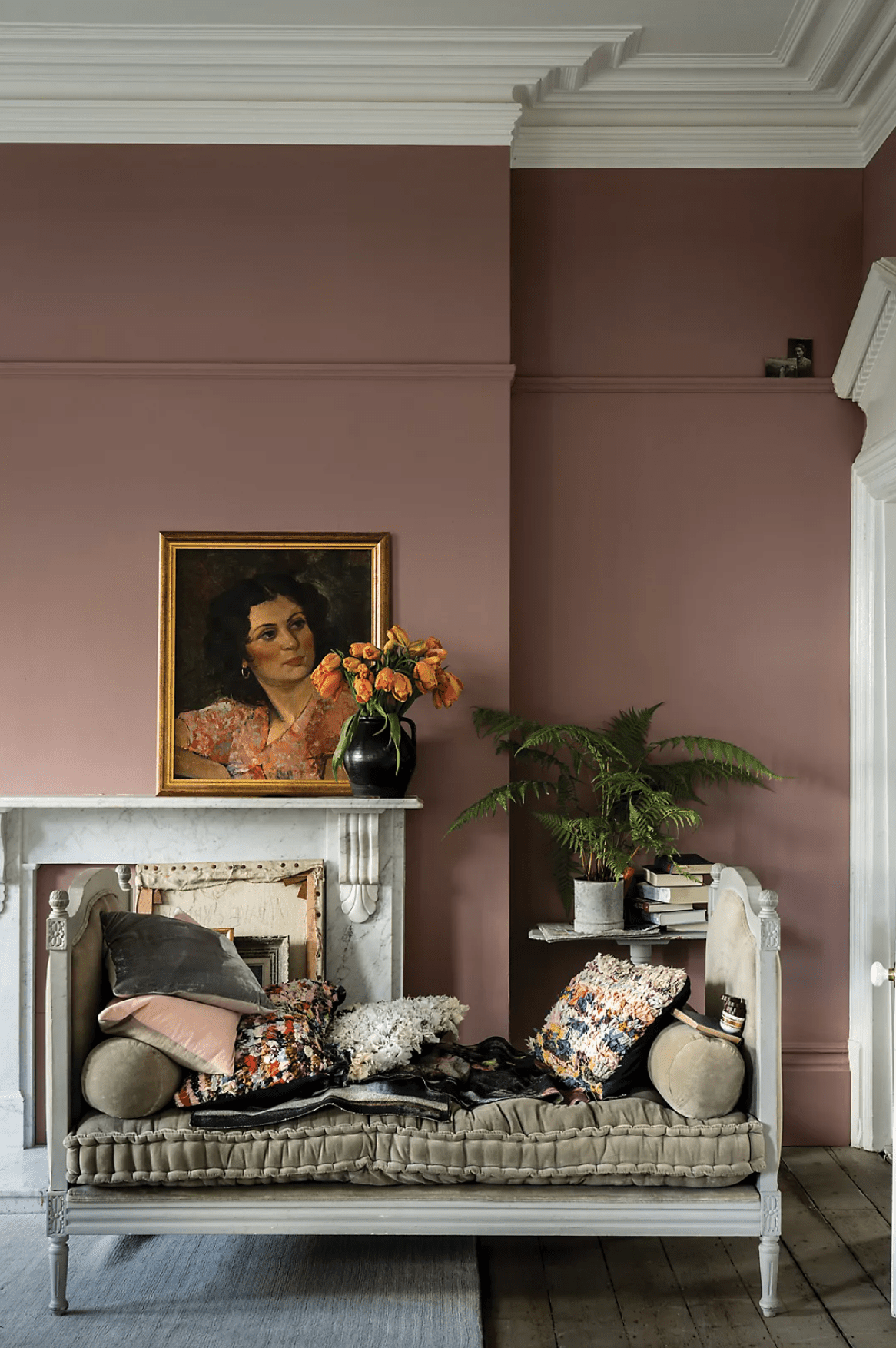
Transitional molding is the trim that connects different flooring materials—a wood floor to tile, for example. While functional, it can also be decorative, with profiles that complement the home's style. Choose a molding that adds a design detail even as it performs its practical function.
Why it's the best: Transitional molding is both functional and decorative. The detail adds a finished, polished look to transitions.
Best spaces: Areas where flooring materials change.
15. Door and Window Casings
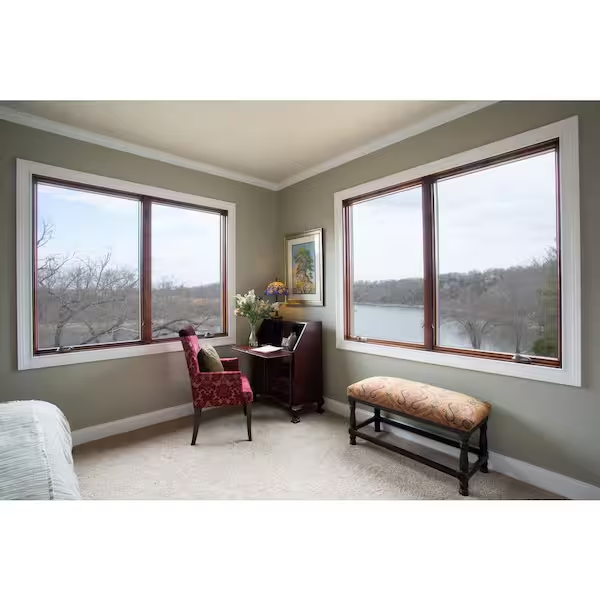
Casings are the molding that frames doors and windows. They add a finished, polished look and can be a significant design feature. Choose casing profiles that complement the home's architecture, from simple and modern to ornate and traditional.
Why it's the best: Casings add a finished, polished look to doors and windows. The molding frames and enhances these architectural features.
Best spaces: Any room with doors and windows.
16. Baseboard Molding
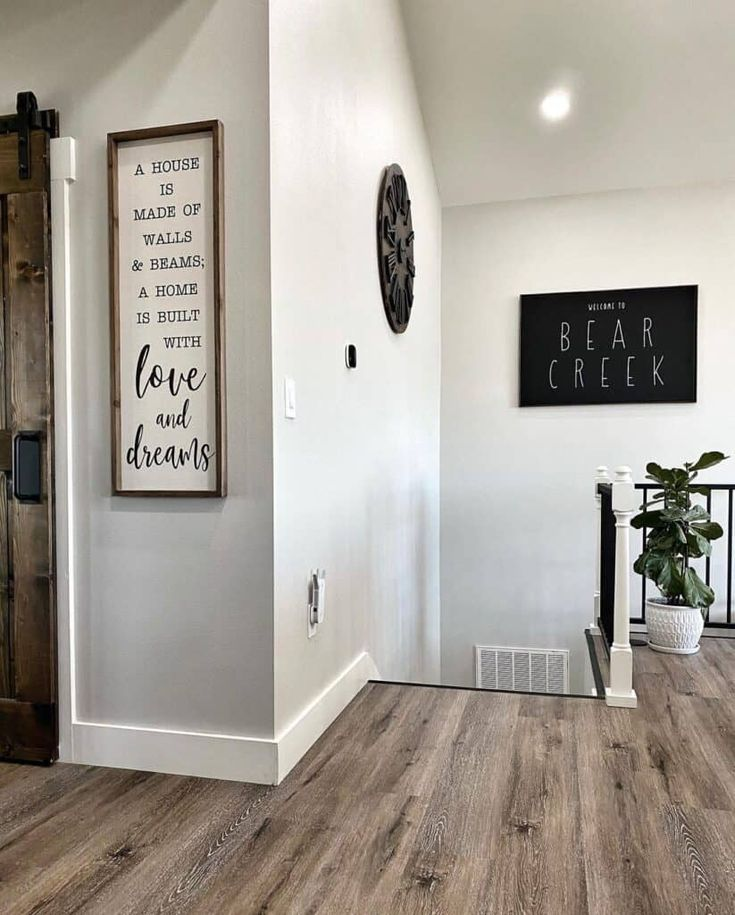
Baseboard molding is installed where the wall meets the floor, creating a finished transition. It protects the wall from damage and adds architectural detail. Baseboards come in a range of heights and profiles, from simple and understated to tall and ornate.
Why it's the best: Baseboards add a finished, polished look to the bottom of the wall. The molding protects walls and adds architectural detail.
Best spaces: Any room where you want a finished look.
17. Ceiling Coffers
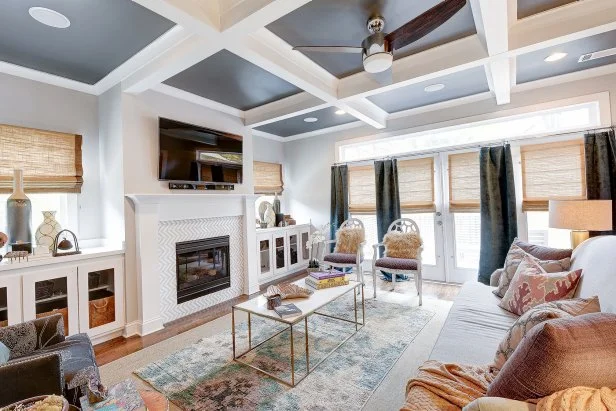
Ceiling coffers are a classic architectural detail where the ceiling is recessed in a grid pattern, creating a stunning, grand focal point. The coffers can be simple or ornate, painted or natural. This molding adds drama, elegance, and a sense of tradition to any room.
Why it's the best: Ceiling coffers add grandeur and architectural drama. The detail transforms the ceiling into a stunning focal point.
Best spaces: Dining rooms, living rooms, and formal spaces.
Bringing It All Together: Your Walls, Elevated
Adding wall molding is one of the single best investments you can make in your home’s interior design. It takes empty, uninspiring drywall and transforms it into a polished canvas bursting with character, depth, and custom craftsmanship. Whether you choose the subtle elegance of picture frame molding in a formal dining room or the cozy, textured charm of vertical board and batten in an entryway, architectural trim bridges the gap between a house that feels cookie-cutter and a home that feels entirely bespoke.
Tips for a Flawless Installation:
- Scale Matters: Always consider your ceiling height before choosing your molding size. High ceilings can handle tall, ornate baseboards and heavy crown molding, while standard 8-foot ceilings benefit from sleeker, more streamlined profiles.
- Test Your Paint First: Molding creates shadows. Before painting the entire room, paint a small test section to see how daylight and artificial overhead lighting interact with the new ridges and panels.
- Don't Skimp on the Prep: The secret to high-end molding isn't the wood itself—it’s the wood filler and caulk. Take your time sealing every nail hole and seam before your final coat of paint for that seamless, built-in look.
You don't need a massive renovation budget to give your home a high-end upgrade. Pick one room, select the molding style that speaks to your aesthetic, and start adding the architectural character your home deserves!