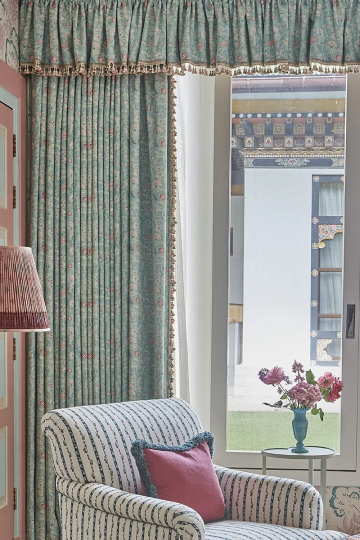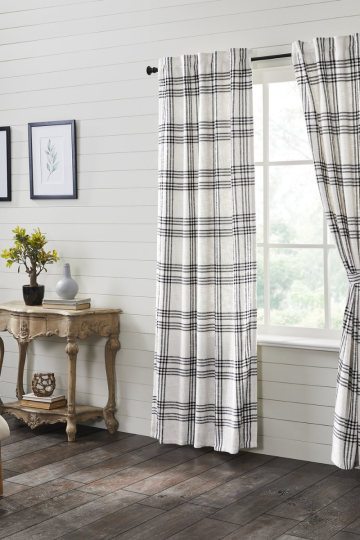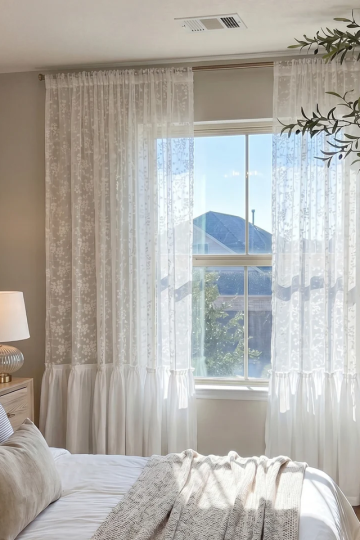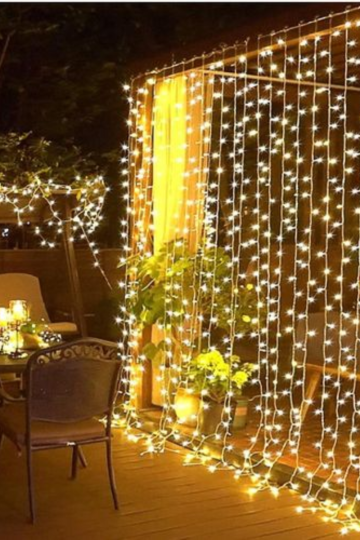
Layering curtains is one of the most powerful design techniques in interior decorating. It's the secret behind those effortlessly elegant windows you see in designer homes and luxury hotels. By combining different fabrics, colors, and textures, you can create window treatments that are not only visually stunning but also highly functional. Layering curtains adds depth, warmth, and a sense of sophistication that single-layer treatments simply cannot achieve.
The beauty of layered curtains lies in their versatility. They allow you to control light and privacy throughout the day while adding visual interest and texture to your space. A well-layered window can transform a room, making it feel cozier, more polished, and undeniably designer. From pairing sheers with drapes to combining different patterns and textures, the possibilities are endless.
Layering curtains isn't just about aesthetics—it also offers practical benefits. Multiple layers provide better insulation, helping to keep your home warm in winter and cool in summer. They also offer superior light control, allowing you to filter sunlight during the day and block it out completely at night. Here are 14 layering curtains ideas for depth, warmth, and designer style.
1. Sheer and Velvet Layering
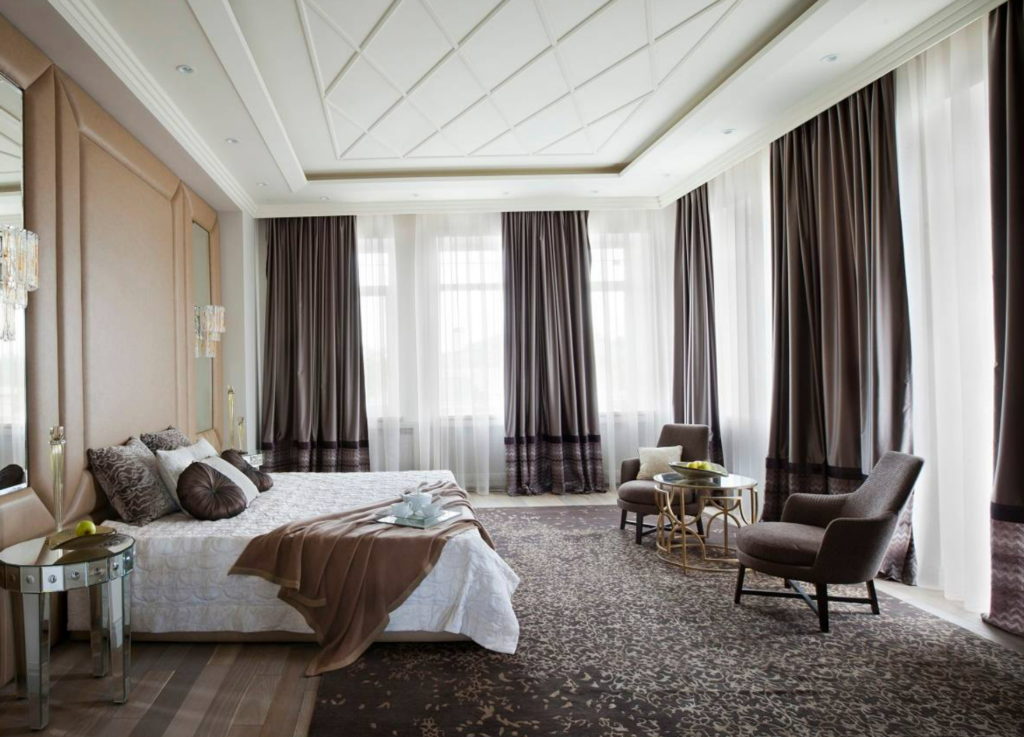
Pairing lightweight sheers with rich velvet drapes creates a stunning contrast that's both luxurious and inviting. The sheers soften the natural light during the day, while the velvet adds warmth, texture, and drama. This combination is perfect for creating a cozy, opulent atmosphere in living rooms and bedrooms.
The sheer layer allows you to enjoy natural light and outside views during the day, while the velvet drapes provide insulation and privacy at night. The contrast between the airy sheers and the heavy velvet creates visual interest and depth.
2. Patterned and Solid Layering
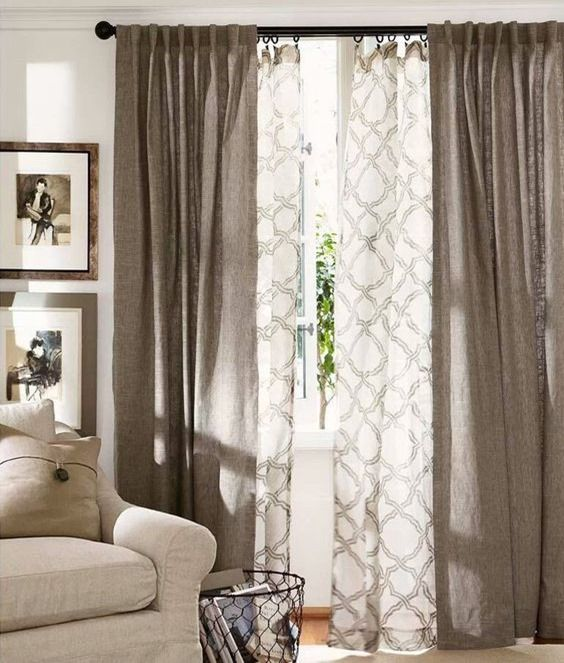
Layering patterned curtains with solid-colored curtains is a classic way to add visual interest without overwhelming the space. Choose a bold pattern for the outer layer and a subtle solid color from the pattern for the inner layer. This creates a cohesive, intentional look that's both stylish and sophisticated.
This approach works beautifully in living rooms, dining rooms, and bedrooms where you want to add personality without being too busy. The solid layer grounds the pattern, preventing it from feeling chaotic.
3. Linen and Cotton Layering
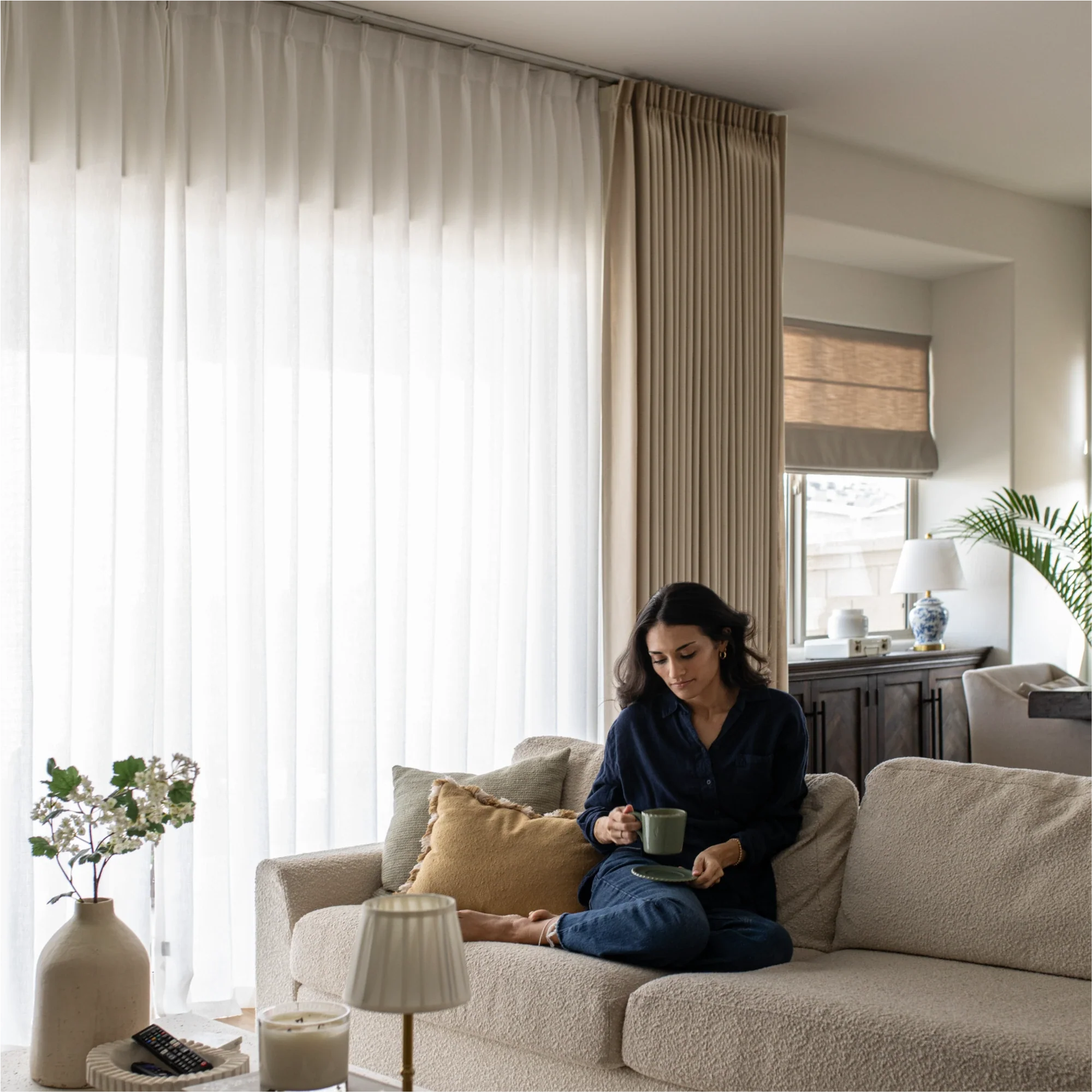
Combining linen and cotton curtains creates a relaxed, casual look that's perfect for farmhouse, coastal, and bohemian interiors. Linen's natural texture pairs beautifully with the crisp simplicity of cotton. This combination feels effortless, airy, and inviting.
Use linen as the outer layer for its beautiful texture and cotton as the inner layer for light filtration and privacy. The natural fabrics create a warm, organic look that's both stylish and comfortable.
4. Neutral and Bold Color Layering
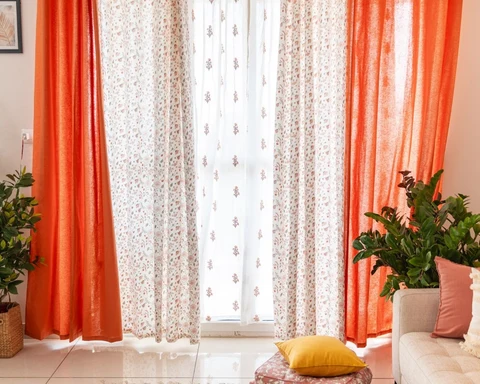
Layering a bold-colored curtain with a neutral sheer creates a striking, balanced look. The neutral sheer softens the bold color, preventing it from overwhelming the room. This technique allows you to incorporate a pop of color without committing to a fully saturated window treatment.
Choose a bold color like emerald green, navy blue, or deep burgundy for the outer layer, and a neutral white or beige sheer for the inner layer. The contrast is both dramatic and refined.
5. Two-Tone Sheer Layering
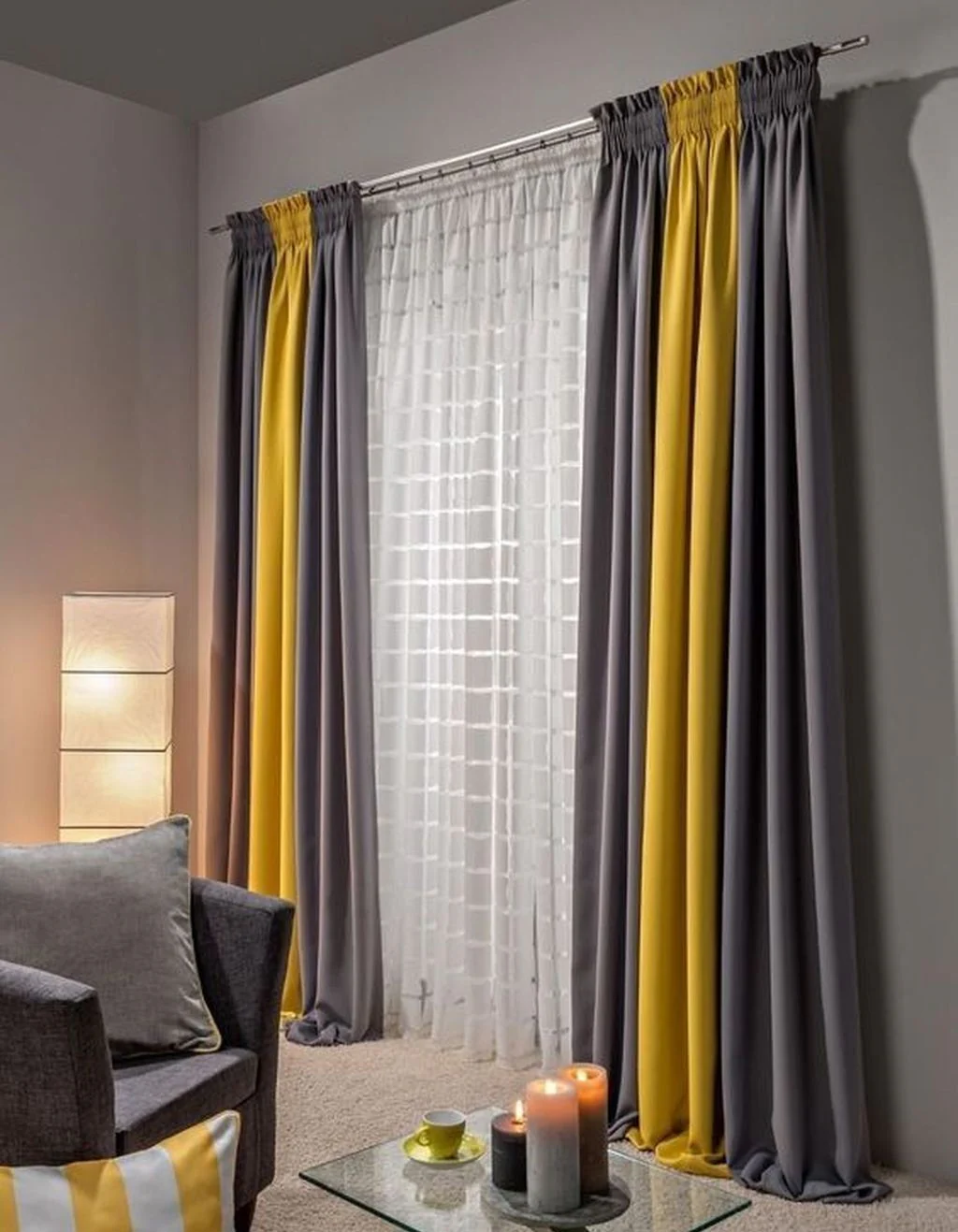
Using two different colors of sheer curtains creates a soft, dreamy effect that's both romantic and sophisticated. A sheer in a soft blush pink layered over a sheer in a pale lavender creates a beautiful, ethereal look that changes with the light.
This approach works beautifully in bedrooms, nurseries, and sunrooms where you want a soft, romantic atmosphere. The layered sheers create a beautiful, diffused light that's both calming and inviting.
6. Blackout and Thermal Layering
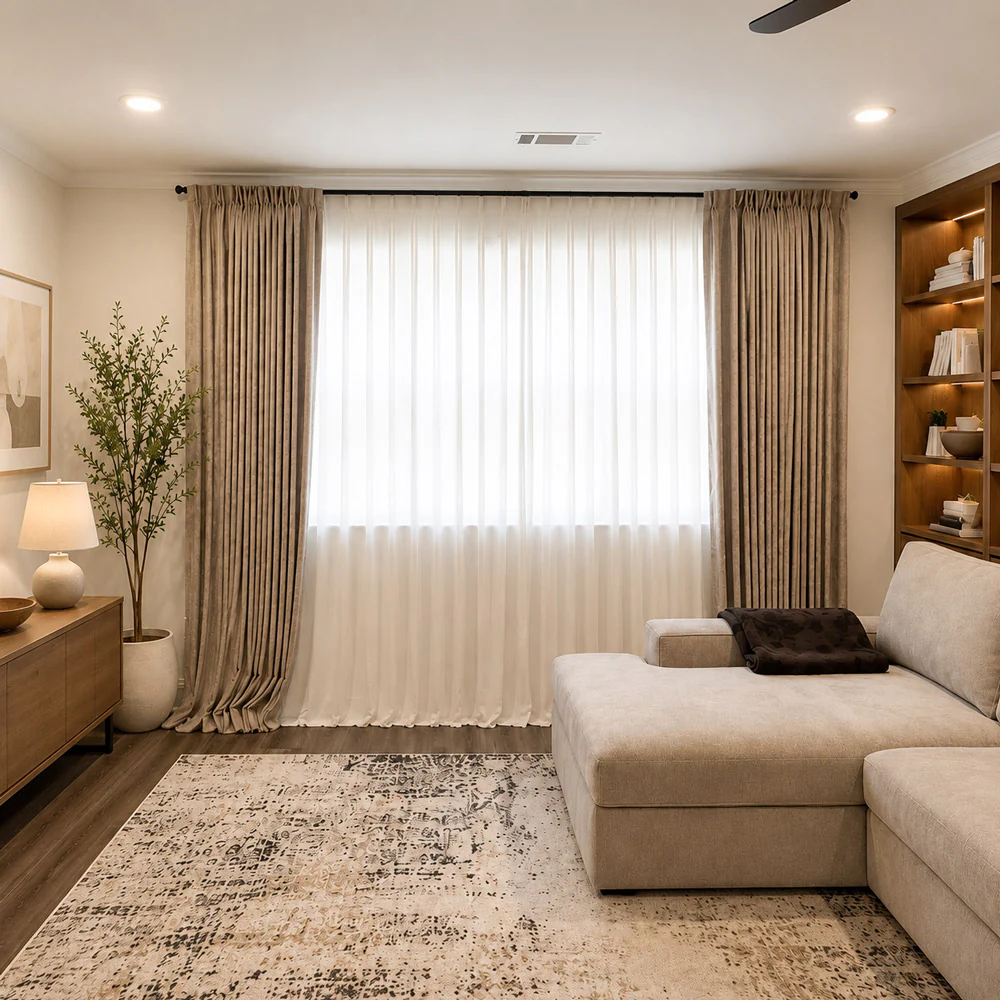
For the ultimate in energy efficiency and light control, layer blackout curtains with thermal curtains. The thermal layer provides insulation, while the blackout layer ensures complete darkness. This combination is perfect for bedrooms, home theaters, and rooms with drafty windows.
The thermal layer helps regulate room temperature, reducing energy costs, while the blackout layer ensures a dark, restful environment for sleep. This is a practical, stylish choice for any home.
7. Embroidered Sheer and Solid Drape Layering
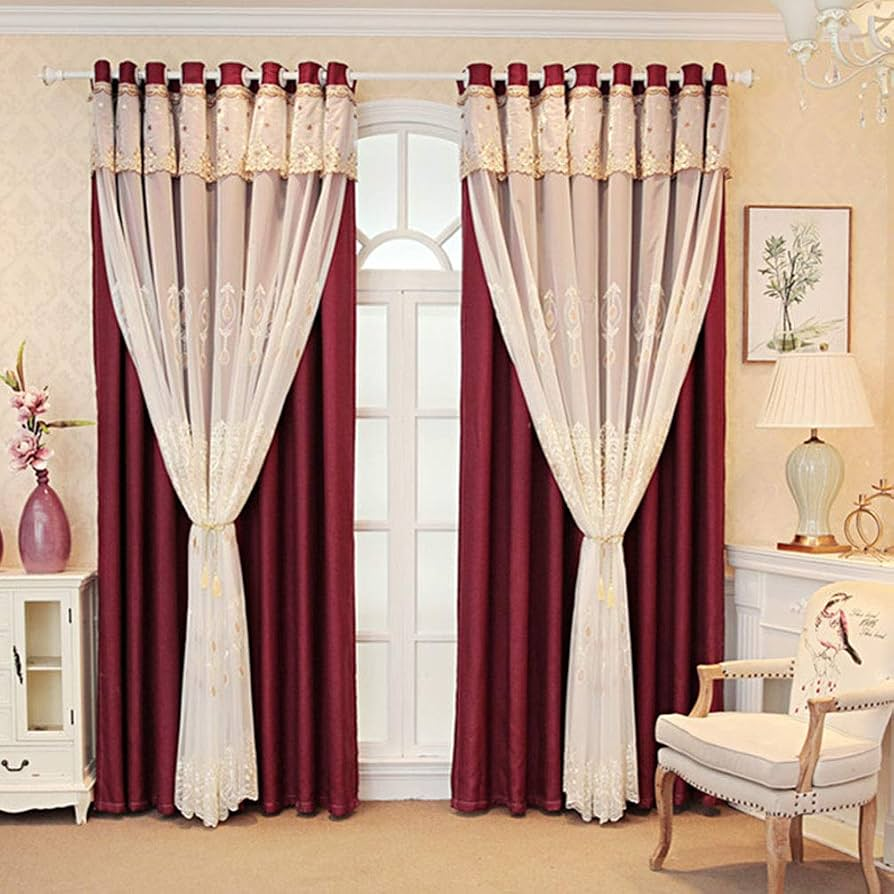
Pair an embroidered sheer with a solid drape for a luxurious, refined look. The embroidery on the sheer creates a delicate, elegant effect when light filters through, while the solid drape provides privacy and light control. This combination is perfect for formal living rooms and bedrooms.
The embroidered sheer adds a layer of artistry and detail to the window treatment, while the solid drape keeps the embroidery as the focal point. The contrast between the delicate embroidery and the solid fabric is both beautiful and sophisticated.
8. Ombré and Solid Layering
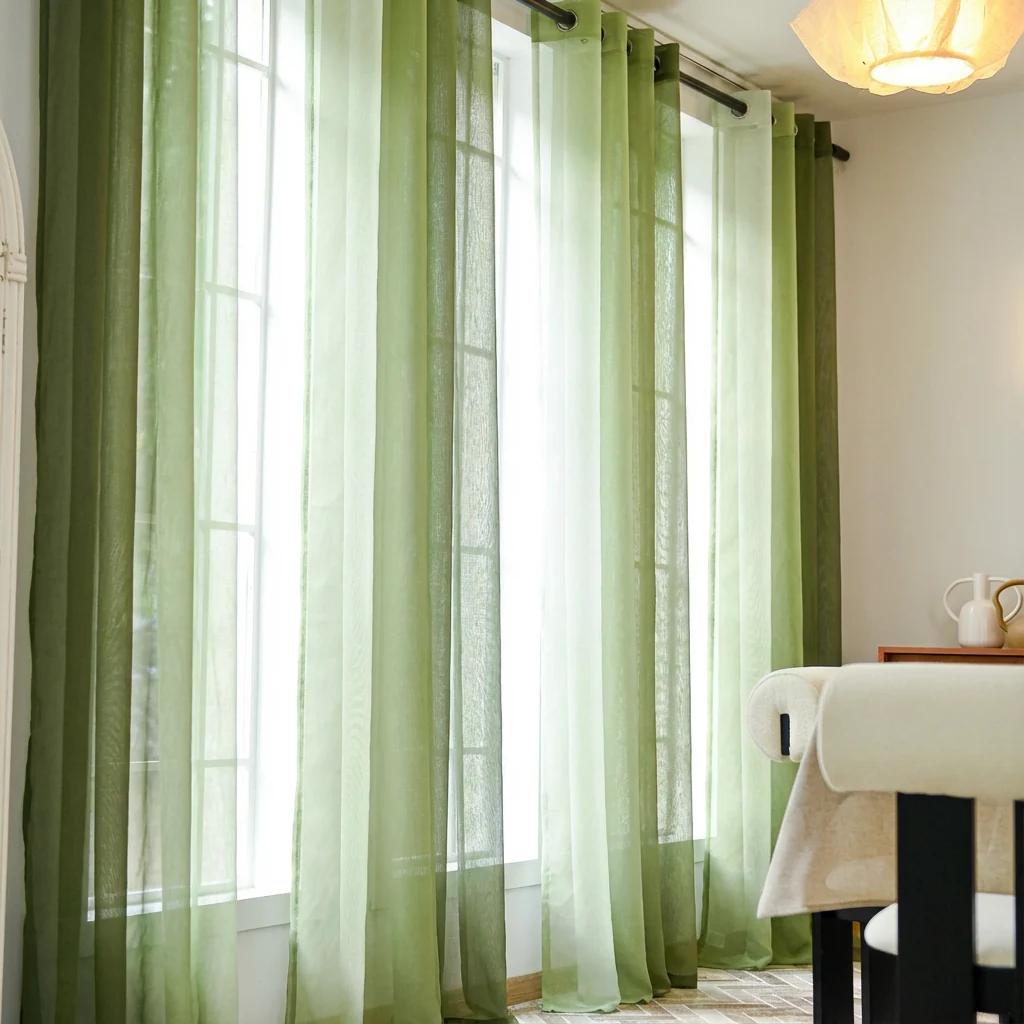
Layering an ombré curtain with a solid-colored curtain creates a stunning, artistic effect. The gradient of the ombré adds visual interest, while the solid layer grounds the design. This combination is both modern and elegant.
Choose an ombré curtain that transitions from light to dark, and pair it with a solid curtain in one of the ombré colors. The layered effect is both sophisticated and eye-catching.
9. Textured and Smooth Layering
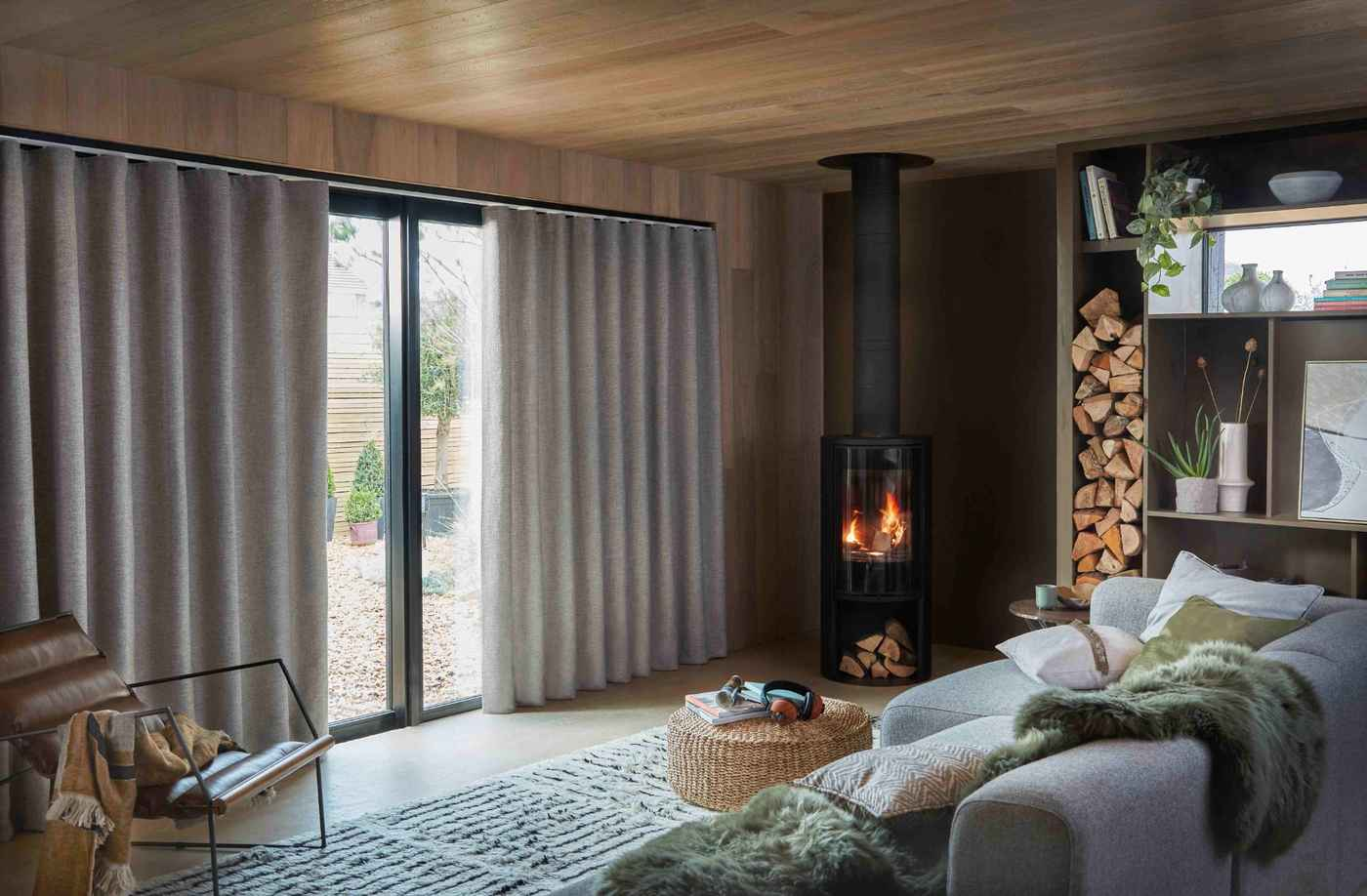
Layering a textured curtain with a smooth, sleek curtain creates a beautiful contrast that adds depth and visual interest. A chunky knit or woven texture paired with a smooth silk or polyester creates a tactile, luxurious look.
This approach works beautifully in living rooms and bedrooms where you want to add warmth and texture. The contrast between the textures creates a rich, layered look that feels both cozy and sophisticated.
10. Vintage and Modern Layering
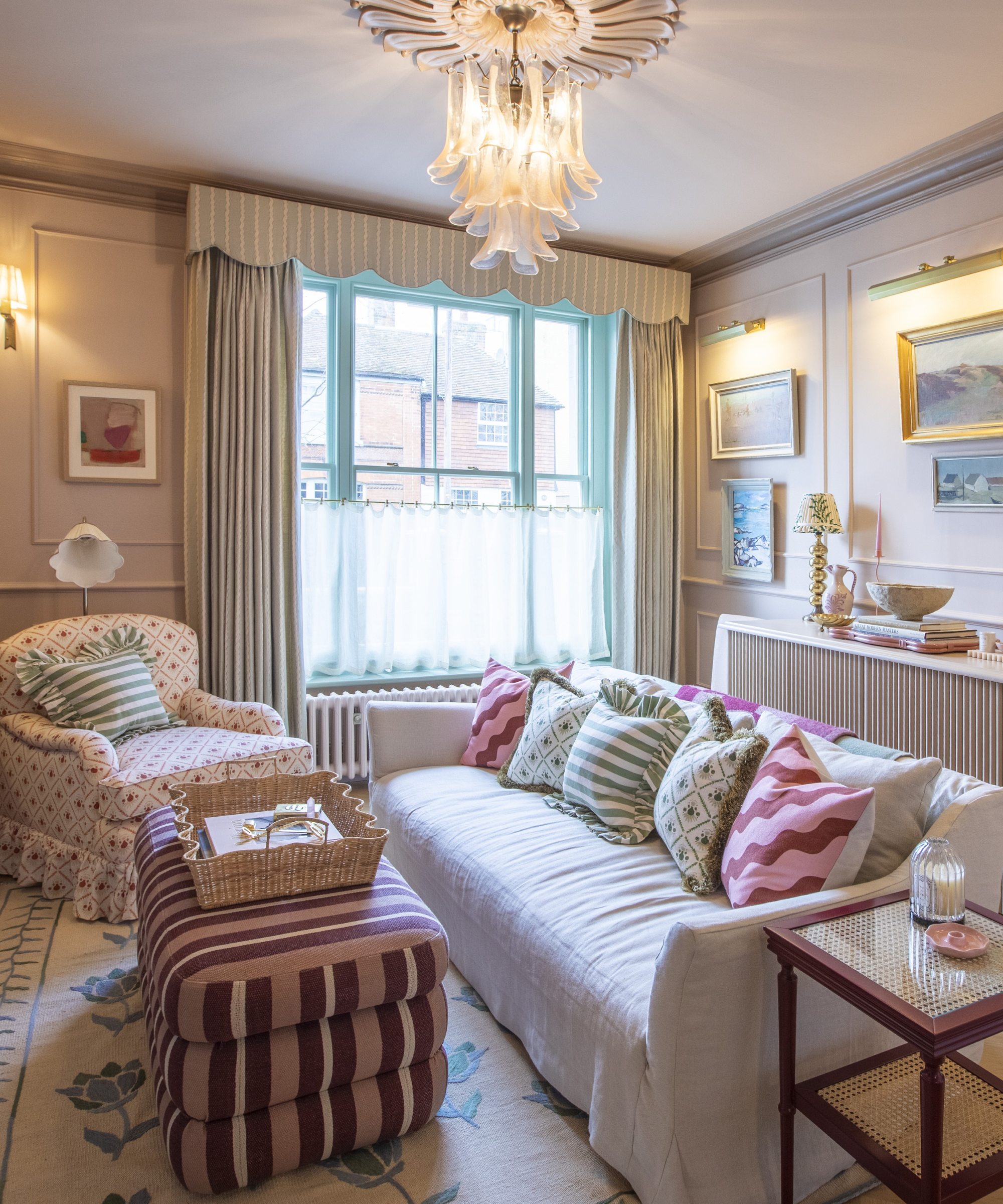
Combine vintage-inspired curtains with modern, minimalist curtains for an eclectic, personalized look. A vintage floral or lace curtain layered over a modern solid creates a unique, one-of-a-kind window treatment that reflects your personal style.
This combination is perfect for bohemian, eclectic, and maximalist interiors. The mix of old and new creates a rich, layered look that's full of personality and charm.
11. Neutral and Metallic Layering
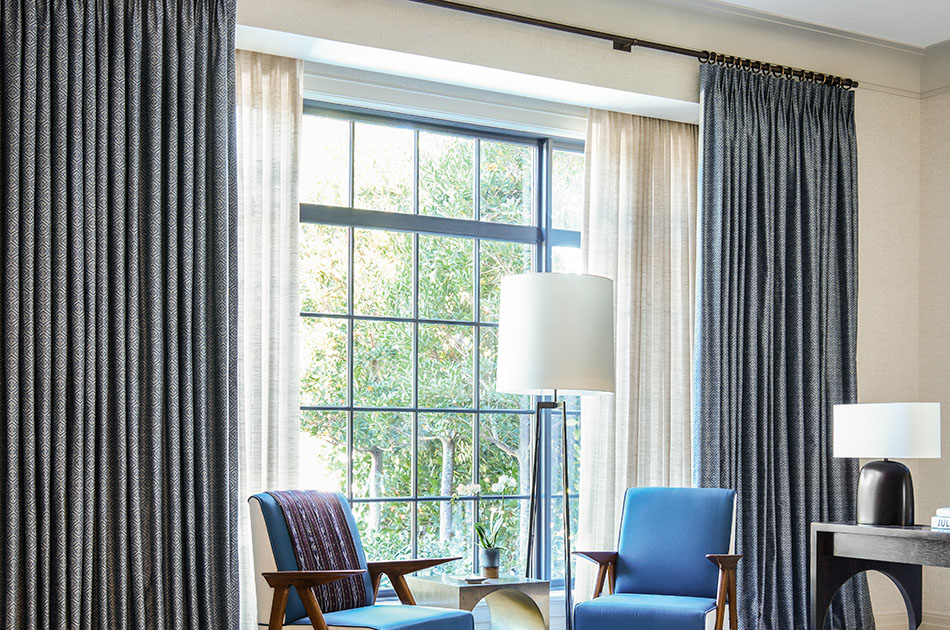
Layering a neutral curtain with a metallic or shimmering curtain adds a touch of glamour to any room. The metallic layer catches the light beautifully, creating a subtle, elegant sparkle. This combination is perfect for formal living rooms and dining rooms.
Choose a neutral like beige, gray, or cream for the inner layer and a metallic like gold, silver, or bronze for the outer layer. The subtle shimmer adds a touch of luxury without being overwhelming.
12. Striped and Solid Layering
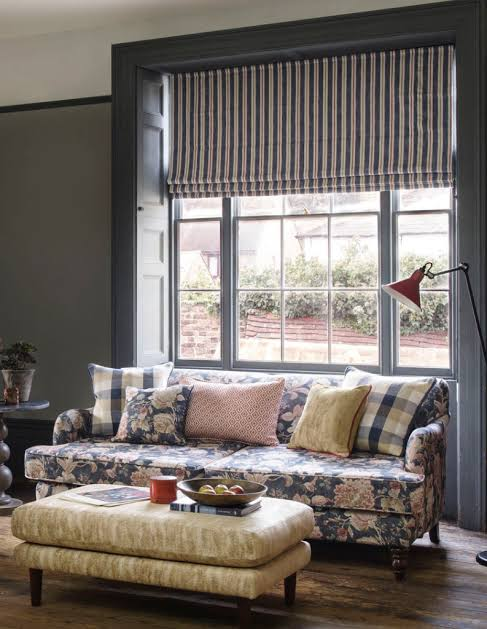
Layering striped curtains with solid curtains creates a classic, timeless look that's both stylish and versatile. The stripes add visual interest and can create the illusion of height or width, while the solid layer grounds the design.
Choose vertical stripes for the outer layer to make the window appear taller, and a solid color that complements the stripes for the inner layer. The combination is both sophisticated and timeless.
13. Warm and Cool Tone Layering
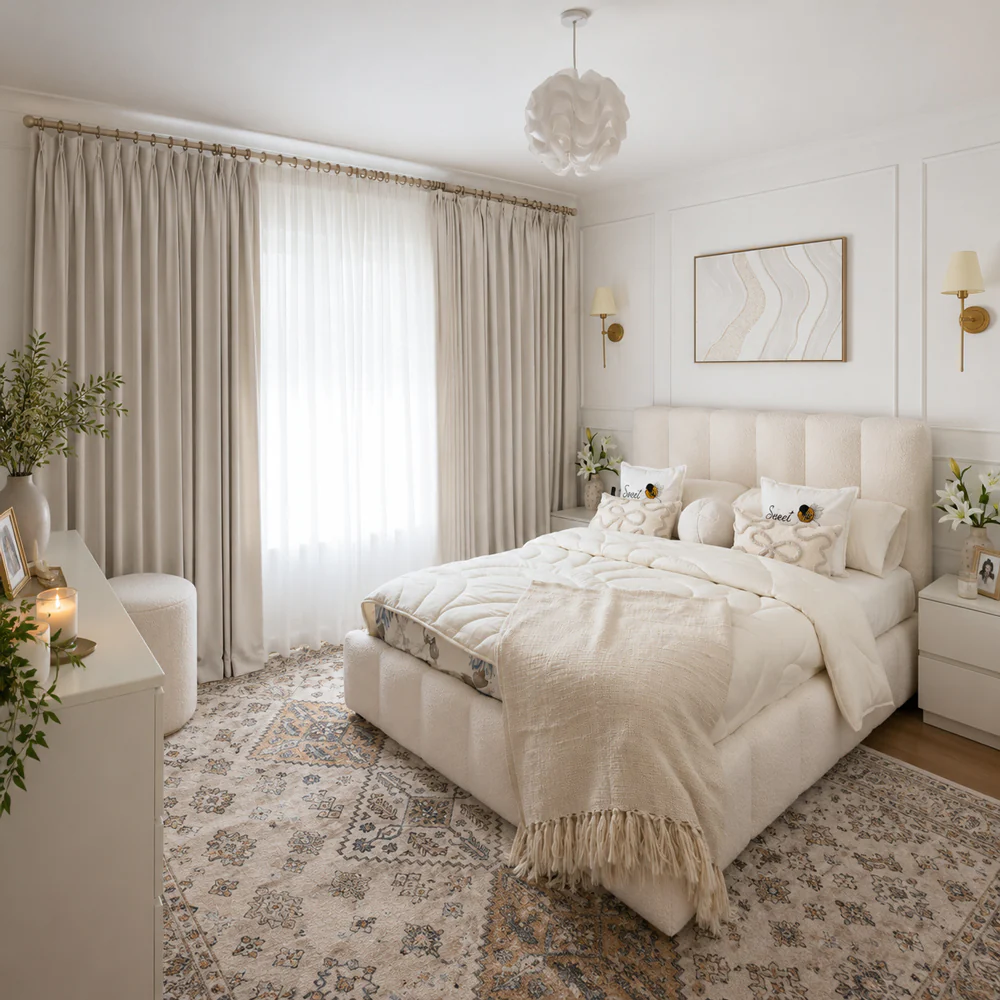
Layering warm-toned curtains with cool-toned curtains creates a balanced, harmonious look. A warm beige or cream paired with a cool blue or gray creates a beautiful contrast that's both calming and inviting.
This approach works beautifully in any room, from living rooms to bedrooms. The balance of warm and cool tones creates a space that feels both cozy and refreshing.
14. Seasonal Layering
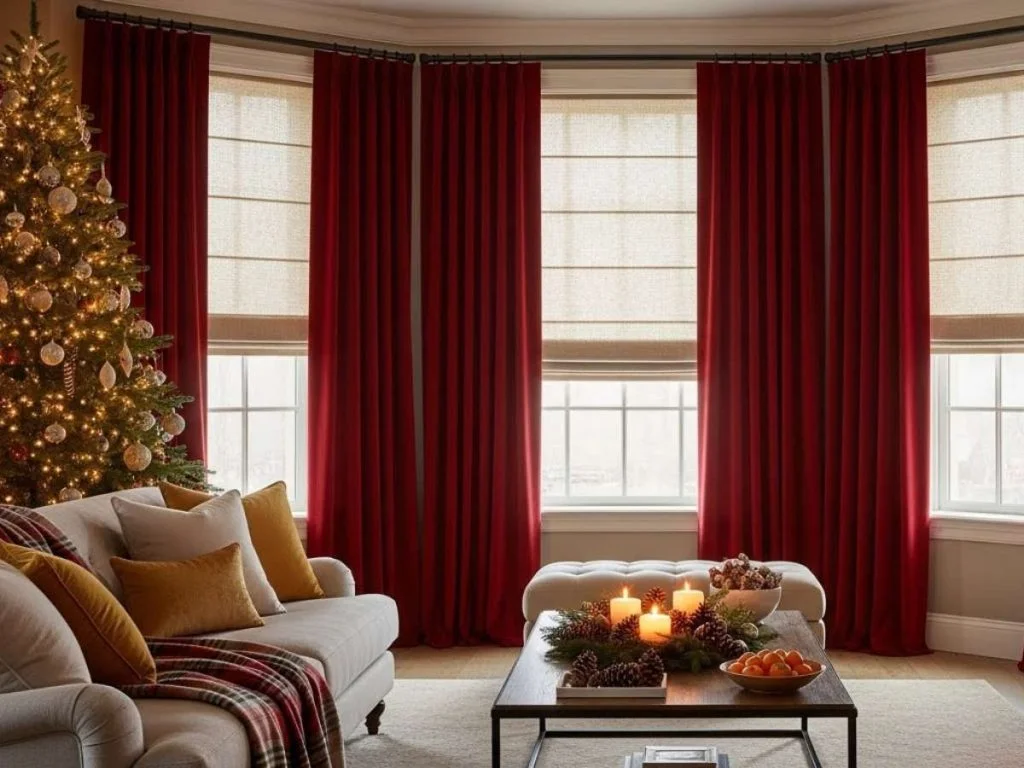
Layering curtains allows you to easily change your window treatments with the seasons. In spring and summer, use two layers of light, breezy fabrics. In fall and winter, swap the outer layer for a heavy, insulating fabric while keeping the inner layer consistent.
Keep the inner layer as a neutral sheer year-round, and switch the outer layer to match the season. This is a practical, cost-effective way to update your home's look throughout the year.
Helpful Tips for Layering Curtains
Start with a Neutral Base: Choose a neutral sheer or light-filtering curtain as your base layer. This provides a versatile foundation that works with any outer layer you choose.
Mix Textures Thoughtfully: Combining different textures—like smooth silk with chunky knit or crisp linen with plush velvet—adds depth and visual interest. The contrast between textures is what makes layered curtains look designer.
Consider the Light: Think about how much light you want in the room during different times of day. A light-filtering inner layer and a room-darkening outer layer give you maximum flexibility.
Don't Forget the Hardware: Layered curtains need sturdy hardware that can support the weight of multiple layers. Double rods or heavy-duty single rods are essential for a professional look.
Play with Lengths: Layering curtains of different lengths can create a unique, artistic look. A shorter valance layered over floor-length curtains adds a touch of formality and polish.
Frequently Asked Questions
Q: What is the best way to layer curtains?
A: The best way to layer curtains is to use a double rod system. Place a light-filtering or sheer curtain on the inner rod (closest to the window) and a heavier curtain on the outer rod. This gives you independent control over each layer.
Q: Can I layer curtains without a double rod?
A: Yes, some layered curtains have a sheer sewn directly onto an opaque curtain, but this only requires one rod. However, its functionality is limited, as you can only move the two panels as one. A double rod offers more flexibility.
Q: What fabrics work best for layering?
A: Light, breathable materials like linen and cotton pair well with heavier fabrics like velvet and thermal-lined polyester. The combination of different weights and textures creates visual interest and depth.
Q: Do layered curtains help with insulation?
A: Yes, two layers of fabric create an air pocket between the window and your room, acting as insulation. This helps keep your room warmer in winter and cooler in summer, potentially reducing energy bills.
Q: Can I layer curtains on a single rod?
A: Yes, you can use a single rod if your curtains have a sheer attached to a heavier curtain. You can also use curtain rings with clips to hang two panels on one rod, though this may limit the ability to open and close each layer independently.
Q: Are layered curtains suitable for small windows?
A: Yes, layered curtains can work on small windows. They add depth and visual interest without overwhelming the space when mounted properly. Choose lighter fabrics and avoid overly bulky layers.
Conclusion
Layering curtains is a powerful design technique that adds depth, warmth, and a sense of sophistication to any room. From pairing sheers with velvets to mixing patterns and textures, the possibilities are endless. Layered curtains allow you to control light and privacy while creating a rich, textured look that feels both inviting and designer.
Whether you choose a classic sheer and velvet combination for a formal living room or a playful pattern and solid pairing for a bedroom, these 14 layering curtains ideas will help you achieve the perfect window treatment. Embrace the art of layering and transform your windows into stunning, designer-style features.