
For fine hair, the right layered bob is transformative—it can create the illusion of density, lift the face, and feel effortlessly polished. The key is strategic layering: enough to build volume, but not so much that it thins out the ends. Here are 17 ideas tailored for women over 60, each with the specific details that make them work.
Why Layered Bobs Work for Fine Hair After 60
Fine hair tends to lose density with age, and a blunt, one-length bob can sometimes fall flat against the head. The right layering releases weight and allows the hair to move, creating lift at the crown and fullness around the face . As stylist Michael Lendon notes, a graduated cut "does a lot of the hard work for you" because internal layering creates natural fullness without relying on heavy styling .
The 17 Best Layered Bob Ideas
1. The Stacked Bob
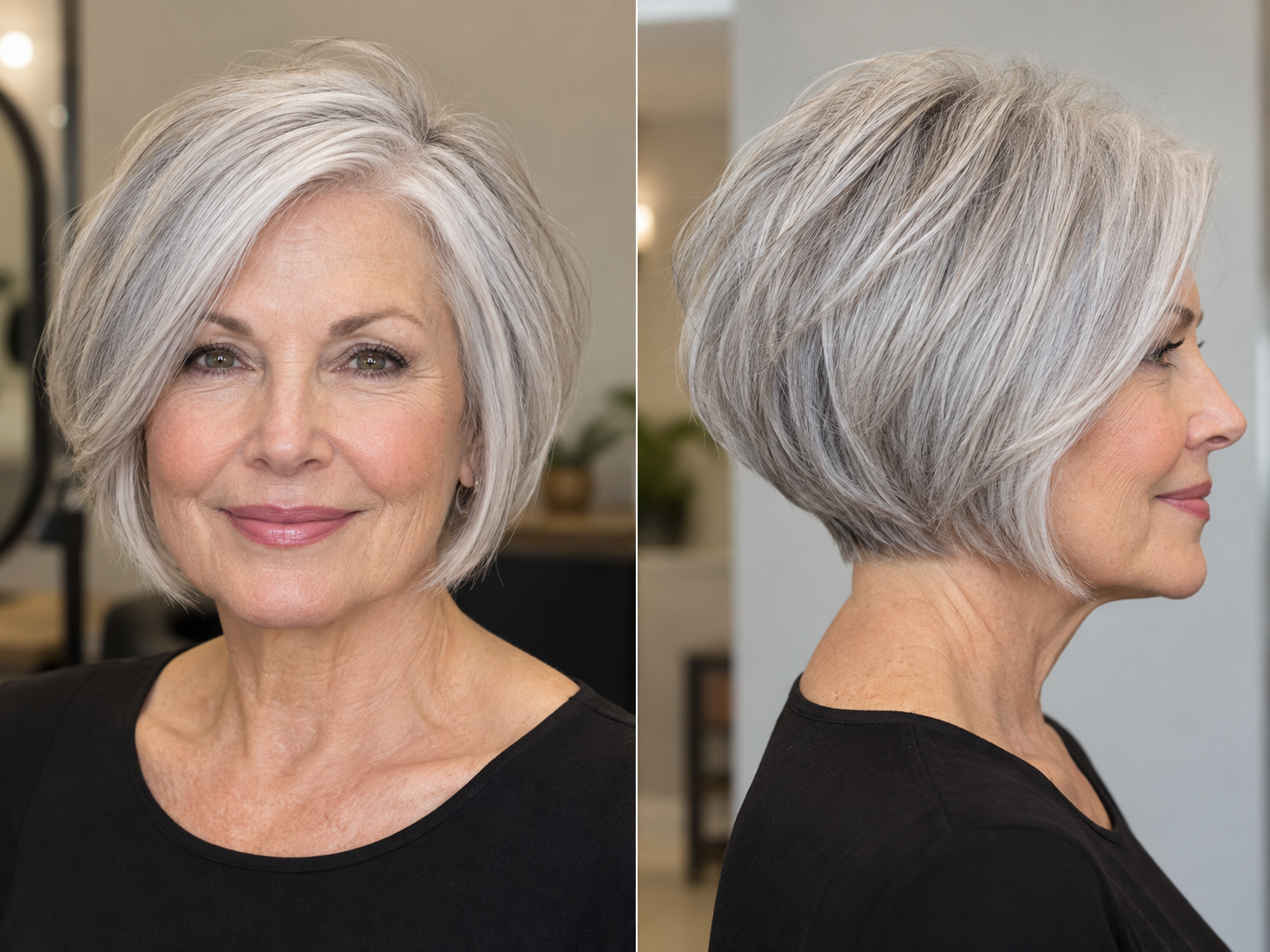
The stacked bob is defined by shorter layers through the back that are "stacked" to create a rounded, lifted shape. It’s a modern take on the classic graduated bob, with softer, more wearable lines. For fine hair, the internal graduation creates instant density and lift at the crown, so the style looks fuller without daily effort .
Key detail: Ask for shorter layers at the nape that build length toward the front. This shape opens up the face and highlights the bone structure .
2. The Aero Bob
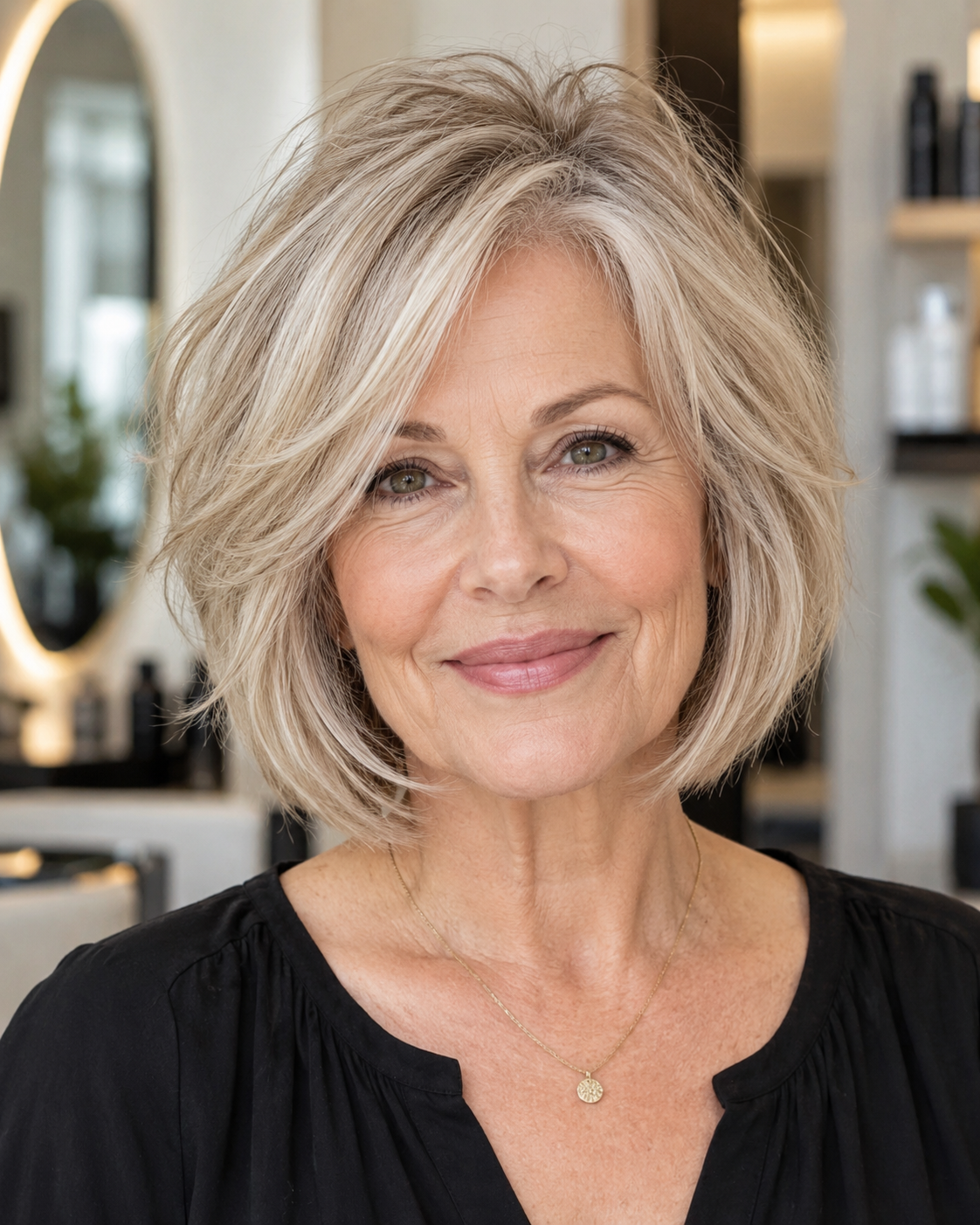
The aero bob is a weightless, breezy take on the classic bob, softly layered with a focus on movement and airiness rather than structure. It sits between the chin and collarbone and is ideal for fine to medium hair. The cut removes weight through the crown and around the fringe area, which creates serious root lift .
Key detail: Ask for "internal layers and soft feathered ends" rather than blunt lines. The goal is movement and airiness, not structure .
3. The Soft Italian Bob
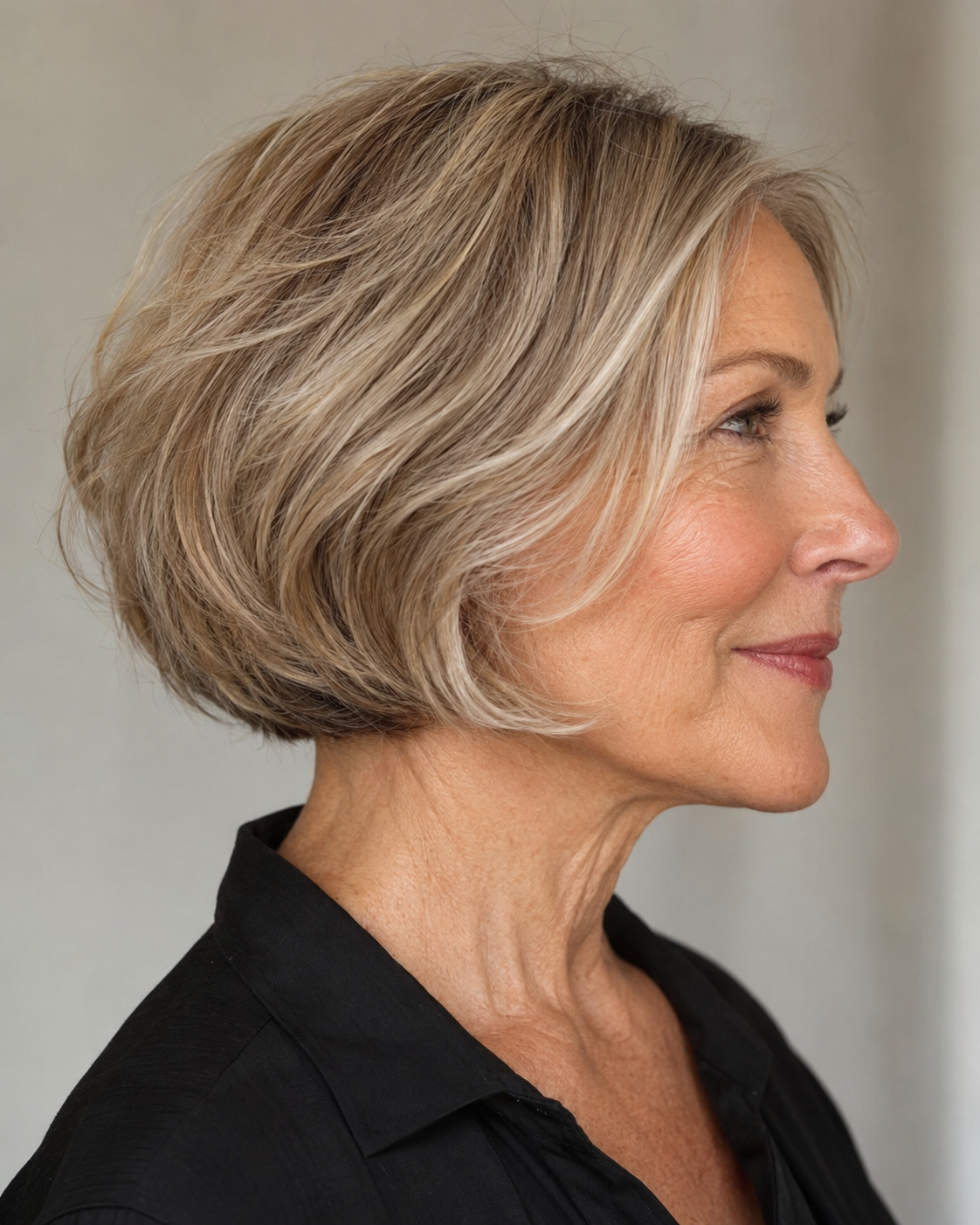
The Italian bob sits around the jawline or slightly below, with soft texture and movement rather than a sharp, blunt edge. The softness is what makes it flattering around the jaw and cheekbones, and it works particularly well on fine to medium hair .
Key detail: Request soft texture through the ends and a slight bend through the mid-lengths when styling. A shine spray or lightweight oil keeps it looking healthy and polished .
4. The Feathered Bob
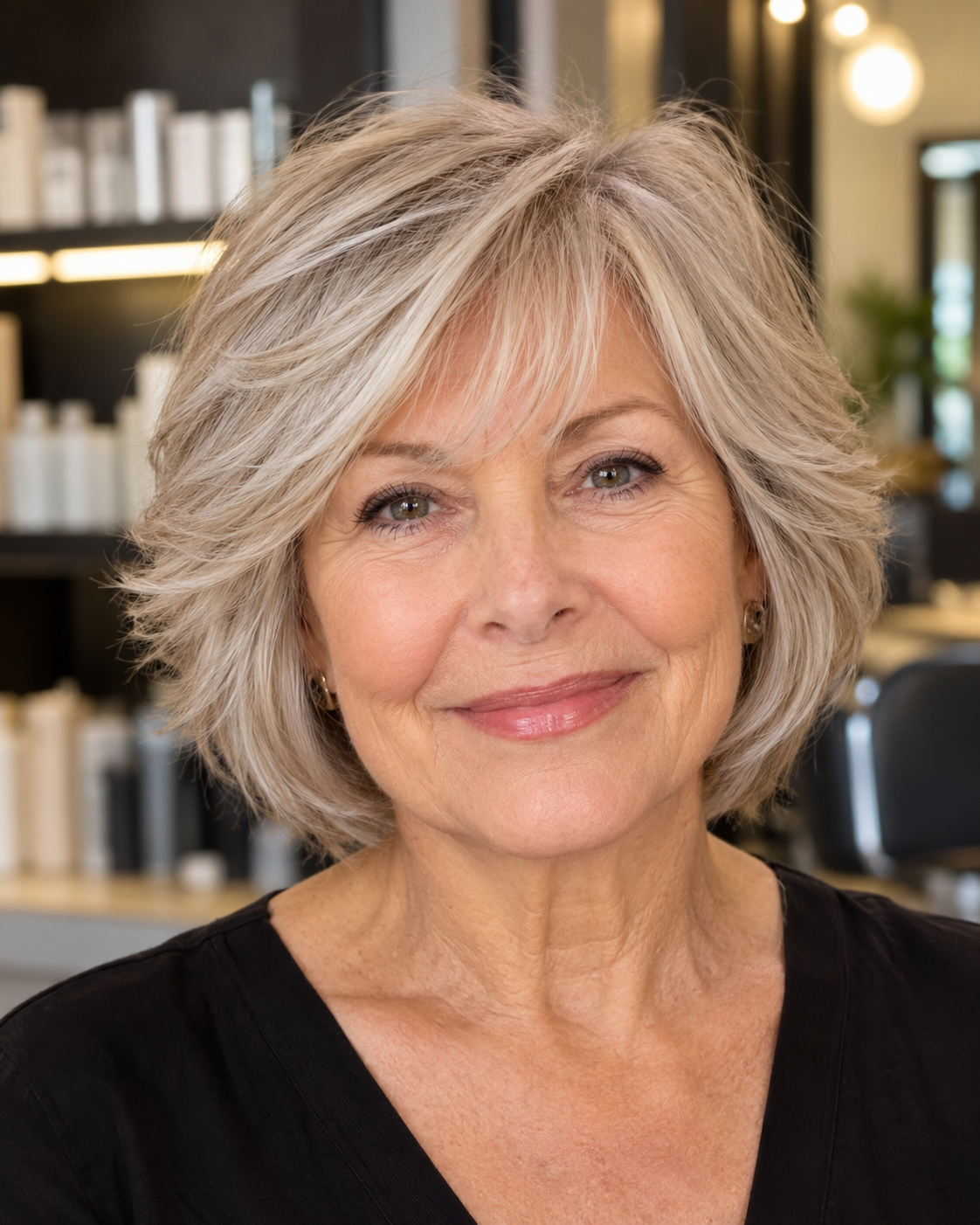
The feathered bob uses point cutting, slicing, or razor work through the mid-lengths and ends so the hair tapers into light, airy pieces. Feathering refines how the ends behave, making them look gentler and more fluid. This technique builds volume without relying on heavy layering .
Key detail: The feathering directs hair away from the face, which enhances the airy finish. It’s particularly flattering on fine to medium hair because it boosts volume while keeping the cut light .
5. The Curtain Call Bob
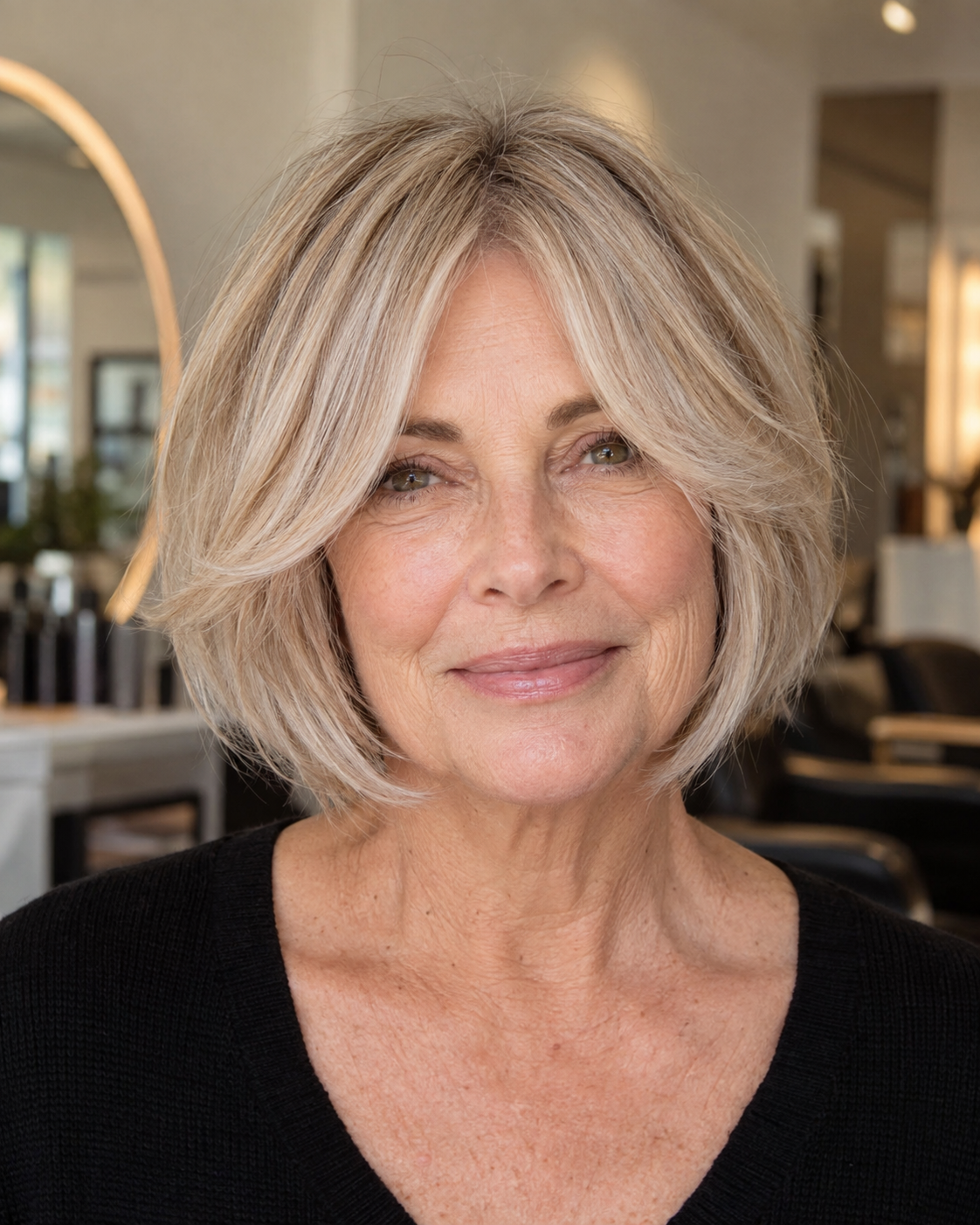
This style pairs a middle-parted fringe with a soft, slightly layered bob. The U-shaped or Bardot-inspired fringe blends seamlessly into the bob and draws attention to the eyes and cheekbones without feeling heavy. Shorter lengths create the illusion of density, while the fringe adds shape around the front .
Key detail: The center split keeps the style light and grows out gracefully. Air-dried texture with movement looks thicker than pin-straight styling .
6. The Fluffy Layered Bob
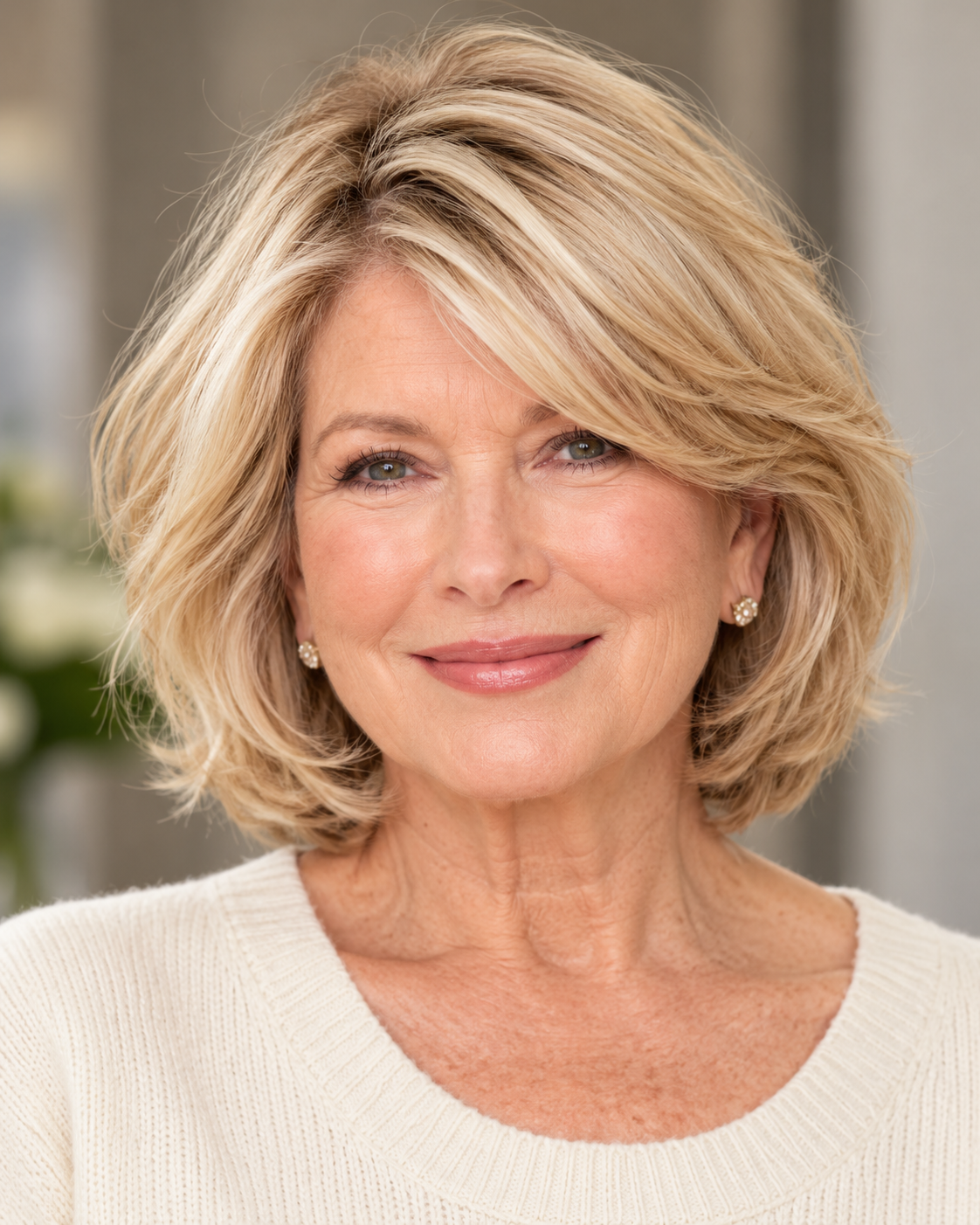
A fluffy layered bob with face-framing pieces maintains volume and is fun to style—think of the effortless, tousled look often seen on women like Martha Stewart. The layers are placed to create softness and movement around the face while keeping the overall shape full .
Key detail: Face-framing pieces are essential here. They add shape and lift without removing weight from the perimeter .
7. The Soft-Layered Silver Bob
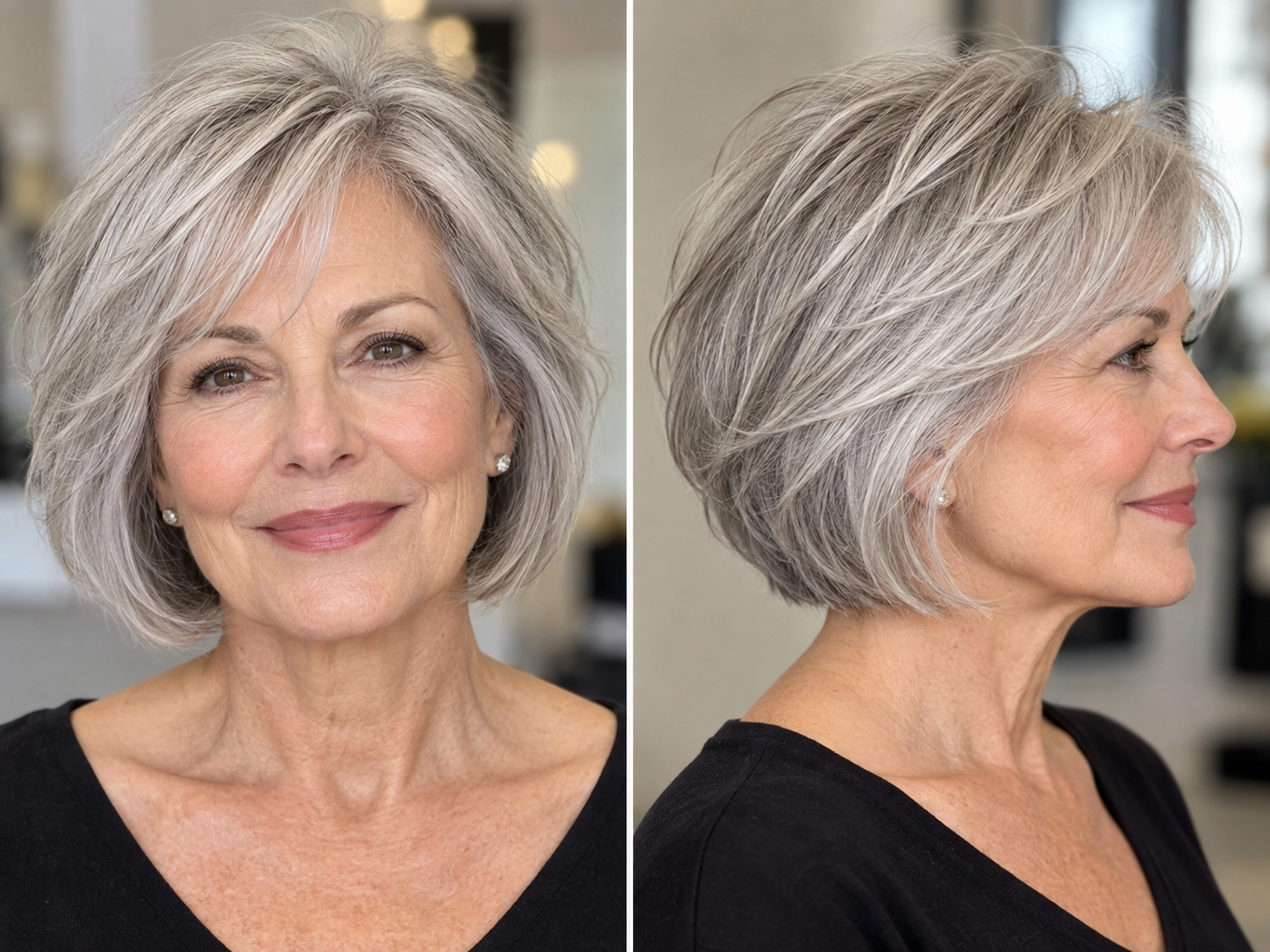
This cut works with natural silver texture rather than trying to flatten it. Strategic, wispy layers at the crown create a subtle lift that helps disguise scalp visibility—one of the biggest concerns with thinning hair. The softness through the cut also works beautifully on natural texture .
Key detail: Ask for strategic layers at the crown, not all-over layering. Over-layering can make the ends look sparse .
8. The Graduated Bob
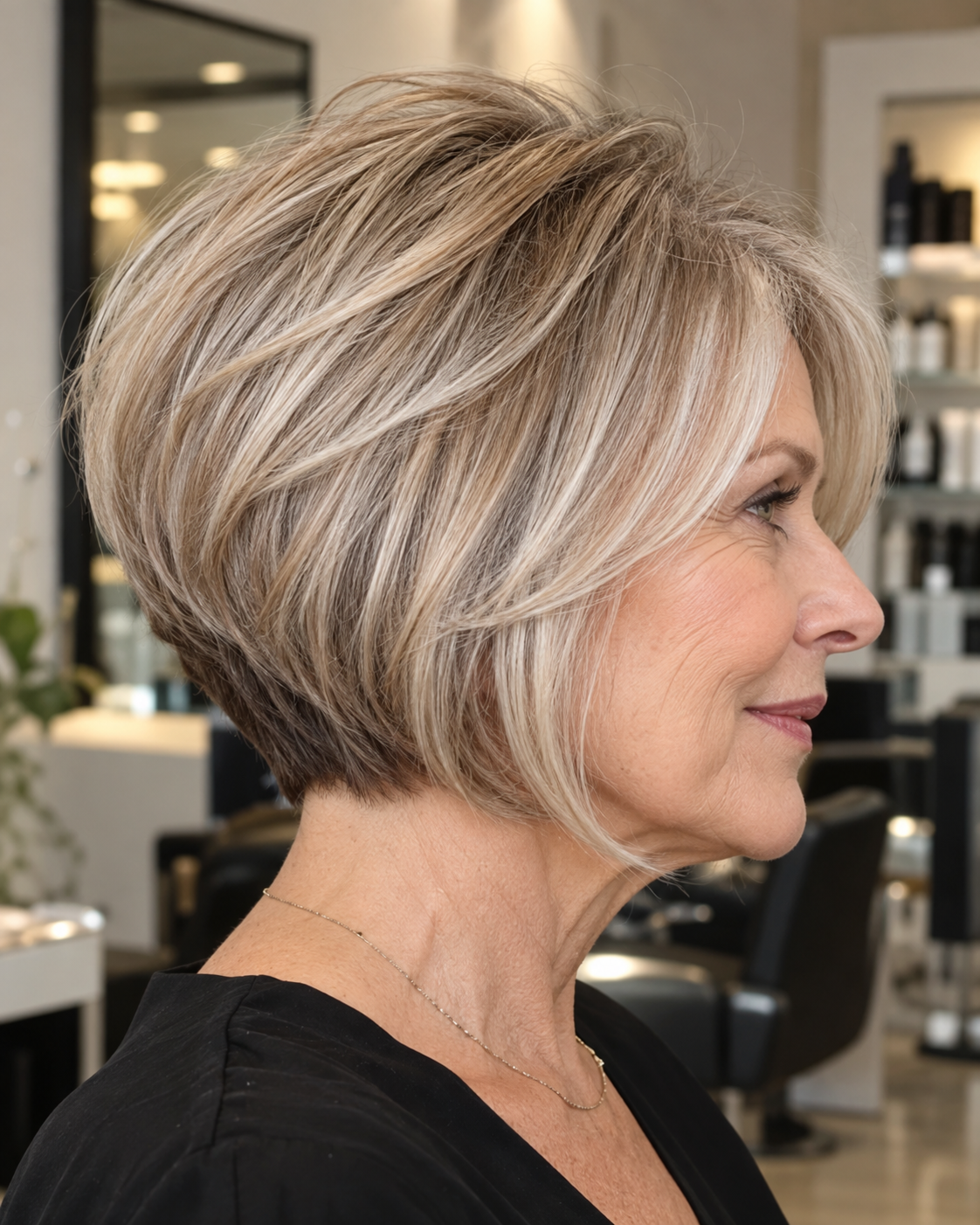
The graduated bob (sometimes called the "power bob") is shorter at the back and gradually longer toward the front, with subtle layering and stacking at the nape. Modern versions are softer than the sharp Y2K iterations, with more relaxed, wearable lines. The short layers at the back lift the hair at the crown, while longer front sections frame the face .
Key detail: Regular trims every six to eight weeks maintain the clean structure, but everyday styling stays minimal because the graduation already creates the volume .
9. The Elfin Bob
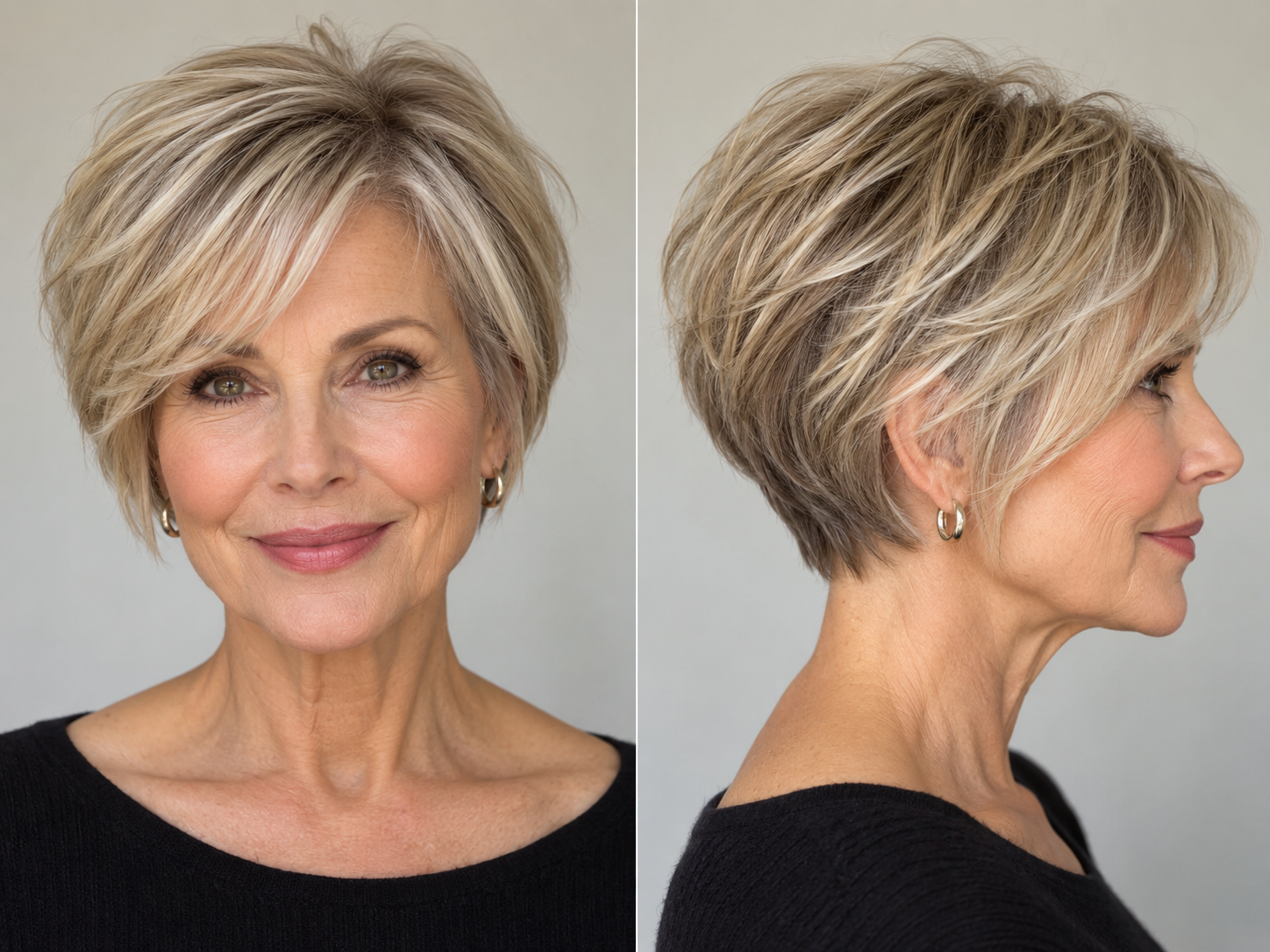
The elfin bob sits between a bixie and a short bob, with a short back and layers snipped from the crown to a tapered nape. The layers add movement and allow a stylist to create the illusion of thickness through the cut. It’s chic and low-maintenance, though it does require regular trims .
Key detail: This cut flatters all face and head shapes because the layers create a beautiful silhouette. It’s not versatile for tying back, so consider your lifestyle before committing .
10. The Hybrid Bob (Blunt Perimeter + Invisible Layers)
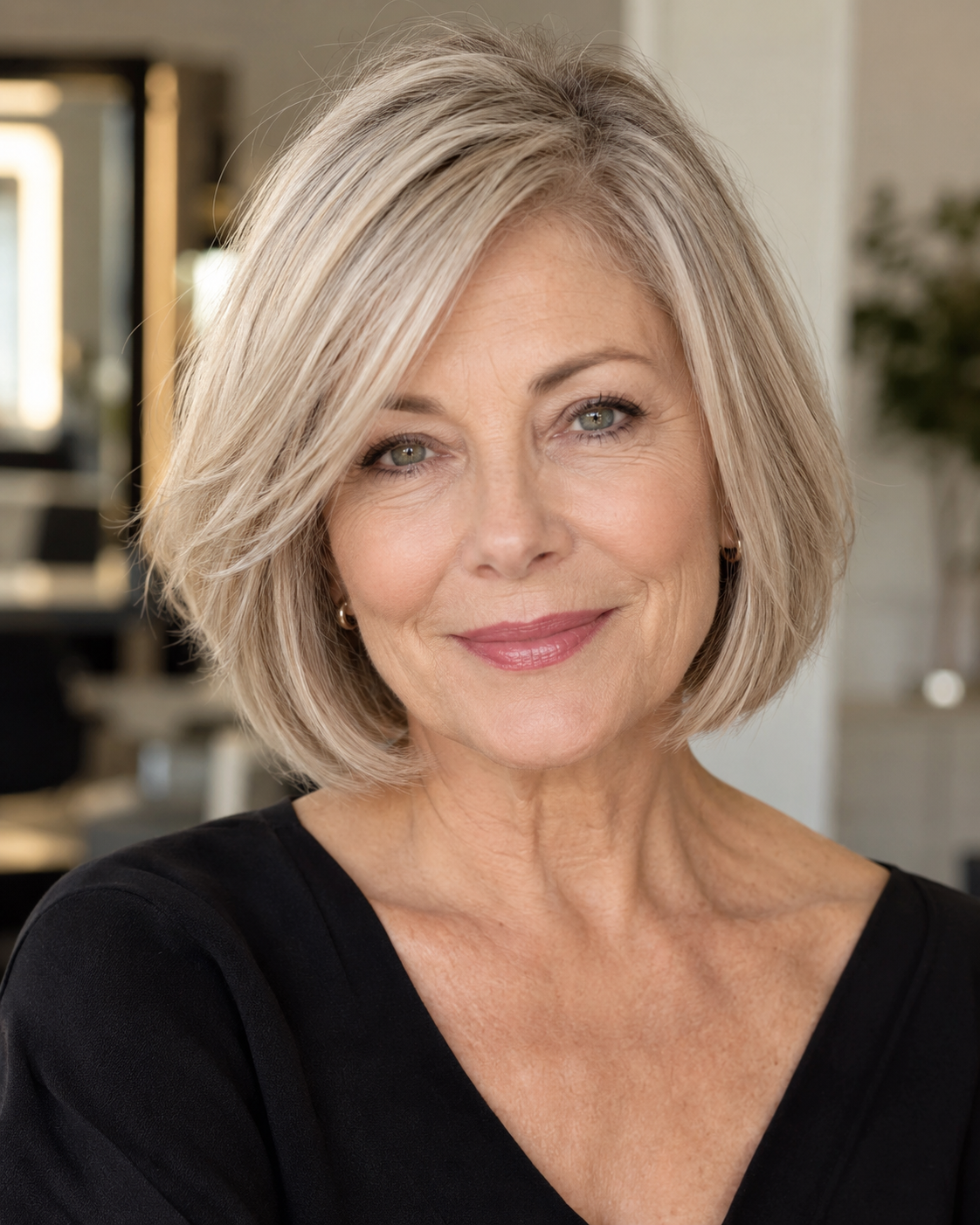
For fine hair, the smartest approach is often a hybrid: a compact baseline with subtle internal layers. This protects density at the ends while still creating movement and lift where you need it. It’s the most adaptable option because it addresses both flatness and thin ends .
Key detail: Instead of asking for "more layers," describe the result: "fullness at the ends, lift at the crown, movement around the cheekbones" .
11. The Chin-Length Layered Bob
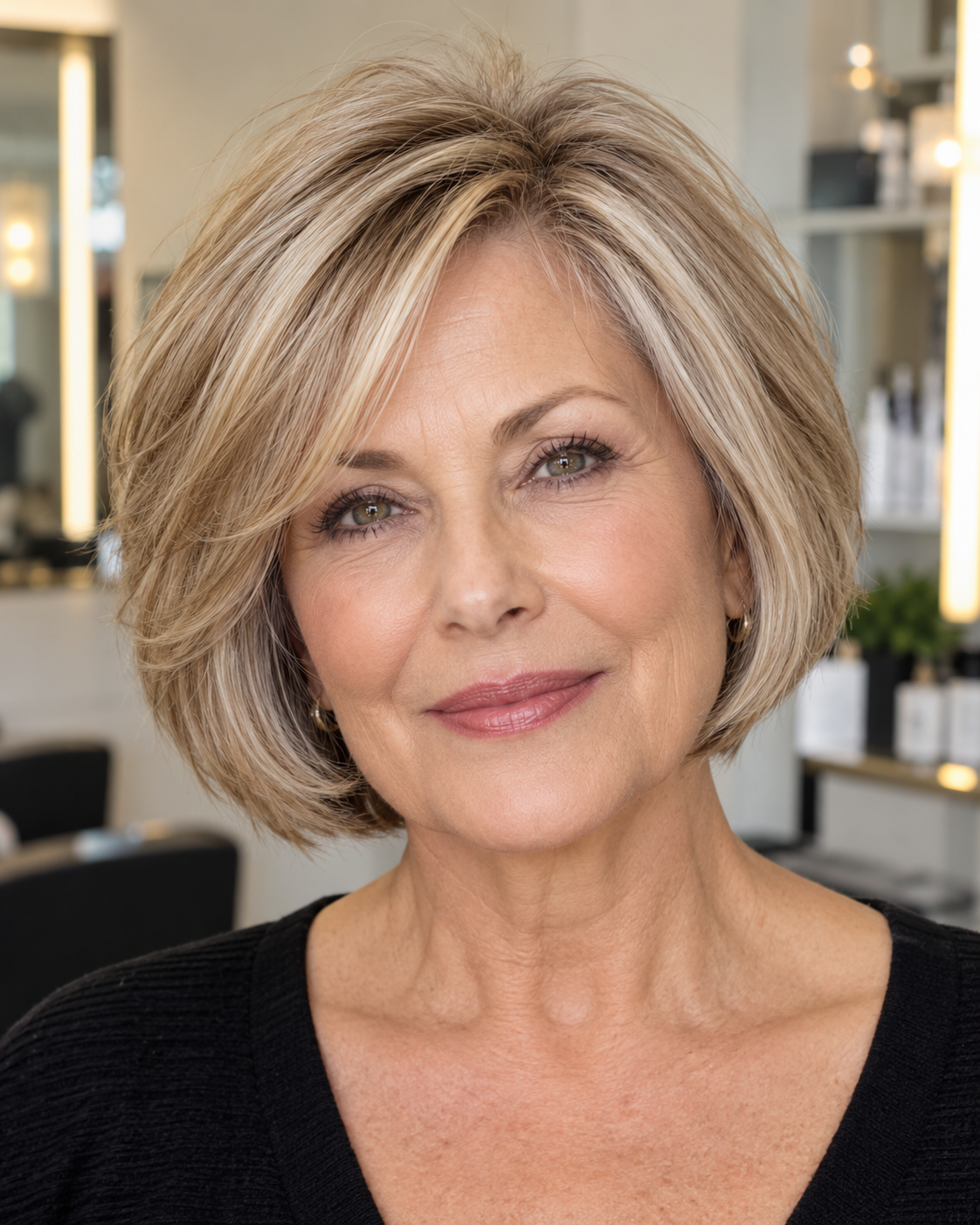
A chin-length bob with soft interior layering and subtle face-framing creates movement and volume through the crown while maintaining a clean, full silhouette. This length draws the eye upward and puts focus on the cheekbones and jawline .
Key detail: Lift the roots with volumizing mousse and finish with a texture spray for soft, natural movement .
12. The Textured Stacked Bob with Soft Ends
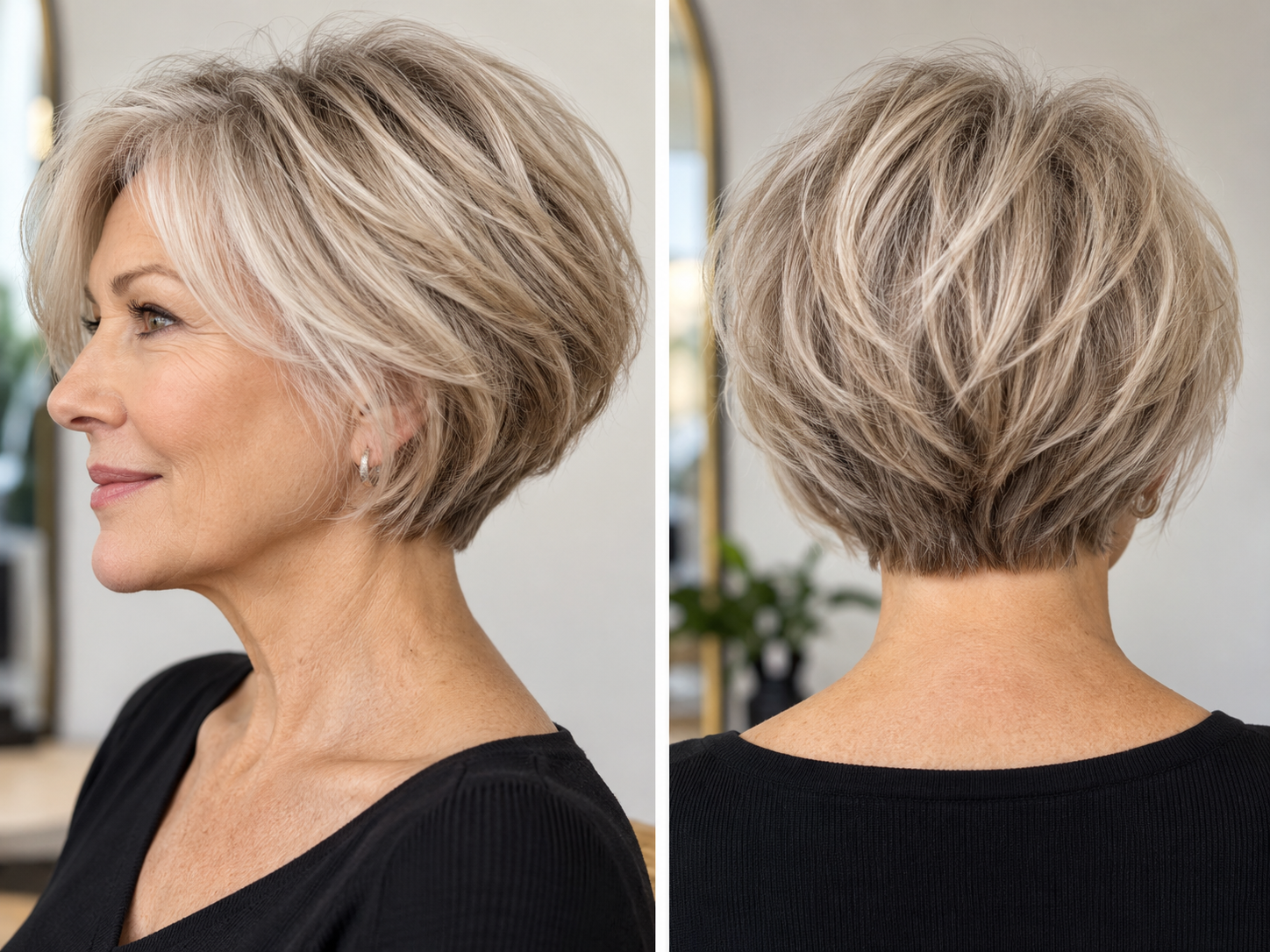
A stacked bob with soft texturizing around the ends keeps the look modern and effortless rather than overly structured. The texture prevents the cut from feeling too rigid while the stacking maintains the volume at the back .
Key detail: Ask for "soft texturising around the ends" and avoid heavy graduation, which can make fine hair appear thinner .
13. The Layered Bob with Side-Swept Bangs
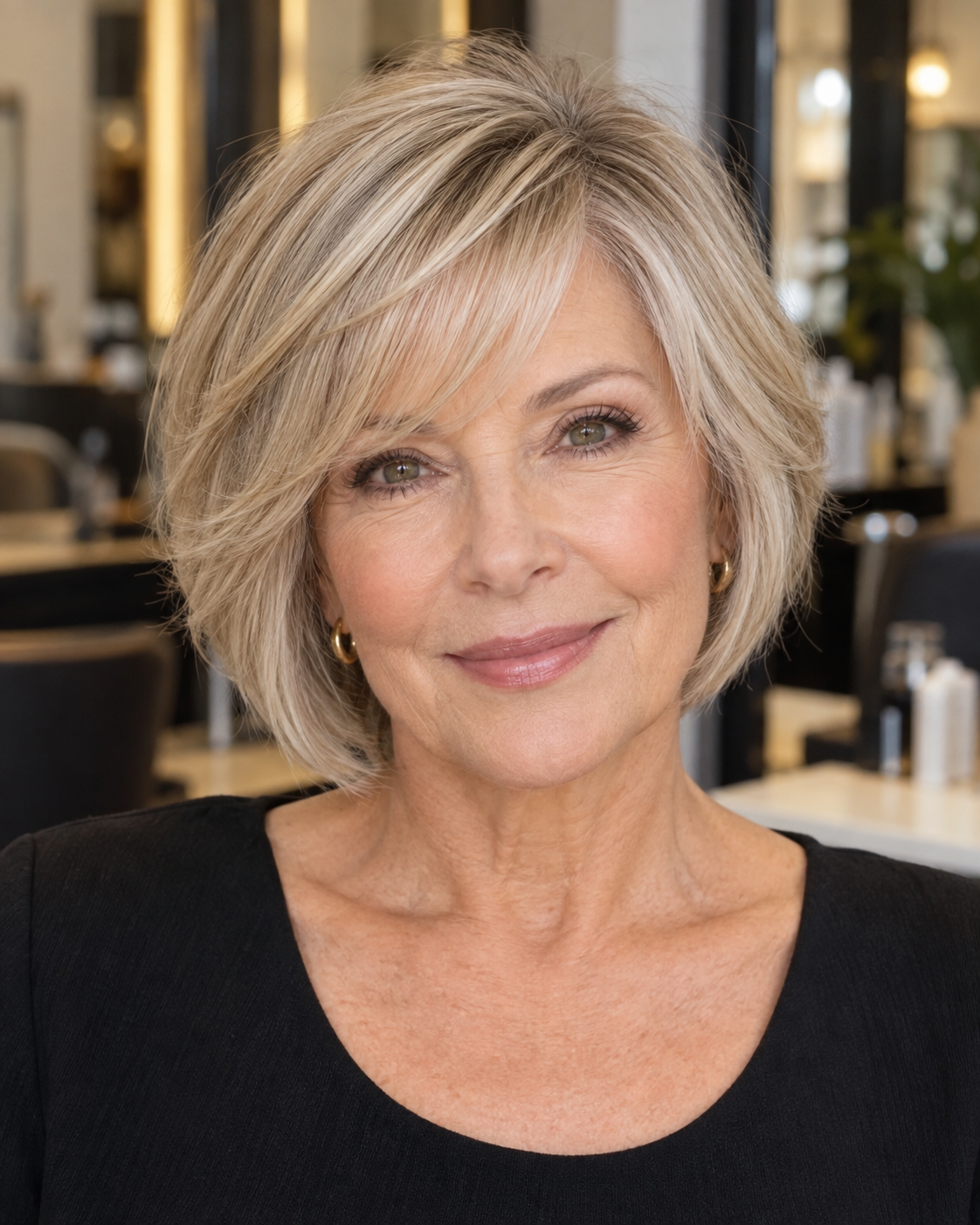
Side-swept bangs add shape and interest around the face without the heaviness of a full fringe. They create an angle that softens the face and adds movement, which is especially flattering for longer face shapes .
Key detail: Side parts and softer texture instantly soften the face and keep the cut from feeling too harsh or severe .
14. The Stacked Angled Bob
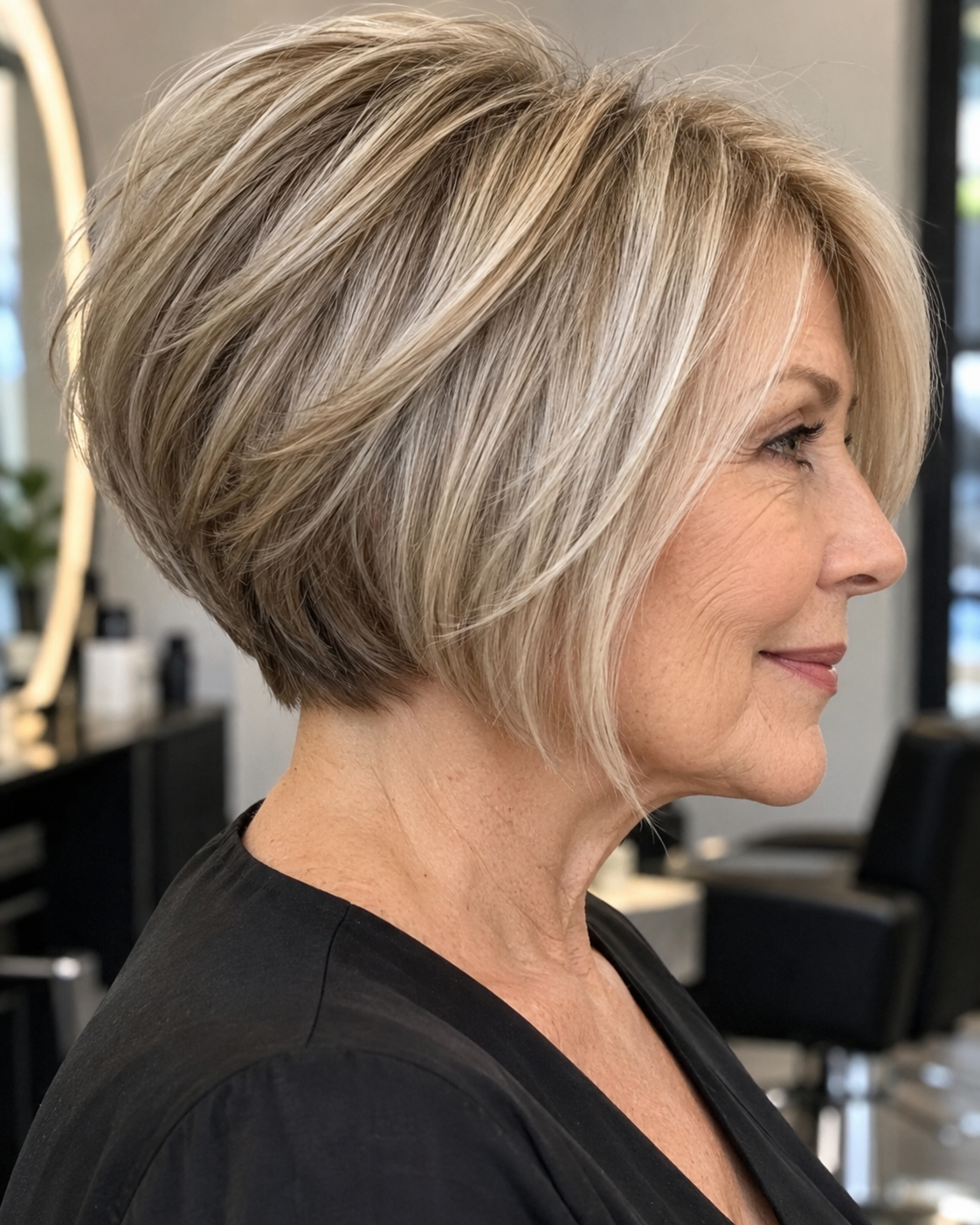
The stacked angled bob has shorter layers through the back that build shape and weight toward the front, creating a rounded shape with lift and volume. It has more movement and structure than a traditional bob while still feeling wearable. Pinterest searches for this style increased by over 1,000% in 2026 .
Key detail: On straight hair, keep a minimalist silhouette with clean lines. Add a little texture through the ends for modernity .
15. The Soft Layered Bob with Undone Finish
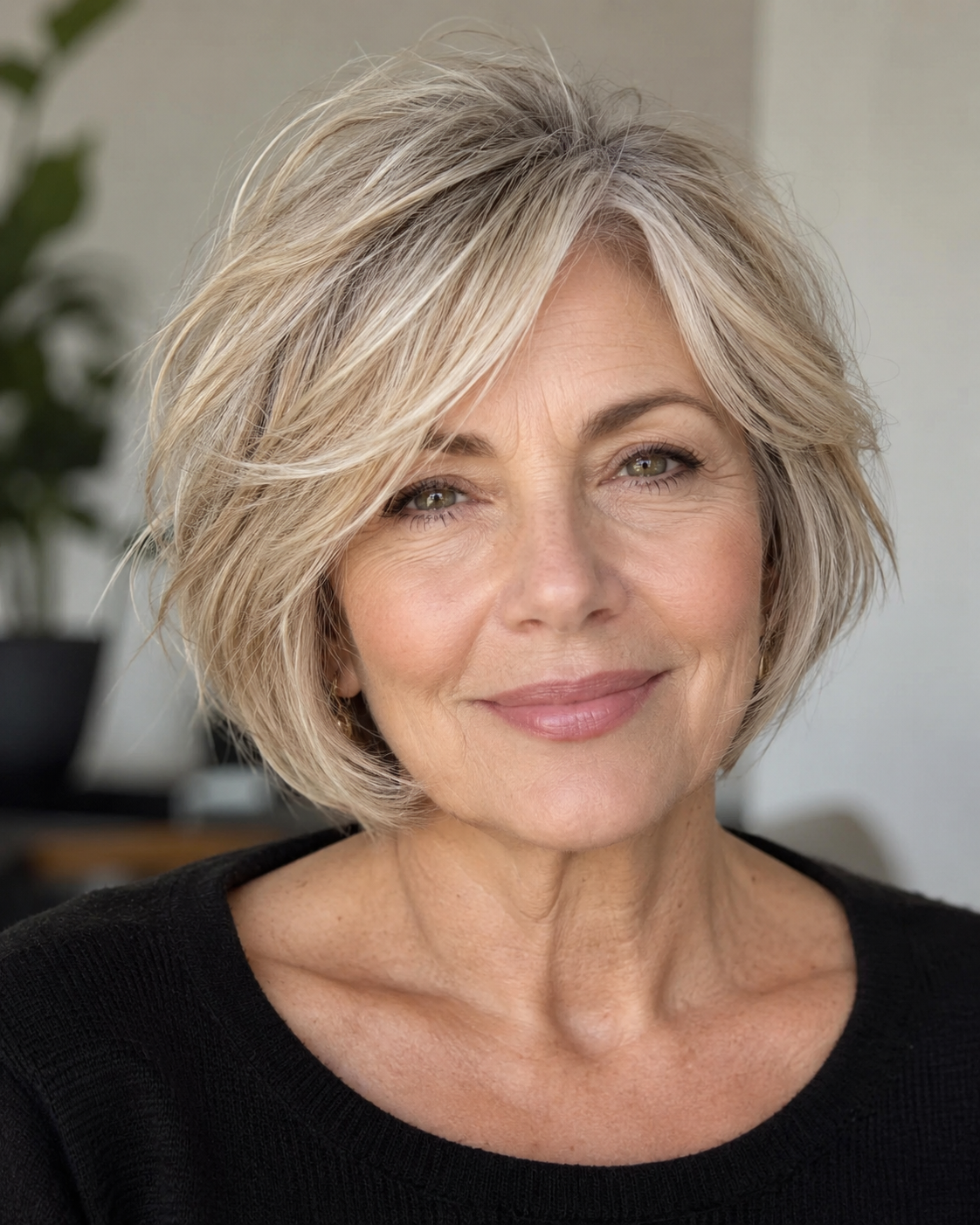
This is less about the specific cut name and more about the finish: soft layers styled with natural movement and a slightly undone look. Air-dry sprays and texture creams create that cool, relaxed feel without making the hair look overdone. The stacked bob works beautifully with this approach .
Key detail: Use a lightweight styling cream or texturizing mist. Either air dry or use a vent brush with a side-to-side motion to smooth the hair effortlessly .
16. The Layered Bob with Face-Framing Pieces Only
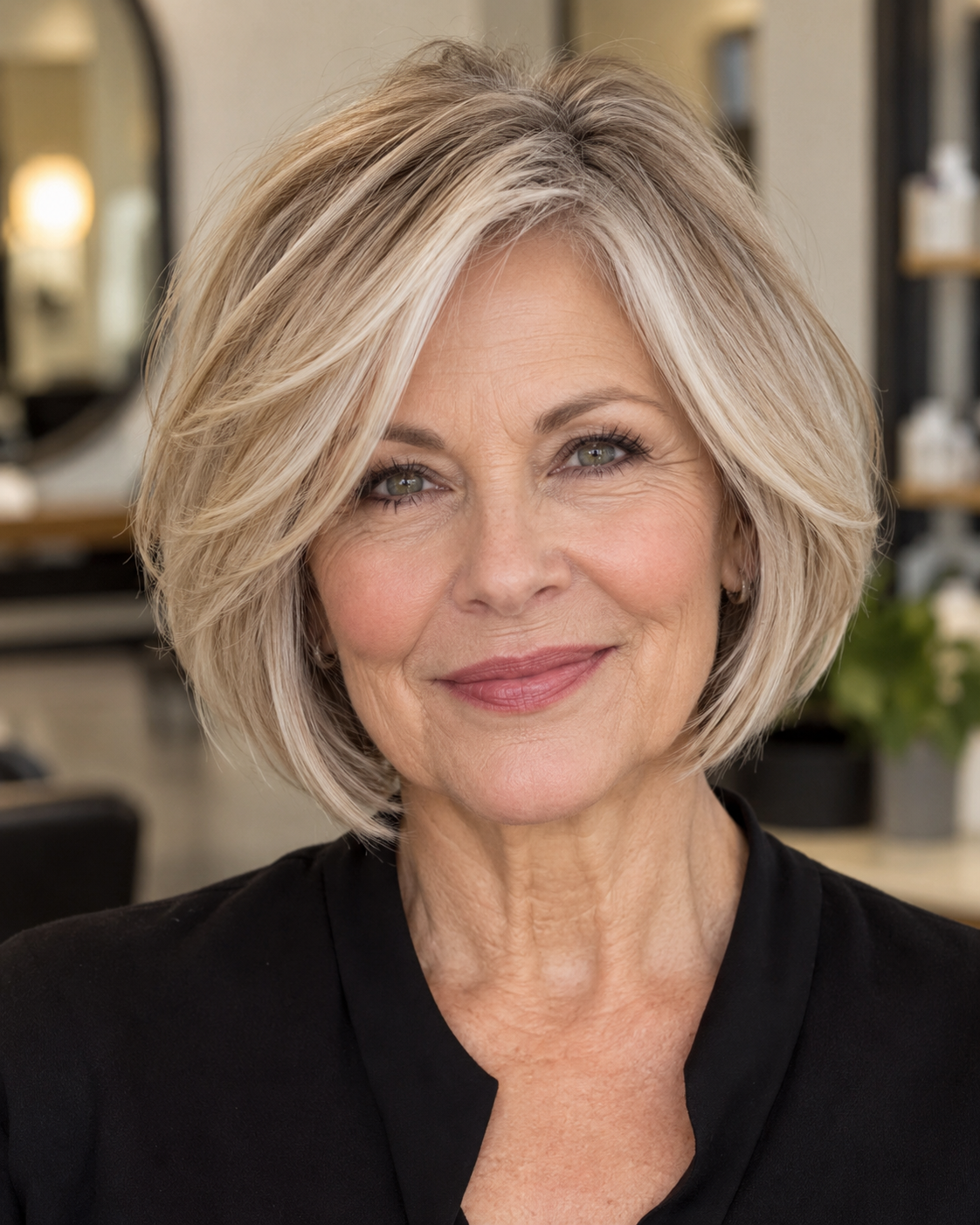
If you want to preserve maximum density, keep the perimeter strong and add layers only around the face. This creates lift, movement, and interest without taking too much weight away from the overall shape. It’s a conservative approach that delivers visible results .
Key detail: The goal is a stronger shape around the perimeter, with softer face-framing pieces added strategically for lift and movement .
17. The Long Layered Bob (Lob)
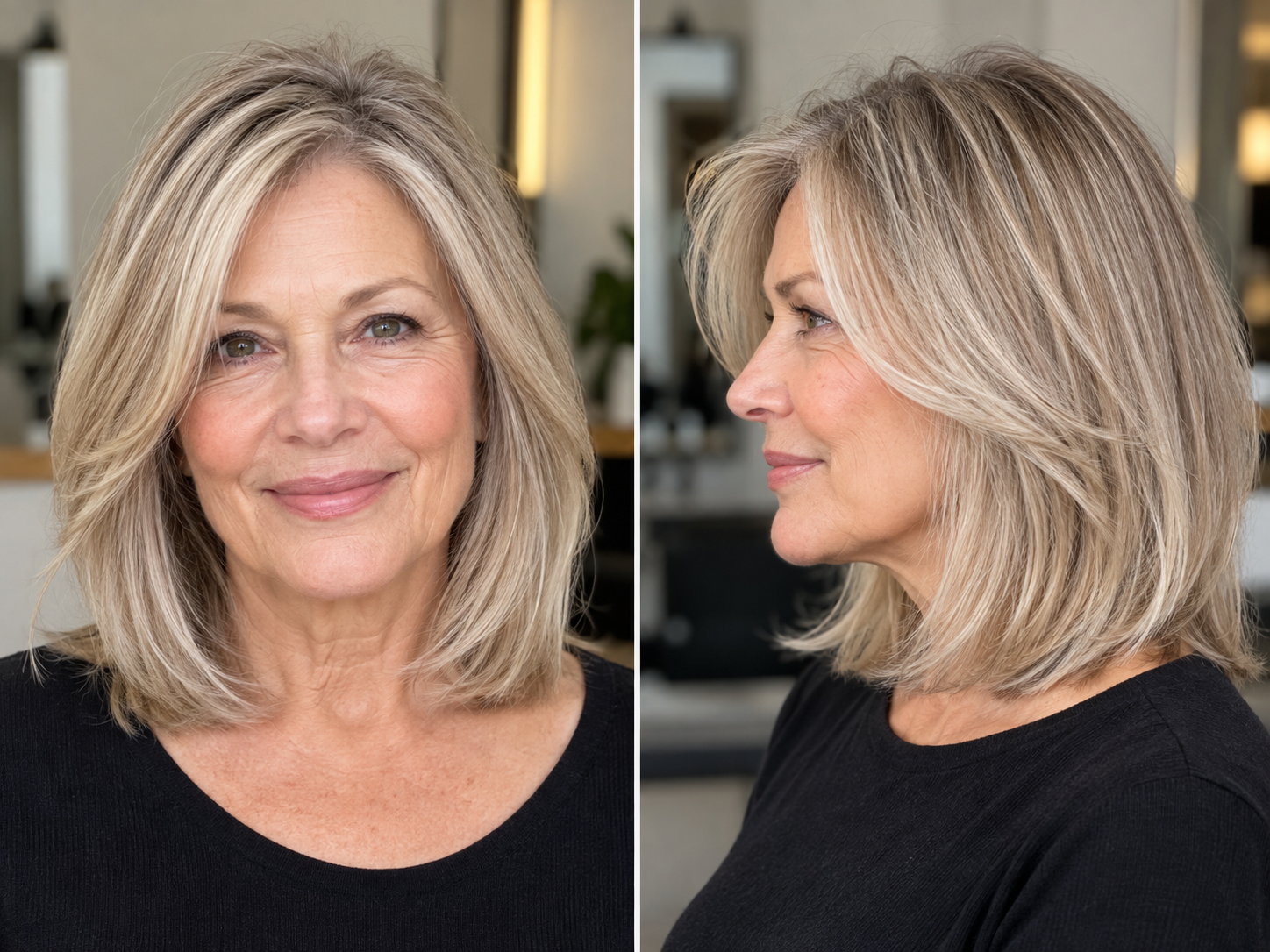
A long bob that sits just above or at the shoulders with soft layers is a versatile option if you’re not ready for a short crop. The length keeps some weight for density while the layers prevent the style from falling flat. It also grows out gracefully between appointments .
Key detail: Avoid over-layering. Fine hair doesn’t automatically need more layers—sometimes it needs fewer. Keep weight in the length and remove only what’s necessary for movement .
How to Choose the Right Layered Bob for Your Face Shape
Not every layered bob suits every face. Use this quick guide to narrow your options:
Oval Face: Most styles work well. The stacked bob, graduated bob, and soft Italian bob all complement natural symmetry.
Round Face: Choose styles with height at the crown and length below the chin. The stacked angled bob and chin-length layered bob with side-swept bangs create the illusion of length.
Square Face: Soft, rounded layers work best. The feathered bob and fluffy layered bob soften a strong jawline.
Heart-Shaped Face: Chin-length bobs with side-swept bangs balance a wider forehead and narrower chin.
Long Face: A chin-length bob with a fringe or side-swept bangs adds width and shortens the appearance of length.
Oblong Face: Avoid too much height at the crown. The soft Italian bob and long layered lob add width without adding length.
Styling Tips for Fine Layered Bobs
A great cut is only half the equation. These styling habits keep fine hair looking full:
Start with the right shampoo. Volumizing formulas that don't weigh hair down are essential. Avoid heavy conditioners at the roots.
Use mousse or root lift spray. Apply to damp roots before blow-drying. This is the single most effective step for creating volume that lasts.
Blow-dry with intention. Use a round brush and lift the roots as you dry. A vent brush with a side-to-side motion creates effortless movement.
Add texture, not weight. Texture sprays, dry shampoo, and lightweight styling creams add grip and fullness without flattening the hair.
Embrace the undone finish. Fine hair often looks best with a slightly tousled, natural finish rather than a perfectly polished one.
Refresh between washes. Dry shampoo at the roots extends volume and keeps the style fresh.
Get regular trims. Every six to eight weeks maintains the shape and prevents ends from looking thin or straggly.
Common Mistakes to Avoid
Even a great cut can fall flat if these mistakes creep in:
Over-layering. This is the biggest risk for fine hair. Too many layers remove weight from the perimeter and make ends look wispy. Ask for strategic layering, not all-over layering.
Going too short too fast. A very short crop can work beautifully, but it requires commitment and frequent trims. If you're unsure, start with a chin-length bob and go shorter if you want more.
Using heavy products. Thick creams, oils, and serums weigh fine hair down. Stick to lightweight formulas designed for volume and texture.
Skipping the root lift. Fine hair falls flat without root volume. Mousse or root spray is non-negotiable if you want lasting fullness.
Ignoring your natural texture. Fighting your hair's natural bend or wave creates unnecessary work. Work with what you have—soft layers enhance natural movement.
Waiting too long between cuts. A layered bob loses its shape quickly. Regular trims keep the cut looking intentional rather than overgrown.
Frequently Asked Questions
Can fine hair handle layers?
Yes—but strategically. Fine hair benefits from internal layers that create lift and movement without removing weight from the ends. The key is avoiding over-layering, which can make hair look thinner.
What's the best bob length for fine hair over 60?
Chin-length to collarbone is the sweet spot for most women. This range allows for face-framing layers and crown volume while keeping enough weight for density.
How often should I get my layered bob trimmed?
Every six to eight weeks. Regular trims maintain the shape, prevent split ends, and keep the layers looking fresh.
Can I wear a layered bob with curly or wavy hair?
Absolutely. Soft layers enhance natural texture and create beautiful movement. The feathered bob and fluffy layered bob are particularly flattering on wavy hair.
What if my hair is thinning at the crown?
Ask for strategic layers at the crown and avoid pulling hair flat against the scalp. Volumizing products and a soft, layered cut help disguise thinning and create the appearance of fullness.
Should I use a round brush or a vent brush?
Both work well. A round brush creates smooth volume, while a vent brush with a side-to-side motion gives an effortless, natural finish. Choose based on the look you want.
Is a stacked bob too short for a woman over 60?
Not at all. The stacked bob is chic, low-maintenance, and flattering at any age. It creates volume at the crown and draws attention upward, which is a flattering effect for mature faces.
Conclusion
A layered bob is one of the most flattering and practical choices for fine-haired women over 60—but the magic isn't in the name of the cut. It's in the strategy behind it.
The 17 styles above share a common thread: they all use layering with intention. Whether you choose a stacked bob for volume at the crown, a feathered bob for airy movement, or a hybrid cut that protects density at the ends while lifting the roots, the principle remains the same. Good layering on fine hair isn't about removing weight—it's about redistributing it where it serves you best.
The right cut can restore the appearance of thickness, soften the face, and cut styling time down to minutes. It can grow out gracefully, work with natural texture, and feel modern at any age. But it starts with an honest conversation with your stylist about your hair's density, your face shape, and the amount of effort you're willing to put into daily styling.
Fine hair after 60 isn't a limitation—it's simply a different set of parameters. When you work with those parameters instead of against them, a layered bob becomes more than a haircut. It becomes a confidence boost you wear every day.



Leave a Reply
You must be logged in to post a comment.