The Art of Flooring Flow
When designing a whole-house flooring plan, the challenge isn't just finding one beautiful floor—it's finding a flooring strategy that creates visual continuity from the front door to the back bedroom. The modern farmhouse aesthetic, with its emphasis on open spaces and natural materials, demands a flooring approach that feels intentional and cohesive rather than disjointed and choppy. According to the National Association of Realtors, the modern farmhouse remains the most searched architectural style by homebuyers, and for good reason—its timeless blend of warmth and simplicity creates homes that feel both inviting and current .
The key difference between a cohesive whole-house flooring plan and a disjointed one lies in thoughtful transitions. Older farmhouses often featured different flooring in every room, dictated by whatever material was locally available or affordable at the time. Today's modern farmhouse flooring ideas for whole house projects embrace a more unified approach, using consistent materials, color palettes, and textures to create seamless flow between spaces. This doesn't mean every room must have identical flooring—rather, it means selecting options that speak the same design language.
If you're planning a whole-house flooring update, you're likely looking for options that balance beauty with practicality across multiple rooms. You need floors that can withstand the demands of kitchens, handle the moisture of bathrooms, resist the wear of high-traffic hallways, and still deliver that effortless farmhouse charm. The modern flooring market offers more solutions than ever to achieve this balance.
This guide explores 15 whole-house flooring strategies that create cohesion while allowing each room to shine. From consistent hardwood throughout to strategic material transitions, these ideas will help you build a flooring plan that flows as beautifully as your farmhouse lifestyle.
15 Farmhouse Flooring Ideas for Whole House
1. Consistent Wide-Plank White Oak Throughout
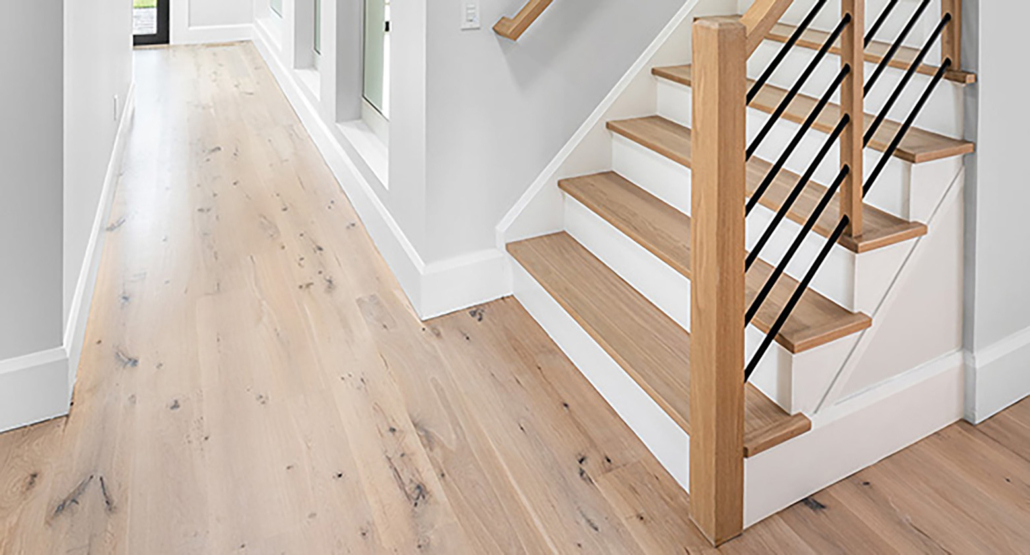
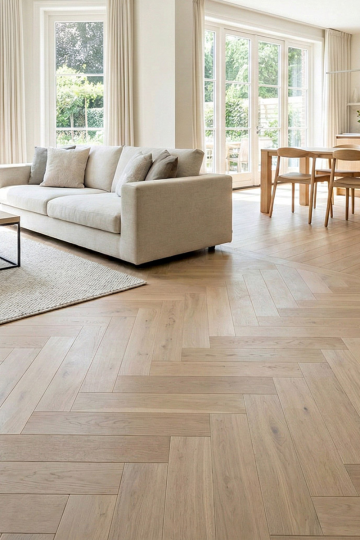
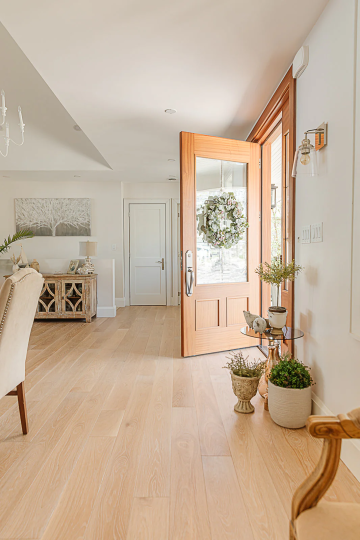
Running the same wide-plank white oak flooring throughout your entire home is the ultimate statement in cohesive design. White oak's warm golden tones and tight grain patterns create a timeless foundation that works in any room, from kitchen to bedroom. Planks 6 to 10 inches wide, with a matte or satin finish, carry the modern farmhouse aesthetic consistently from space to space .
Why it works for whole house: Consistency eliminates awkward transitions and makes every room feel connected. Wide planks visually enlarge spaces and showcase the wood's natural character. White oak is also one of the most durable domestic hardwoods, making it suitable for high-traffic areas.
Best applications: Living spaces, hallways, bedrooms, and even kitchens with proper sealing.
2. Mixed-Width Planks for Authentic Character
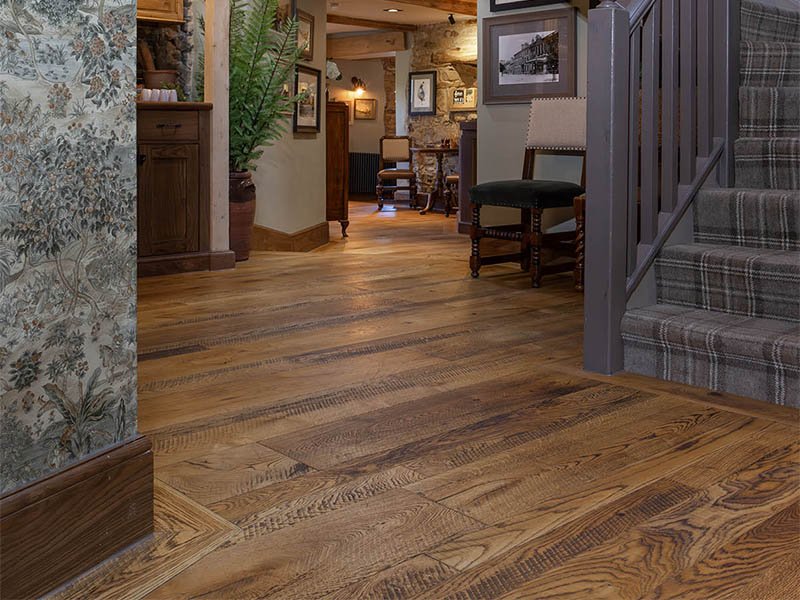
Before milling technology standardized board widths, farmhouse floors were laid with whatever the timber yielded, creating natural variation. Modern mixed-width floors recreate this authentic look by alternating 3-inch, 5-inch, and 7-inch boards in random patterns. The installation rule for maximum authenticity: stagger the width pattern so the same width never appears side by side across more than 2-3 boards .
Why it works for whole house: Mixed-width flooring adds visual interest and a sense of history throughout your home. The variation prevents the floor from feeling too uniform or manufactured, which is essential for an authentic farmhouse feel.
Best applications: Open-plan living areas where the floor is a prominent design feature.
3. Reclaimed Wood Throughout
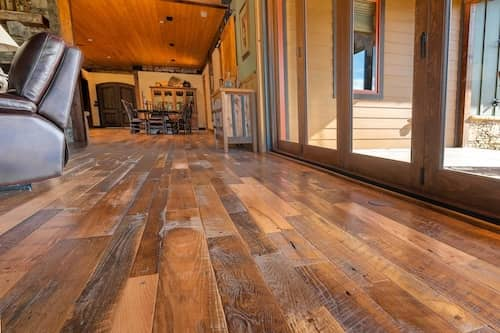
Reclaimed wood flooring brings genuine age, patina, and history to every room in your home. Boards salvaged from old barns, factories, and historic buildings carry saw marks, nail holes, and color variation that no manufacturing process can replicate . The global reclaimed wood flooring market is expected to grow at a compound annual growth rate of over 7% from 2024 to 2031, reflecting increasing demand for sustainable, authentic building materials .
Why it works for whole house: Reclaimed wood creates instant character and eco-friendly credentials. The variation in tones, from honey amber to deep walnut, adds warmth to every room while maintaining a cohesive aesthetic.
Best applications: Living spaces, dining rooms, and any area where you want to make a design statement.
4. One Material, Two Finishes for Room Distinction
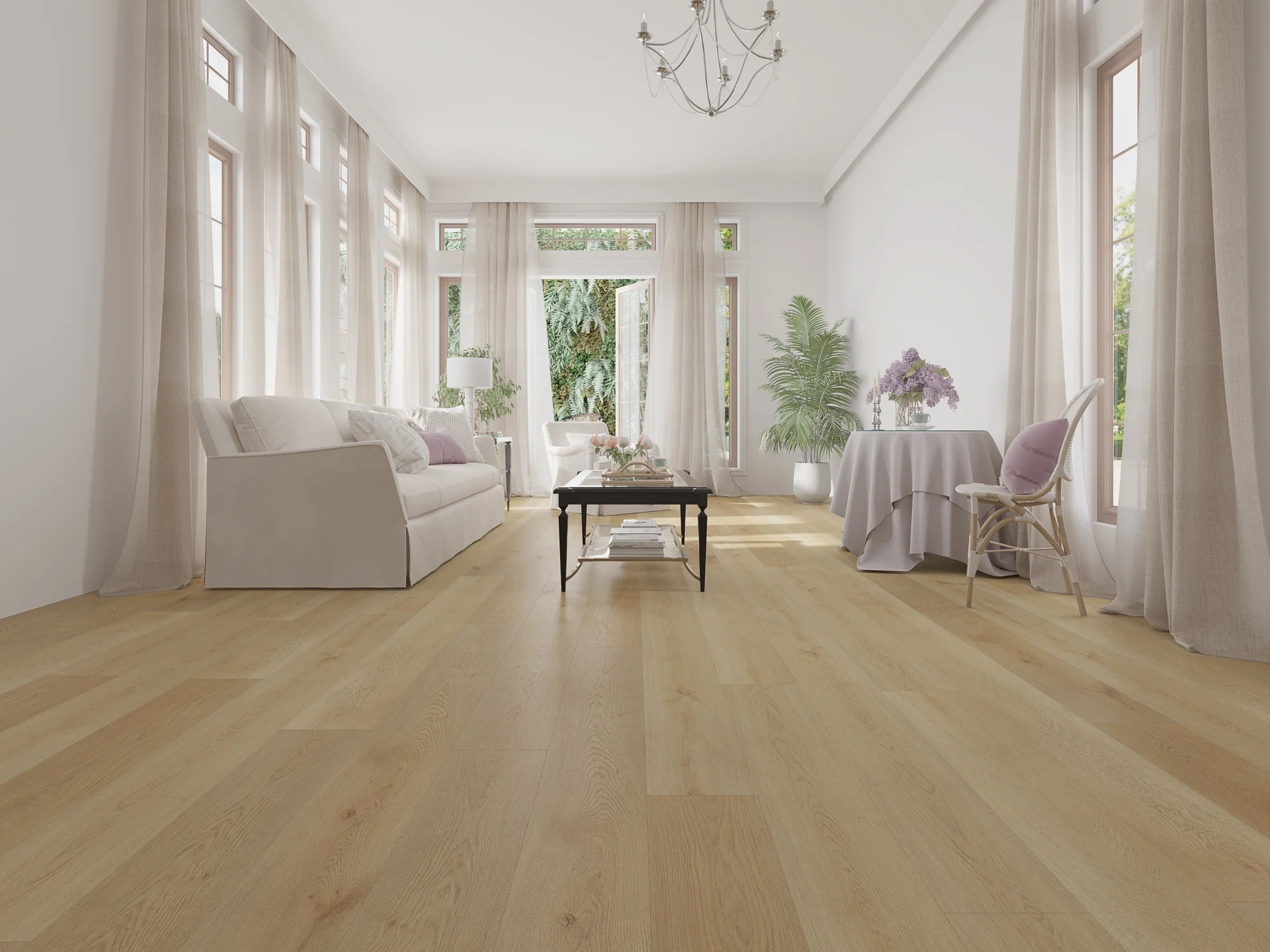
For homeowners who want whole-house cohesion without sameness, using the same wood species with different finishes in different rooms offers the perfect balance. For example, use natural white oak in living spaces and a slightly darker or whitewashed version in bedrooms. The consistent grain pattern and texture maintain flow while finish variation acknowledges each room's different function and mood .
Why it works for whole house: Creates visual interest and defines spaces while maintaining overall cohesion. The shared material language ensures smooth transitions between rooms.
Best applications: Any home where you want room-specific personality without sacrificing flow.
5. Gray-Washed Luxury Vinyl Plank Throughout
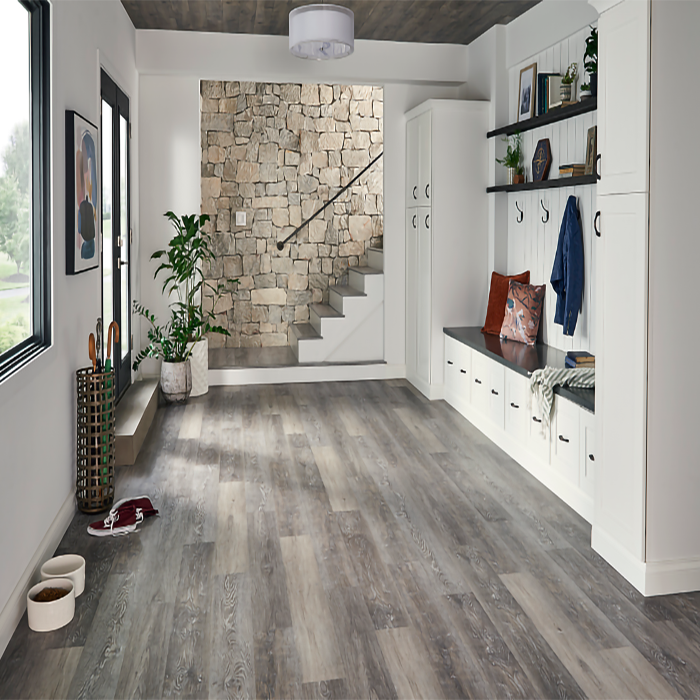
Luxury vinyl plank has become so convincing that even experienced eyes struggle to identify it on sight. In gray-washed tones, LVP delivers the modern farmhouse aesthetic at $2-6 per square foot versus $8-15 for solid hardwood . The specification that matters most for whole-house application is wear layer thickness—12 mil is residential standard, but 20 mil is recommended for families and pets .
Why it works for whole house: 100% waterproof, scratch-resistant, comfortable underfoot, and installable as a floating floor that can run through multiple spaces without transition strips. This makes LVP ideal for open-plan modern farmhouses.
Best applications: Kitchens, bathrooms, basements, and homes with kids and pets.
6. Engineered Hardwood for Moisture-Prone Rooms
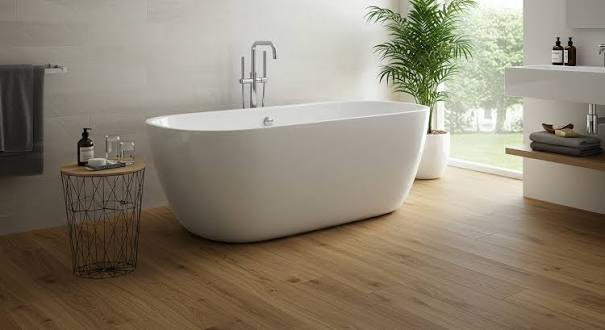
Engineered hardwood provides the authentic look and feel of real wood with enhanced moisture resistance and dimensional stability. Unlike solid hardwood, engineered floors can handle occasional spills and humidity changes without warping, making them suitable for spaces where wood traditionally couldn't go .
Why it works for whole house: Engineered hardwood can be used consistently across all rooms, including kitchens and basements, maintaining the same look while providing necessary durability in challenging spaces.
Best applications: Kitchens, bathrooms, basements, and homes in humid climates.
7. Dark Walnut Stain for Formal Areas
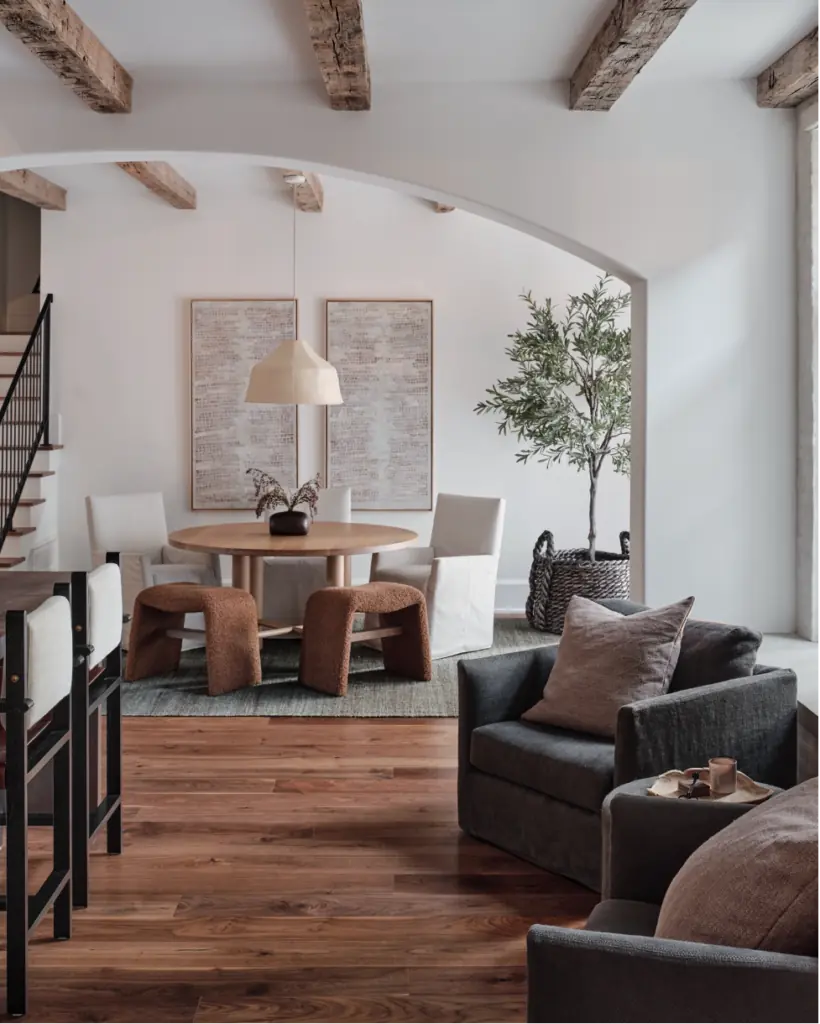
A dark walnut stain on oak or pine brings drama and depth—particularly on staircases where contrast with white painted risers and iron balusters is striking. Dark floors make rooms feel more anchored and intimate, which suits formal dining rooms and master bedrooms . The practical consideration: dark floors show dust and pet hair far more than medium tones, so a warm mid-brown stain may be more forgiving for family homes.
Why it works for whole house: Dark floors create distinct zones within an open floor plan, visually separating formal areas from casual spaces while maintaining a cohesive material palette.
Best applications: Formal dining rooms, master bedrooms, and staircases.
8. Whitewashed Pine for Light, Airy Spaces
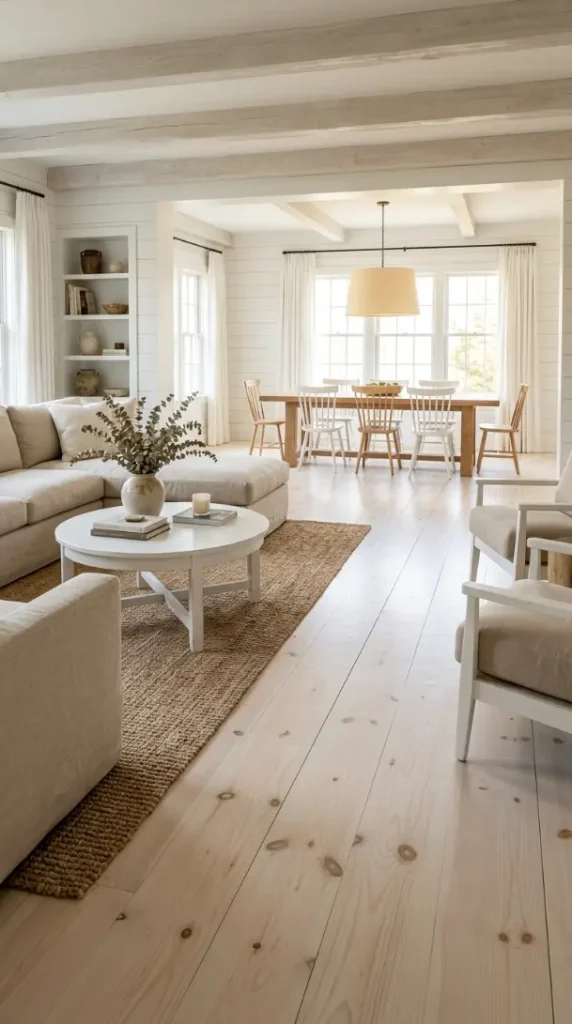
Whitewashing floods the grain with a milky finish that lightens rooms dramatically. The technique applies thinned white or gray paint, lets it penetrate the grain, then wipes the surface so color settles in the deeper texture . The result is brighter than bare pine but warmer than white paint, creating a distinctly coastal farmhouse feel .
Why it works for whole house: Whitewashed floors enhance natural light, making rooms feel larger and more open. They work particularly well in homes with abundant natural light, creating a fresh, serene foundation throughout.
Best applications: Bedrooms, studies, and formal sitting rooms.
9. Painted White Floors for Scandinavian Farmhouse
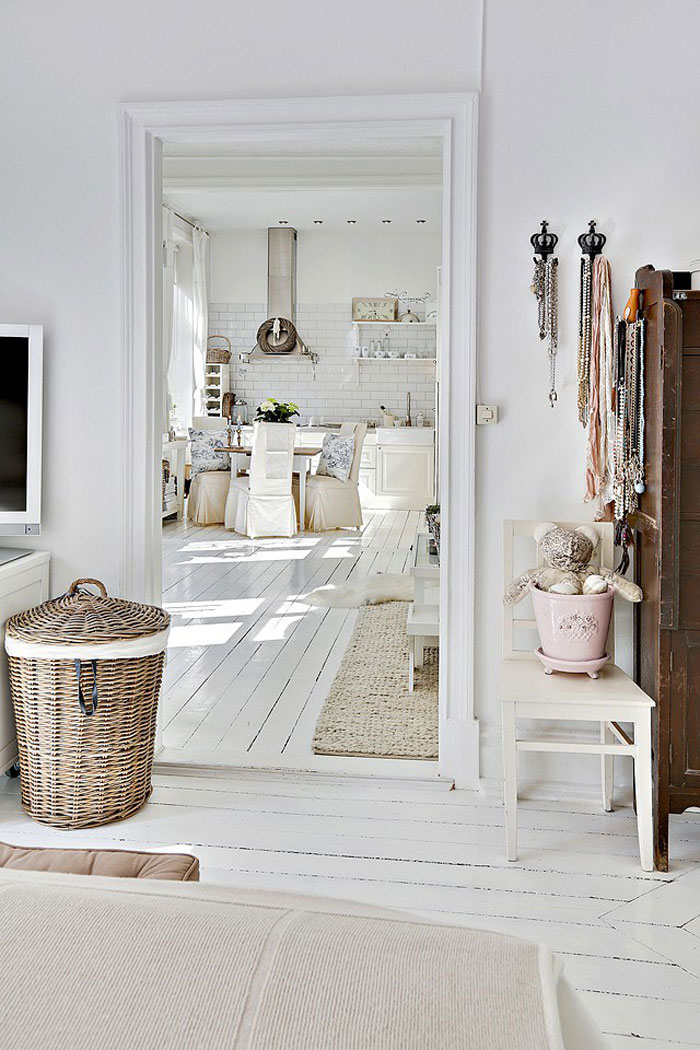
A fully painted white floor makes small rooms feel dramatically larger and provides a clean canvas for layering rugs, furniture, and wall color. White painted floors require a hard-wearing porch-and-floor enamel and will show scuffs in high-traffic areas—but the Scandinavian farmhouse tradition treats this as part of their character, touching up annually as a seasonal ritual rather than fighting inevitable wear .
Why it works for whole house: White floors create a bright, clean backdrop that works equally with linen-toned walls, soft blue-greens, and all-white palettes. The consistency of white throughout unifies spaces.
Best applications: Living rooms, bedrooms, and small spaces.
10. Neutral Vinyl Plank for Open-Plan Continuity
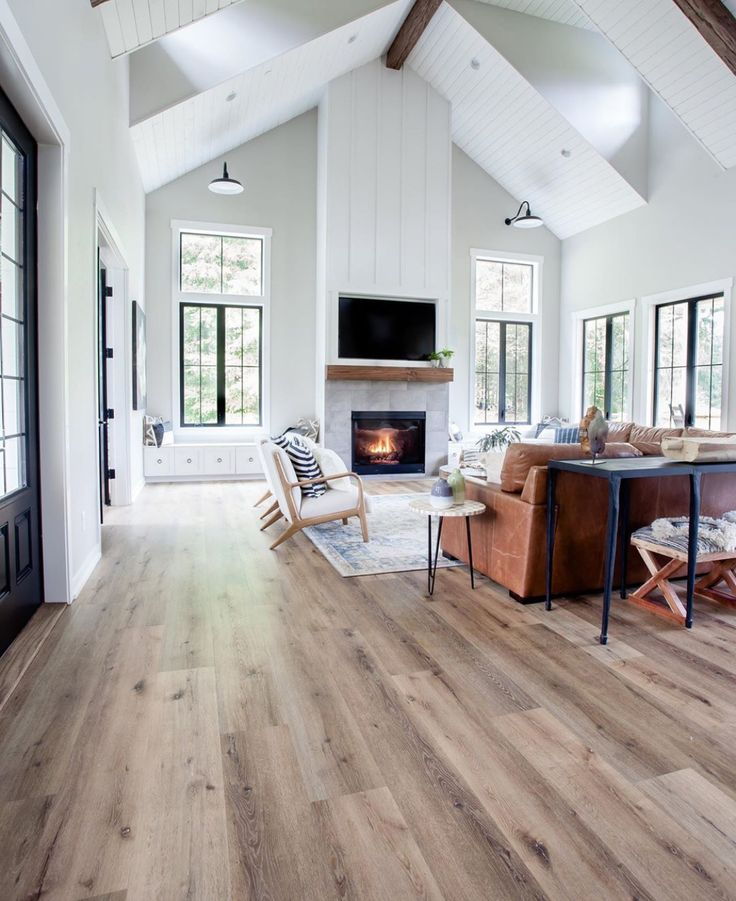
Neutral gray vinyl plank throughout an open-plan farmhouse creates continuity between rooms—one of the key advantages of a floating floor system that can run through multiple spaces without transition strips. Gray works particularly well in modern farmhouse builds where the palette leans toward whites, cool neutrals, and black iron hardware .
Why it works for whole house: The color neutrality prevents visual competition with decor while maintaining the farmhouse aesthetic. The installation advantage over hardwood: vinyl handles moisture variation and subfloor imperfections, making it ideal for slab-on-grade construction.
Best applications: Open-concept spaces and modern farmhouse builds.
11. Hand-Scraped Hardwood for Texture and Durability
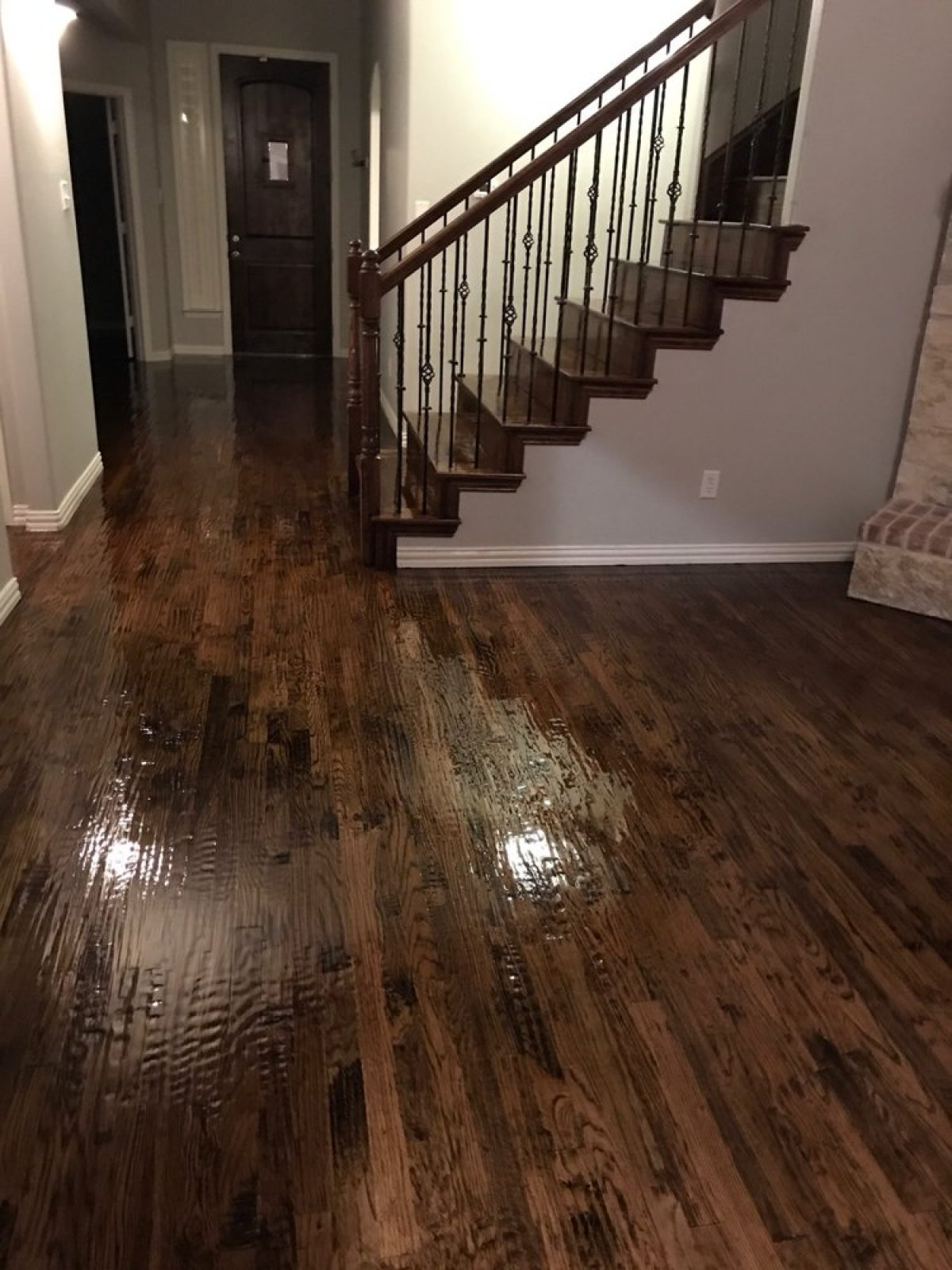
Hand-scraped hardwood features subtle grooves and undulations that give each plank a unique, handcrafted appearance. The textured surface is not only beautiful but also incredibly practical, as it helps to hide new scratches and dents that occur with everyday life .
Why it works for whole house: The forgiving surface makes hand-scraped hardwood practical for busy households across multiple rooms. Available in various shades from light to dark, it provides a durable foundation throughout your home.
Best applications: High-traffic areas including hallways, living rooms, and mudrooms.
12. Luxury Vinyl Plank in Dark Tones for High-Contrast
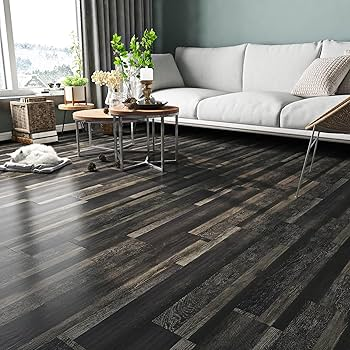
Dark-toned vinyl plank with white shiplap walls creates a high-contrast combination that feels bold and deliberately designed. The shiplap brings texture and brightness at eye level; the dark floor anchors the space. Dark vinyl in hallways works best with an embossed surface texture mimicking hand-scraped wood—smooth-faced vinyl in a dark tone can look flat and artificial .
Why it works for whole house: Dark LVP can be used consistently throughout while providing visual drama that defines the farmhouse aesthetic. The waterproof, durable nature makes it practical for every room.
Best applications: Hallways, kitchens, and children's rooms where durability is essential.
13. Bleached and Lightened Wood for Minimalist Farmhouse
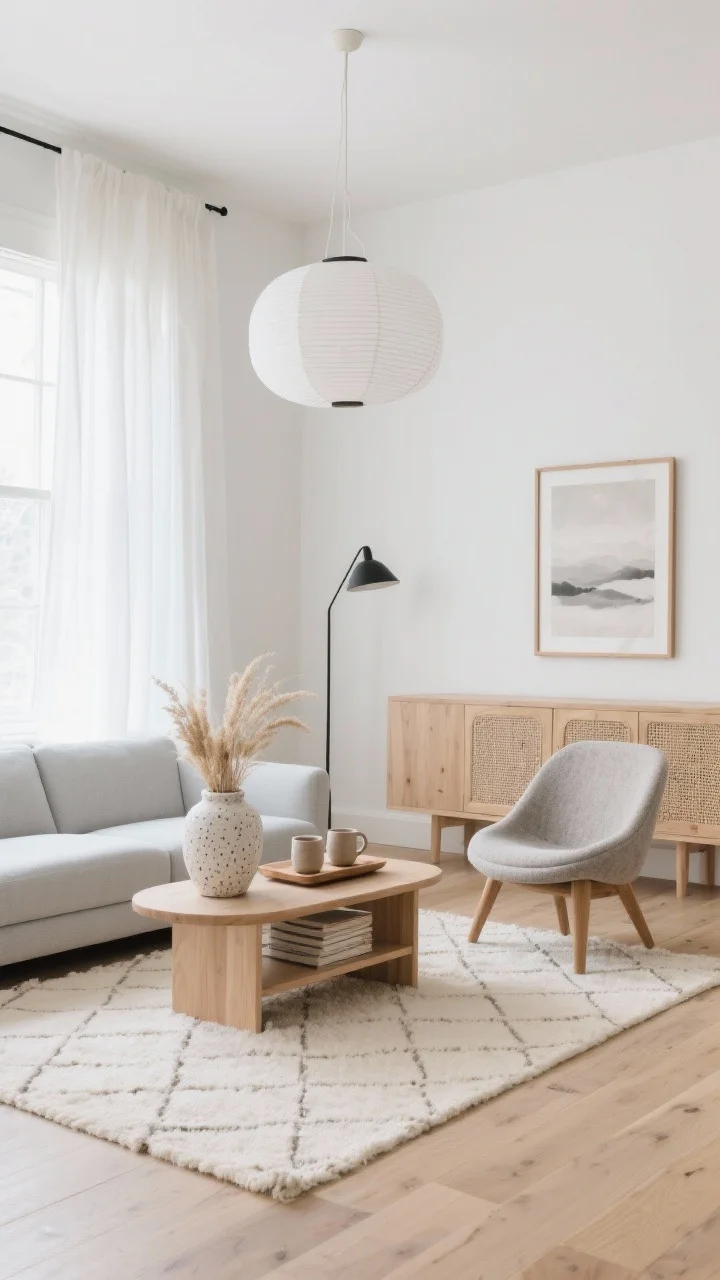
Bleached and lightened wood flooring provides a modern, Scandinavian-inspired take on traditional farmhouse aesthetics. This process involves chemically treating the wood to remove its natural color, resulting in a very pale, almost white or light gray finish that highlights the wood's grain and texture .
Why it works for whole house: The bright, airy foundation makes spaces feel larger and more open throughout the home. This style is perfect for creating a minimalist farmhouse look, pairing beautifully with simple, clean-lined furniture and a neutral color palette.
Best applications: Open-concept spaces and homes embracing a modern, minimal aesthetic.
14. Distressed Oak for Practical Character
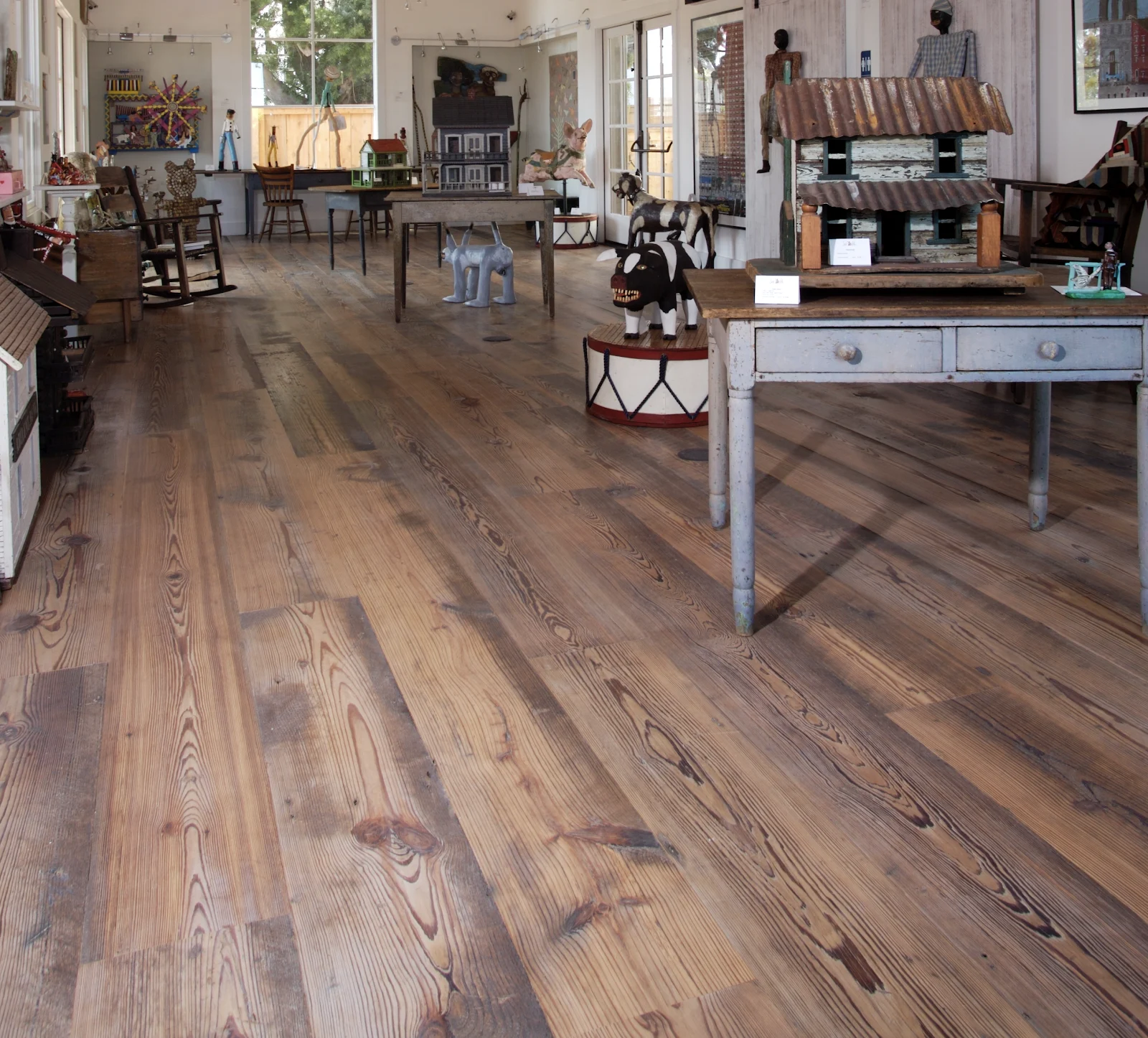
Distressed oak hardwood flooring offers the classic beauty of oak with an intentionally aged and weathered appearance achieved through techniques like hand-scraping, wire-brushing, and adding artificial wear marks. The resulting surface mimics the natural patina of a floor loved for generations .
Why it works for whole house: The forgiving surface hides new scratches and dents that occur with everyday family life, making it perfect for busy households across all rooms. Available in various shades, distressed oak provides a durable and cohesive foundation.
Best applications: Family homes with children and pets, living rooms, and dining rooms.
15. Polished Concrete for Modern Industrial Edge
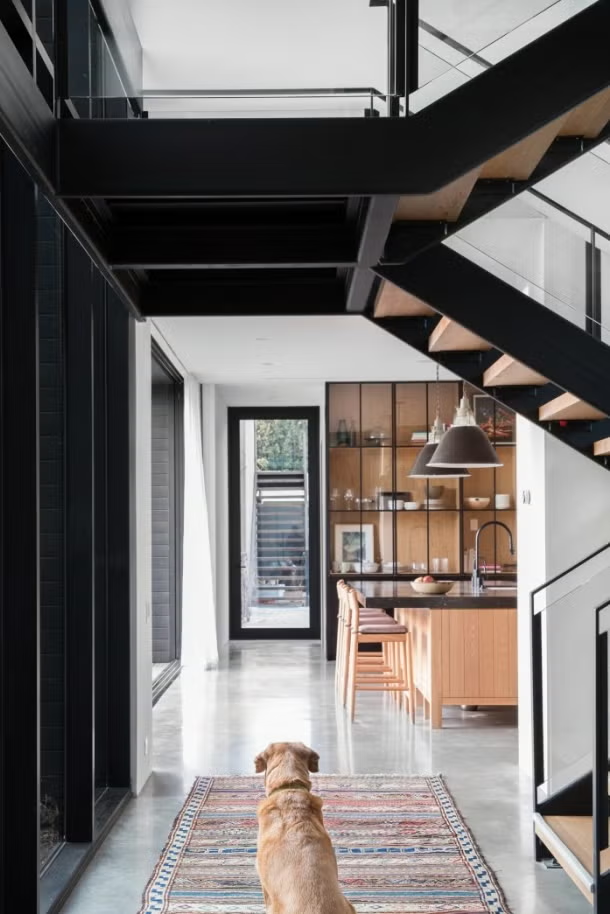
Polished concrete flooring introduces a modern, industrial edge to the classic farmhouse style, creating a unique and sophisticated blend of old and new. This durable and low-maintenance option provides a sleek, seamless surface that can be stained or dyed in various shades to complement your decor .
Why it works for whole house: The reflective quality helps to bounce light around the room, making spaces feel brighter and more open. When paired with soft textures like jute rugs, warm wood furniture, and cozy textiles, polished concrete creates a striking contrast that elevates the modern farmhouse aesthetic consistently.
Best applications: Open-plan spaces, basements, and modern farmhouse builds with radiant floor heating.
Choosing a Whole-House Flooring Strategy
When planning your whole-house flooring, consider these key factors for success:
Consistency in Material: Choose a primary material that works across all rooms. Wood, whether solid, engineered, or vinyl plank, offers the most flexibility for farmhouse style.
Transition Planning: Plan how flooring transitions between rooms. Seamless transitions without thresholds create a more open feel, while strategic material changes can define distinct zones.
Color Palette Continuity: Whether you choose light, dark, or neutral tones, maintain consistency in the undertone of your flooring throughout the house.
Durability Variations: While the same material can be used throughout, consider using more durable finishes or materials in high-traffic areas and mudrooms.