Choosing the right curtain fabric is one of the most important decisions you'll make when decorating your home. The fabric you choose affects everything—from how much light enters the room to how much privacy you have, from the room's temperature to the overall aesthetic. With so many options available, it can be overwhelming to know where to start. That's why understanding how to choose curtain fabric is essential for creating beautiful, functional window treatments.
The right curtain fabric can transform a room, adding warmth, texture, and personality. The wrong fabric can make a room feel cold, dark, or cheap. Understanding the different types of fabrics, their properties, and their best uses will help you make an informed decision that you'll be happy with for years to come.
From lightweight sheers that allow light to filter through to heavy velvets that block light and insulate, there's a curtain fabric for every need and style. Here's how to choose curtain fabric for your home.
Step 1: Determine Your Light and Privacy Needs
Before you even look at fabrics, consider how much light and privacy you need in the room. This will guide your fabric choice more than anything else.
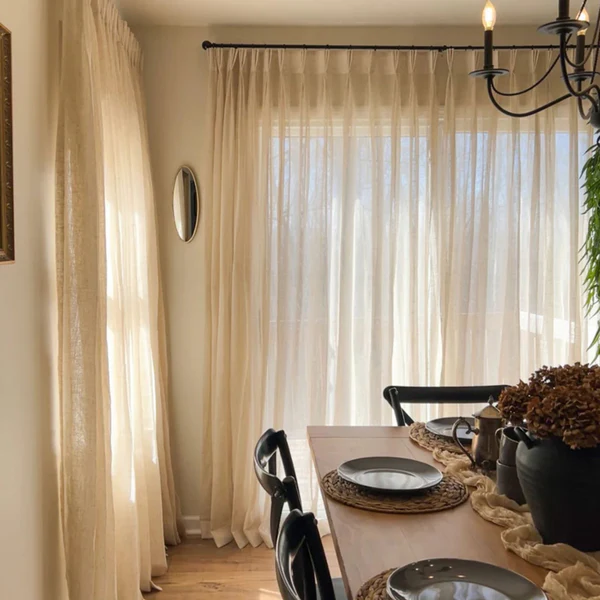
Sheer and Lightweight Fabrics: If you want to maximize natural light while maintaining some privacy, choose sheer or lightweight fabrics like voile, chiffon, or lightweight linen. These fabrics allow light to filter through beautifully.
Light-Filtering Fabrics: If you want to reduce glare and provide some privacy while still allowing light to enter, choose light-filtering fabrics like medium-weight cotton, polyester blends, or linen.
Room-Darkening and Blackout Fabrics: If you need complete darkness for sleep or media viewing, choose room-darkening or blackout fabrics. These are typically heavier fabrics with a specialized lining that blocks light.
Step 2: Consider the Room's Function

Different rooms have different needs when it comes to curtain fabrics.
Living Rooms: Choose fabrics that are stylish and durable. Medium-weight fabrics like linen, cotton, and polyester blends work well. Consider light-filtering options for daytime privacy.
Bedrooms: For bedrooms, consider room-darkening or blackout fabrics for better sleep. Velvet, lined cotton, and thermal fabrics are excellent choices.
Kitchens and Bathrooms: Choose fabrics that are easy to clean and resistant to moisture. Washable cotton, polyester blends, and treated fabrics are ideal for these high-moisture areas.
Dining Rooms: Formal spaces like dining rooms can handle more luxurious fabrics like silk, velvet, and damask. These fabrics add elegance and sophistication.
Step 3: Understand Fabric Types and Their Properties
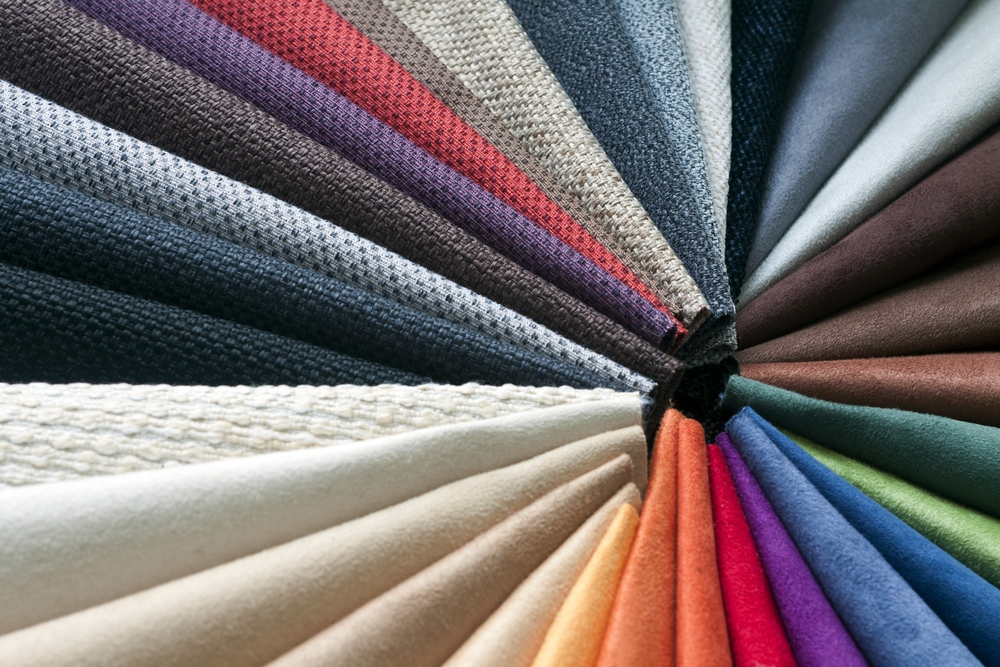
Here are the most common curtain fabrics and their key properties.
Cotton: Cotton is a versatile, breathable fabric that's easy to clean and comes in a wide range of weights and colors. It's perfect for casual and formal spaces.
Linen: Linen is a natural, textured fabric that's breathable and elegant. It has a relaxed, effortless look that's perfect for farmhouse and coastal interiors.
Polyester: Polyester is a durable, wrinkle-resistant fabric that's easy to care for. It's often blended with other fabrics for added durability.
Velvet: Velvet is a luxurious, heavy fabric that provides excellent insulation and light control. It's perfect for formal spaces and bedrooms.
Silk: Silk is a luxurious, luminous fabric that adds elegance and sophistication. It's delicate and requires professional cleaning.
Voile and Chiffon: These lightweight, sheer fabrics are perfect for creating an airy, romantic look. They allow maximum light to filter through.
Step 4: Consider the Fabric Weight
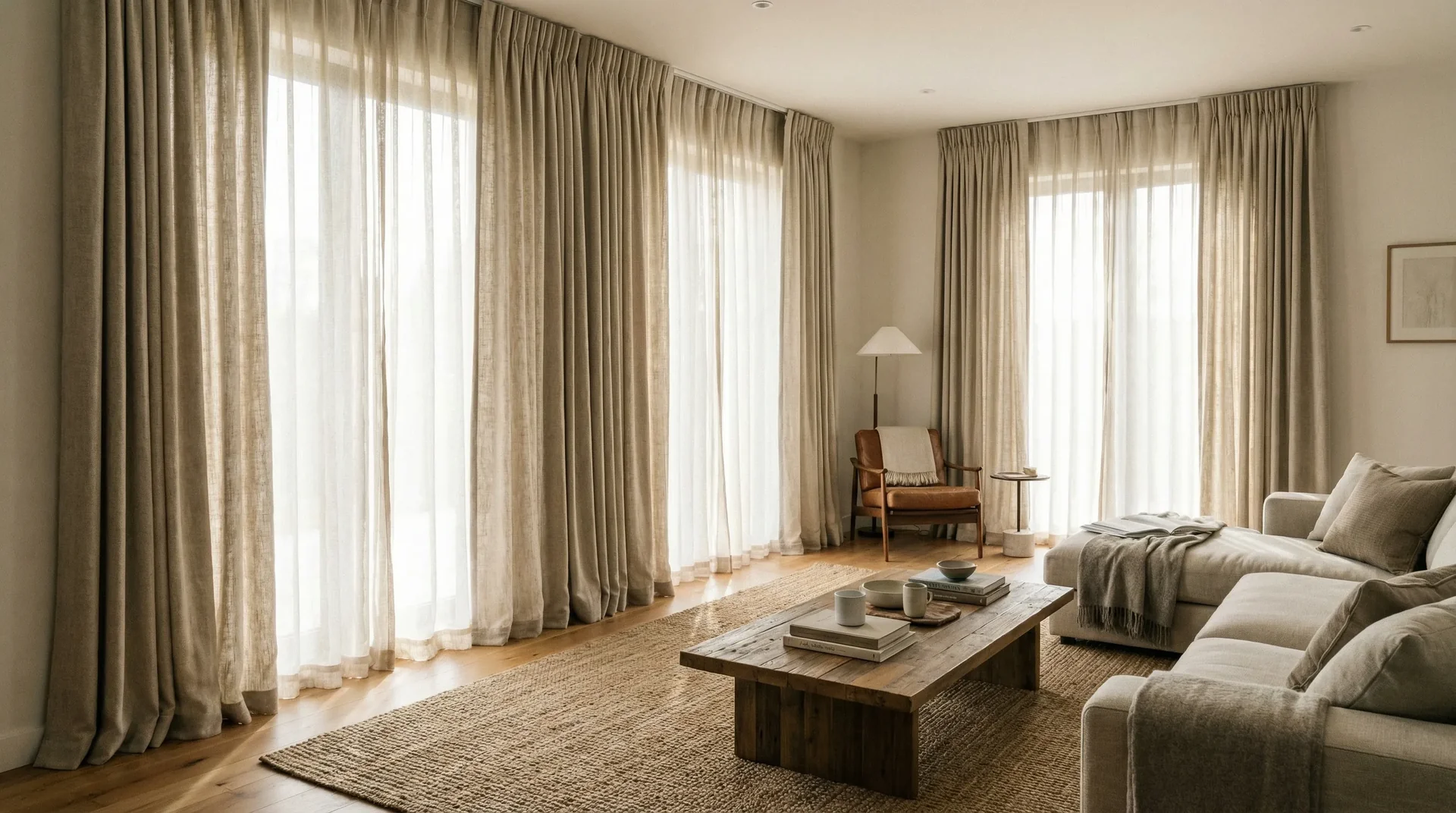
The weight of the fabric affects how it drapes and how much light it blocks.
Lightweight Fabrics: Voile, chiffon, and lightweight linen create a soft, flowing drape and allow maximum light to filter through.
Medium-Weight Fabrics: Cotton, linen, and polyester blends create a balanced drape and provide moderate light control.
Heavyweight Fabrics: Velvet, damask, and lined fabrics create a structured, formal drape and provide excellent light control and insulation.
Step 5: Think About Maintenance and Care
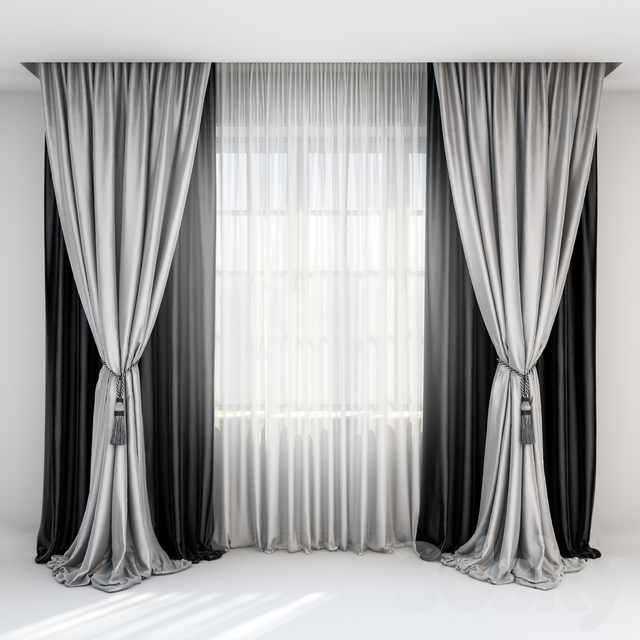
Consider how much time and effort you're willing to spend on maintaining your curtains.
Machine Washable: Cotton, polyester, and some linen blends can be machine washed. Check the care label before washing.
Dry Clean Only: Silk, velvet, and some delicate fabrics require professional dry cleaning. Factor this into your decision.
Wrinkle-Resistant: Polyester and polyester blends are naturally wrinkle-resistant, making them low-maintenance choices.
Step 6: Choose a Color and Pattern
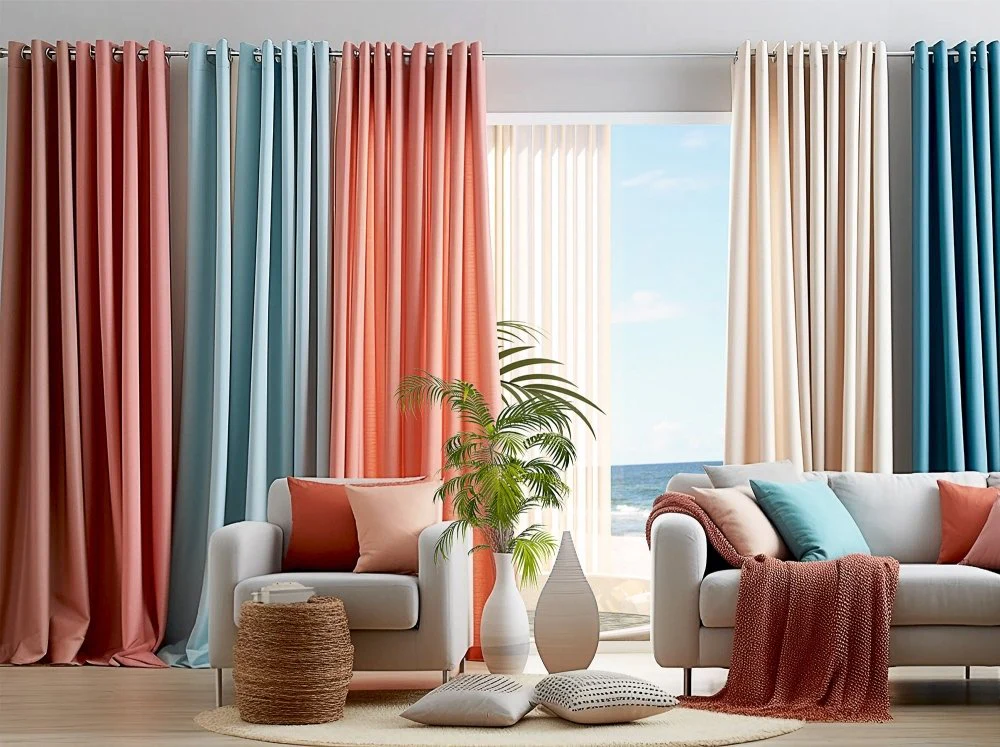
The color and pattern of your curtains should complement your existing décor.
Neutral Colors: White, beige, gray, and cream are versatile choices that work with any color scheme. They create a clean, timeless look.
Bold Colors: Vibrant colors like red, blue, and green add personality and energy to a room. Use them as a statement piece.
Patterns: Floral prints, stripes, and geometric patterns add visual interest and personality. Choose a pattern that complements your existing décor.
Step 7: Consider Lining Options
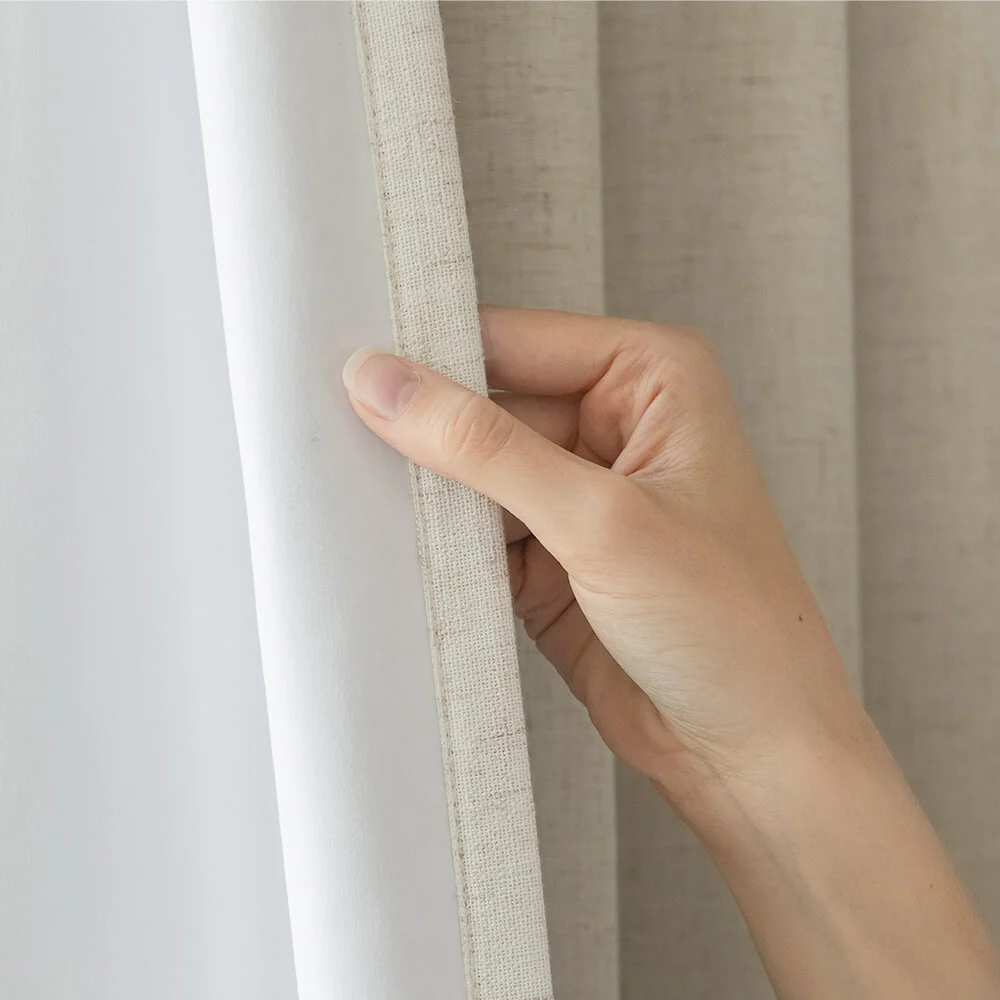
The lining of your curtains affects light control, insulation, and drape.
Unlined: Unlined curtains have a lighter, more casual look and allow more light to filter through.
Lined: Lined curtains have a polished, professional look and provide better light control and insulation.
Blackout Lining: Blackout lining blocks light completely, making it ideal for bedrooms and media rooms.
Thermal Lining: Thermal lining provides insulation, helping to keep your home warm in winter and cool in summer.
Helpful Tips for Choosing Curtain Fabric
Consider the Room's Lighting: If the room receives a lot of direct sunlight, choose fade-resistant fabrics like polyester blends that won't fade over time.
Think About the Décor: The curtain fabric should complement your existing décor. Choose colors and textures that enhance the room's style.
Test Samples: Always order fabric samples before making a final decision. Test them in the room at different times of day to see how they look in different lighting.
Consider Your Lifestyle: If you have pets or children, choose durable, washable fabrics that can withstand wear and tear.
Invest in Quality: Quality fabrics may cost more upfront but will last longer and look better over time.
Frequently Asked Questions
Q: What is the best fabric for curtains?
A: The best fabric depends on your needs. Cotton and linen are versatile and breathable, velvet is luxurious and insulating, and polyester is durable and easy to care for.
Q: What fabric is best for blocking light?
A: Velvet, lined cotton, and specialized blackout fabrics are best for blocking light. Look for fabrics with a blackout lining for complete darkness.
Q: Can I use sheer curtains for privacy?
A: Sheer curtains provide daytime privacy but offer limited privacy at night when interior lights are on. For more privacy, layer sheers with heavier curtains.
Q: How much fabric do I need for curtains?
A: The amount of fabric depends on the window size and the desired fullness. As a general rule, the combined width of your curtain panels should be 2 to 2.5 times the width of your window.
Q: Are expensive curtains worth it?
A: Yes, high-quality curtains made from premium fabrics are often worth the investment. They look better, last longer, and provide better functionality.
Q: Can I mix different curtain fabrics?
A: Yes, mixing fabrics can create a unique, layered look. Sheer curtains layered with heavier drapes is a classic combination.
Conclusion
Choosing the right curtain fabric is essential for creating beautiful, functional window treatments. By considering your light and privacy needs, the room's function, fabric types and properties, and maintenance requirements, you can make an informed decision that you'll be happy with for years. The right fabric can transform a room, adding warmth, texture, and personality.
Whether you choose lightweight linen for a casual look or luxurious velvet for a formal space, this guide on how to choose curtain fabric will help you find the perfect material for every room. Invest the time to choose wisely, and your curtains will be a beautiful, lasting addition to your home.