The Open Concept Challenge
Open concept living has become the dominant residential floor plan of the modern era, prized for its sense of spaciousness, abundant natural light, and ability to foster connection. But the very features that make open concept appealing also make it challenging to design successfully. Without the defining boundaries of walls, the living room and dining area must coexist harmoniously, each serving its distinct purpose while contributing to a unified whole.
The difference between a successful open concept space and a failed one often comes down to intentionality. Traditional homes with separate rooms naturally defined each space's function and aesthetic. Open concept spaces require a more deliberate approach to zoning, lighting, and furniture placement. Common mistakes include pushing all furniture against the walls (creating a vast, empty center), using the same lighting throughout (rendering the space flat and uninviting), and failing to define separate zones for different activities.
If you're struggling with your open concept living and dining area, you're likely frustrated by a space that feels awkward, disconnected, or simply not working. You might be dealing with an area that's too echoey, too cluttered, or lacking in intimacy. The good news is that most open concept mistakes are fixable with thoughtful planning and strategic design choices.
This guide explores 15 common mistakes to avoid in an open concept living room and dining, offering practical solutions to transform your space into a cohesive, functional, and inviting environment.
15 Mistakes To Avoid In An Open Concept Living Room And Dining
1. Pushing All Furniture Against the Walls
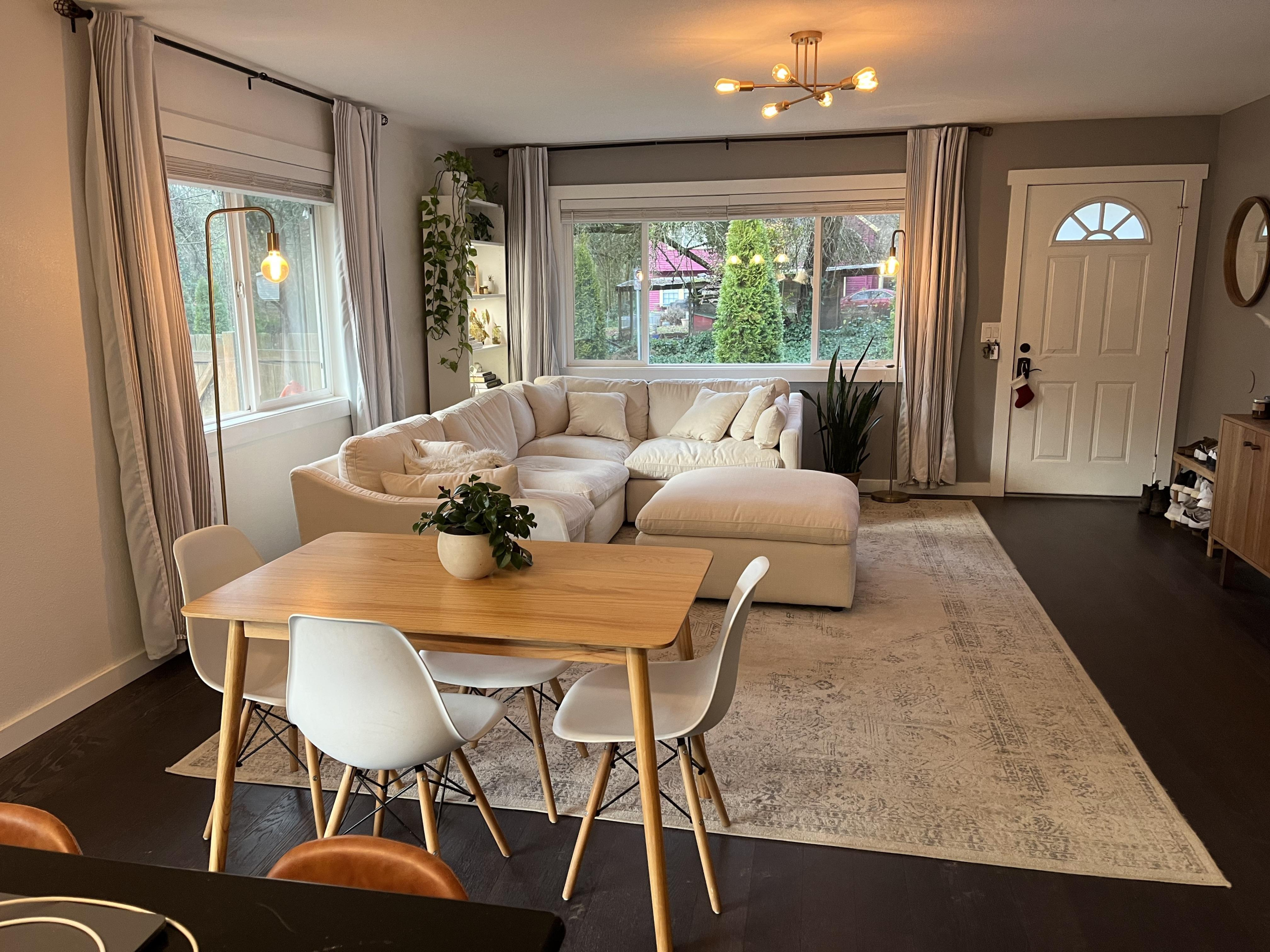
One of the most common open concept mistakes is pushing all furniture against the walls, leaving a vast, empty space in the center of the room. This arrangement creates a cold, unfriendly atmosphere and makes conversation difficult. Instead, float furniture away from the walls to create more intimate, connected conversation areas. A sofa positioned perpendicular to the wall, for example, can define the living room zone and create a more inviting space.
Why it's a mistake: Pushing furniture to the walls creates a disconnected, unfriendly space. The empty center feels cold and unused, while making the room feel less intimate.
The fix: Float furniture away from the walls to create intentional seating areas. Use area rugs to anchor these zones.
2. Using a Single Light Source Throughout
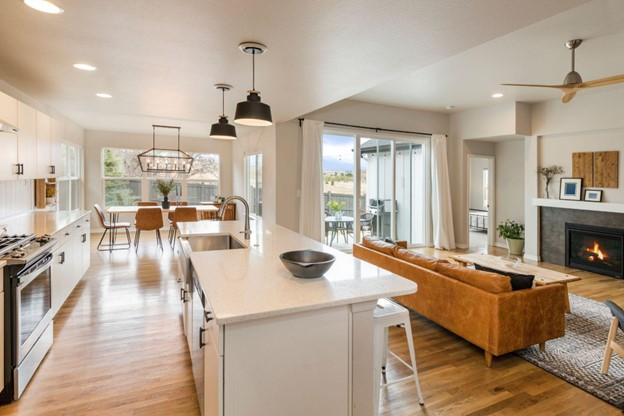
Open concept spaces require layered lighting, but many homeowners make the mistake of relying on a single ceiling fixture for the entire space. This creates flat, uninviting illumination that fails to define different zones. Instead, use a combination of ambient, task, and accent lighting to create depth and define areas. A pendant light over the dining table, a floor lamp in the living area, and recessed lights throughout can create distinct zones with varying light levels.
Why it's a mistake: A single light source creates flat, uninviting illumination. It fails to define different zones or create mood.
The fix: Layer your lighting with ambient, task, and accent fixtures for each zone.
3. Ignoring Acoustic Considerations
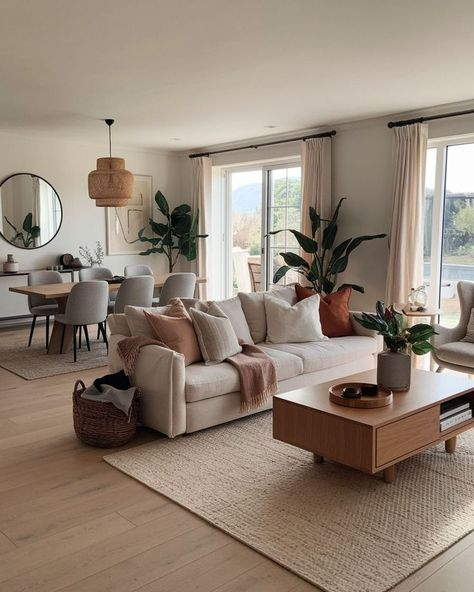
Hard surfaces in open concept spaces—wood floors, tile, large windows, and high ceilings—create echo and noise that can make conversation difficult. According to the National Institute of Building Sciences, open concept spaces are more susceptible to acoustic problems due to the lack of sound-dampening walls . Many homeowners overlook this issue until they find themselves struggling to hear the television over the clatter of dinner dishes. The acoustic environment has a profound impact on how comfortable and functional the space feels.
Why it's a mistake: The echo and noise make conversation difficult and the space feel uncomfortable. The acoustic issues can undermine the entire open concept experience.
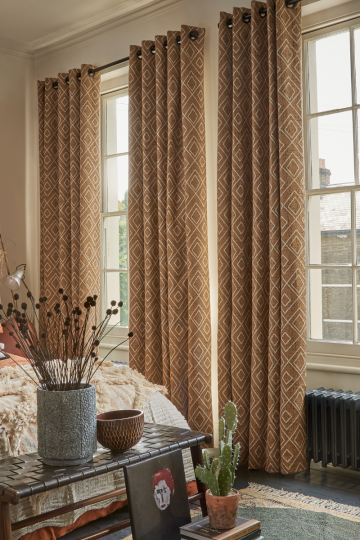
The fix: Incorporate soft surfaces—area rugs, upholstered furniture, curtains, and acoustic panels—to absorb sound and reduce echo.
4. Using Inconsistent Flooring Without Transition
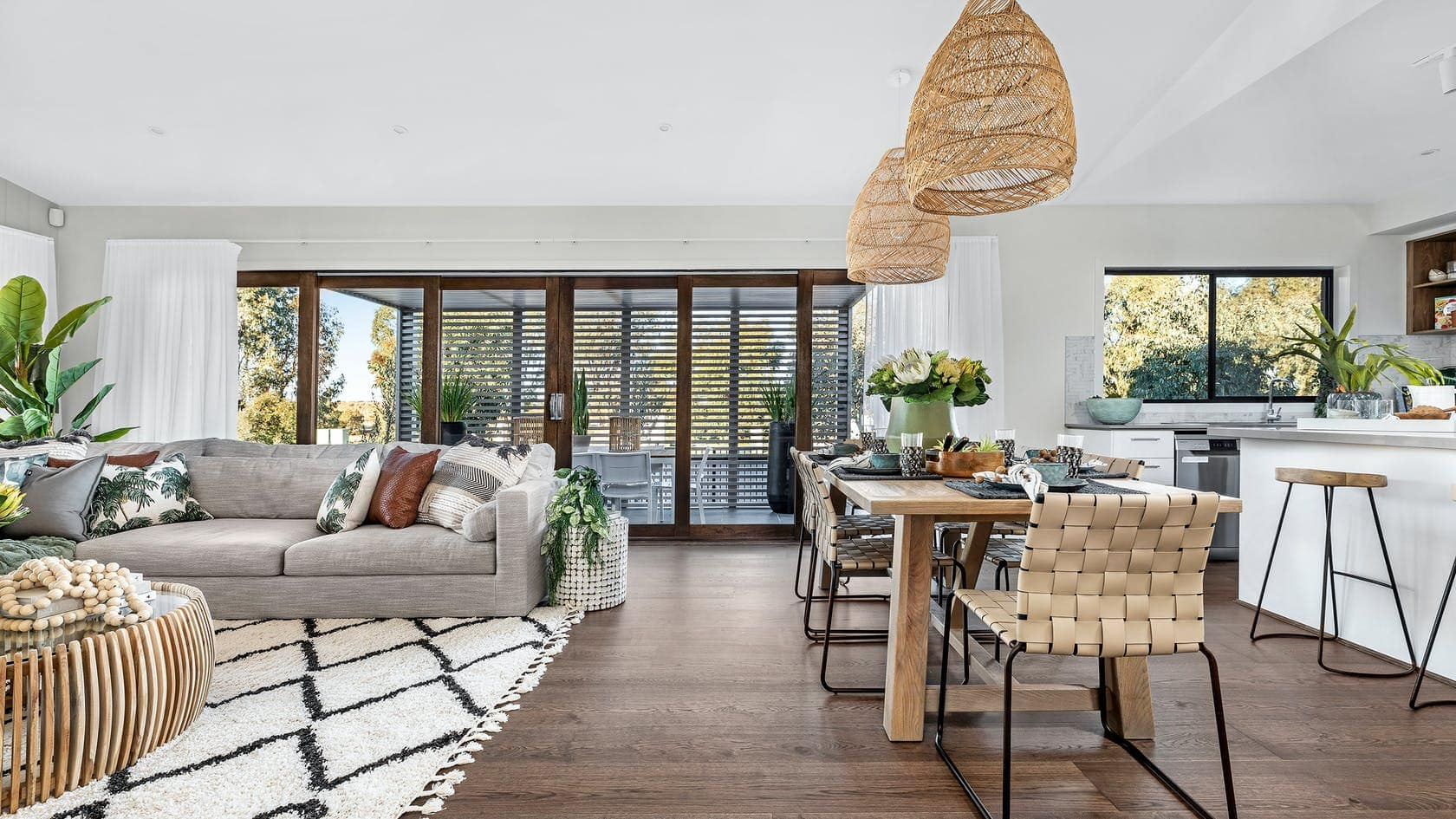
Changing flooring materials in an open concept space without a thoughtful transition can create visual chaos. When the living room has hardwood and the dining area has tile, the connection feels jarring, like two separate rooms colliding. Instead, choose a single flooring material for the entire open space, or create a clear visual transition—such as a different layout or color—that feels intentional rather than accidental. Hardwood throughout with a defined dining area rug is a classic solution.
Why it's a mistake: Inconsistent flooring without transition creates visual chaos. The connection between areas feels jarring and unplanned.
The fix: Use the same flooring throughout the open space, or create an intentional transition with an area rug that defines each zone.
5. Overlooking the Need for Defined Zones
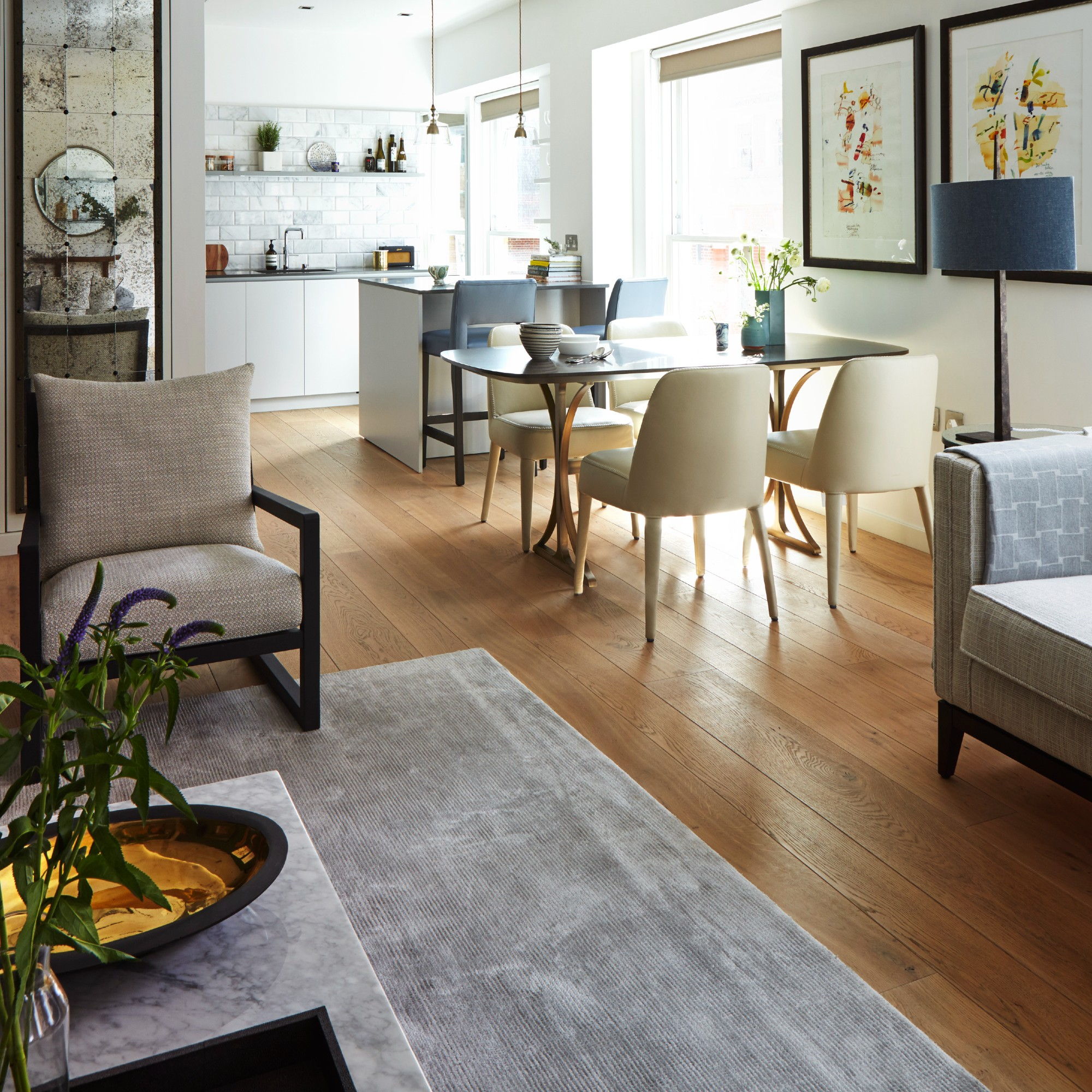
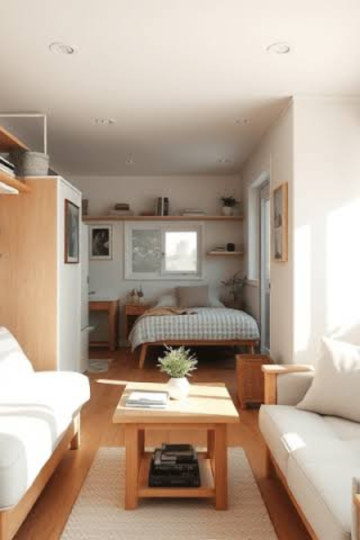
Without the physical boundaries of walls, open concept spaces can feel undefined and chaotic. Many homeowners fail to create distinct zones for living and dining, resulting in a space that feels like a furniture showroom rather than a home. The solution is to use furniture placement, area rugs, and lighting to create clear, distinct zones for each activity. An area rug under the dining table, for example, clearly defines that space as separate from the living area.
Why it's a mistake: Without defined zones, the space feels chaotic and undefined. The lack of clarity undermines the function of each area.
The fix: Define each zone with area rugs, furniture placement, and distinct lighting.
6. Choosing Oversized Furniture
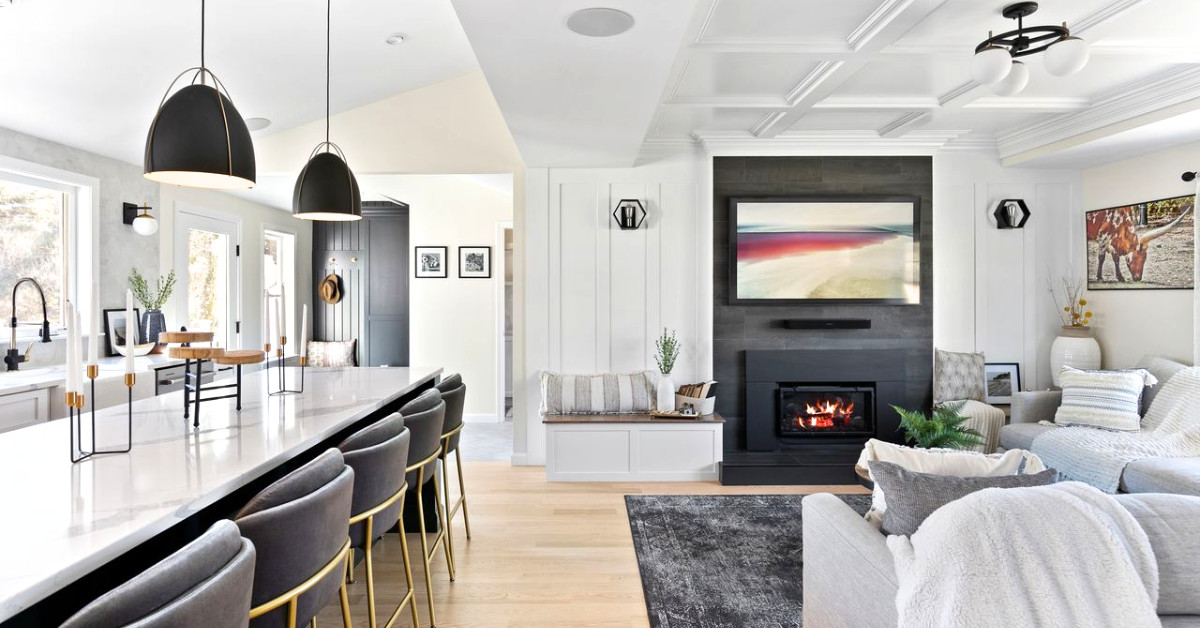
The scale of furniture in an open concept space matters enormously. Oversized furniture can overwhelm a space and make it feel cramped, while undersized furniture can look lost and insignificant. Many homeowners make the mistake of choosing furniture based on what's comfortable without considering how it fits in the larger space. Measure your space carefully and choose furniture that's proportionate to the overall open area and the specific zone it's intended to fill.
Why it's a mistake: Oversized furniture overwhelms the space and makes it feel cramped. The wrong scale throws off the entire balance of the room.
The fix: Choose furniture that's proportionate to both the overall space and each specific zone.
7. Not Defining Traffic Flow
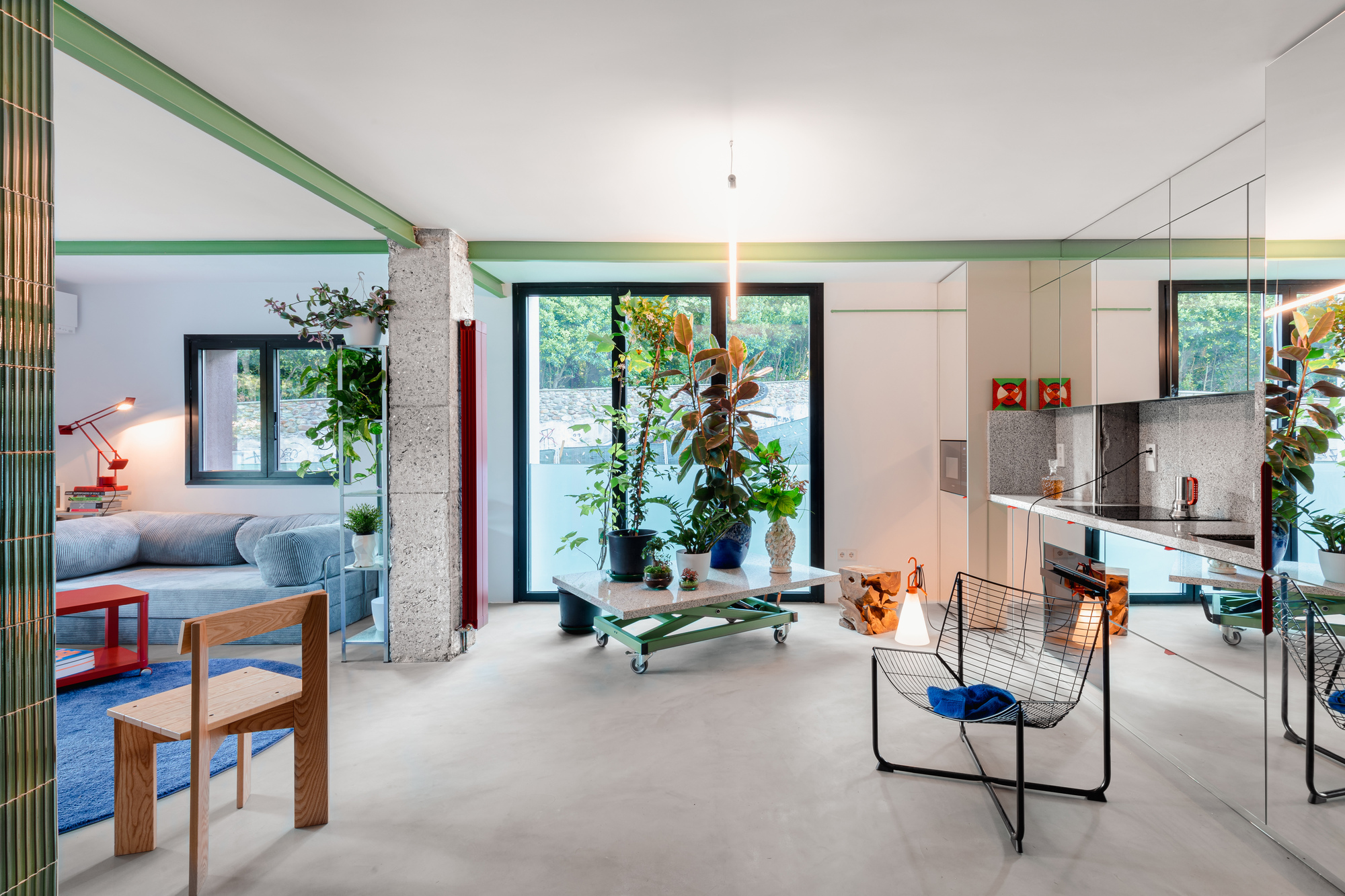
Open concept spaces have a natural traffic flow that should be considered during furniture placement. Many homeowners create "obstacle courses" of furniture that force people to navigate awkwardly through the room. Instead, create clear, logical pathways that guide movement through the space. The path from the front door to the kitchen, for example, should be clear and unobstructed. This not only improves function but also creates a more welcoming environment.
Why it's a mistake: Awkward traffic flow makes the space feel awkward and difficult to navigate. The furniture placement creates obstacles rather than facilitating movement.
The fix: Create clear pathways that guide movement through the open space. Leave 36 inches for main paths.
8. Forgetting About Art and Personalization
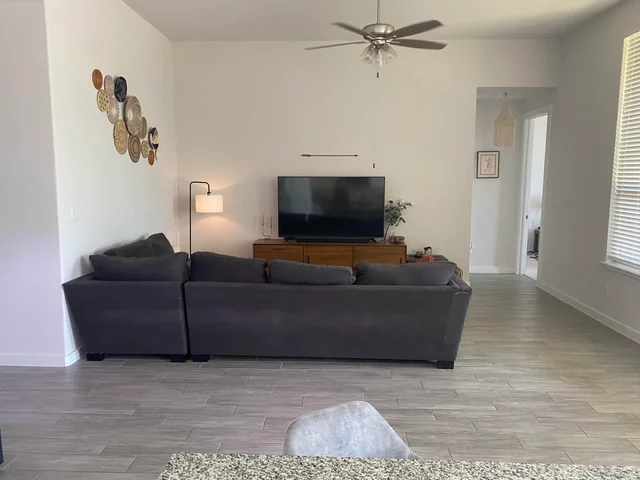
Because open concept spaces typically have fewer walls, the opportunities for displaying art are limited. Many homeowners neglect to personalize these spaces at all, resulting in rooms that feel like showrooms rather than homes. Instead, be creative about art placement—use the dining area for a larger statement piece, or lean a piece of art on a shelf or mantel. Consider an oversized statement piece that can stand alone on a large expanse of wall, creating a major focal point.
Why it's a mistake: The lack of personalization makes the space feel cold and impersonal. The room fails to reflect the people who live there.
The fix: Be creative with art placement, using available walls, vertical surfaces, and creative leaning arrangements.
9. Neglecting the Power of Rugs
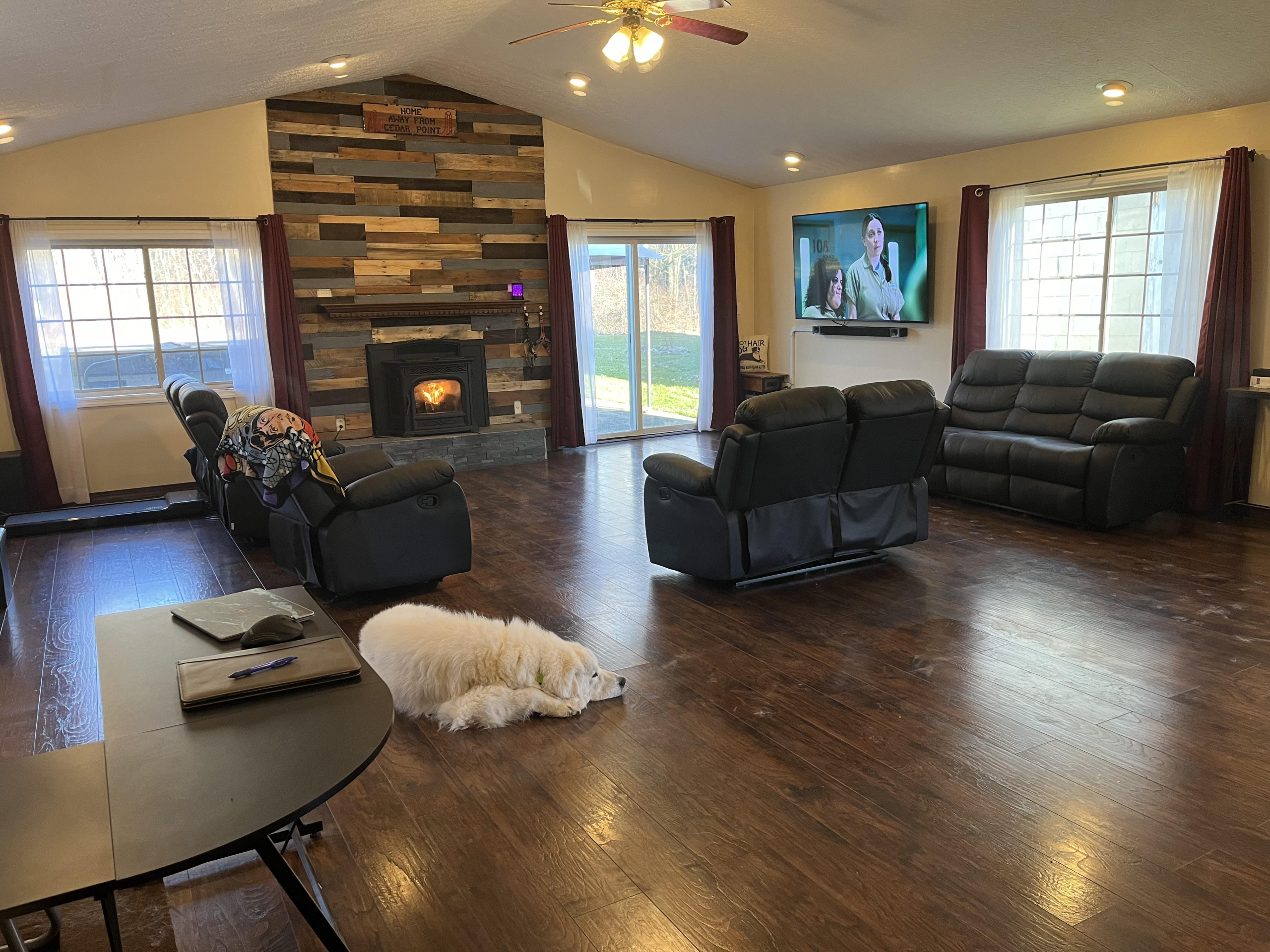
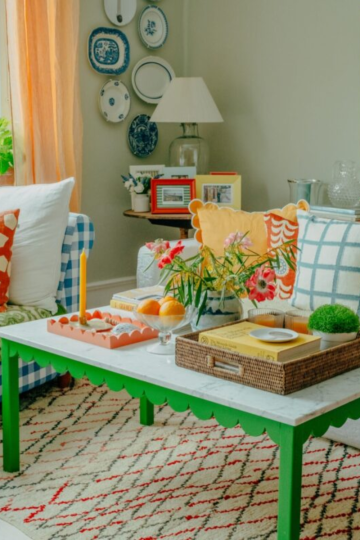
Rugs are essential in open concept spaces for both acoustic and visual reasons, but many homeowners use them incorrectly. Common mistakes include using rugs that are too small, placing them at awkward angles, or using rugs that don't connect visually to adjacent spaces. The rug under the dining table, for instance, should be large enough to accommodate chairs being pulled out. In open concept spaces, rugs should define zones while still being visually connected.
Why it's a mistake: Rugs that are too small or incorrectly placed fail to define zones or provide visual connection. The overall effect is disjointed.
The fix: Choose rugs that define each zone while still being visually connected. Ensure rugs are large enough for their intended area.
10. Having No Focal Point
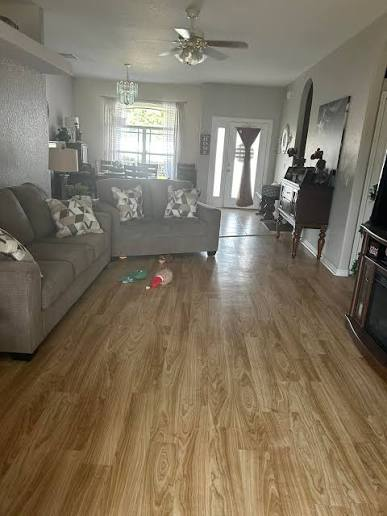
A room without a focal point is a room that never feels finished. Many open concept homes lack a clear focal point, resulting in a space that feels scattered and unanchored. The solution is to create a strong focal point in either the living or dining area—perhaps a fireplace in the living room or a statement light fixture over the dining table. This focal point grounds the space and gives the eye somewhere to rest . The focus should be something that naturally draws attention, like a dramatic chandelier or a built-in shelving unit.
Why it's a mistake: Without a focal point, the space feels scattered and unanchored. The eye has nowhere to rest, making the room feel unfinished.
The fix: Create a strong focal point in either zone—a fireplace, a statement light fixture, or a large piece of art.
11. Placing Your TV in the Wrong Spot
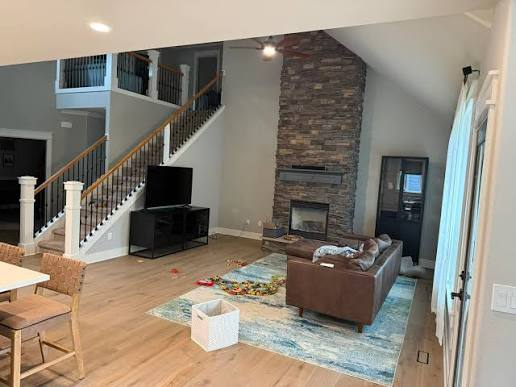
Television placement in open concept spaces is a common challenge. Many homeowners position the TV over the fireplace, which places it too high for comfortable viewing, or on a wall that creates awkward angles for seating. The solution is to position the TV at eye level from the primary seating position, and to consider whether the TV should be the focal point or should share that role with another element, like a fireplace . When the TV is too high or awkwardly angled, it undermines the entire entertainment experience.
Why it's a mistake: Poor TV placement creates uncomfortable viewing angles and can undermine the design of the entire room.
The fix: Position the TV at eye level from the primary seating. Consider if the TV should be the focal point or share the role.
12. Using One Color Throughout
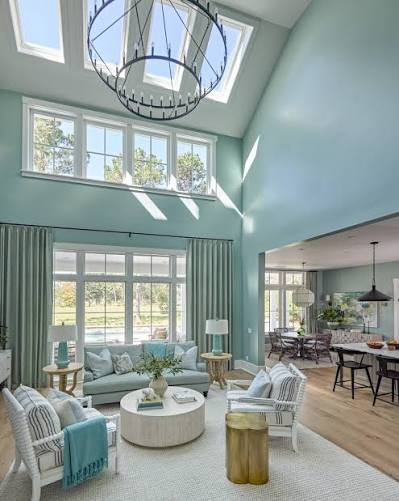
While open concept spaces benefit from a consistent color palette, using the exact same color throughout can make the space feel monotonous. Many homeowners make the mistake of painting every wall the same shade, resulting in a flat, uninspiring space. Instead, choose a color palette that varies slightly between zones—perhaps a deeper shade on the dining room accent wall and a lighter version in the living area. The variation should be subtle but enough to create a sense of depth.
Why it's a mistake: Using the same color throughout creates a flat, monotonous space. The lack of variation makes the room feel uninspired.
The fix: Choose a consistent color palette but vary the shades slightly between zones to create depth.
13. Ignoring the Ceiling
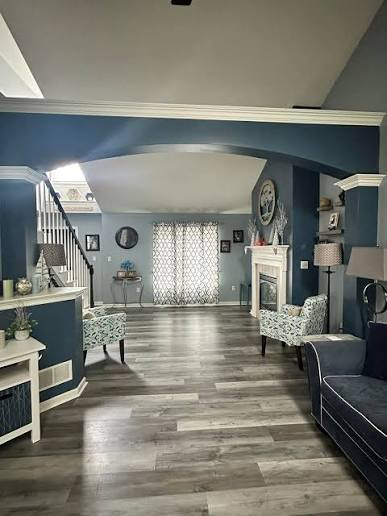
The ceiling is the forgotten fifth wall in many open concept spaces. Neglecting it can make the space feel unfinished and cold. Instead, consider painting the ceiling, adding beams or paneling, or using a dramatic light fixture to draw the eye upward. A ceiling treatment can add architectural interest and help define zones within the open space. For example, a dropped ceiling in the dining area can visually separate it from the living room.
Why it's a mistake: Ignoring the ceiling makes the space feel unfinished and cold. The lack of architectural interest undermines the overall design.
The fix: Add ceiling treatments like beams, paneling, or a contrasting color to add depth and interest.
14. Ignoring the Entrance
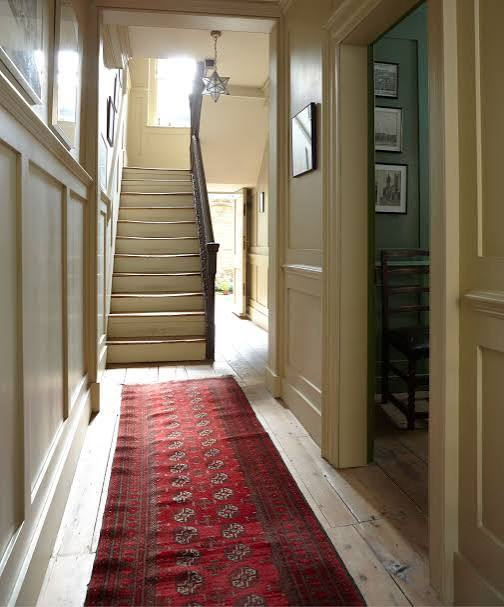
The entrance to an open concept space is often overlooked. Many homeowners make the mistake of not staging the entrance properly, resulting in a space that feels disorganized from the first step. A simple console table with a lamp, a mirror, and a few decorative items creates a welcoming entry that sets the tone for the entire room. A small rug underneath helps to define the zone and protect the floor. This small addition instantly elevates the entire open concept area.
Why it's a mistake: A neglected entrance sets the wrong tone for the entire open concept space. The lack of definition at the entrance makes the room feel disorganized.
The fix: Stage the entrance with a console table, mirror, and decorative items to create a welcoming transition.
15. Not Designing for Everyday Life
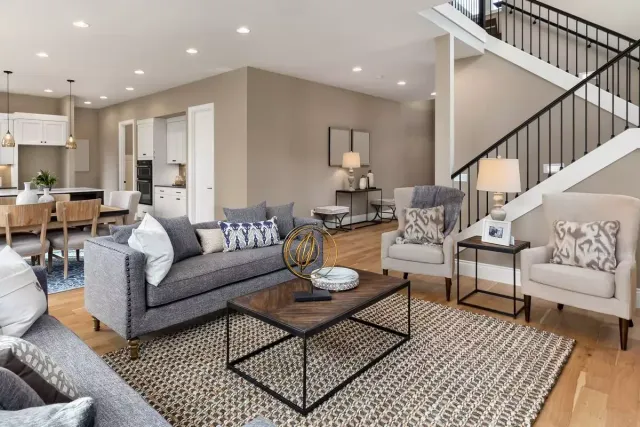
Perhaps the biggest mistake in open concept design is designing for an idealized vision rather than actual daily life. Many homeowners create spaces that look perfect but don't support how they actually live—no place for kids' toys, insufficient seating for family movie nights, or a dining area that's too formal for everyday use. The solution is to design with honest assessment of your lifestyle. Include toys in baskets, seat everyone comfortably, and design for the way you live every day. The most successful open concept spaces are those that look beautiful while supporting real-life activities.
Why it's a mistake: Designing for an idealized vision rather than daily life creates spaces that are beautiful but unusable.
The fix: Design for your actual lifestyle, including practical storage, comfortable seating, and spaces that support everyday activities.
Creating a Successful Open Concept Space
Open concept living and dining spaces offer tremendous potential for connection and flow, but they require intentional design to function well. By avoiding these common mistakes and implementing thoughtful solutions, you can create a space that's both beautiful and livable. Focus on defining zones, layering lighting, and designing for your actual lifestyle to achieve an open concept space that truly works.