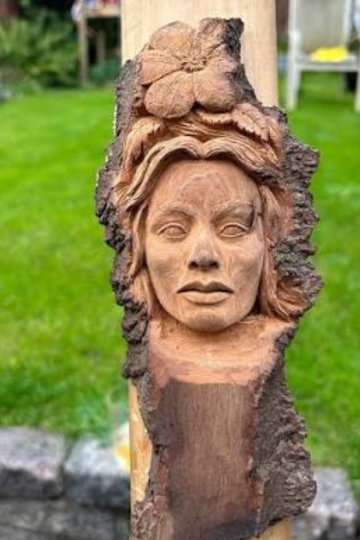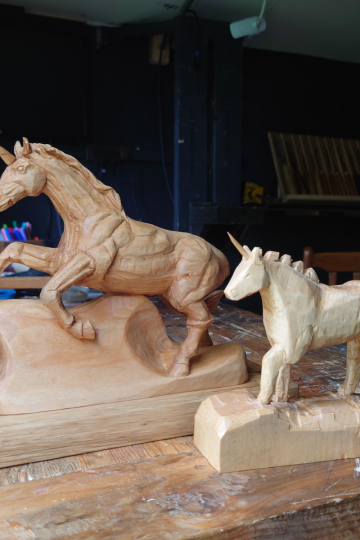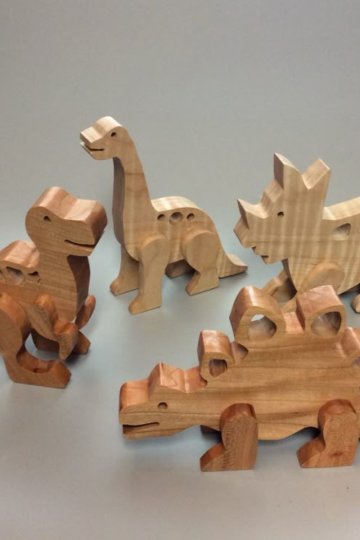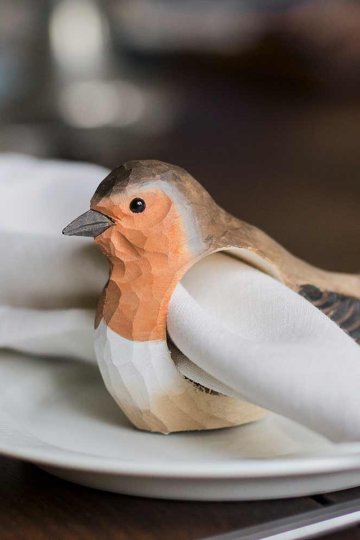
There is a quiet revolution happening in the world of handmade goods. Shoppers are increasingly turning away from mass-produced items in favor of unique, handcrafted pieces that carry the mark of the maker. This shift has created a vibrant market for small wood carvings, which are desirable for their natural beauty, tactile quality, and the sense of authenticity they convey. For wood carvers, this presents an exciting opportunity to turn a relaxing hobby into a profitable side business.
The market for small wood carving projects that sell is diverse and growing. From practical kitchen utensils to whimsical decorative figures, there is a buyer for almost every style of carving. The key to success lies in understanding what sells, creating high-quality pieces efficiently, and finding the right channels to reach your customers. Many carvers are surprised to learn that their small, simple carvings can command prices that reflect the time, skill, and materials involved, especially when they are marketed effectively.
In this guide, we will explore a variety of small wood carving projects that are not only achievable for carvers of all skill levels but also have strong market demand. We will look at pricing strategies, where to sell your work, and how to present your carvings to attract buyers. Whether you are looking to earn extra income from your hobby or build a full-time business, these project ideas will give you a solid starting point for turning your carving skills into cash.
13 Wood Carving Projects with Strong Sales Potential
Here are fifteen small wood carving projects that consistently sell well, along with tips on how to make them appealing to buyers.
1. Handcrafted Wooden Spoons
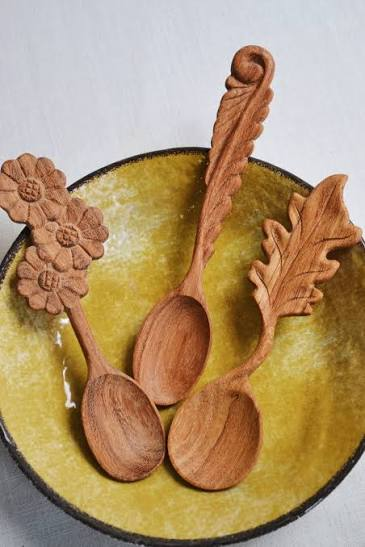
Wooden spoons are classic kitchen tools that never go out of style. Buyers love them for their durability, beauty, and the connection to traditional craftsmanship. To make your spoons more attractive, focus on ergonomic handle designs and smooth finishes. Use food-safe oils to bring out the grain. Pricing can range from twenty to fifty dollars depending on size, wood type, and detail.
2. Wooden Butter Knives
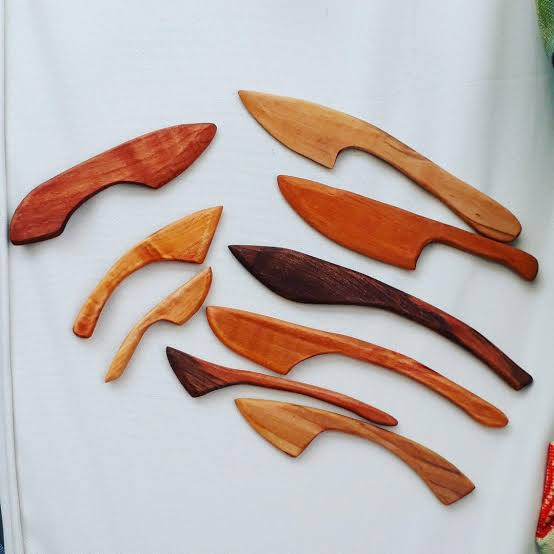
Butter knives are smaller than spoons, making them faster to produce and easier to sell in sets. They are popular as gifts and stocking stuffers. Offer them in sets of two or four, and use attractive woods like walnut or cherry for a premium look. Prices typically range from fifteen to thirty dollars each.
3. Personalized Name Keychains
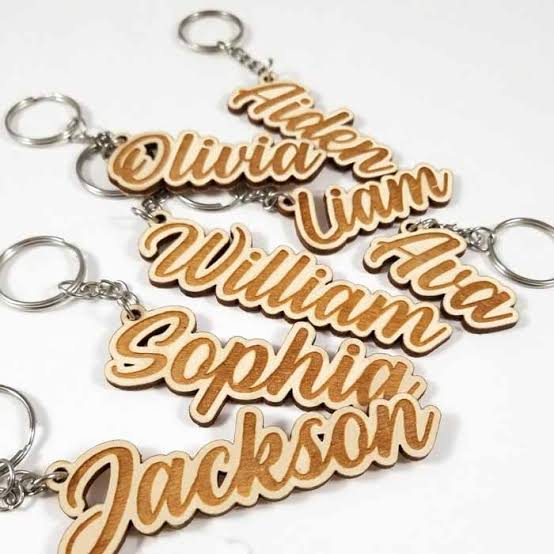
Custom keychains are highly sought after, especially for gifts. Carve simple shapes like hearts, stars, or initials. Personalization adds significant value and justifies a higher price. Use light woods like basswood for easy carving and a clean finish. Prices range from ten to twenty-five dollars depending on complexity.
4. Small Animal Figurines

Tiny animal carvings like owls, bears, foxes, and hedgehogs are perennial favorites. They appeal to collectors, children, and anyone who appreciates miniature art. Focus on creating a recognizable shape with a few well-defined features. Sell them individually or in themed sets. Prices range from fifteen to forty dollars.
5. Wooden Christmas Ornaments
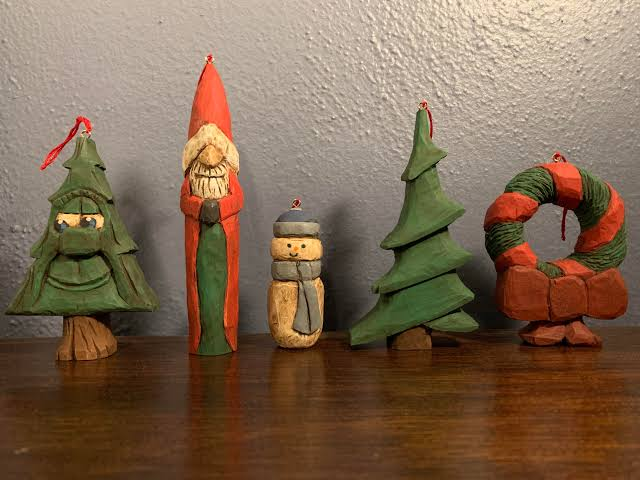
Seasonal ornaments are highly profitable, especially during the holiday season. Carve simple shapes like snowflakes, stars, angels, or Christmas trees. Add a small hook or ribbon for hanging. Offer themed sets and package them attractively. Prices range from ten to thirty dollars per ornament.
6. Rustic Wine Stoppers
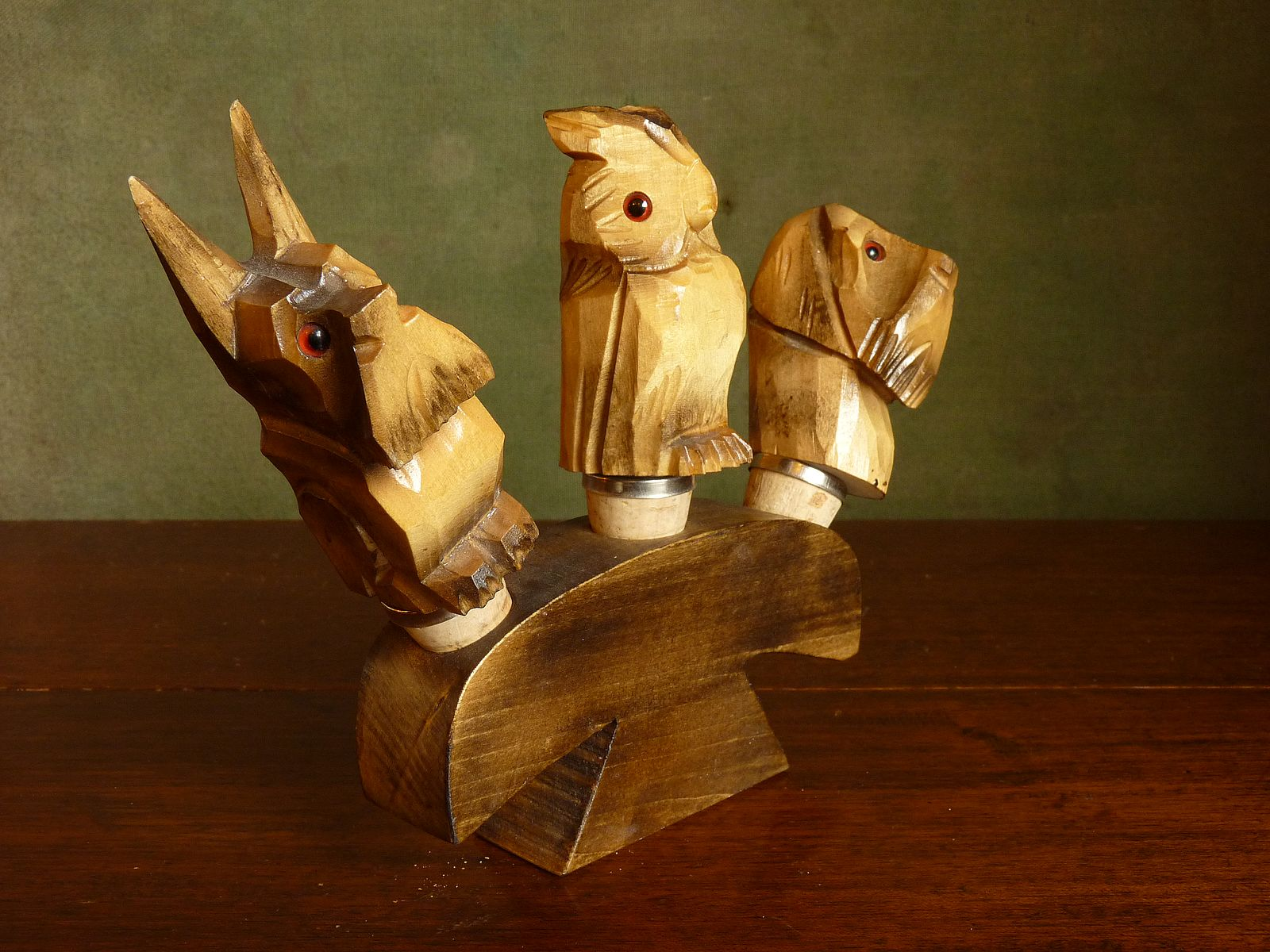
Wine stoppers are functional and decorative, making them great gifts. Carve the top into a simple shape like a leaf, acorn, or geometric design. Use a pre-made metal or cork stopper base. These sell well at craft fairs and online. Prices range from twenty to forty-five dollars.
7. Wooden Whiskey Stones
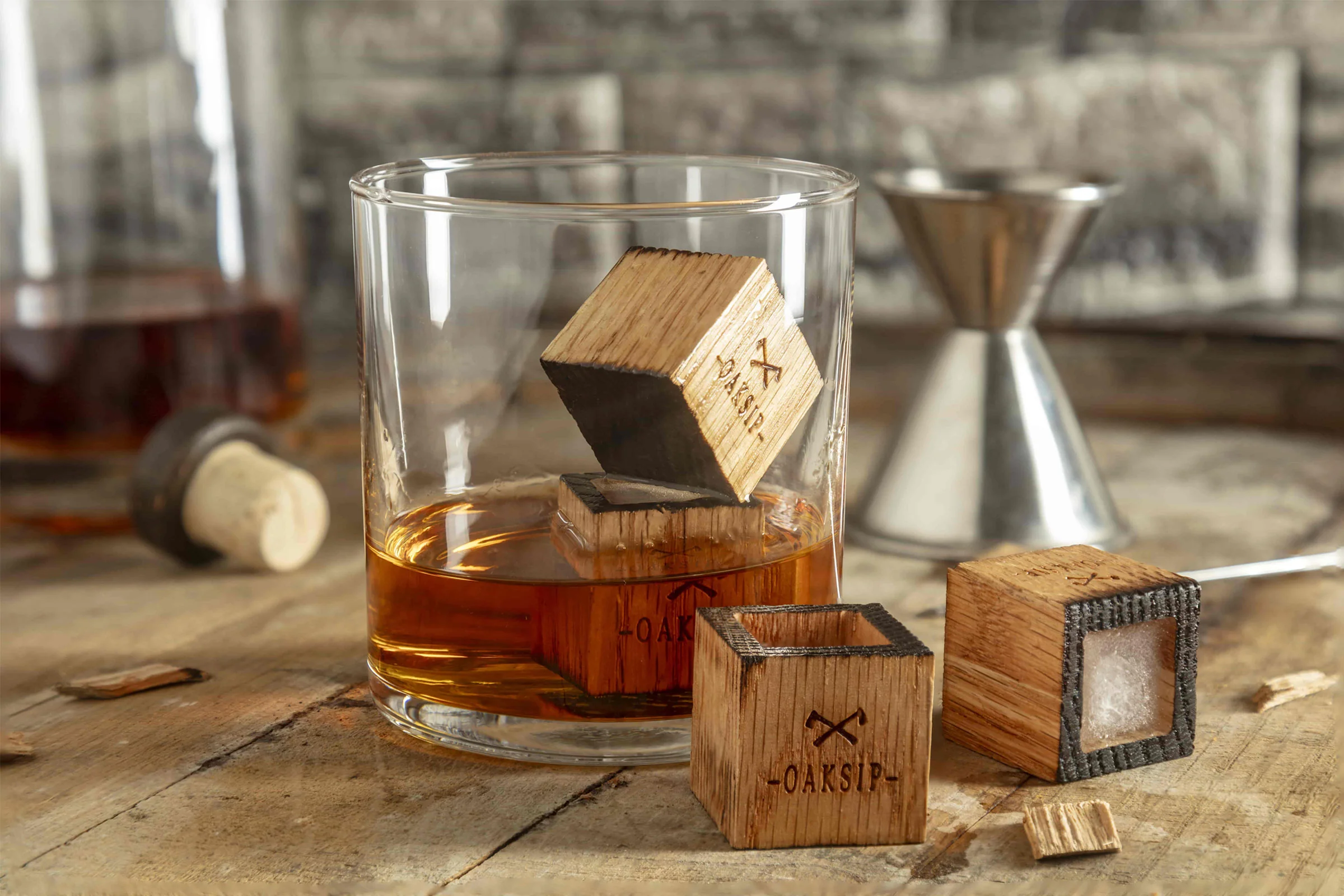
Replace traditional stone whiskey stones with carved wooden versions. Choose hard, dense woods like oak or maple. Carve simple cubes or geometric shapes. These appeal to the premium spirits market. Prices range from fifteen to thirty dollars for a set of four.
8. Hand Carved Hair Pins
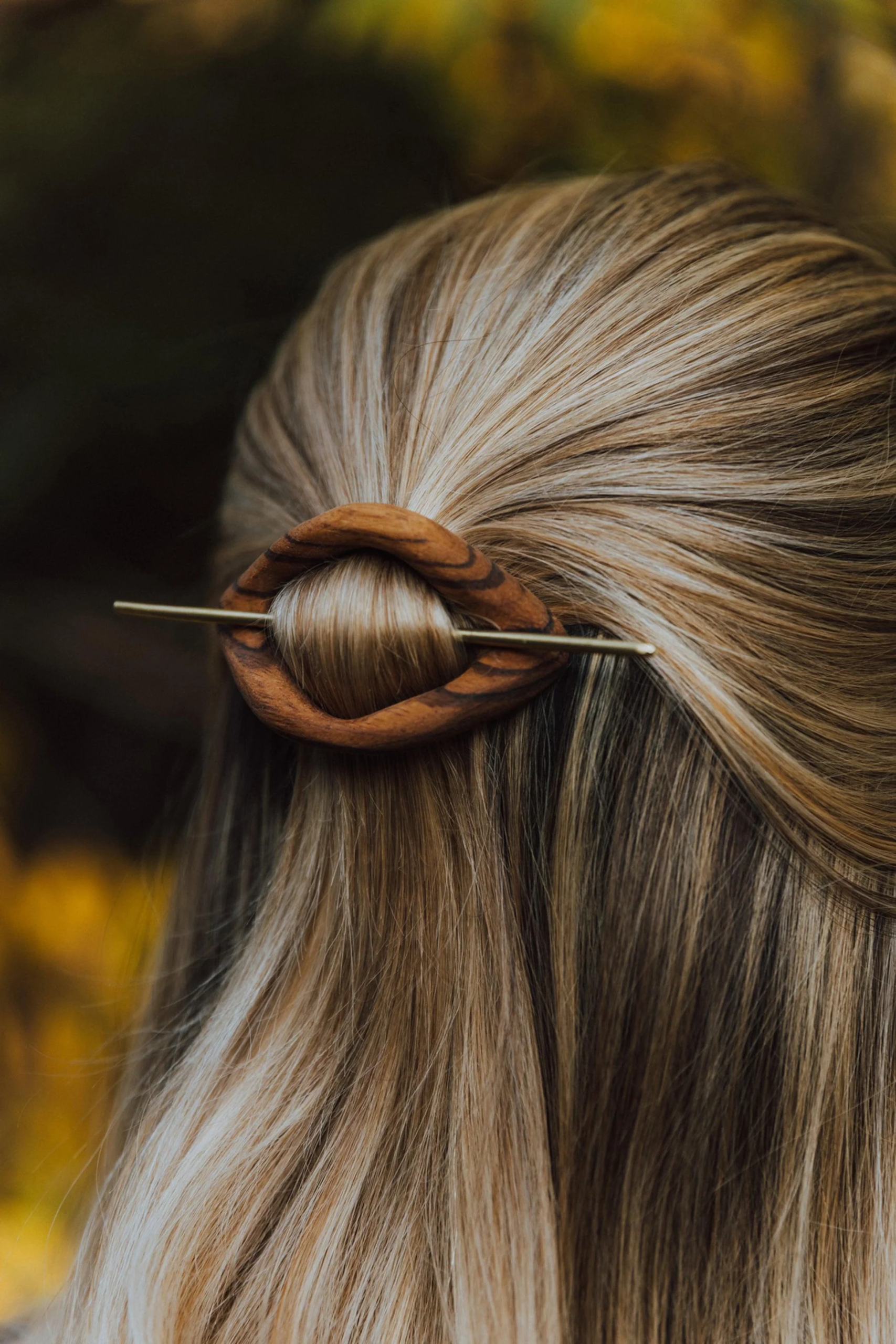
Hair pins are small, easy to carve, and highly marketable. Carve simple shapes like leaves, flowers, or abstract curls. Use smooth, fine-grained woods that will not snag hair. These sell particularly well at boutiques and markets. Prices range from twelve to twenty-five dollars.
9. Wooden Pendants and Necklaces
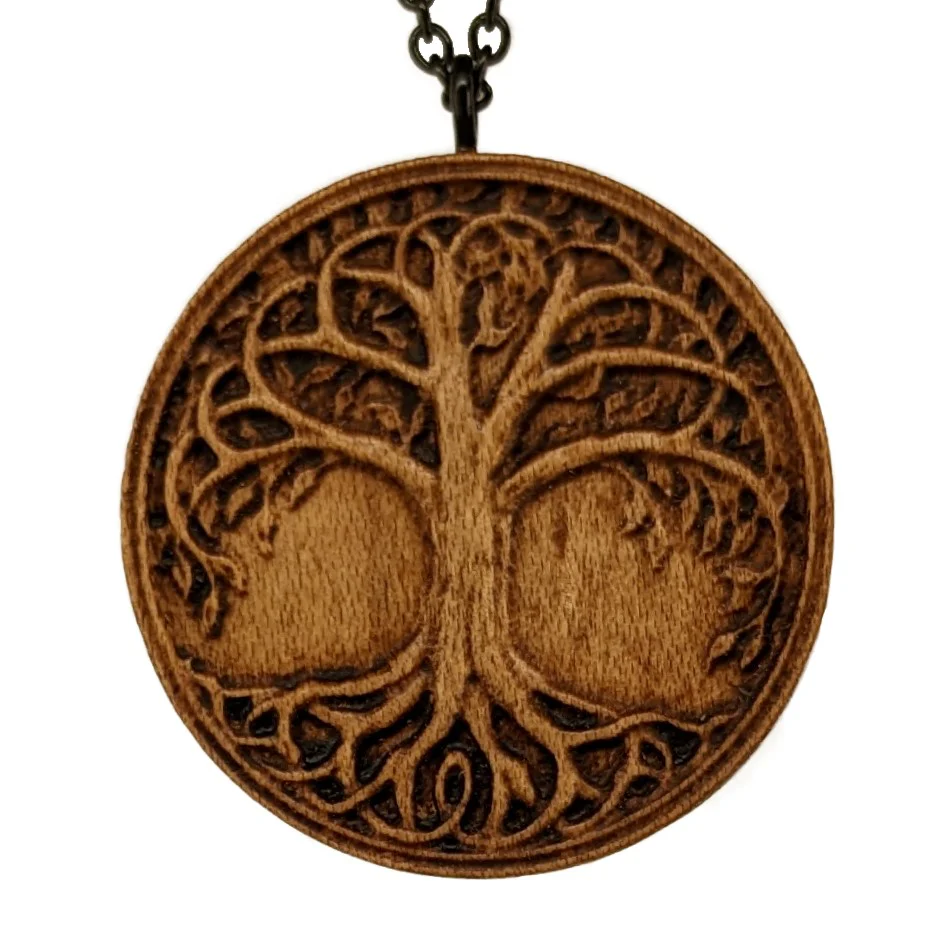
Jewelry is a high-margin category. Carve small pendants in shapes like hearts, teardrops, or geometric forms. Add a leather cord or chain. Use lightweight woods like basswood or cedar. Prices range from fifteen to forty dollars depending on the design and finish.
10. Desktop Name Plaques
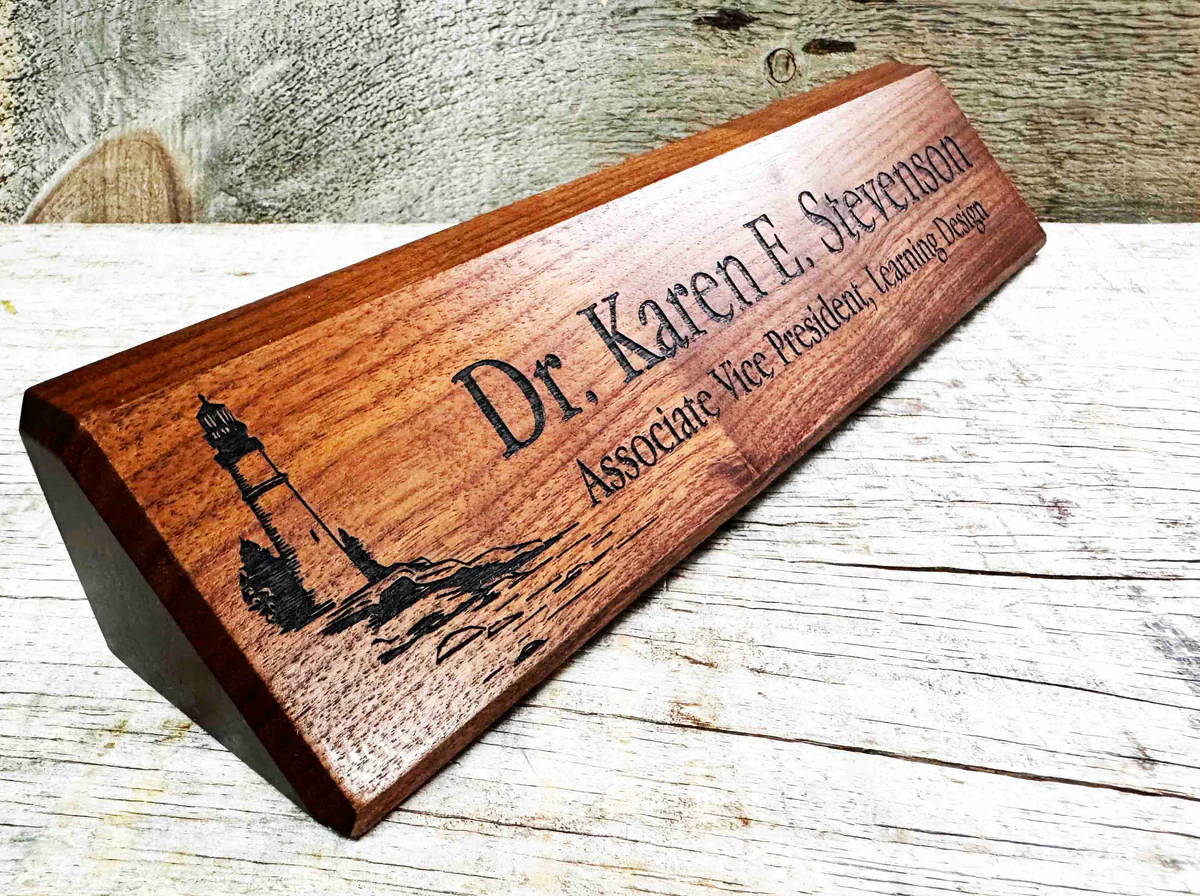
Personalized name plaques are popular for office desks, children's rooms, and as gifts. Carve a name or word into a smooth block of wood. Offer different font styles and wood types. Add a small stand or make them free-standing. Prices range from twenty to fifty dollars.
11. Garden Markers
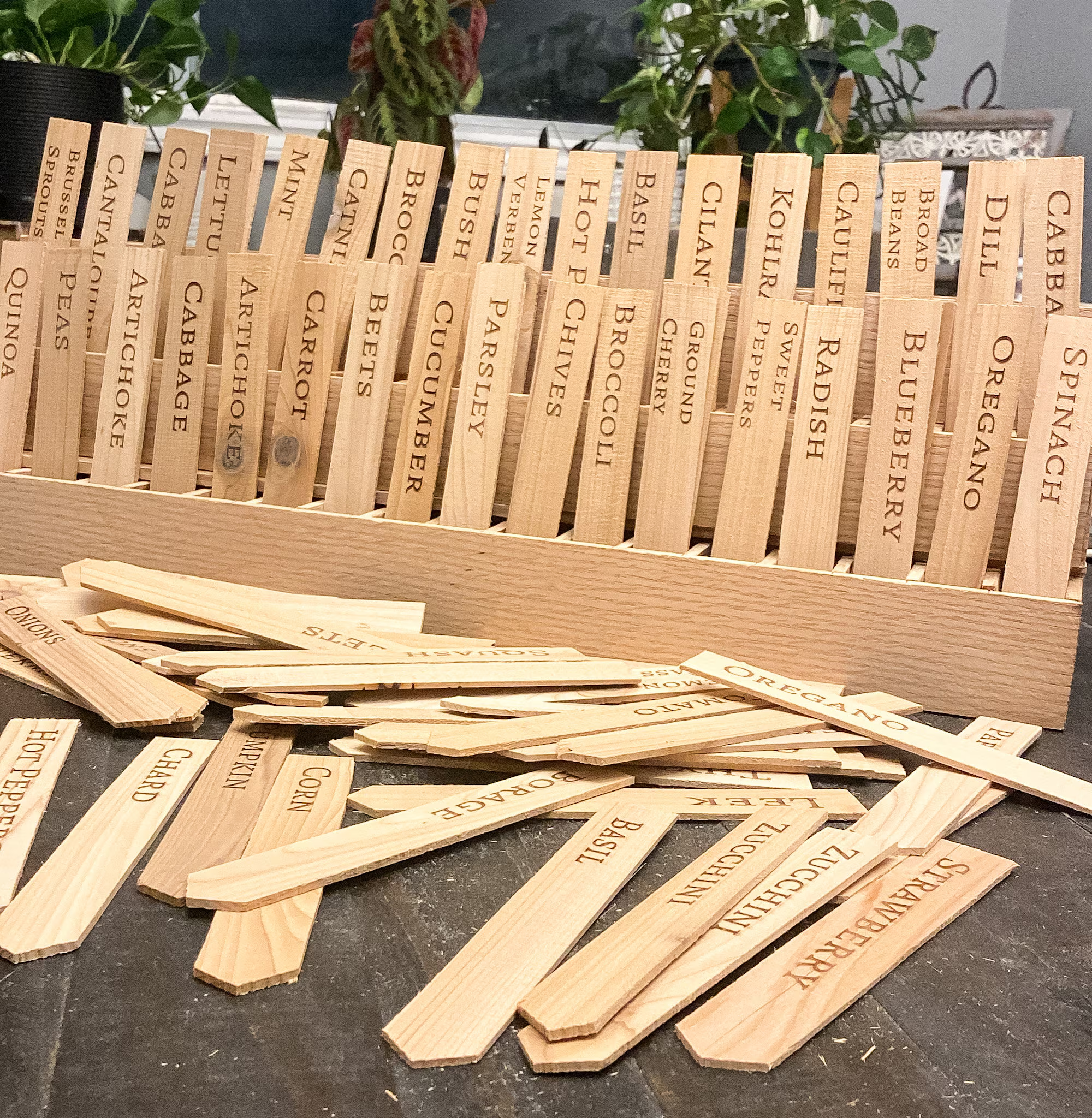
Hand-carved garden markers are both functional and charming. Carve the names of herbs or vegetables into small wooden stakes. Use weather-resistant woods and finishes. These sell well at garden centers and farmers' markets. Prices range from five to fifteen dollars each.
12. Wooden Coasters
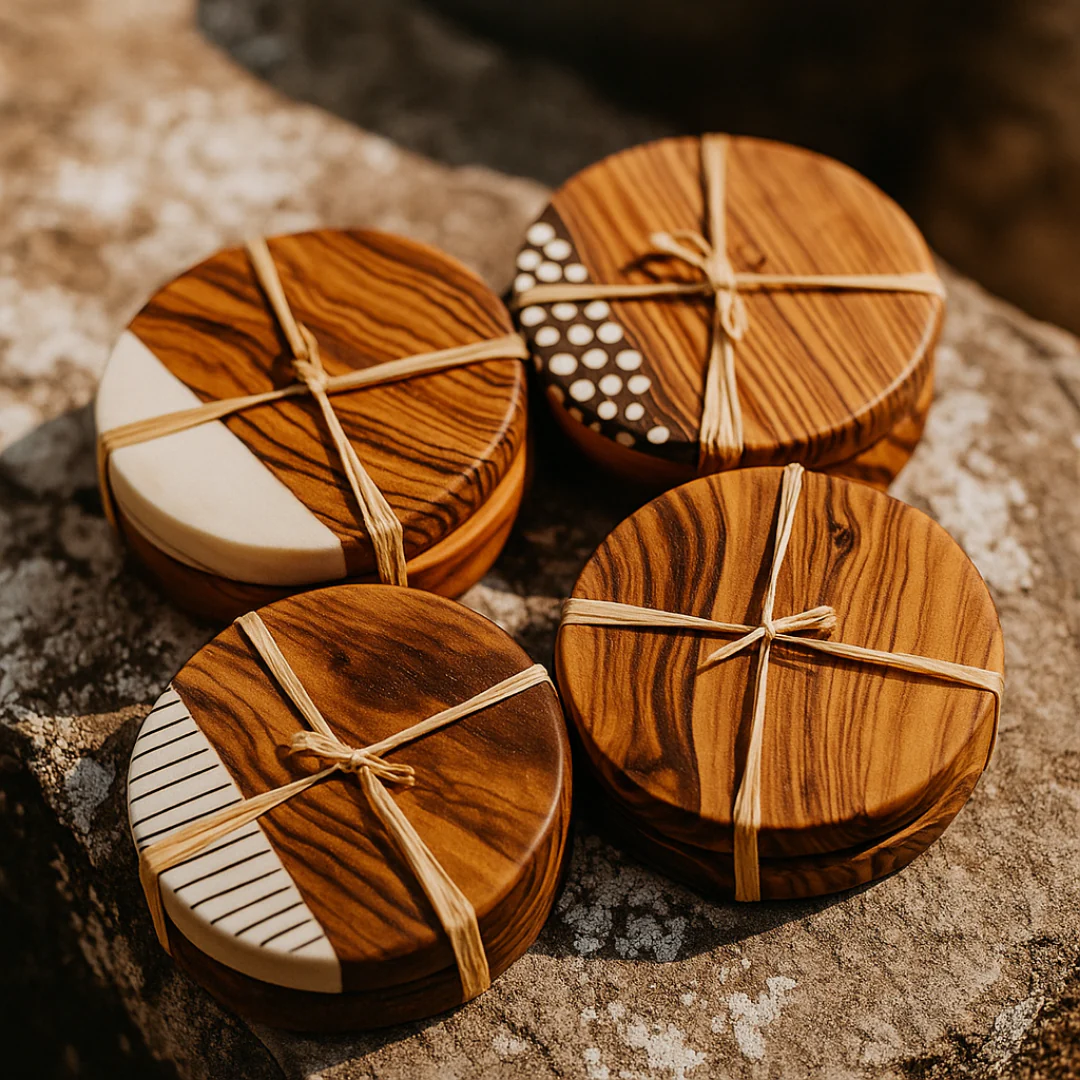
Coasters are practical items that can be carved with decorative patterns. Carve simple designs like leaves, geometric patterns, or initials. Offer sets of four in a small box or tied with twine. Prices range from twenty to forty dollars per set.
13. Whimsical Mushroom Figures
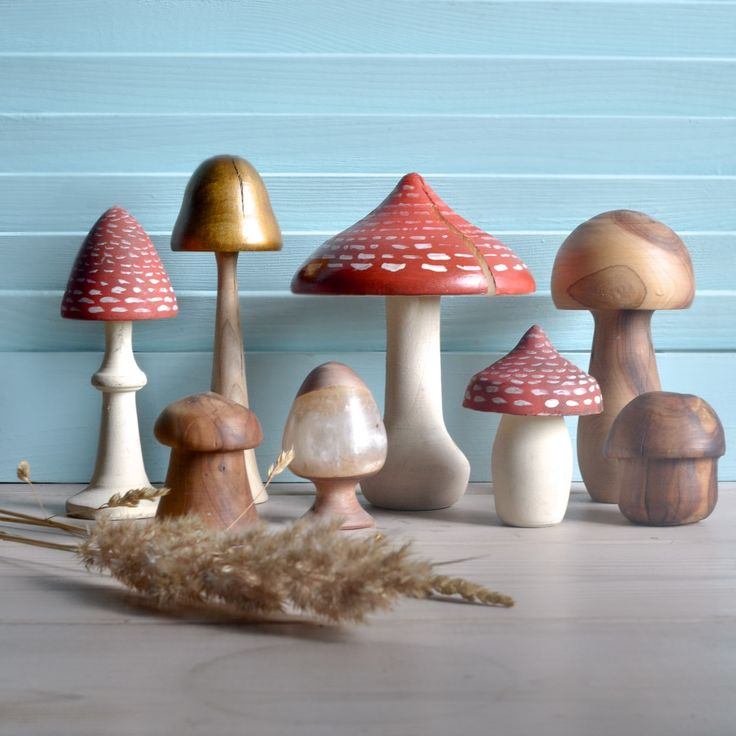
Mushroom carvings are trendy and fun. Carve them in various sizes and styles. Paint some and leave others natural to appeal to different tastes. They make charming desk decorations or shelf accents. Prices range from ten to thirty-five dollars.
Tips for Selling Your Wood Carvings
Understanding how to market and price your work is just as important as creating it.
Quality is paramount. Buyers of handmade items expect a certain level of craftsmanship. Take the time to sand your pieces smooth, remove any tool marks, and apply a high-quality finish. A beautifully finished piece commands a much higher price than a rough carving. Presentation also matters. Photograph your work in good lighting, use neutral backgrounds, and show the scale of your pieces.
Pricing can be challenging for new sellers. A good rule of thumb is to calculate your materials cost, multiply by three, and add an hourly rate for your time. Research what similar items are selling for on platforms like Etsy or at craft fairs. Do not undervalue your work. Buyers are willing to pay for quality handmade goods.
Selling platforms include Etsy, Instagram, local craft fairs, farmers' markets, and consignment at local boutiques. Each channel has its own advantages and audience. Etsy offers a global reach, while craft fairs allow for direct customer interaction and immediate sales. Consider starting with one channel and expanding as you build your inventory and customer base.
Frequently Asked Questions About Selling Wood Carvings
What are the easiest wood carvings to sell?
Wooden spoons, keychains, small animal figurines, and Christmas ornaments are consistently among the easiest items to sell. They have broad appeal and are accessible to buyers at various price points.
Where is the best place to sell wood carvings?
Etsy is a popular platform for handmade goods. Local craft fairs and farmers' markets are excellent for connecting directly with customers. Instagram is also effective for building a following and selling directly.
How much should I charge for my carvings?
A common pricing strategy is materials cost multiplied by three plus an hourly rate. Research what similar items sell for and price competitively. Do not undervalue your work.
What wood is best for items I want to sell?
Basswood is great for beginners and detailed work. Walnut and cherry offer beautiful colors and are popular for kitchen items. Choose wood that suits the project and appeals to buyers.
How do I photograph my carvings for sale?
Use natural lighting, a clean background, and take photos from multiple angles. Show the scale with a common object like a coin or ruler. High-quality photos are essential for online sales.
Do I need to finish my carvings before selling them?
Yes. A smooth sanded finish and a protective coating of oil, wax, or varnish significantly increase the perceived value of your work. Buyers expect finished, ready-to-use items.
Conclusion
Turning your wood carving hobby into a profitable venture is an achievable goal with the right approach and project selection. The fifteen project ideas outlined in this guide provide a strong foundation for building an inventory of items that have proven market demand. Focus on quality, consistent production, and effective presentation to attract buyers and build a loyal customer base.
Remember that success does not happen overnight. Start with a few projects that interest you, refine your techniques, and gradually expand your offerings. Listen to customer feedback, observe market trends, and adapt accordingly. With patience and persistence, you can transform your carving skills into a rewarding source of income.