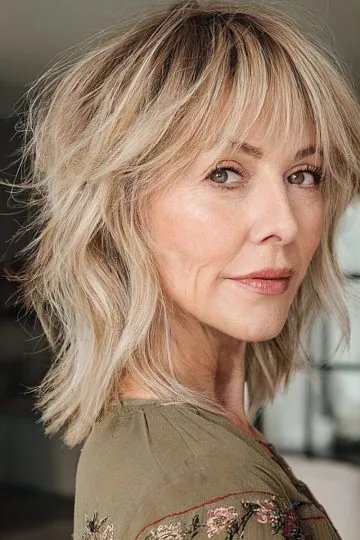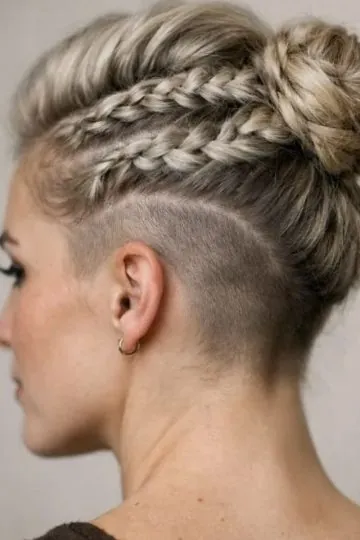
The undercut pixie is a haircut that keeps a secret. From the front and sides, it looks like a classic pixie—soft, feminine, and polished. But from the back, or when the wind blows, the truth is revealed: a closely shaved or clipped section at the nape of the neck, hidden beneath longer top layers. For women over 50, this hidden architecture is not just a style statement; it is a practical solution to common age-related hair challenges. Thinning at the crown, loss of volume, heavy bulk that refuses to lift, and the constant struggle to keep fine hair from falling flat—the undercut addresses all of these. By removing the densest, heaviest hair at the nape, the remaining top layers are freed from weight and spring upward naturally. 10 undercut pixie haircuts for over 50 prove that you can have dramatic volume, easy maintenance, and a modern edge without looking like you tried too hard. Whether you want a subtle hidden undercut that no one notices or a bold shaved design that makes a statement, these ten cuts deliver lift, lightness, and confidence.
Why Undercut Pixie Haircuts for Over 50 work
After fifty, hair changes in ways that can feel frustrating. The hair shaft itself often becomes finer, meaning each individual strand has less structural support. The growth cycle may slow down, making regrowth take longer. And the crown—the very top of the head—often becomes the flattest, most stubborn area to style. Traditional pixie cuts can help, but they still leave a significant amount of hair at the nape. That nape hair is the heaviest on your head. It pulls downward constantly, fighting against any volume you try to create at the crown.
The undercut removes that problem at the source. By shaving or clipping the nape hair very short (often a quarter inch or less), you eliminate the downward pull. The hair that remains—the top and sides—no longer has to fight against gravity. It lifts naturally, often without any product at all. The undercut also reduces bulk for women with thick or coarse hair, making the pixie easier to style and faster to dry. And because the undercut is hidden, you can choose how dramatic or subtle you want it to be. A small, one-inch-high undercut is invisible when your hair is down. A larger, patterned undercut with shaved designs becomes a playful secret or a bold statement when you flip your hair up.
1. The Classic Hidden Undercut Pixie
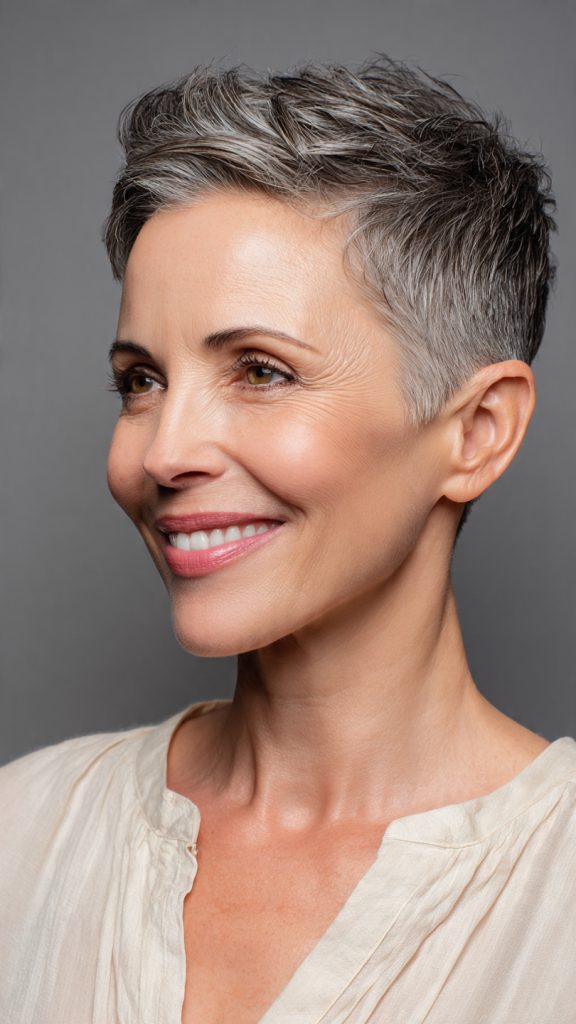
This is the foundational undercut. The top and sides are cut into a classic pixie shape (approximately two to three inches long, soft layers, feminine silhouette). At the nape, a small triangle of hair—usually one to two inches high and two to three inches wide—is shaved or clipped to a quarter inch or less. The longer top layers fall over the shaved area, hiding it completely when the hair is in its natural position.
Why it works: The classic hidden undercut is the perfect entry point for women over 50 who are curious about the style but nervous about commitment. It delivers all the volume benefits of an undercut without any visible change to the exterior of the haircut. Your friends will notice your hair looks fuller and bouncier, but they will not be able to figure out why.
Styling tip: Style the top layers as you normally would—blow-dry with a round brush, add a little mousse at the roots. The undercut requires no special attention. To check if it needs a trim, lift the top layers and feel the nape. When the shaved hair reaches one inch, it is time for a touch-up.
2. The High Undercut Pixie (Dramatic Lift)
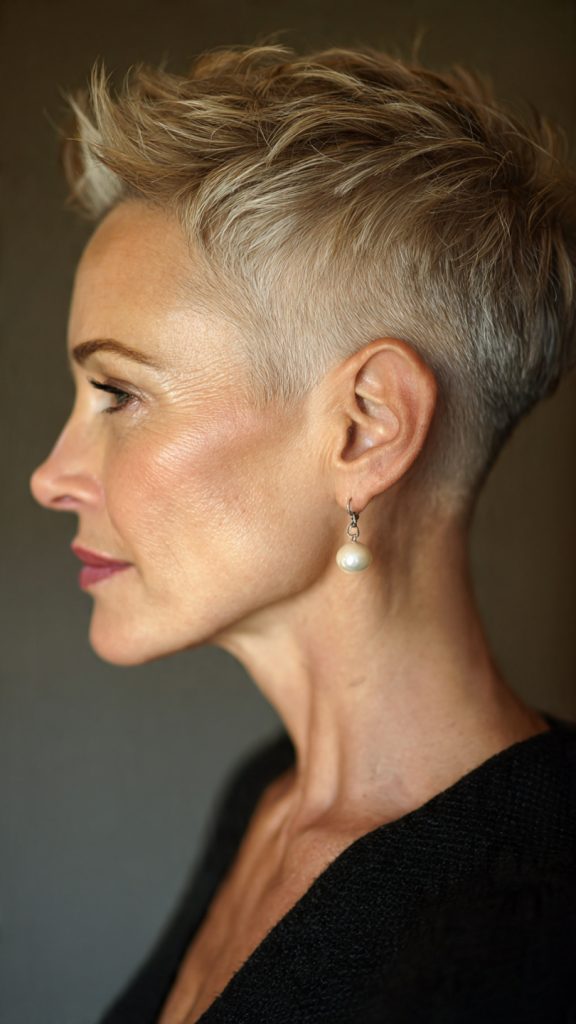
Instead of a small triangle at the very bottom of the nape, the high undercut extends much further up the back of the head—sometimes halfway to the crown. The shaved area can be two to three inches high or more. The top layers are left longer (three to four inches) to sweep over and hide the shaved section.
Why it works: The higher the undercut, the more weight you remove. For women over 50 with very fine, flat, or thinning hair, a high undercut can be transformative. The reduction in weight allows the remaining top hair to achieve lift that would otherwise be impossible. This cut is also cooler in hot weather and dries in minutes.
Styling tip: Because so much weight has been removed, the top layers may feel unusually light. Embrace it. Use a volumizing powder or dry shampoo at the roots for extra grip. Blow-dry the top section upside down, then flip it back. You will have volume that lasts all day.
3. The Undercut Pixie with Disconnected Top
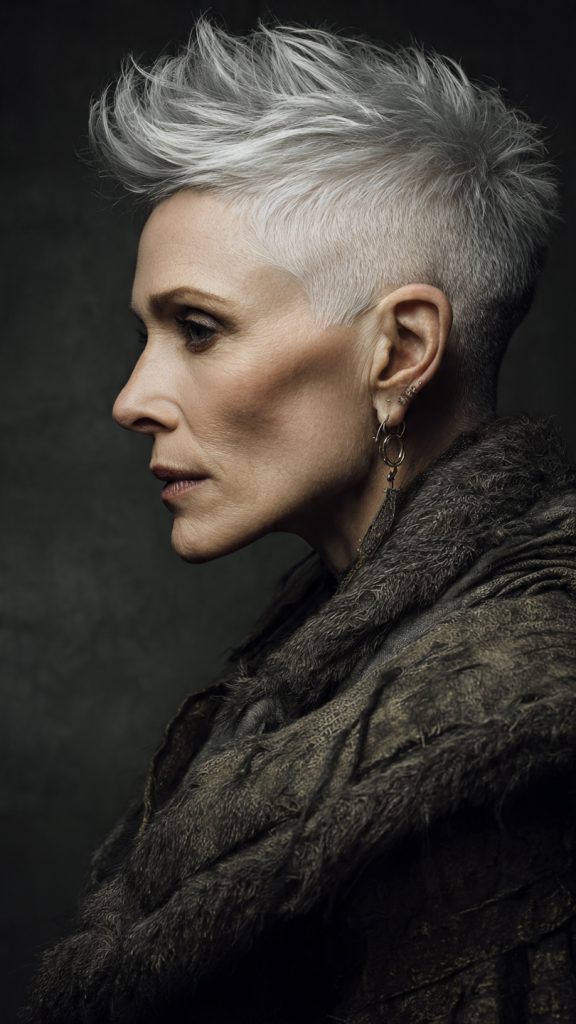
A disconnected cut means the top layers are cut in a completely different length and shape from the sides and back. In this version, the top is left long (four to five inches) and heavily textured, while the sides are cropped short and the nape is shaved. The long top literally "floats" above the shaved undercut, creating a dramatic, editorial silhouette.
Why it works: The disconnected undercut pixie is for women over 50 who want to make a statement. The contrast between the long, flowing top and the bare, shaved nape is striking and modern. The long top can be swept to one side, worn forward like a fringe, or even pulled into a tiny ponytail. The shaved undercut keeps the overall look from feeling heavy or matronly.
Styling tip: Use a flat iron to smooth the long top section, then add a texture spray for separation. The shaved undercut should be kept clean and freshly trimmed. If you are feeling bold, ask your barber to add a subtle design—a line, a curve, or a geometric shape—into the shaved area.
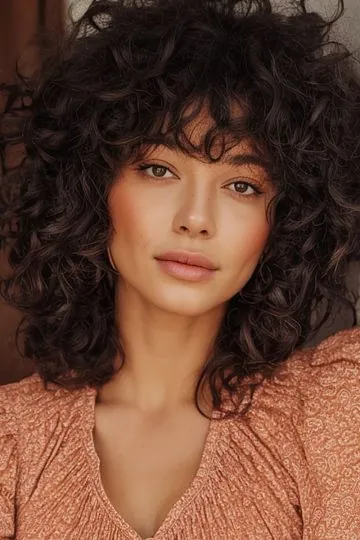
4. The Curly Undercut Pixie
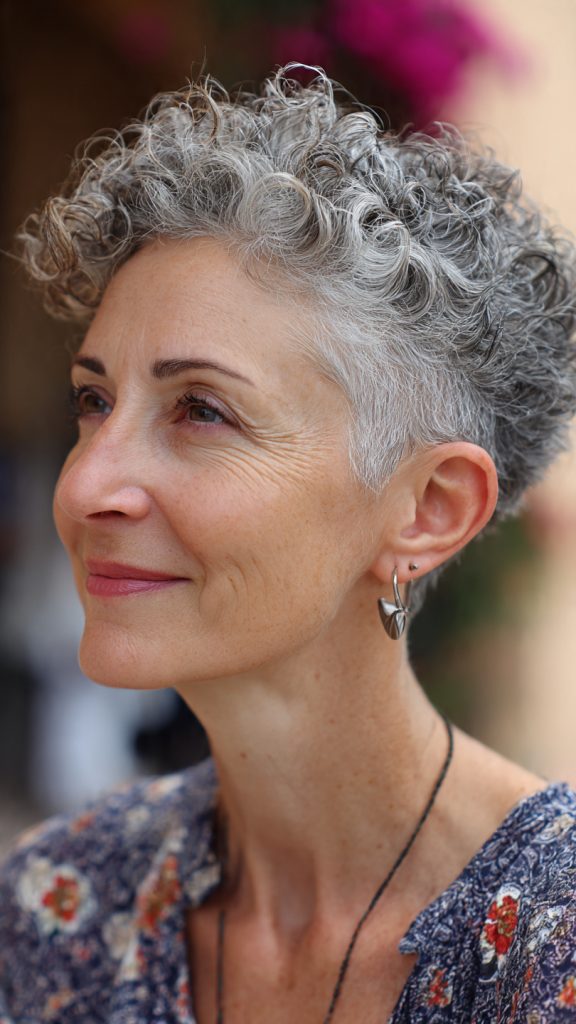
Curly hair and undercuts are a match made in heaven. The undercut removes the dense, heavy hair at the nape that often causes curly hair to form a "triangle" shape (wide at the bottom, flat at the top). The remaining curly top layers are cut to shoulder the curls' natural shrinkage, leaving enough length for ringlets to form.
Why it works: For women over 50 with naturally curly hair, the undercut is a game-changer. Without the weight of the nape hair, your curls will spring up higher and tighter. The overall shape becomes rounded and balanced rather than bottom-heavy. The shaved undercut also prevents the dreaded "curly mullet" effect where the back grows faster and longer than the front.
Styling tip: Always cut curly hair dry, curl by curl. The undercut should be shaved while your hair is dry and in its natural curl pattern. At home, use a leave-in conditioner and a diffuser. Never brush—use your fingers to separate curls. The shaved nape will be invisible but its volumizing effects will be obvious.
5. The Tapered Undercut Pixie
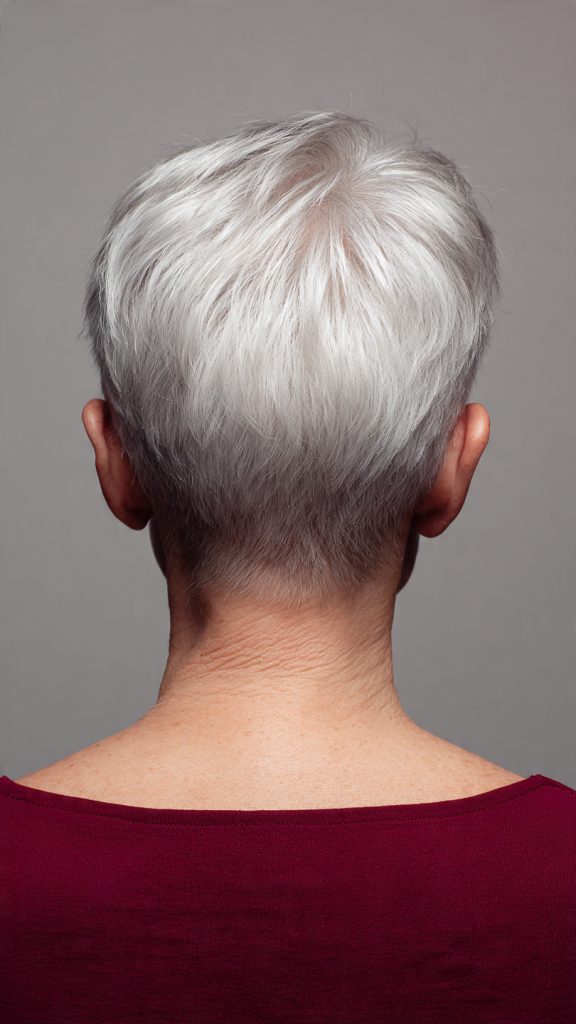
A tapered undercut means the hair at the nape is not shaved to a uniform length but rather gradually transitions from very short (at the very bottom) to longer as it moves up the head. For example, the lowest inch might be a quarter inch, the next inch might be half an inch, and the inch above that might be one inch. This creates a smooth, blended gradient rather than a hard line.
Why it works: The tapered undercut is ideal for women over 50 who want the benefits of an undercut without the sharp, defined line that some find too edgy. The taper creates a softer, more traditional pixie silhouette from the back while still removing significant weight. It is also more forgiving as it grows out—the taper blends naturally, so you can go longer between salon visits.
Styling tip: Because the taper is blended, you can style the back in multiple ways. For a clean look, smooth the back down. For a messier look, roughen it up with your fingers. The taper will hold either style. Use a lightweight pomade to define the longer sections at the top of the taper.
6. The Undercut Pixie with Nape Design
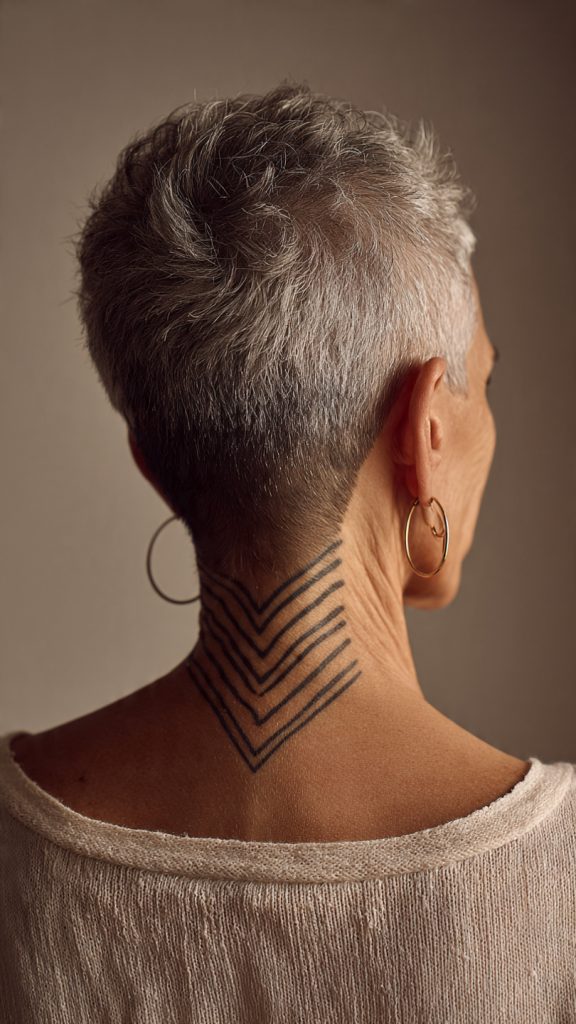
This cut takes the undercut from hidden secret to visible art. The nape is shaved, but instead of a blank canvas, the barber or stylist shaves a design into the hair. Common designs for women over 50 include geometric lines, a zigzag, a teardrop, a floral shape, or even a simple chevron. The design is only visible when the top layers are lifted or when the hair is worn in an up style.
Why it works: A nape design adds an element of fun and personality to an otherwise classic cut. For women over 50 who have spent decades wearing "appropriate" hairstyles, a hidden design can feel liberating. It is your secret—or your statement, depending on how you wear it. The design does not affect the volume or function of the undercut; it is pure decoration.
Styling tip: The design requires precise shaving, so choose a barber or stylist experienced with clipper designs. To show off the design, wear your hair in a low ponytail or twist, or simply lift the top layers with your hand. To hide it, wear the top layers down. The design will need to be refreshed every two to three weeks.
7. The Textured Top Undercut Pixie
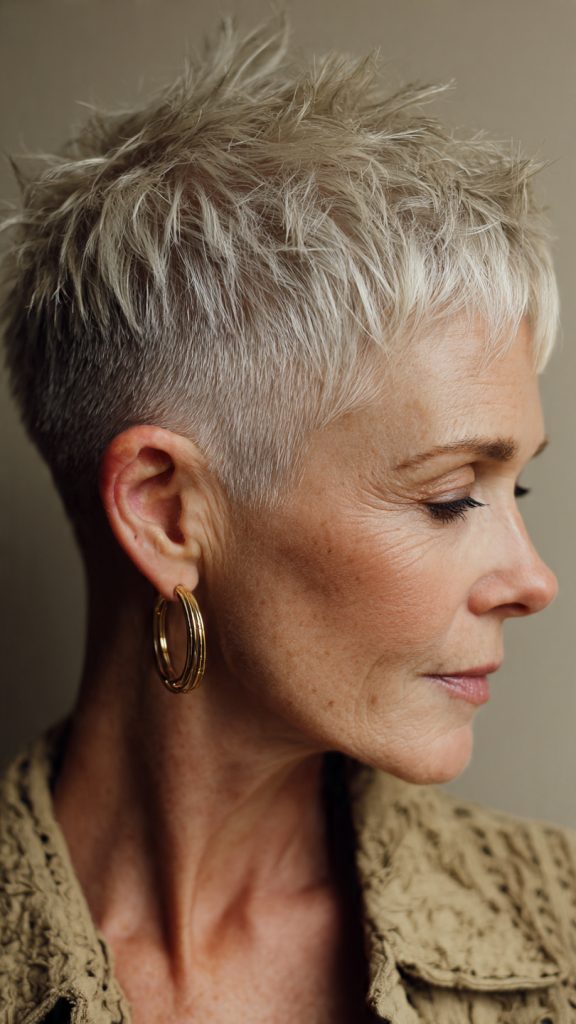
In this version, the undercut is the star of the back, but the top is cut with aggressive, visible texture. The top layers are point-cut, razor-cut, or sliced to create choppy, piece-y ends that stand apart from each other. The contrast is between the smooth, uniform shaved nape and the wild, textured top.
Why it works: The textured top undercut pixie is for women over 50 who want maximum visual interest. The choppy top catches light and shadow, creating the illusion of thicker, denser hair. The clean, shaved undercut provides a stark, modern contrast. This cut works especially well for women with fine hair because the texture adds volume that a smooth cut cannot achieve.
Styling tip: Use a strong-hold texture spray or a matte paste on the top sections. Scrunch and twist randomly. Do not use a brush—the texture should look intentional and messy. The undercut should be kept clean and fresh. A weekly shave touch-up at home (with a small electric trimmer) can extend time between salon visits.
8. The Long Top Undercut Pixie (Sweeping Fringe)
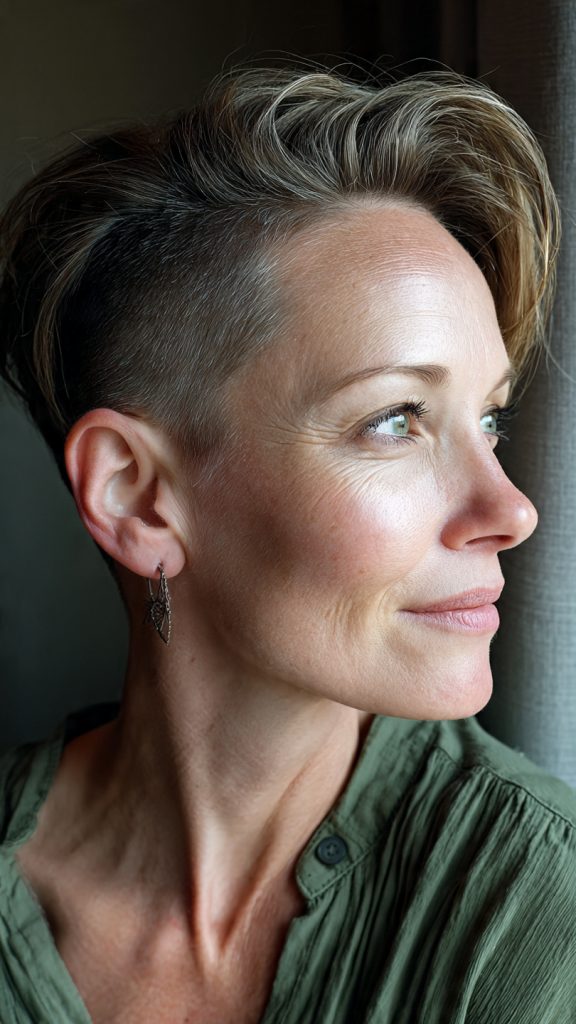
The top of this pixie is left significantly longer than a traditional pixie—sometimes five or six inches. The long top is then swept to one side to create a dramatic, face-framing fringe that can reach the eyebrow, the cheekbone, or even the jawline. The nape is shaved high (two to three inches) to remove maximum weight.
Why it works: The long top provides coverage and softness for women over 50 who want to minimize forehead lines or soften a square jaw. The sweeping fringe draws the eye diagonally across the face, which is inherently slimming. The high undercut ensures that all that length on top does not pull the roots flat. You get the drama of long hair with the lift of a short cut.
Styling tip: Blow-dry the long top using a large round brush, directing the hair to your preferred side. Once dry, use a curling wand to add a soft bend to the ends of the fringe. The undercut at the nape requires no styling. To keep the fringe from falling into your eyes, use a lightweight hairspray or a single bobby pin hidden underneath.
9. The Sleek Side-Parted Undercut Pixie
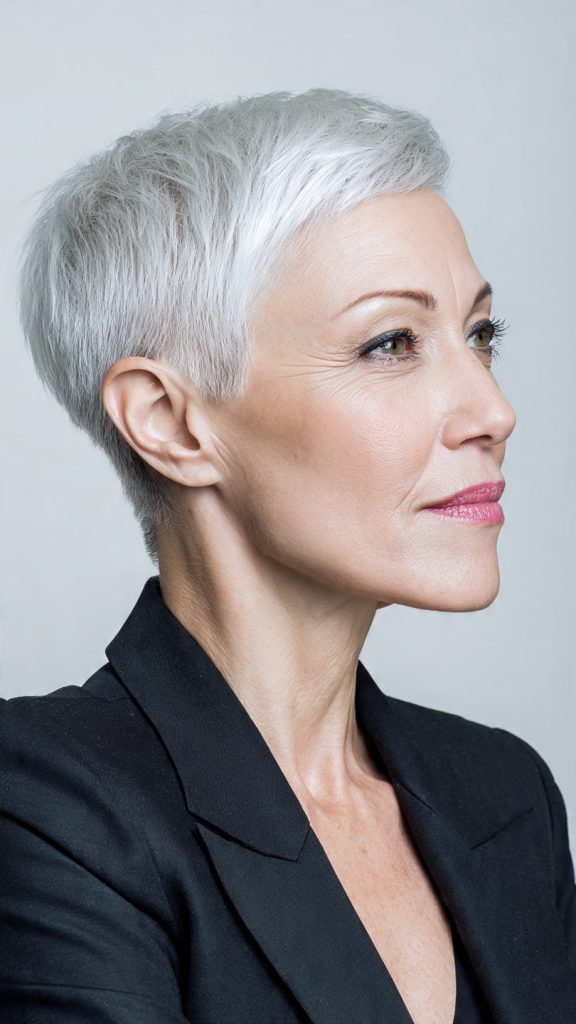
This cut is all about polish. The top and sides are cut into a sleek, smooth pixie shape (two to three inches), with no texture or choppiness. The hair is parted deeply to one side and combed flat against the head. The undercut at the nape is hidden and subtle—just a small triangle of shaved hair.
Why it works: For women over 50 who work in professional environments or prefer a more conservative aesthetic, the sleek side-parted undercut pixie offers the volume benefits of an undercut without any visible edge. From the outside, it looks like a classic, elegant pixie. But the hidden undercut makes that classic pixie perform better—more lift, less bulk, easier styling.
Styling tip: Use a flat iron to smooth the top and sides completely. Apply a shine serum or spray for a glossy finish. The deep side part should be crisp and clean. The undercut requires no attention. This is a power haircut for women who want to look polished and feel comfortable.
10. The Soft Wispy Undercut Pixie
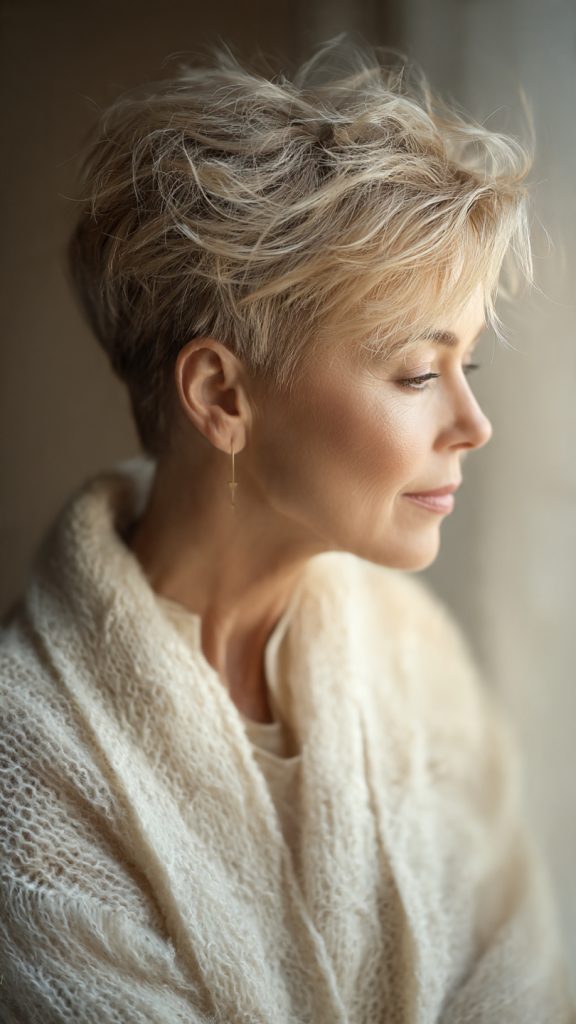
The soft wispy undercut pixie is the opposite of the sleek version. The top and sides are cut with razored, feathered ends that look light, airy, and almost translucent. The perimeter is soft rather than sharp. The undercut at the nape is tapered (blended) rather than shaved with a hard line, to match the softness of the top.
Why it works: For women over 50 with very fine or delicate hair, a soft wispy cut is often more flattering than a blunt or textured cut. The wispy ends move constantly, creating the illusion of density. The tapered undercut removes just enough weight to add lift without creating a harsh contrast between the shaved area and the longer hair. The overall effect is romantic, gentle, and feminine.
Styling tip: Blow-dry with a large round brush, lifting the roots but keeping the ends soft. Do not over-brush—the wispy ends should look airy, not flattened. A light spritz of flexible-hold hairspray keeps the wisps in place without stiffness. The tapered undercut will grow out gracefully, so you can stretch time between salon visits to four or five weeks.
How to Choose the Right Undercut Pixie for You
| If you have... | Choose... |
|---|---|
| Very fine or thinning hair | High undercut pixie, tapered undercut pixie, or classic hidden undercut |
| Thick, coarse, or heavy hair | High undercut pixie, disconnected top undercut, or undercut with nape design |
| Naturally curly hair | Curly undercut pixie (cut dry) |
| Straight, sleek hair | Sleek side-parted undercut or soft wispy undercut |
| A round face | Long top undercut with sweeping fringe |
| An oval face | Any of the 10 styles will work beautifully |
| A square or angular face | Soft wispy undercut or classic hidden undercut (softens angles) |
| A desire for low maintenance | Tapered undercut (grows out best) |
| A desire for bold style | Disconnected top undercut or undercut with nape design |
Maintaining Your Undercut Pixie
The undercut requires more frequent maintenance than a traditional pixie because the shaved hair grows quickly. Here is what to expect:
| Maintenance Task | Frequency |
|---|---|
| Shaved nape touch-up | Every 2–4 weeks (depending on how fast your hair grows) |
| Full pixie cut (top and sides) | Every 4–6 weeks |
| Nape design refresh (if applicable) | Every 2–3 weeks |
| At-home trim between salon visits | Possible with a small electric trimmer and a handheld mirror |
Final Thoughts
The undercut pixie is proof that a hidden detail can transform an entire haircut. The benefits of undercut pixie haircuts for over 50 go far beyond style for women. Less weight means more volume. Less bulk means faster drying and easier styling. A shaved nape means cooler comfort in summer and less irritation from collars and scarves in winter. And the hidden nature of the undercut means you can choose your own adventure: subtle and invisible, or bold and artistic.
Whether you opt for the classic hidden undercut, the dramatic high undercut, the curly version that respects your natural texture, or the playful nape design that makes you smile every time you catch your reflection in the back of a spoon, the undercut pixie delivers on its promise. It lifts. It lightens. It liberates.
Bring photos to your stylist. Ask for a consultation where you can feel the shaved area before committing. And then enjoy a haircut that works as hard as you do.
Not ready to commit to a shaved undercut? The pixie bob offers many of the same volume benefits—shorter back, longer front—without any shaving. Our complete guide to 13 Pixie Bob Haircuts for Older Women: The Perfect Hybrid for Volume and Lift covers classic, textured, curly, and asymmetrical versions perfect for women over 50.