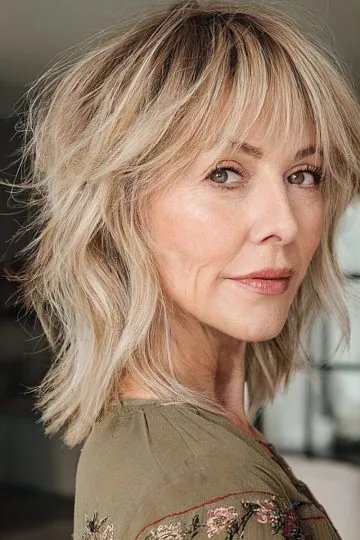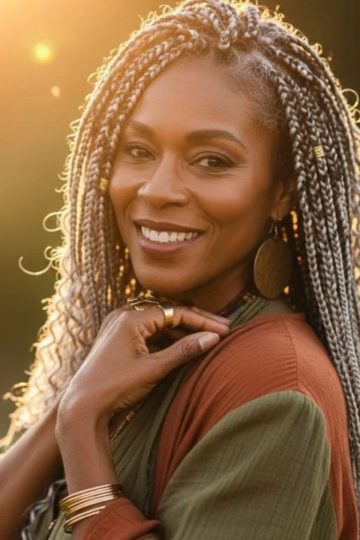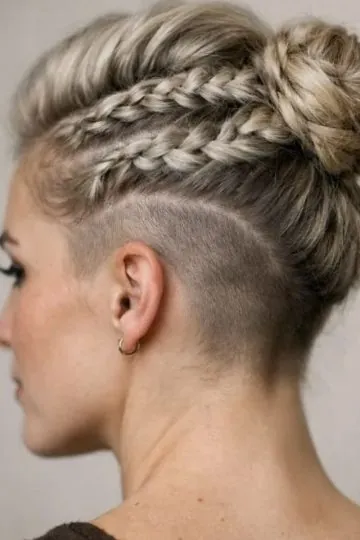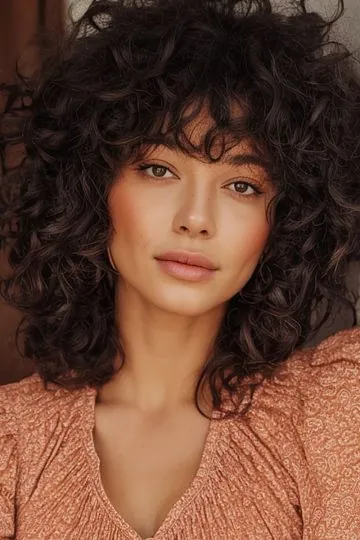
The 15 grey blending highlights for brunette women in this guide prove that going gray does not mean going flat or one-dimensional. Grey blending is a strategic, beautiful technique that mixes your natural brunette base with lighter highlights—usually blonde, silver, or ash tones—so that your grey hairs look like intentional, dimensional color rather than regrowth. This method is lower maintenance, more flattering, and infinitely more modern than traditional full-coverage color. Whether you are just spotting your first silvers or you are already significantly grey, there is a blending option here that will make you feel confident and beautiful. In this guide, we will explore fifteen stunning grey blending highlight techniques for brunette women, complete with why each works, how to style it, best face shapes, and maintenance needs.
Why Grey Blending Is Better Than Fighting Your Greys
Traditional approaches to grey hair often involve full-coverage dye every four to six weeks. This is expensive, time-consuming, and damaging to your hair. Grey blending takes a different approach:
- It works with your natural grey pattern rather than against it
- Low maintenance means you can go 8–16 weeks between salon visits
- Softer grow-out with no harsh root line
- Adds dimension that flat, single-process color cannot achieve
- Celebrates your natural texture as grey hair often has a different, beautiful texture
The 15 Grey Blending Highlights for Brunette Women
1. Classic Ash Blonde Highlights
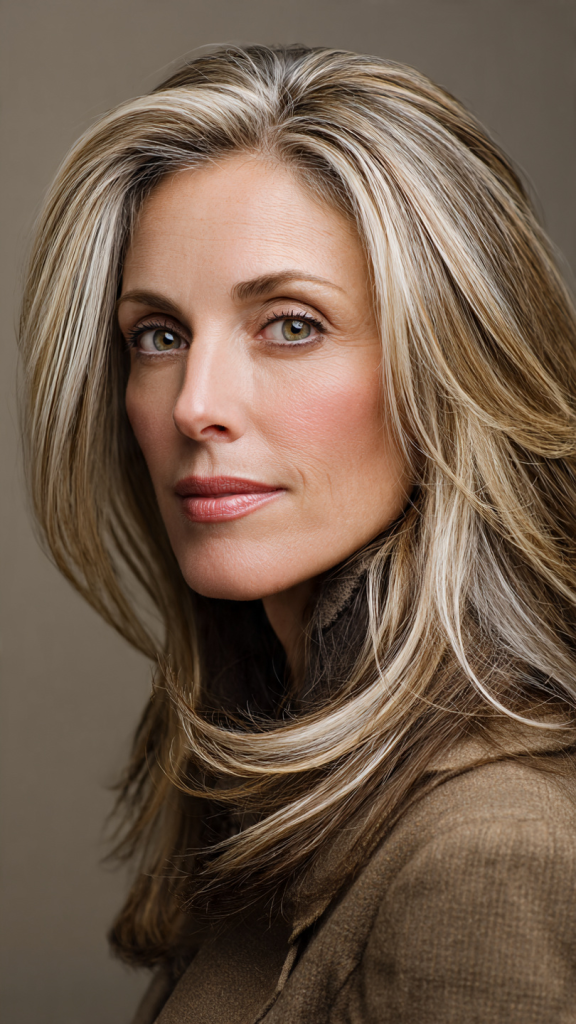
This is the most popular grey blending technique. Fine, ash-toned blonde highlights are woven throughout your brunette base, mimicking the look of natural grey strands without going fully silver.
Why it works: Ash tones neutralize unwanted warmth or brassiness. The contrast between dark brown and cool blonde creates a natural-looking blend that camouflages existing grey hairs.
How to style it: Use a purple shampoo once a week to keep ash tones cool and prevent brassiness. Blow-dry with a round brush for a sleek finish, or air-dry for a more relaxed texture. A shine spray enhances the dimensional contrast.
Best face shapes: All face shapes. The contrast adds brightness around the face.
Maintenance needs: Every 10–12 weeks. Ash tones fade faster than warm tones, so toning glosses between salon visits help.
2. Silver Babylights
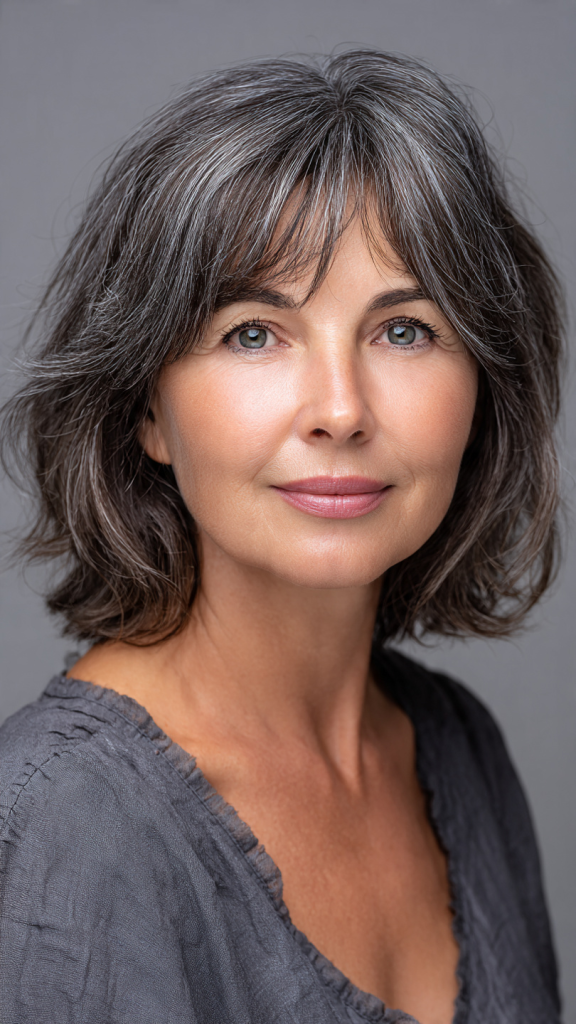
Babylights are ultra-fine, delicate highlights—thinner than traditional highlights. When placed in silver or platinum tones, they create a soft, shimmering effect that looks like natural grey sparkle.
Why it works: Because babylights are so fine, they do not create harsh stripes. Instead, they melt into your brunette base, making existing greys look intentional and expensive.
How to style it: Style your hair as usual. The babylights will catch the light naturally. Avoid overly yellow shampoos—use a silver or purple shampoo weekly to maintain the cool tone.
Best face shapes: All face shapes. Babylights are universally flattering because they are subtle.
Maintenance needs: Every 12–16 weeks. Babylights grow out incredibly softly because they are so fine.
3. Chunky Grey Highlights
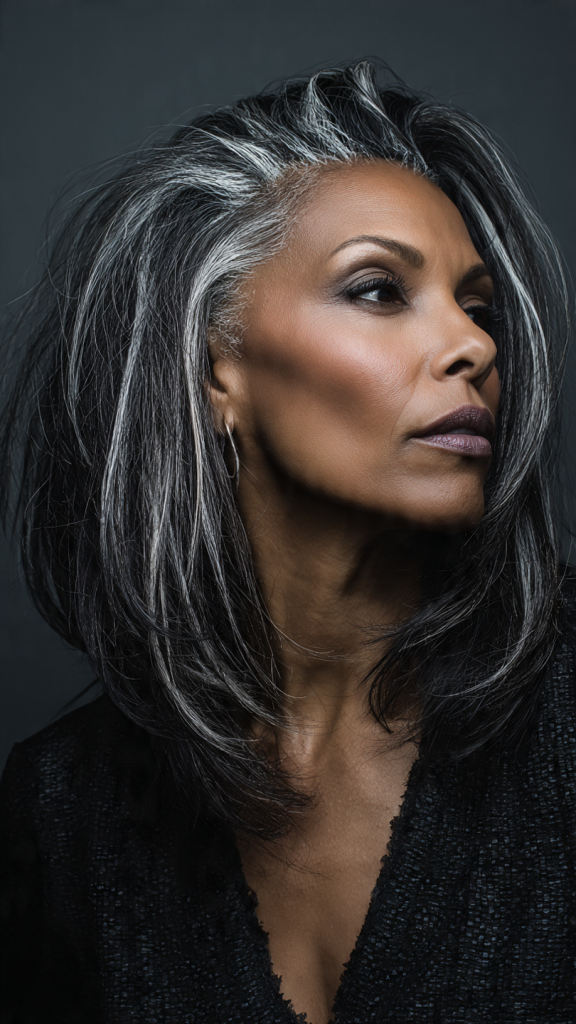
For a bolder, more dramatic look, chunky grey highlights create deliberate stripes of silver or ash through your brunette hair. This is a statement look that embraces grey loudly and proudly.
Why it works: The high contrast between dark brown and silver is striking and modern. It works best for women who are already significantly grey and want to lean into it.
How to style it: Loose waves or curls help blend the chunky highlights so they do not look like stripes. A curling iron or waver creates soft movement that makes the contrast look intentional.
Best face shapes: Oval, heart, diamond. Avoid if you have a very round face, as high contrast can exaggerate width.
Maintenance needs: Every 8–10 weeks. The chunky sections grow out more visibly than finer highlights.
4. Salt and Pepper Blending
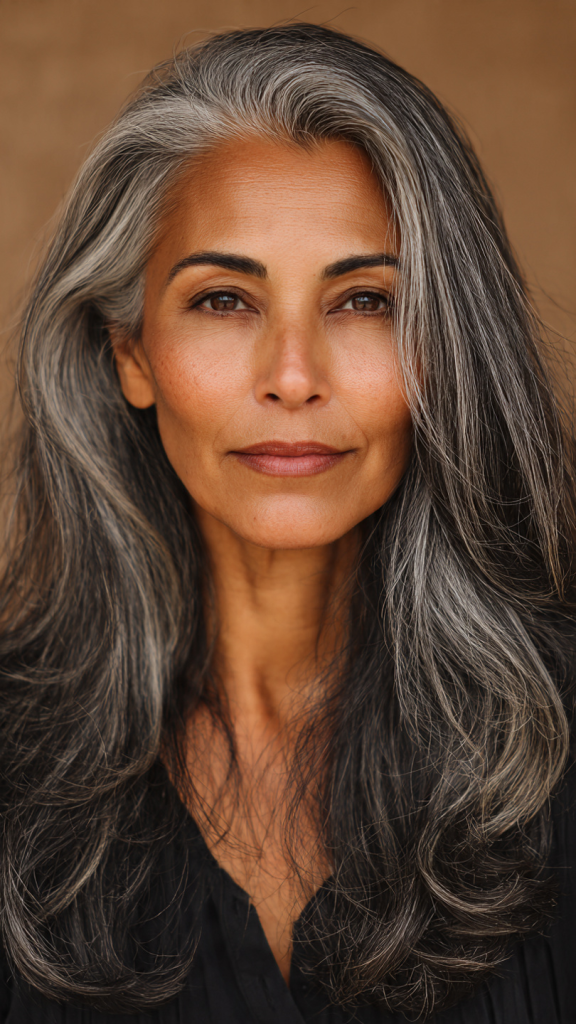
This technique mimics the natural salt-and-pepper look by mixing dark brunette with cool grey and white highlights evenly throughout the hair. The result is a balanced, organic blend.
Why it works: It is the closest you can get to natural grey without waiting years. The even distribution prevents any one area from looking darker or lighter than the rest.
How to style it: Keep styling simple—the color is the star. A texturizing spray adds grit and movement, which enhances the salt-and-pepper effect.
Best face shapes: All face shapes. The even color distribution is universally flattering.
Maintenance needs: Every 10–12 weeks. The salt-and-pepper effect stays consistent as it grows.
5. Icy White Money Pieces
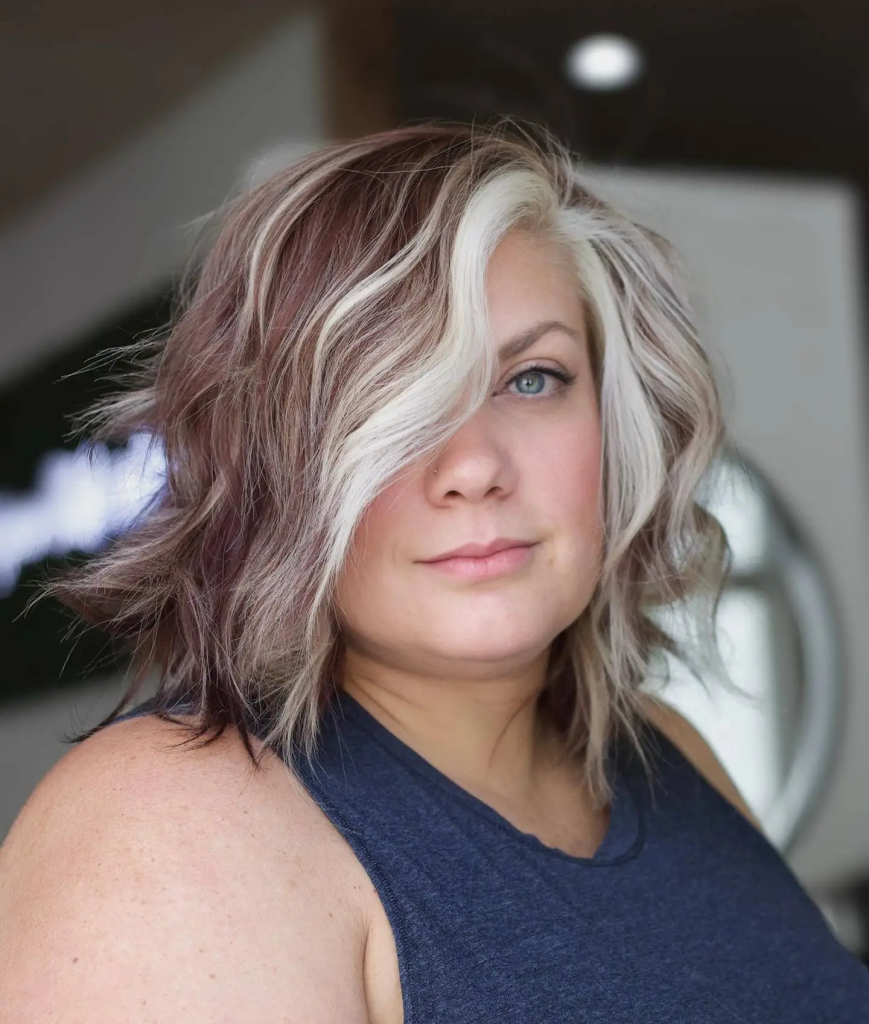
Money pieces are the face-framing highlights that "pay off" visually—usually concentrated around the hairline and temples. This technique uses icy white or platinum tones on just these strategic pieces.
Why it works: The brightness around your face lights up your complexion, making you look more awake and radiant. The rest of your hair stays darker, keeping maintenance low.
How to style it: Style your hair so the face-framing pieces fall naturally forward. Curl them slightly away from your face to emphasize the brightness.
Best face shapes: Oval, heart, round. The brightness draws attention to your best features.
Maintenance needs: Every 8–10 weeks. The money pieces grow out visibly because they are so light against dark roots.
6. Root Smudge with Grey Ends

This technique leaves your roots dark (your natural brunette) and focuses grey or silver highlights on the mid-lengths and ends. A root smudge softly blurs the transition.
Why it works: Dark roots are low maintenance—you can go months without a touch-up. The grey ends add brightness and dimension without requiring constant root attention.
How to style it: Loose waves or beachy texture work beautifully to blend the root smudge with the lighter ends. Air-drying enhances the lived-in feel.
Best face shapes: All face shapes. The dark roots create a slimming effect around the face.
Maintenance needs: Every 12–16 weeks. This is one of the lowest-maintenance options available.
7. Ash Brown All-Over with Grey Peekaboos
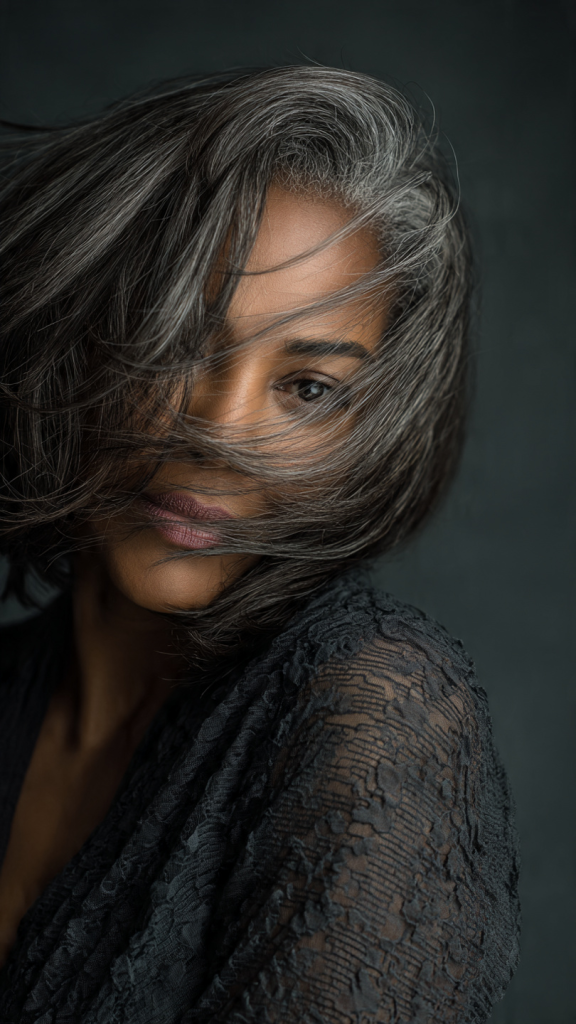
Your base color stays a cool, ash brown. Hidden underneath—usually in the underlayer or nape area—are bright grey or silver highlights that peek out when you move or pull your hair up.
Why it works: The grey is unexpected and playful. It is perfect for women who want to experiment with grey blending without committing to visible highlights all over.
How to style it: Wear your hair in a messy bun, half-up style, or ponytail to reveal the hidden grey. Loose waves also allow the peekaboos to show intermittently.
Best face shapes: All face shapes. The grey is hidden, so it does not affect face shape perception.
Maintenance needs: Every 10–12 weeks. Because the grey is underneath, grow-out is less noticeable.
8. Dimensional Champagne Highlights

Champagne blonde falls somewhere between beige, gold, and ash—it is warmer than platinum but cooler than golden blonde. Paired with a brunette base, it creates a soft, expensive-looking grey blend.
Why it works: Champagne tones complement both cool and warm skin undertones, making it one of the most universally flattering grey blending options.
How to style it: A sleek blowout or soft waves both work beautifully. A glossing treatment enhances the champagne shimmer.
Best face shapes: All face shapes.
Maintenance needs: Every 10–12 weeks. Champagne tones fade gracefully and do not require constant toning.
9. Heavy Grey Highlights on Dark Brown
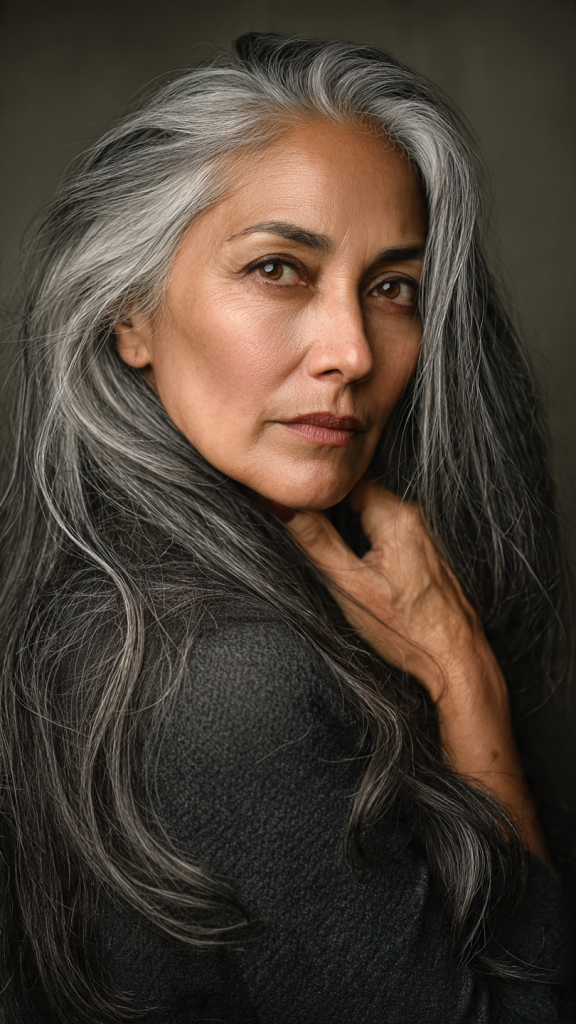
This technique uses a high concentration of grey highlights—sometimes 50% or more of your hair—against a very dark brunette base. The contrast is bold and graphic.
Why it works: It is for women who are ready to embrace their grey fully but are not ready to go completely silver. The dark base keeps some depth and contrast.
How to style it: Sleek, straight styles emphasize the graphic contrast. Waves and curls soften the look. Both work.
Best face shapes: Oval, heart, square. The high contrast draws attention, so make sure you love how it frames your features.
Maintenance needs: Every 8–10 weeks. The contrast between dark base and light highlights grows out noticeably.
10. Shadow Root with Grey Balayage
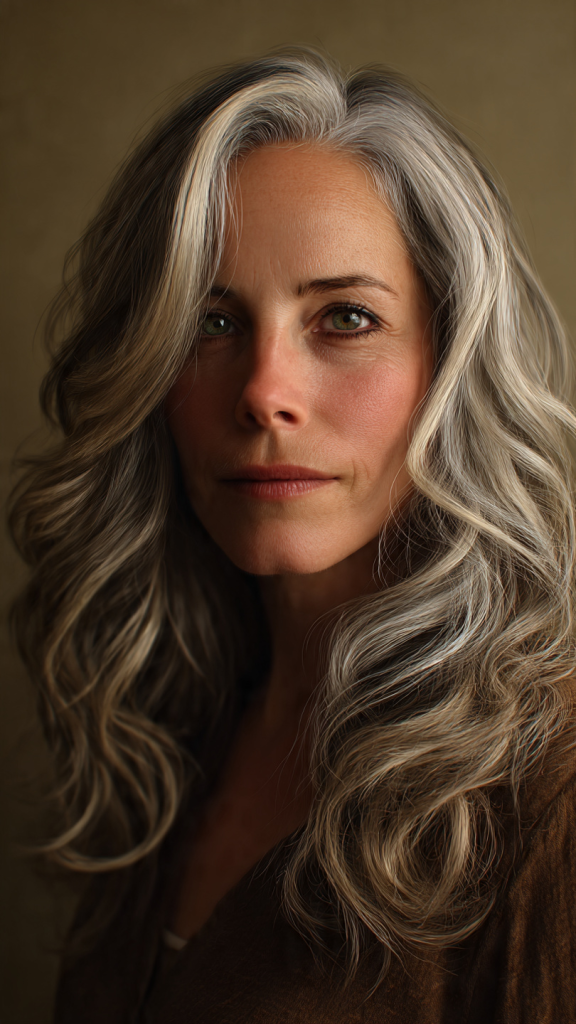
Balayage is a hand-painted highlighting technique that creates a soft, graduated effect. In this version, your roots stay dark (shadow root), and grey or silver balayage is painted through the mid-lengths and ends.
Why it works: The shadow root means zero harsh grow-out lines. The hand-painted balayage looks natural and sun-kissed—but with cool, grey tones instead of warm.
How to style it: Air-dry or blow-dry with a round brush. The balayage is designed to look beautiful with minimal styling. Loose waves enhance the graduated effect.
Best face shapes: All face shapes.
Maintenance needs: Every 12–16 weeks. Balayage is famously low maintenance.
11. Cool Blonde Quarter Highlights
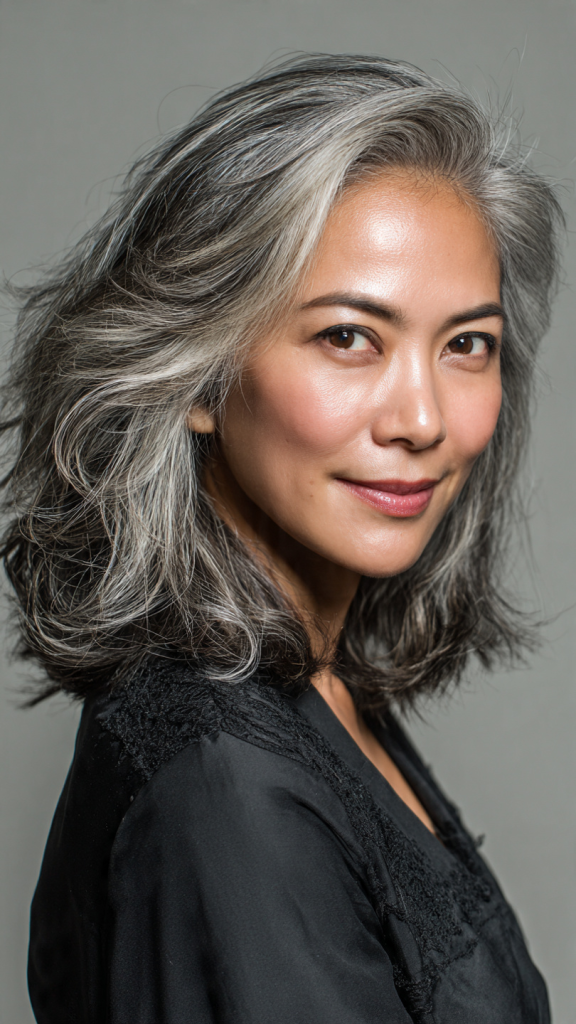
Quarter highlights are placed strategically on just 25% of your hair (usually around the face and on top). Cool blonde tones mimic the look of natural greys in these concentrated areas.
Why it works: You get the brightness of grey blending with half the work and cost of full highlights. Strategic placement means maximum impact with minimum maintenance.
How to style it: Style your hair so the highlighted pieces sit on top or around your face. A side part can help distribute the brightness evenly.
Best face shapes: Oval, heart, round. The brightness around the face lifts your complexion.
Maintenance needs: Every 10–12 weeks. Quarter highlights grow out softly because they are not everywhere.
12. Mushroom Brown Base with Silver Highlights
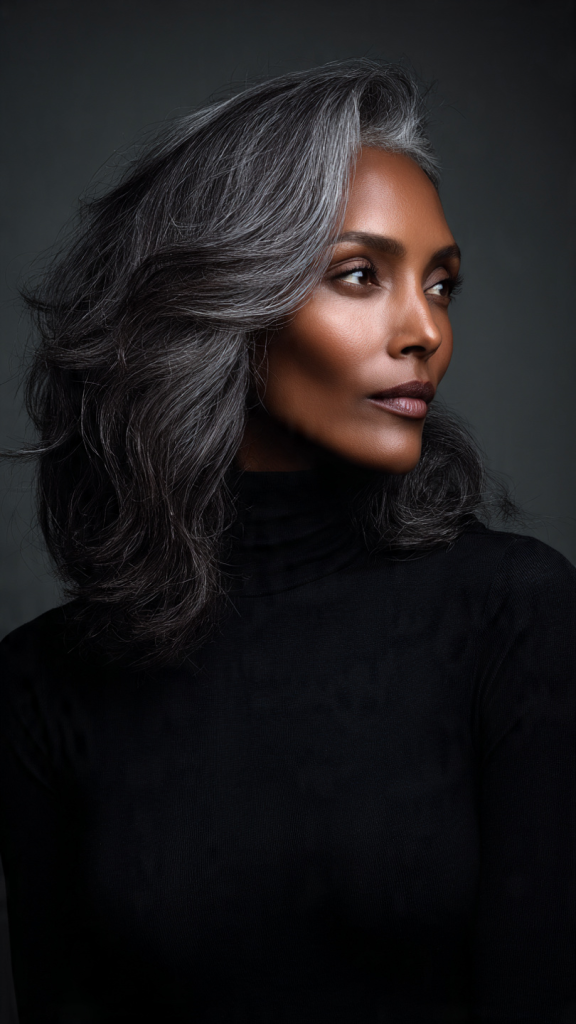
Mushroom brown is a cool, ashy brown with grey undertones. Adding silver highlights to this base creates a monochromatic, sophisticated grey blend that is incredibly chic.
Why it works: Because the base already has grey undertones, the silver highlights blend seamlessly. There is no harsh contrast—just soft, dimensional coolness.
How to style it: A smooth, glossy blowout emphasizes the sophisticated color. Texture spray adds modern edge.
Best face shapes: All face shapes. Mushroom brown is universally flattering.
Maintenance needs: Every 10–12 weeks. The cool tones need purple shampoo maintenance to prevent warmth from creeping in.
13. Grey Ombré on Brunette

Ombré is a graduated color transition from dark roots to lighter ends. In this version, you transition from dark brunette at the roots to grey or silver at the ends.
Why it works: The grow-out is virtually invisible because the roots are already dark. The grey ends add brightness and dimension exactly where you want it.
How to style it: Loose waves or beachy texture enhance the ombré effect. Sleek, straight styles make the transition more obvious—choose based on your preference.
Best face shapes: All face shapes. The dark roots create a slimming effect around the face.
Maintenance needs: Every 12–16 weeks. This is one of the longest-lasting grey blending options.
14. Pearl Grey Highlights on Warm Brunette
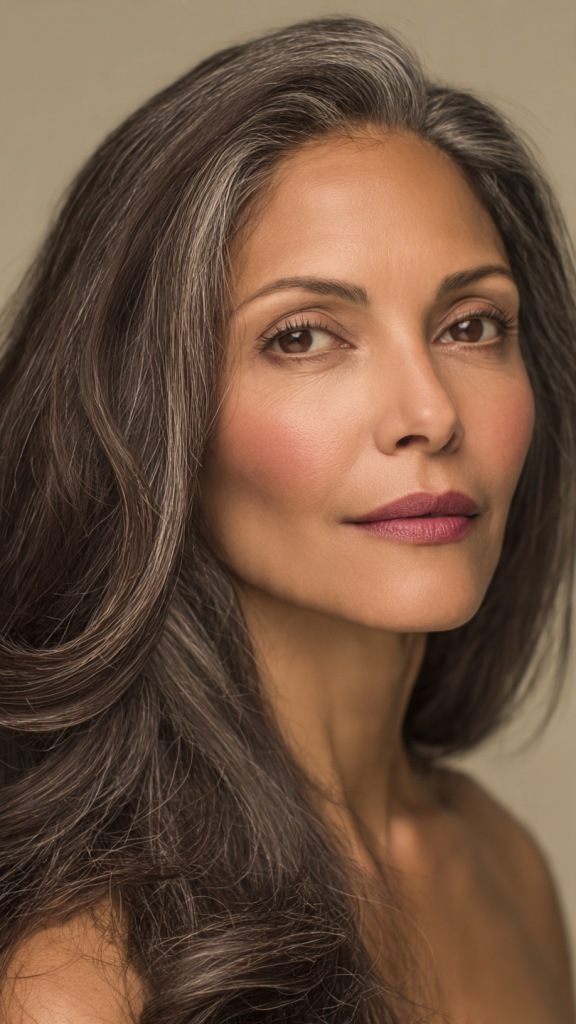
If your natural brunette has warm, golden, or red undertones, pearl grey highlights create a stunning contrast. Pearl grey has subtle violet undertones that neutralize warmth.
Why it works: The violet in pearl grey cancels out yellow and gold tones from your warm base, preventing brassiness. The result is clean, dimensional, and expensive-looking.
How to style it: Use a purple shampoo weekly to maintain the pearl tone. A glossing treatment adds shine and enhances the pearl effect.
Best face shapes: All face shapes.
Maintenance needs: Every 8–10 weeks. Pearl tones require more maintenance to stay cool and prevent warmth from showing through.
15. Soft Grey Foilyage
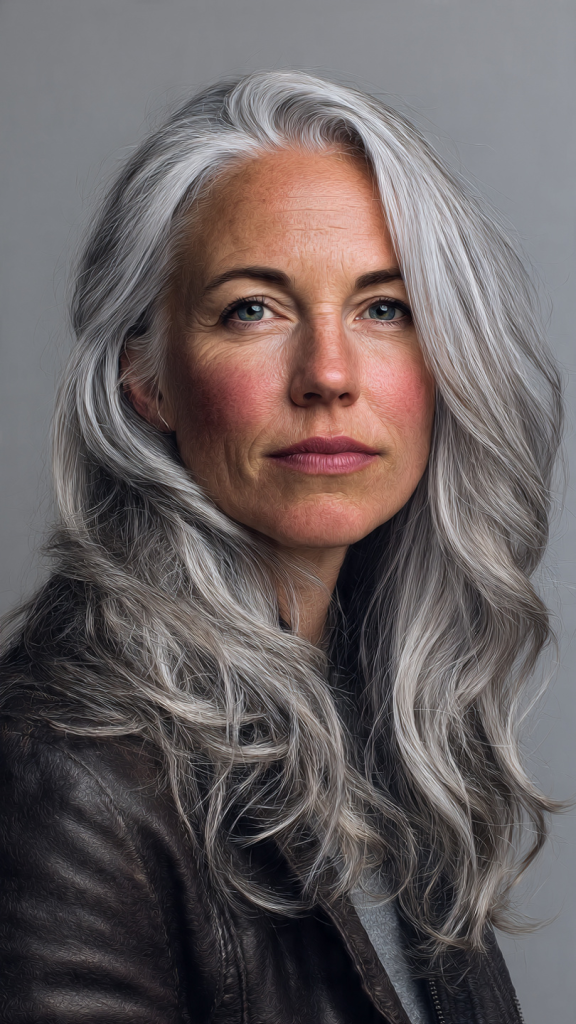
Foilyage is a hybrid between balayage (hand-painted) and foil highlights. Soft grey tones are painted onto the hair and then wrapped in foil to process. The result is brighter than balayage but softer than traditional foils.
Why it works: Foilyage gives you the brightness of foil highlights with the soft, lived-in look of balayage. It is the best of both worlds for grey blending.
How to style it: Style as you normally would. The foilyage will look dimensional whether your hair is straight, wavy, or curly.
Best face shapes: All face shapes.
Maintenance needs: Every 10–12 weeks.
How to Maintain Grey Blending Highlights
| Maintenance Task | Frequency |
| Purple or blue shampoo | 1–2 times per week |
| Deep conditioning mask | Once per week |
| Glossing or toning treatment | Every 4–6 weeks (or between salon visits) |
| Salon touch-up | Every 8–16 weeks (depending on technique) |
| Trim | Every 8–10 weeks |
Pro tip: Avoid yellow-brassy tones by using cool water when washing and limiting sun exposure. A wide-brim hat and UV protection spray are your friends.
Final Thoughts
Grey blending highlights for brunette women are a celebration, not a surrender. This approach honors your natural aging process while giving you a modern, dimensional, and incredibly flattering look. Whether you choose soft babylights, bold chunky stripes, or a low-maintenance root smudge, the goal is the same: to make you feel beautiful and confident without spending every four weeks in a salon chair. Work with a colorist who specializes in grey blending—this technique requires skill and an artistic eye. Bring photos from this guide, be honest about how much maintenance you are willing to do, and trust the process. Your silver strands are not mistakes to hide. They are highlights waiting to happen.