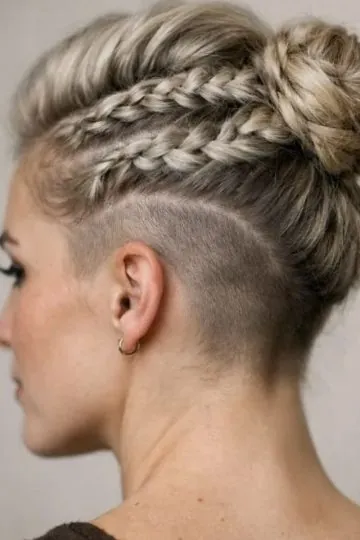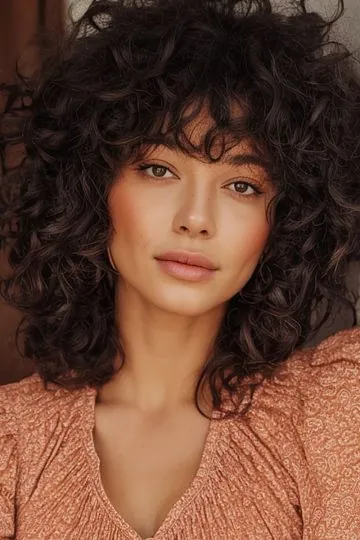
For women with fine hair, a choppy bob hairstyle is nothing short of transformative. Fine hair has a tendency to fall flat, cling to the scalp, and look limp within hours of styling—but the right cut can change everything. A choppy bob uses internal layers, textured ends, and strategic disconnection to create the illusion of density, volume, and movement without weighing hair down. Unlike blunt cuts that can make fine hair look thinner by emphasizing its lack of bulk, a choppy bob removes weight strategically so each strand has room to lift and move independently. In this guide, you'll discover 17 choppy bob hairstyles for fine hair, each with styling techniques, face shape recommendations, and maintenance schedules to help you achieve that coveted full, bouncy look.
If you love the idea of textured, piecey cuts but want another variation to consider, these 22 choppy pixie cuts for women that are textured, edgy, and effortlessly cool offer even more short-hair inspiration for fine hair types.
Why a Choppy Bob Works Wonders for Fine Hair
Fine hair requires a completely different approach than thick or coarse hair. Choppy bob hairstyles address the specific challenges of fine hair in ways that other cuts cannot. Here's why this style is a game-changer:
- Creates visible density – The choppy, uneven ends reflect light differently, making hair look thicker and more substantial than it actually is
- Removes weight for lift – Fine hair is easily weighed down. Choppy layering removes interior bulk, allowing roots to lift naturally
- Hides thinning areas – The textured surface of a choppy bob disguises scalp visibility and sparse patches
- Adds movement – Fine hair often hangs limply. Choppy layers create bend and swing with every head turn
- Air-dry friendly – The textured ends mean you don't need perfect blowouts; messy, undone looks are intentional
- Works with natural texture – Whether your fine hair is straight, wavy, or has a slight bend, choppy layers enhance what you already have
The 17 Choppy Bob Hairstyles for Fine Hair
1. Classic Choppy Bob (Chin-Length)
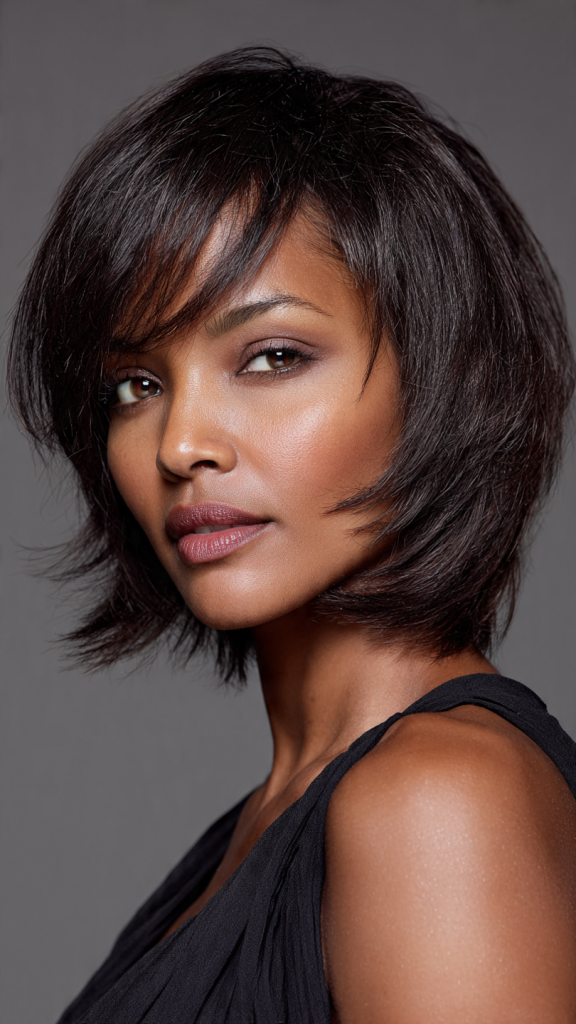
Why it works: The classic choppy bob ends right at the chin and features light, feathery layers throughout. The ends are point-cut rather than blunt, creating a soft, jagged edge that reads as fuller. For fine hair, this length is ideal because it's short enough to avoid being weighed down but long enough to tuck behind ears.
How to style it: Apply volume mousse to damp roots only. Blow-dry using a small round brush (1 inch), lifting each section straight up at the root. Once dry, run a flat iron over just the ends, bending them in random directions. Finish with texturizing spray at the roots, massaging with fingers.
Best face shapes: Oval, heart, square (chin length softens jawlines)
Maintenance needs: Trim every 6–8 weeks. The choppy texture hides grow-out well.
2. Stacked Choppy Bob

Why it works: A stacked bob has graduated layers in the back that create a built-in bump of volume at the crown. When combined with choppy, textured ends, the stacked back provides architectural lift that fine hair desperately needs. The front is left slightly longer for face-framing softness.
How to style it: Apply root-lifting spray to damp hair, concentrating on the back crown section. Blow-dry using a round brush, lifting the stacked section upward and backward. The choppy front pieces can be air-dried or quickly curled away from the face with a 1-inch flat iron.
Best face shapes: Oval, round, heart (the back volume adds balance)
Maintenance needs: Trim every 5–6 weeks. The stacked interior loses its lift quickly if the graduation grows out.
For women with fine hair who want even more volume-building options, these short hairstyles for thin fine hair that create instant density and volume offer additional cuts designed specifically for your hair type.
3. Textured Lob (Long Choppy Bob)
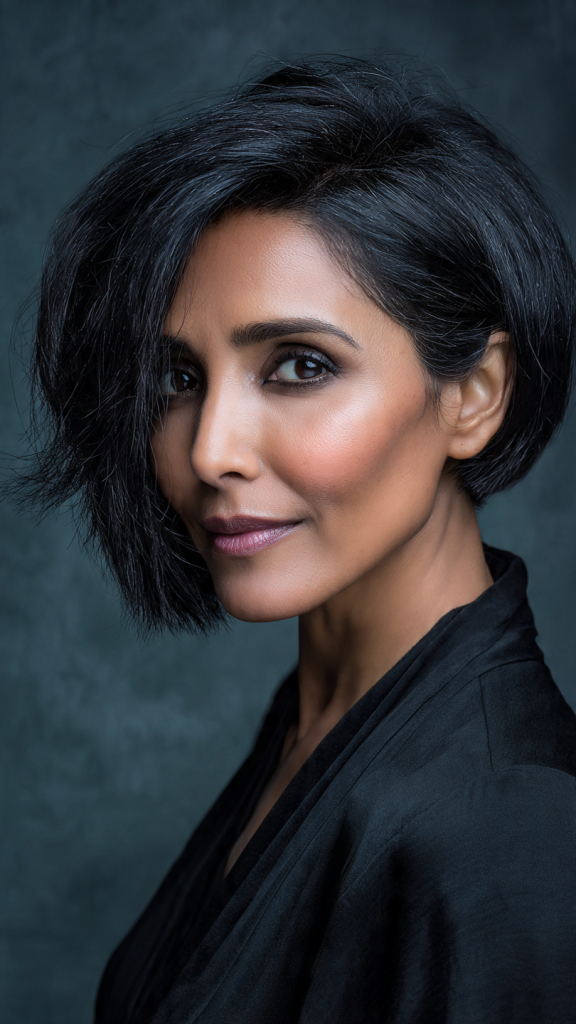
Why it works: A long bob (lob) hits between the chin and collarbone. For fine hair, this length works best when heavily textured—think piecey ends, invisible layers, and plenty of disconnection. The extra length gives you versatility (ponytails, half-up styles) while the choppiness prevents the dreaded flat, stringy look.
How to style it: Apply sea salt spray to damp hair throughout. Scrunch vigorously, then air-dry completely—do not touch while drying. Once dry, shake out with fingers and add dry texture spray at the roots. For a polished version, use a 1.5-inch curling iron to create loose bends, then brush through with a wide-tooth comb.
Best face shapes: All face shapes (most universally flattering length)
Maintenance needs: Trim every 8–10 weeks. The longest interval on this list.
4. Inverted Choppy Bob
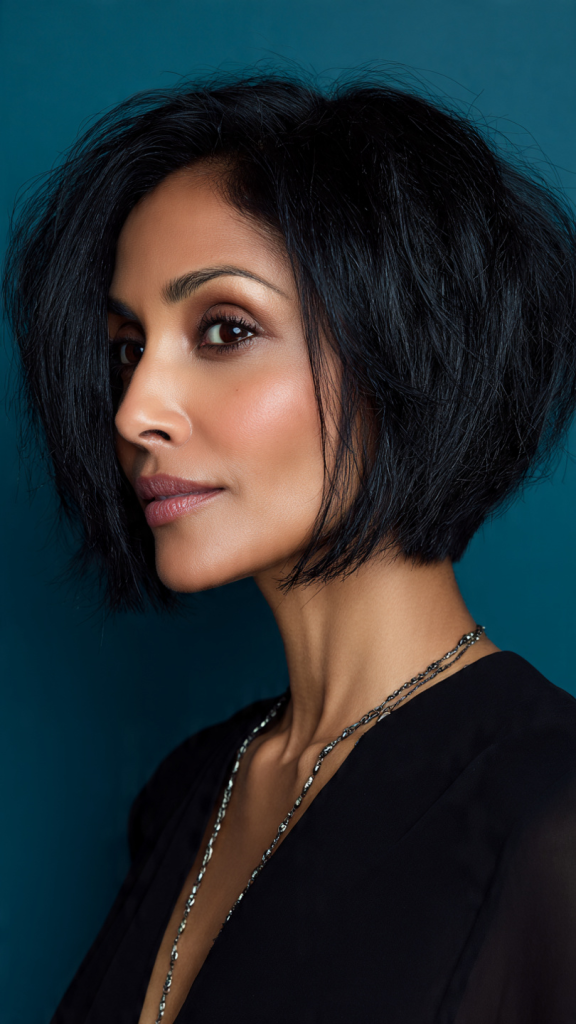
Why it works: An inverted bob is shorter in the back and longer in the front, creating an angled line that draws the eye forward. The choppy texture throughout prevents the inverted shape from looking too severe or architectural. For fine hair, the angle adds the illusion of thickness at the crown while keeping the front longer for styling options.
How to style it: Apply volumizing foam to damp hair. Blow-dry the back section first using a round brush, lifting aggressively at the roots. For the longer front pieces, use a flat iron to create a slight bend away from the face. The choppy ends should look piecey and separated—use wax to define individual strands.
Best face shapes: Oval, heart, oblong (the angle elongates rounder faces)
Maintenance needs: Trim every 6–7 weeks. The angle must be maintained, but choppy texture hides minor unevenness.
5. Messy Choppy Bob

Why it works: The messy choppy bob is deliberately disheveled—think "bedhead but make it fashion." The cut features uneven, jagged layers throughout, with some sections shorter than others. For fine hair, this intentional messiness is a blessing because perfection is not the goal. Second-day hair actually looks better.
How to style it: On dry hair (clean or second-day), apply dry shampoo generously at the roots. Flip head upside down and scrunch vigorously for 30 seconds. Flip back and use your fingers to texturize random sections. Add texturizing powder at the crown for piecey separation. Do not use a brush or comb.
Best face shapes: Oval, heart, square (messiness softens angular features)
Maintenance needs: Trim every 7–9 weeks. The lived-in look means grow-out adds to the charm.
6. Choppy Bob with Curtain Bangs

Why it works: Curtain bangs part in the middle and sweep to each side, framing the face like curtains. When paired with a choppy bob, the bangs add softness and movement while drawing attention to your eyes and cheekbones. For fine hair, curtain bangs are especially flattering because they create the illusion of fullness around the face.
How to style it: Apply lightweight mousse to damp hair. Blow-dry the curtain bangs using a round brush, rolling them away from your face to create the signature curved shape. The rest of the bob can be air-dried or quickly curled. To refresh bangs on day two, mist with water and re-roll around a large round brush with heat for 10 seconds.
Best face shapes: Oval, heart, round (curtain bangs slim wider foreheads)
Maintenance needs: Bangs trim every 3–4 weeks; bob trim every 6–8 weeks
For women over 50 who love face-framing softness, these 10 curtain bangs for women over 50 offer age-defying styling tips that pair beautifully with a choppy bob.
7. Asymmetric Choppy Bob
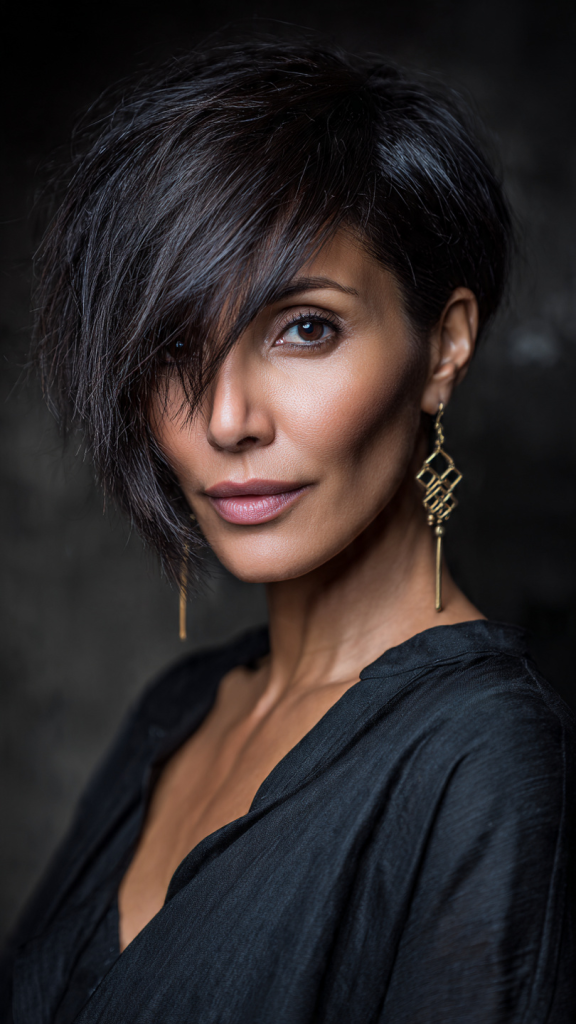
Why it works: An asymmetric bob is longer on one side than the other—sometimes by just an inch, sometimes by several inches. The choppy texture throughout keeps the asymmetry from looking harsh or unforgiving. For fine hair, the diagonal line created by asymmetry adds visual interest and the illusion of volume on the shorter side.
How to style it: Apply texturizing cream to damp hair. Blow-dry using your fingers, directing the longer side forward and the shorter side back behind your ear. The key is to embrace the unevenness—don't try to make both sides match. Finish with dry wax on the ends of the longer side for definition.
Best face shapes: Oval, heart, diamond (asymmetry balances longer faces)
Maintenance needs: Trim every 5–7 weeks. The angle needs occasional refreshing, but choppy texture hides grow-out.
8. Graduated Choppy Bob
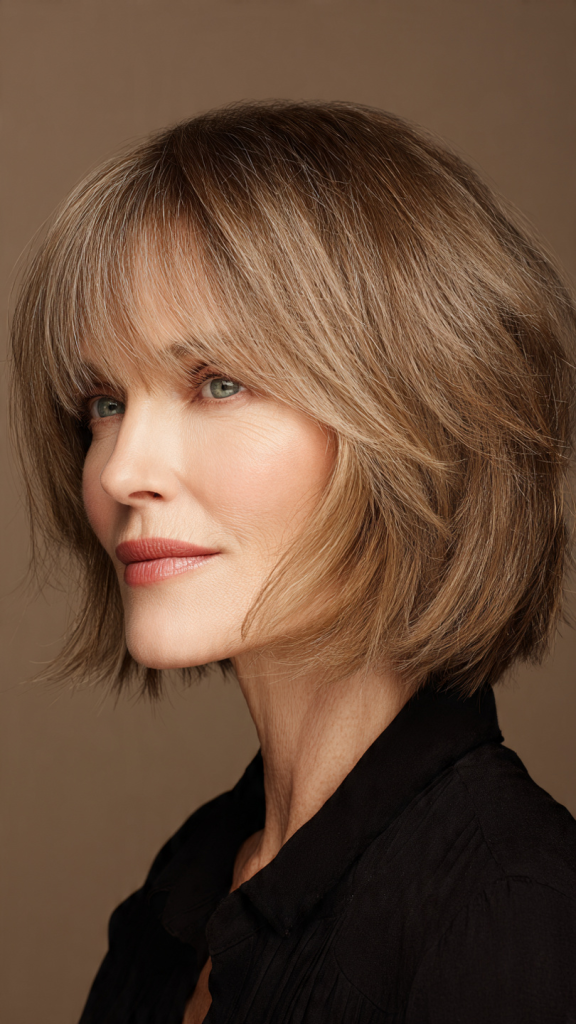
Why it works: A graduated bob features layers that increase in length from back to front, creating a soft, sloping line. Unlike a stacked bob (which has distinct tiers), a graduated bob is smoother and more subtle. The choppy, textured ends prevent the graduation from looking too polished or old-fashioned. For fine hair, this cut offers lift in the back and length in the front.
How to style it: Apply root booster to damp hair, focusing on the back crown. Blow-dry using a round brush, lifting each section at a 90-degree angle. The front pieces can be blown smooth or left with a slight bend. Finish with light hairspray to hold the graduation line without stiffness.
Best face shapes: Oval, round, square (the graduation adds length)
Maintenance needs: Trim every 6–8 weeks. The graduation line is forgiving but benefits from regular upkeep.
9. Choppy Bob with Micro Bangs
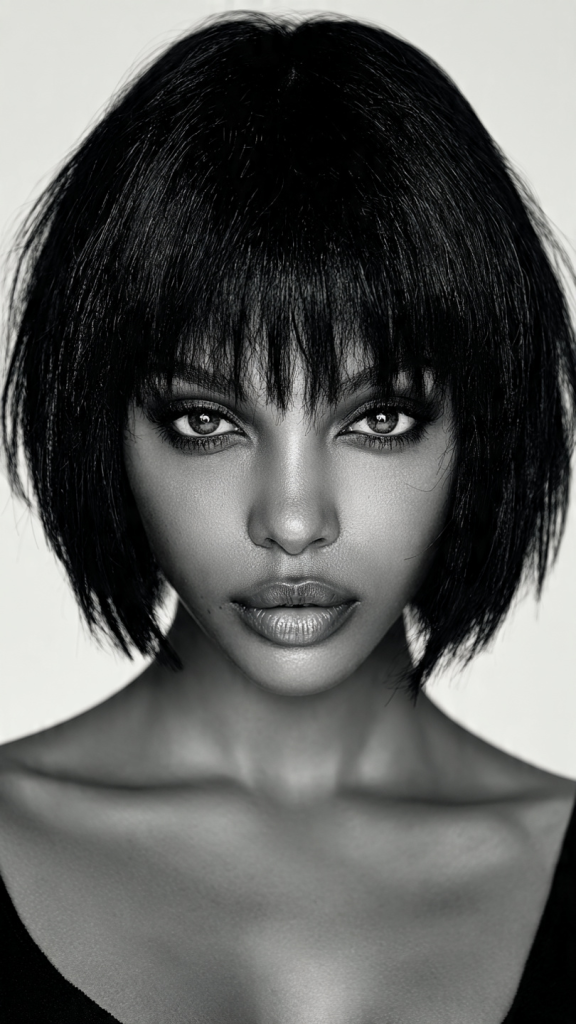
Why it works: Micro bangs (also called baby bangs) sit high on the forehead, often an inch or more above the eyebrows. This bold, editorial look pairs surprisingly well with a choppy bob—the contrast between the blunt, straight-across micro bangs and the textured, piecey bob ends is striking. For fine hair, micro bangs work because they require very little hair, so they don't thin out your overall density.
How to style it: Apply smoothing cream to the bangs only. Blow-dry them straight down using a fine-tooth comb and a blow dryer. The rest of the bob should be styled in direct contrast—messy, textured, and piecey. Use texturizing spray on the bob sections only. The goal is clean bangs, chaotic bob.
Best face shapes: Oval, heart, diamond (micro bangs suit strong bone structure)
Maintenance needs: Bangs trim every 2–3 weeks (they grow out fast); bob trim every 6–8 weeks
10. Wispy Choppy Bob

Why it works: A wispy choppy bob takes the choppy concept to its most delicate extreme. The ends are texturized until they are almost feathery, with very fine, barely-there points at every edge. For extremely fine or thinning hair, this is the most flattering option because the wispy ends eliminate any blunt line that could emphasize how little hair you have.
How to style it: Apply lightweight mousse to damp hair. Blow-dry using a large round brush for smoothness, but do not over-polish—the wispy ends should still look airy. Avoid heavy products like wax or pomade, which will clump the fine ends together. Finish with shine spray for reflection without weight.
Best face shapes: Oval, heart, oblong (wispiness softens longer faces)
Maintenance needs: Trim every 6–8 weeks. The wispy ends are very forgiving between trims.
11. Choppy Bob with Undercut
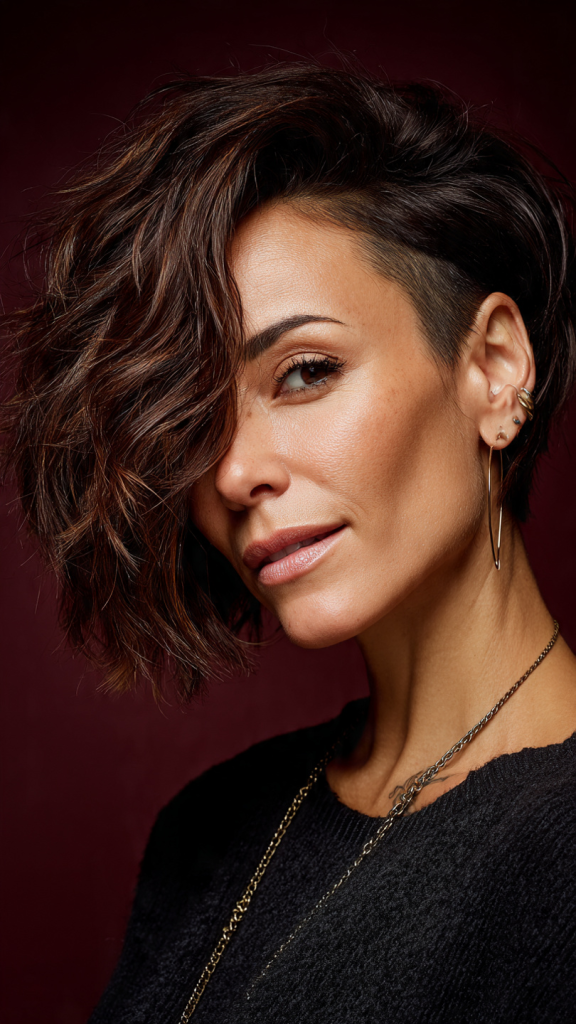
Why it works: An undercut removes hair from the nape and sometimes behind the ears, leaving only the top and crown. For fine hair, this might sound counterintuitive—why remove hair when you already have so little? But removing dense, heavy hair from the underlayer actually allows the top layer to float and lift more freely, creating more visible volume.
How to style it: Apply volumizing powder to dry roots on the top section only. Use your fingers to lift and tousle. The undercut requires no styling—it's shaved. For a more polished look, smooth the top over to one side with a fine-tooth comb. The contrast between the textured top and the clean shave is the whole point.
Best face shapes: Oval, heart, square (bold undercuts suit confident styles)
Maintenance needs: Top trim every 6–8 weeks; undercut needs refreshing every 3–4 weeks
12. Layered Choppy Bob (All-Over Texture)

Why it works: This version has layers throughout every section—not just at the ends, but starting at the crown and continuing through to the perimeter. The result is a cut with no heavy spots at all; every strand is supported by shorter layers beneath it. For fine hair, this is the ultimate volume-maximizing cut.
How to style it: Apply curl-enhancing cream or wave spray to damp hair. Flip head upside down and scrunch vigorously with a microfiber towel. Diffuse on low heat until 80% dry, then air-dry the rest. Once completely dry, shake out at the roots. Never brush—use a wide-tooth comb only when wet.
Best face shapes: All face shapes (the universal volume builder)
Maintenance needs: Trim every 7–9 weeks. The all-over layers hide grow-out beautifully.
13. Choppy Bob with Side-Swept Bangs

Why it works: Side-swept bangs are longer than traditional bangs and sweep diagonally across the forehead. When paired with a choppy bob, they create a soft, romantic silhouette that flatters almost every face shape. For fine hair, side-swept bangs add the illusion of density at the hairline without requiring a full fringe.
How to style it: Apply mousse to damp hair. Blow-dry the side-swept bangs using a round brush, directing them across your forehead and pinning them in place as they cool (this sets the sweep). The rest of the bob can be air-dried or quickly curled. Once dry, remove the pin and mist the bangs with light hairspray.
Best face shapes: Oval, heart, round (sweeping bangs slim the face)
Maintenance needs: Bangs trim every 3–4 weeks; bob trim every 6–8 weeks
14. Piecey Choppy Bob
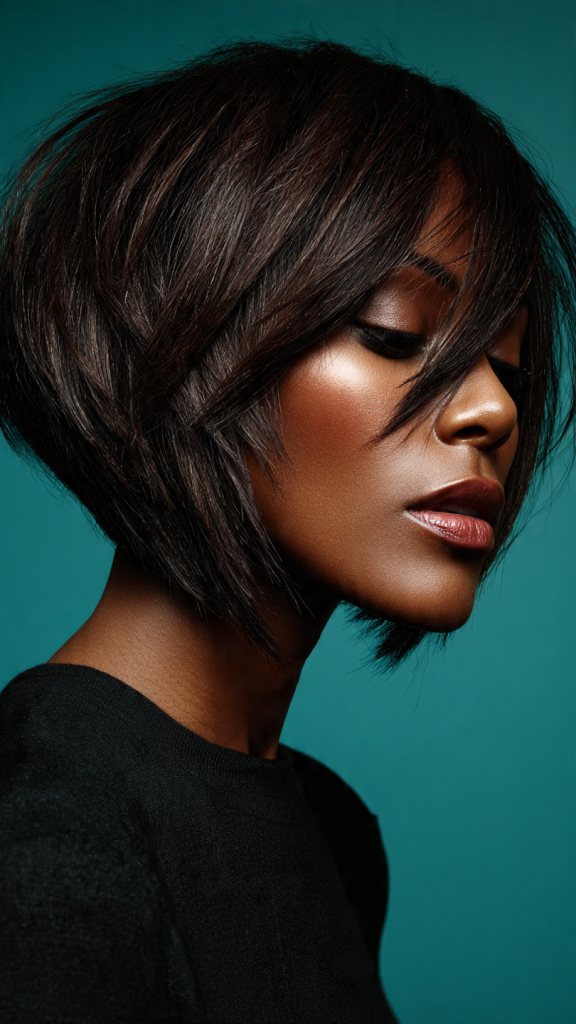
Why it works: A piecey choppy bob takes texture to its most visible extreme. Individual strands are cut and styled to stand apart from each other, creating a separated, almost spiky effect. For fine hair, this is brilliant because piecey separation hides the fact that individual strands are thin—the eye reads the separation as intentional, not sparse.
How to style it: Apply dry wax or paste to completely dry hair. Rub between palms to warm the product, then pinch and pull small sections to create individual pieces. Focus on the ends and the crown. Do not brush or comb. For extra piecey-ness, use a texturizing powder at the roots before applying wax.
Best face shapes: Oval, heart, square (piecey texture softens strong jawlines)
Maintenance needs: Trim every 6–8 weeks. The style looks best when ends are kept sharp and separated.
15. Choppy Bob with Deep Side Part
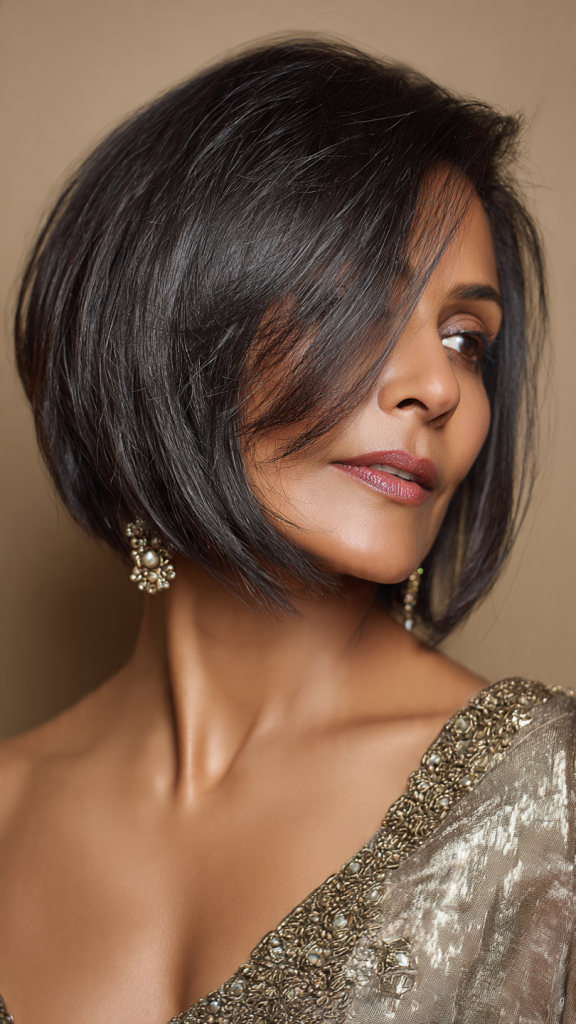
Why it works: This isn't a different cut—it's a different styling approach that transforms any choppy bob. A deep side part (versus a center part) immediately creates asymmetrical volume because all the hair is swept to one side, lifting off the scalp on the deeper side. For fine hair, this one styling change can add 50% more visible volume instantly.
How to style it: On damp hair, create a deep side part (the part should align with the arch of your eyebrow). Blow-dry using a round brush, lifting the hair on the deeper side straight up and directing it across your head. The shorter side can be tucked behind your ear. Lock the part in place with strong hold spray on the roots.
Best face shapes: Oval, round, heart (the diagonal line slims the face)
Maintenance needs: No additional maintenance beyond the underlying bob trim schedule
16. Angular Choppy Bob
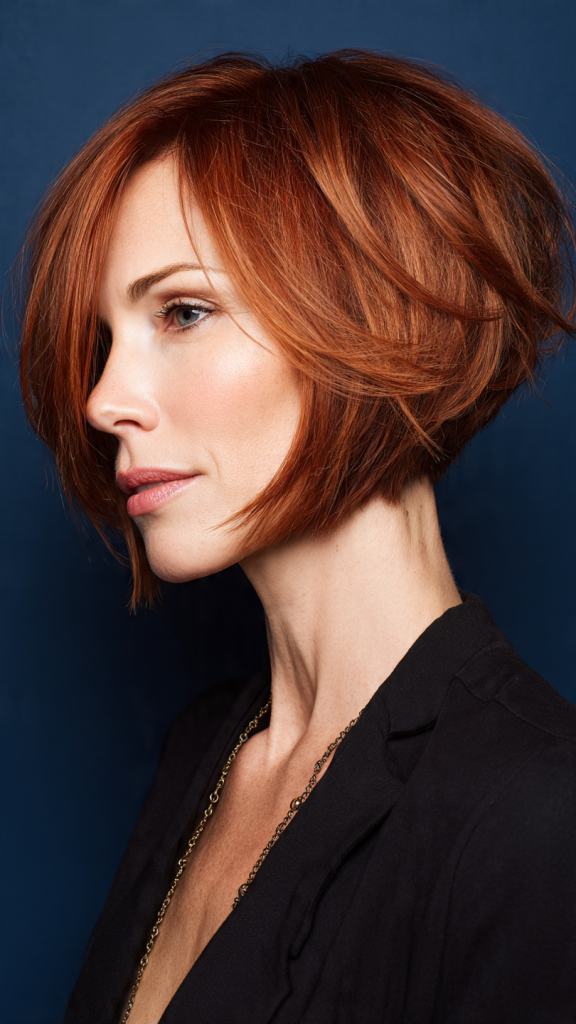
Why it works: An angular bob is a more dramatic version of the inverted bob, with a sharp, distinct angle from the back to the front. The back is very short (often above the nape) and the front is significantly longer (chin-length or longer). Choppy texturing throughout softens what could otherwise be a harsh, severe line. For fine hair, the angle creates maximum lift at the crown.
How to style it: Apply root-lifting spray to the back crown section. Blow-dry the back using a round brush, lifting straight up. For the long front pieces, use a flat iron to create a soft bend or leave straight for a more editorial look. The contrast between the short, voluminous back and the sleek front is stunning.
Best face shapes: Oval, heart, diamond (angles suit strong bone structure)
Maintenance needs: Trim every 5–6 weeks. The sharp angle requires regular upkeep.
17. Micro Choppy Bob (Ear-Length)

Why it works: The micro choppy bob is cropped right at or slightly below the earlobe, making it one of the shortest bobs on this list. At this length, choppy texture is essential—a blunt cut at ear-length on fine hair can look severe and thin. But with heavy, jagged texturing, the micro bob becomes playful, modern, and surprisingly full-looking.
How to style it: Apply texturizing foam to damp hair. Blow-dry using your fingers, lifting at the roots. The shortness means it will dry in whatever direction it wants—embrace this. For extra volume, flip your head upside down and blast with cool air for 10 seconds. Finish with dry texture spray at the roots.
Best face shapes: Oval, heart, square (very short lengths require strong bone structure)
Maintenance needs: Trim every 4–5 weeks. Any growth beyond the earlobe changes the proportion entirely.
How to Style a Choppy Bob for Fine Hair (Daily Routine)
Styling fine hair requires the right techniques and products. Here's your daily roadmap to maximum volume:
- Start with volumizing products at the roots only – Apply mousse or root-lifting spray exclusively to your roots and crown. Applying to the ends will weigh them down. Less is more—use a golf-ball sized amount of mousse for shoulder-length hair.
- Blow-dry upside down – Flip your head over and blast roots with warm heat for 30 seconds before you even pick up a brush. This pre-lifts the roots and cuts drying time in half.
- Use the right brush – A small round brush (1 inch) is ideal for fine hair because it allows you to wrap small sections tightly for maximum lift. Avoid large brushes—they can't create enough tension on fine strands.
- Cool shot is your best friend – After heating each section with a round brush, hit it with 10 seconds of cool air before releasing. This locks the bend and extends volume for hours.
- Dry shampoo is a volume product – Apply dry shampoo to clean, dry hair—not just second-day hair. It adds grip and texture that makes fine hair look twice as thick. Batiste and Klorane are excellent for fine textures.
- Texturizing spray over hairspray – Hairspray can weigh fine hair down. Instead, use texturizing spray (Oribe Dry Texturizing Spray is the gold standard) to add grit and hold without heaviness.
- Avoid heavy oils and butters – Coconut oil, argan oil, and shea butter are too heavy for fine hair. If you need shine, use a micro-mist of shine spray from 12 inches away.
- Second-day refresh – Mist roots with sea salt spray, flip head upside down, and blow-dry on low heat for 60 seconds while scrunching with your fingers. This revives volume without re-washing.
If you're looking for even more options to add density to fine hair, these short hairstyles for thin fine hair that create instant density and volume offer additional cuts designed specifically for your hair type.
Quick Maintenance Cheat Sheet
| Cut Style | Trim Frequency | Special Notes |
| Classic Choppy Bob (Chin-Length) | 6–8 weeks | Most versatile option |
| Stacked Choppy Bob | 5–6 weeks | Stacked interior requires regular upkeep |
| Textured Lob (Long Choppy Bob) | 8–10 weeks | Longest interval on this list |
| Inverted Choppy Bob | 6–7 weeks | Angle must be maintained |
| Messy Choppy Bob | 7–9 weeks | Looks better with grow-out |
| Choppy Bob with Curtain Bangs | Bangs: 3–4 weeks; Bob: 6–8 weeks | Bangs grow fastest |
| Asymmetric Choppy Bob | 5–7 weeks | Angle needs occasional refreshing |
| Graduated Choppy Bob | 6–8 weeks | Most forgiving graduation line |
| Choppy Bob with Micro Bangs | Bangs: 2–3 weeks; Bob: 6–8 weeks | Micro bangs require frequent trims |
| Wispy Choppy Bob | 6–8 weeks | Most forgiving ends |
| Choppy Bob with Undercut | Top: 6–8 weeks; Undercut: 3–4 weeks | Undercut needs regular refreshing |
| Layered Choppy Bob (All-Over) | 7–9 weeks | Best for maximum volume |
| Choppy Bob with Side-Swept Bangs | Bangs: 3–4 weeks; Bob: 6–8 weeks | Side-swept grows out gracefully |
| Piecey Choppy Bob | 6–8 weeks | Keep ends sharp for best piecey effect |
| Choppy Bob with Deep Side Part | Same as underlying bob | Styling change, not cut change |
| Angular Choppy Bob | 5–6 weeks | Sharpest angle requires most upkeep |
| Micro Choppy Bob (Ear-Length) | 4–5 weeks | Shortest interval on this list |
Final Thoughts
A choppy bob hairstyle can completely transform fine hair from limp and lifeless to voluminous and full of movement. The key is choosing the right variation for your face shape, lifestyle, and comfort with maintenance—from the ultra-low-maintenance messy bob to the bold, high-impact angular cut. Remember that fine hair thrives on texture, so don't be afraid of layers, point-cutting, or even an undercut if you're feeling adventurous. Take this guide to your stylist, discuss which of these 17 options aligns with your daily routine, and get ready to fall in love with your fine hair all over again.