Fine Hair Needs Attitude
Fine hair is not a problem. It is a texture. And every texture has its own strengths. The strength of fine hair? It takes texture beautifully. Thick hair can look bulky when chopped up. Fine hair looks intentional, edgy, and full of movement.
The key is a choppy pixie. Visible sections. Separated pieces. No heavy, blunt lines that drag your hair down. I have seen fine-haired clients walk out of the salon with more volume than they thought possible — all because of the cut.
Here are 15 choppy pixie haircuts for fine hair.
1. The Ragged Pixie
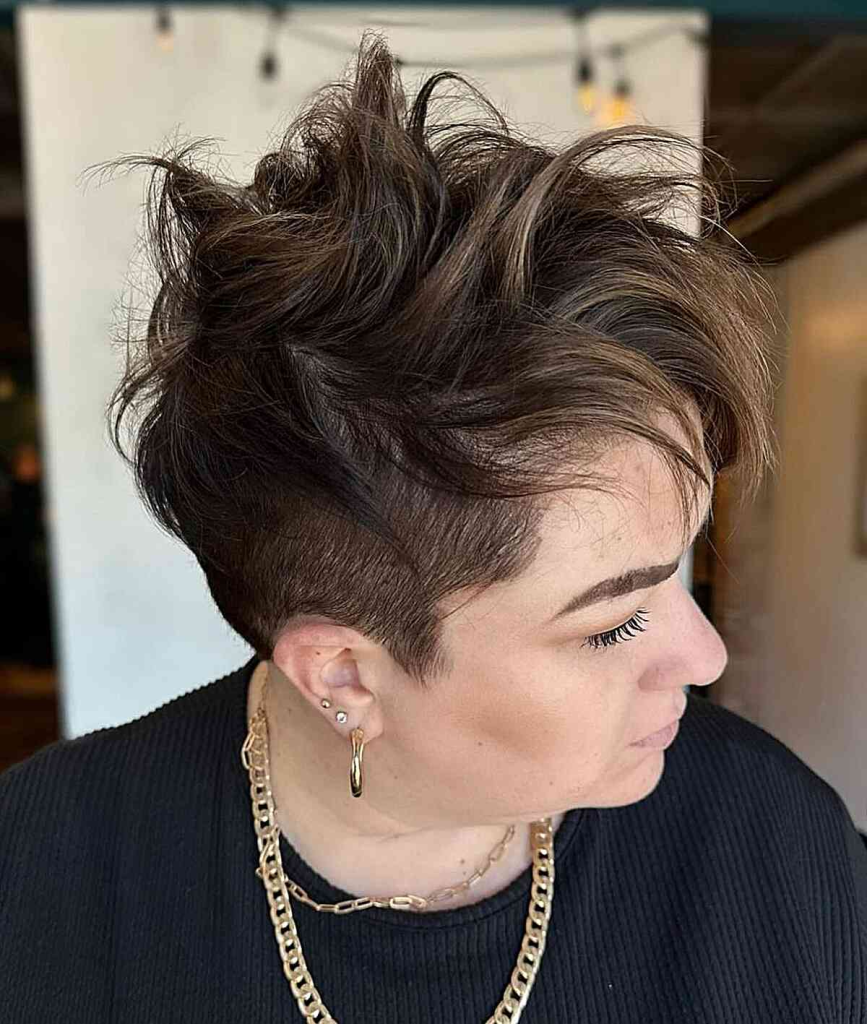
A pixie with intentionally uneven, jagged ends. The raggedness creates volume and edge.
The right approach: Ask for point-cut ends that look irregular. No smooth lines anywhere.
How to describe it: "I want a ragged pixie. Jagged ends. Uneven on purpose. The raggedness should give me volume."
What to skip: A neat, tidy pixie. Ragged means messy.
2. The Twisted Texture Pixie
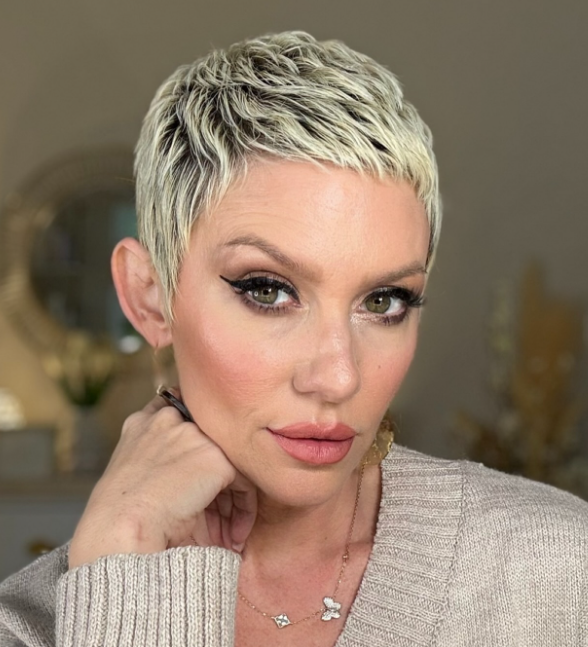
Small sections of hair are twisted while cutting to create unpredictable texture.
The right approach: Ask for twist-cutting. The stylist twists small sections before cutting for maximum texture.
How to describe it: "I want a twisted texture pixie. Twist-cut for unpredictable texture. Choppy and interesting."
What to skip: Straight, even cutting. Twisted means varied.
3. The Feather Cut Pixie
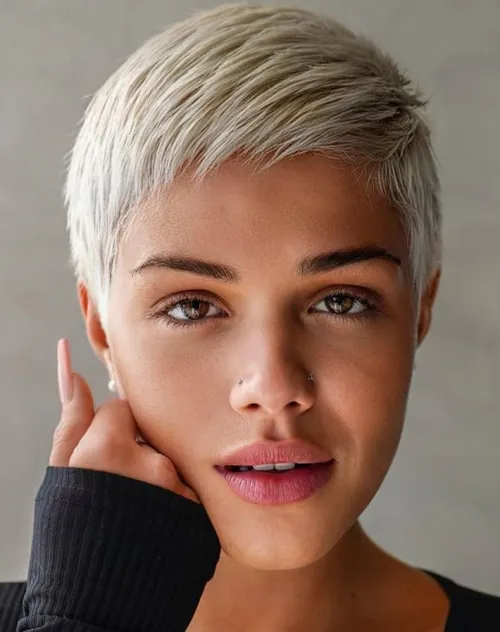
Soft, feathery ends that flick outward. The feathers create the illusion of more hair.
The right approach: Ask for point-cut ends that are angled to flick away from your head.
How to describe it: "I want a feather cut pixie. Soft ends that flick outward. The feathers should add volume."
What to skip: Ends that curl under. Feather means flicking out.
4. The Shattered Pixie
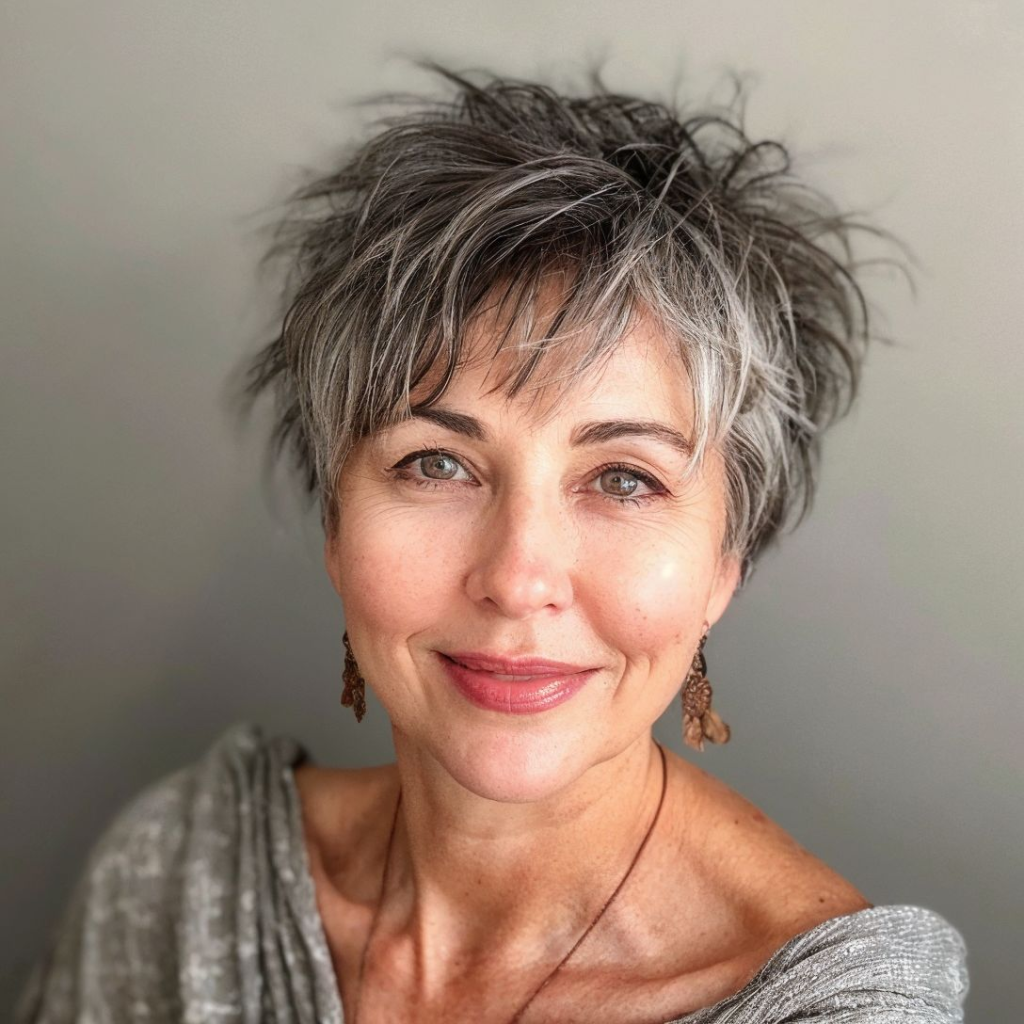
The hair is cut into tiny, shattered pieces that stand on their own. Maximum texture.
The right approach: Ask for very short, broken-up sections. The pieces should look fragmented.
How to describe it: "I want a shattered pixie. Tiny broken pieces. Fragmented texture. Maximum volume."
What to skip: Long, continuous pieces. Shattered means broken up.
5. The Notched Pixie
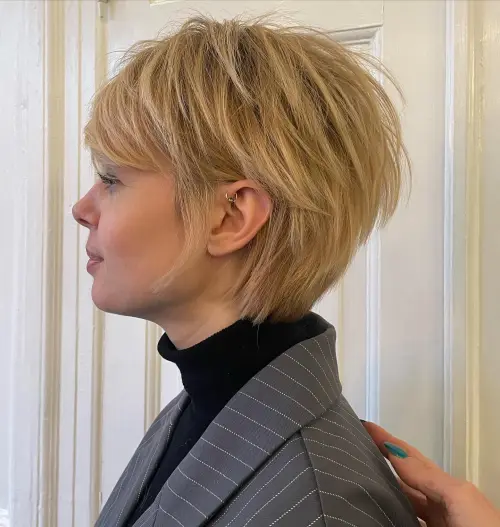
Small notches are cut into the ends of the hair. The notches create separation and movement.
The right approach: Ask for notch-cutting. The stylist snips small V-shapes into the ends.
How to describe it: "I want a notched pixie. Small V-shaped notches in the ends. Separation and movement."
What to skip: Smooth, continuous ends. Notched means interrupted.
6. The Edgy Crop Pixie
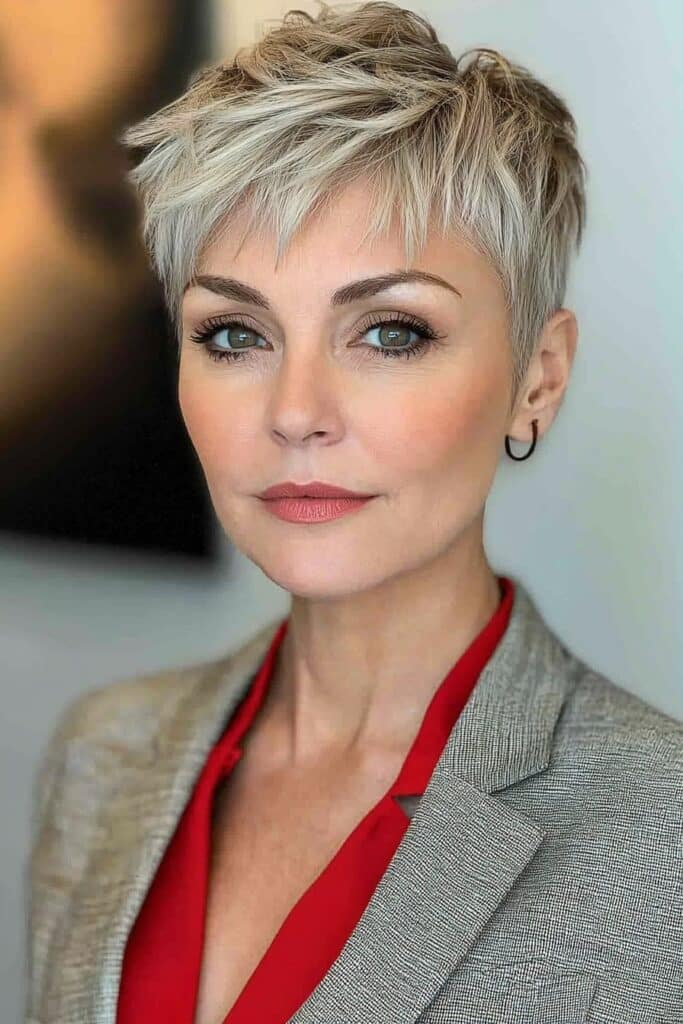
A very short crop (1 inch or less) but cut with maximum choppiness. The edginess comes from the texture.
The right approach: Ask for a #4 guard on the sides. The top should be point-cut into small, visible pieces.
How to describe it: "I want an edgy crop pixie. Very short but very choppy. The texture is the edge."
What to skip: A smooth crop. Edge needs texture.
7. The Spiral Choppy Pixie
The top is cut into spiral-like sections that curve and twist. Adds visual interest.
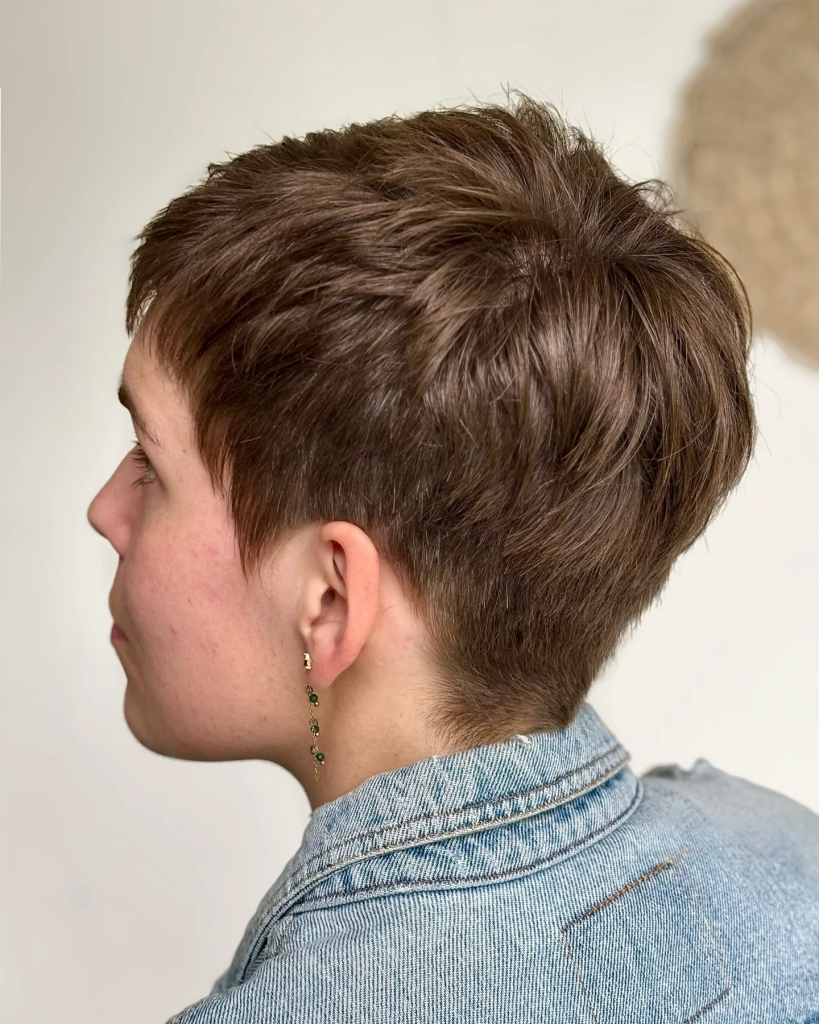
The right approach: Ask for spiral cutting. The sections should curve, not go straight up.
How to describe it: "I want a spiral choppy pixie. Curving sections. Not straight up. Visual interest."
What to skip: Straight, upright spikes. Spiral means curved.
8. The Frayed Pixie
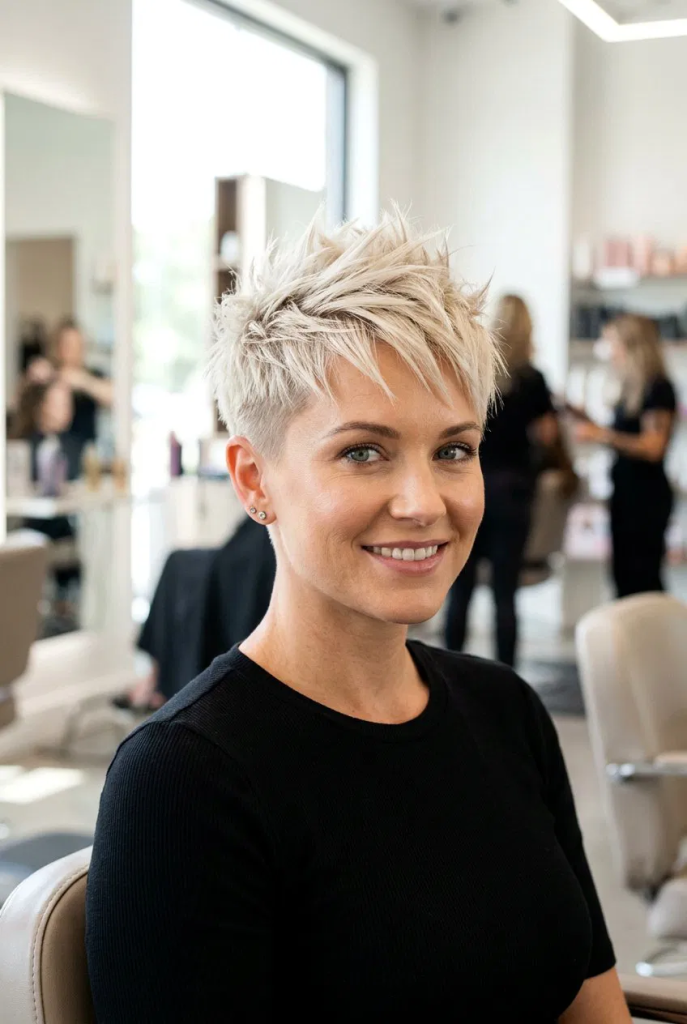
The ends are cut to look slightly frayed, like well-worn fabric. Soft and lived-in.
The right approach: Ask for very soft, almost shredded ends. The frays should look intentional.
How to describe it: "I want a frayed pixie. Soft, worn ends. Lived-in texture. Not sharp or neat."
What to skip: Sharp, clean ends. Frayed means soft.
9. The Angular Choppy Pixie
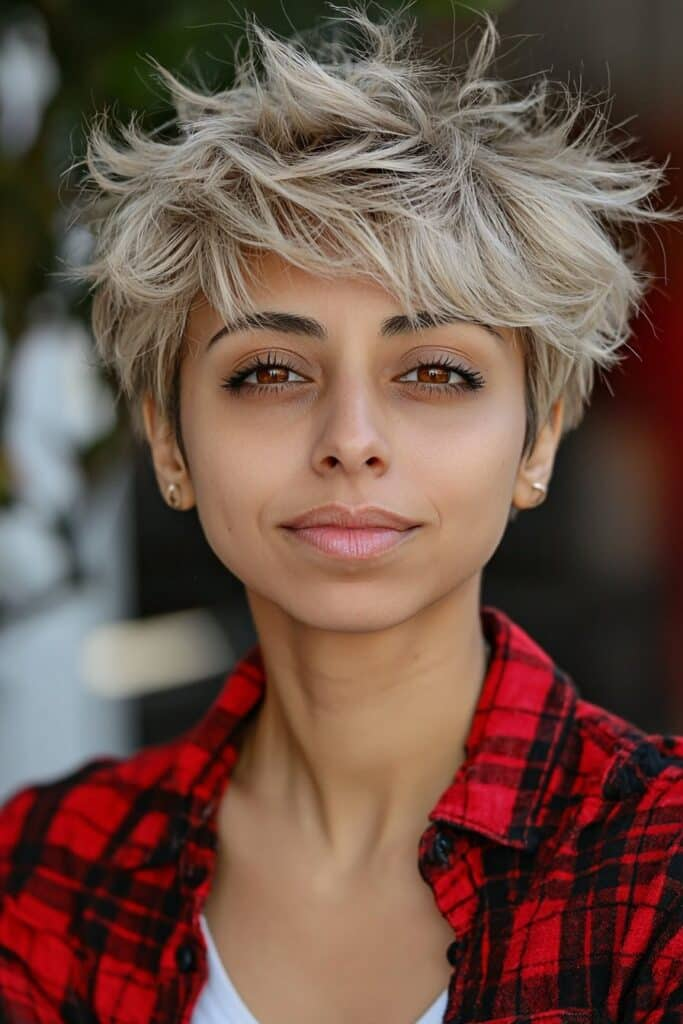
Choppy texture combined with sharp, angular lines. The angles add structure to the chaos.
The right approach: Ask for clean angles on the perimeter. Choppy texture on the top.
How to describe it: "I want an angular choppy pixie. Sharp angles around my face. Choppy texture on top."
What to skip: Soft, rounded edges. Angular means sharp.
10. The Pixie with Carved Lines
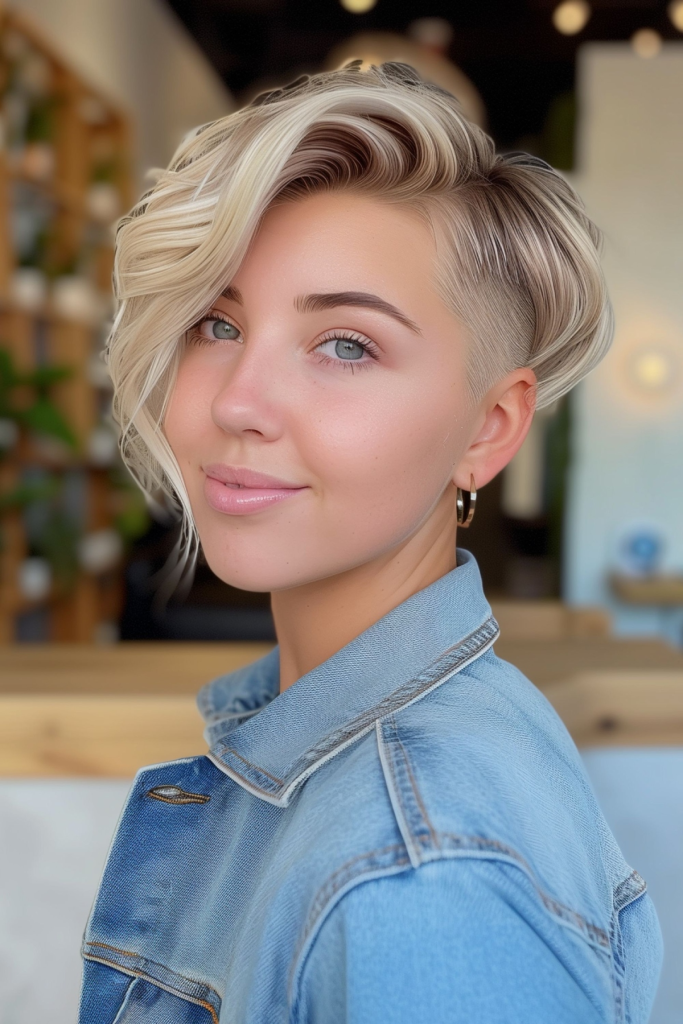
Lines are carved into the choppy texture. Visible pathways through your hair.
The right approach: Ask for carved parting lines. The lines should be visible even when styled.
How to describe it: "I want a pixie with carved lines. Visible pathways through my hair. The lines add structure."
What to skip: Blended, invisible lines. Carved means visible.
11. The Blended Choppy Pixie
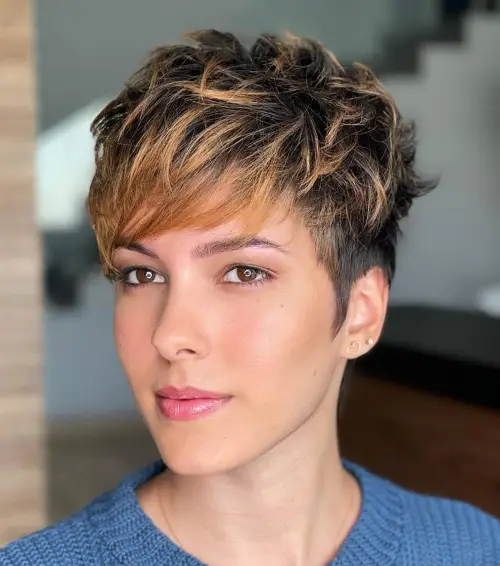
Choppy texture that is still blended, not disconnected. The best of both worlds.
The right approach: Ask for choppy texture with smooth transitions between sections.
How to describe it: "I want a blended choppy pixie. Choppy texture. But smooth transitions. Not disconnected."
What to skip: Harsh, disconnected sections. Blended means connected.
12. The Pixie with Micro-Sections
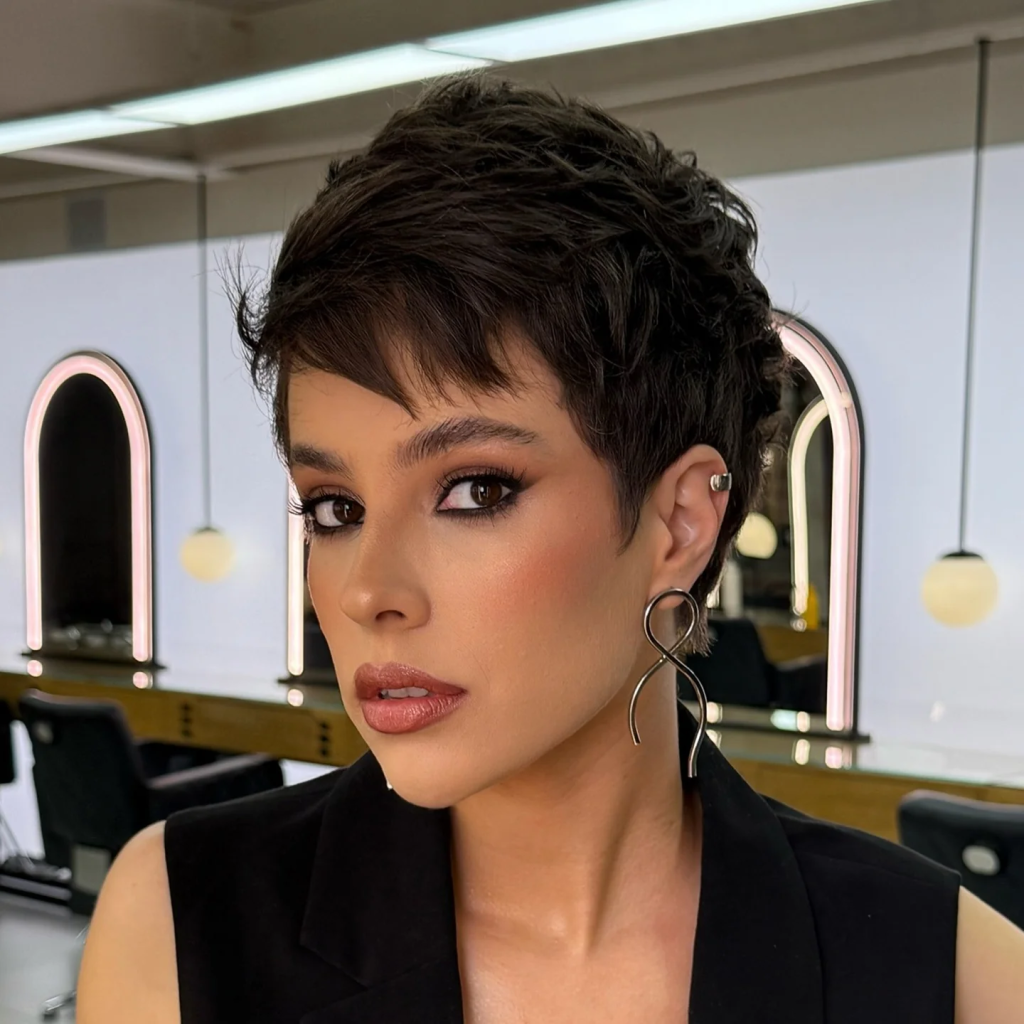
Very small, micro-sized sections cut throughout. The tiny sections create dense-looking texture.
The right approach: Ask for very small subsections. The smaller the section, the more texture.
How to describe it: "I want a pixie with micro-sections. Tiny sections. Dense-looking texture."
What to skip: Large, wide sections. Micro means small.
13. The Wispy Choppy Pixie
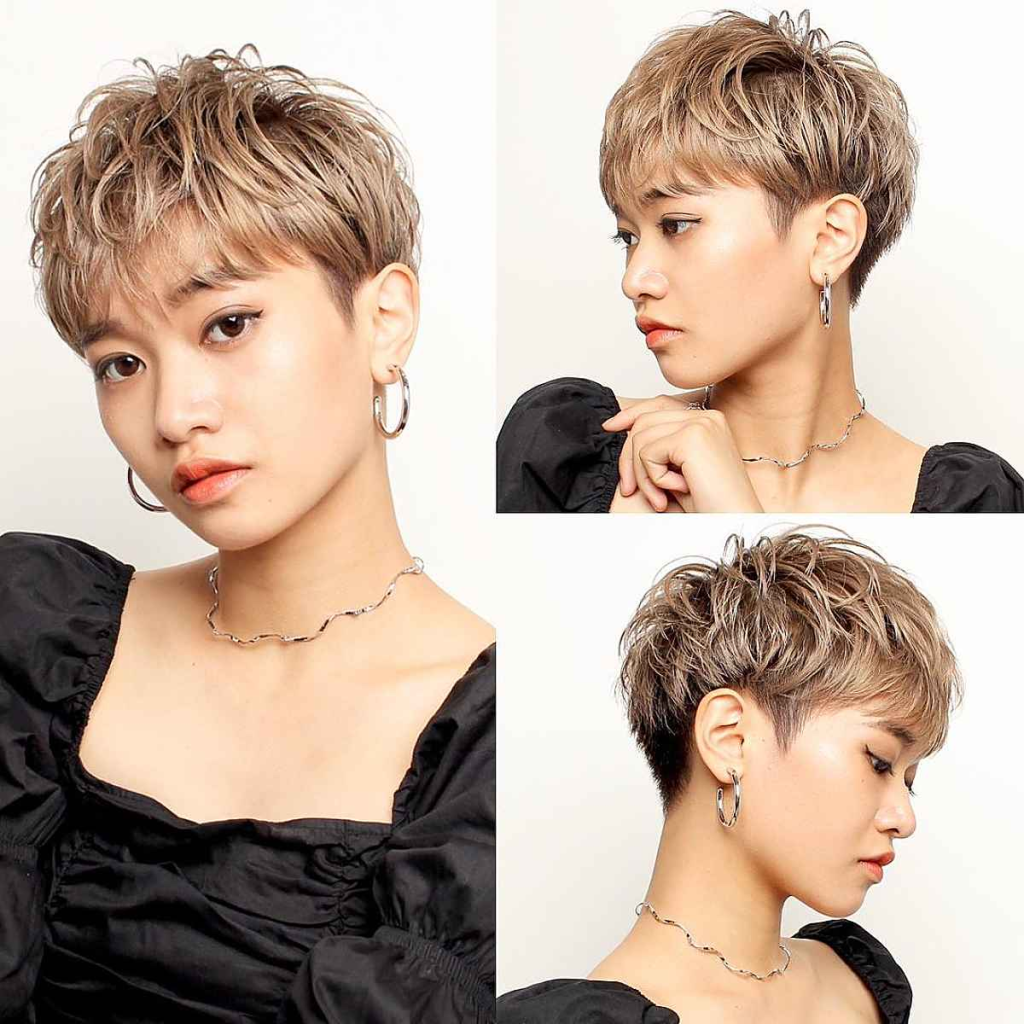
Choppy texture with very light, wispy ends. The wispiness keeps the chop from looking heavy.
The right approach: Ask for point-cut wispy ends. The ends should be see-through in places.
How to describe it: "I want a wispy choppy pixie. Light ends. See-through in places. Choppy but not heavy."
What to skip: Dense, heavy ends. Wispy means light.
14. The Precision Choppy Pixie
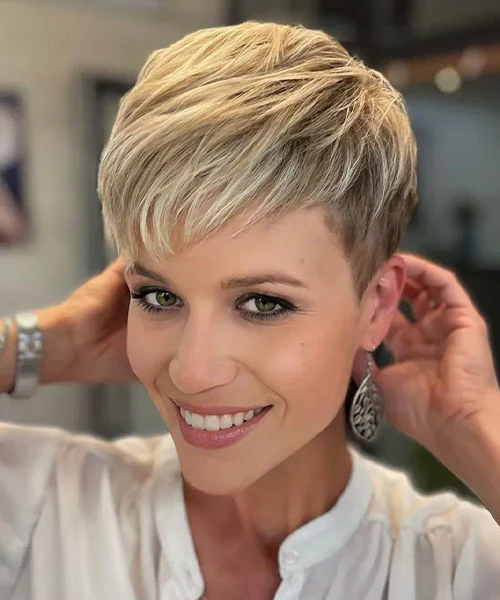
Choppy texture but with razor-sharp precision. Every piece is intentional.
The right approach: Ask for precision cutting. The choppiness should look deliberate, not random.
How to describe it: "I want a precision choppy pixie. Every piece intentional. Choppy but precise."
What to skip: Random, haphazard choppiness. Precision means deliberate.
15. The Dimensional Choppy Pixie
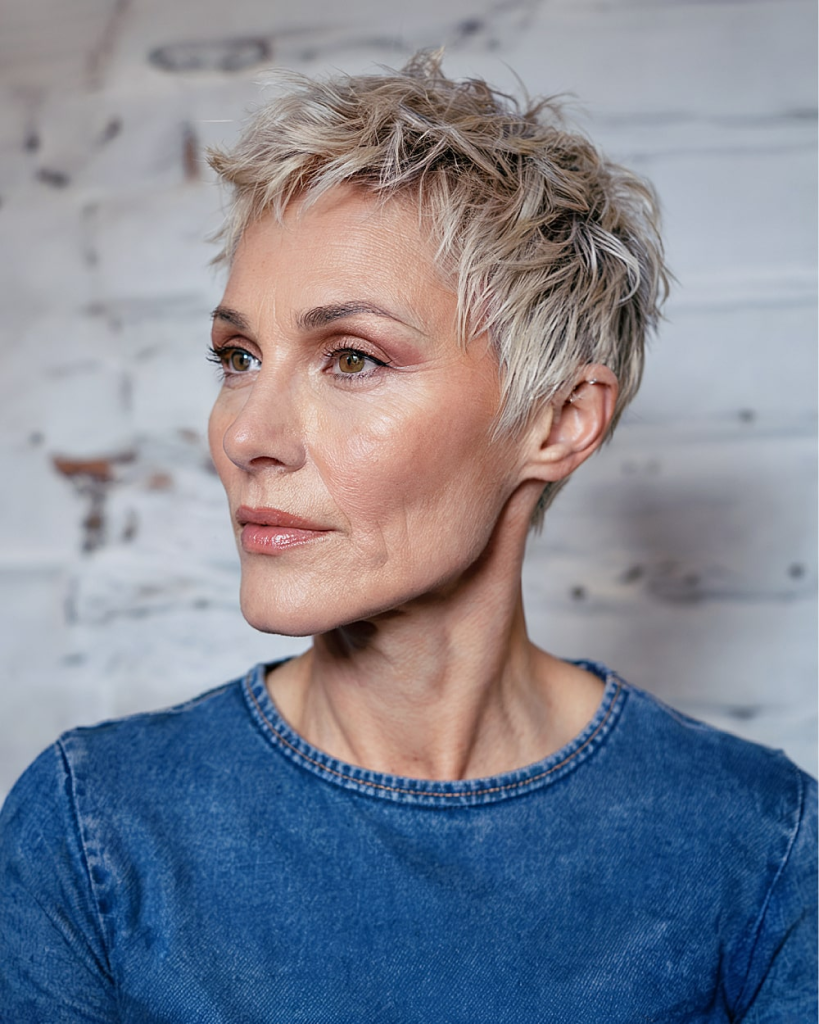
Multiple layers of choppiness — some pieces short, some long, all overlapping. Creates depth.
The right approach: Ask for overlapping layers of texture. The pieces should sit on top of each other.
How to describe it: "I want a dimensional choppy pixie. Overlapping layers. Short and long pieces mixed. Depth and texture."
What to skip: One-dimensional choppiness. Dimensional means layered.
What to Tell Your Stylist
Bring a photo from the 15 above. Say: "I have fine hair. I want a choppy pixie. No blunt lines. I want visible texture and movement."
Styling Your Choppy Pixie
For maximum texture: Apply a pea-sized amount of matte clay to dry hair. Rub between palms. Run through your hair. Lift at the roots.
For a softer look: Use a texture spray on damp hair. Air-dry. Rough up with your fingers.
For spikes: Use a tiny amount of matte paste. Pinch small sections and pull upward.
The golden rule: Less product is more.
The Final Word
Fine hair does not have to be flat. Choppy pixies prove that every day. Ragged, twisted, feathered, shattered, notched, frayed. Fifteen textures. One of them is yours. Choose one. Bring a photo. Say goodbye to flat hair.