The Bob Gets an Update
Every year, the bob evolves. Sometimes the changes are subtle. Sometimes they are dramatic. For 2026, the bob is taking risks. New shapes. New textures. New ways of thinking about a classic cut.
I have been watching what is coming down the runways, what avant-garde stylists are creating, and what early adopters are asking for. Here are 15 bob haircuts that will define 2026.
1. The Deconstructed Bob
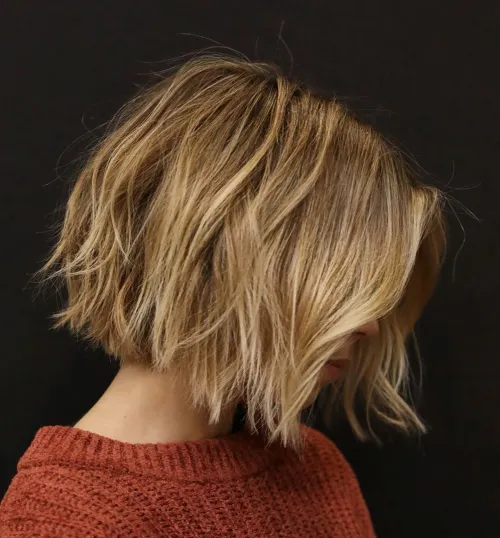
A bob that looks intentionally unfinished. Raw edges. Visible layers. Nothing polished.
The right approach: Ask for raw, unpolished edges. The cut should look like it is still in progress.
How to describe it: "I want a deconstructed bob. Raw edges. Unfinished look. Nothing polished."
What to skip: A smooth, finished bob. Deconstructed means undone.
2. The Scalloped Bob

The perimeter is cut into scalloped curves instead of a straight line. Soft waves at the bottom.
The right approach: Ask for a scalloped perimeter. The bottom should have gentle curves.
How to describe it: "I want a scalloped bob. Curved perimeter. Soft waves at the bottom. Not straight."
What to skip: A straight-across bob. Scalloped means curved.
3. The Stepped Bob
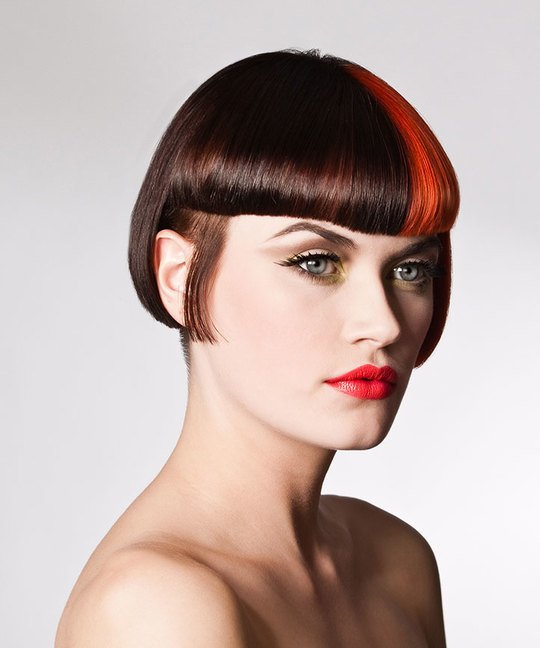
Visible, distinct steps throughout the cut. The hair looks like it has levels, like a staircase.
The right approach: Ask for stepped layers. The steps should be visible, not blended.
How to describe it: "I want a stepped bob. Visible levels. Like a staircase. Steps should be distinct."
What to skip: Blended layers. Stepped means visible.
4. The Flipped Bob
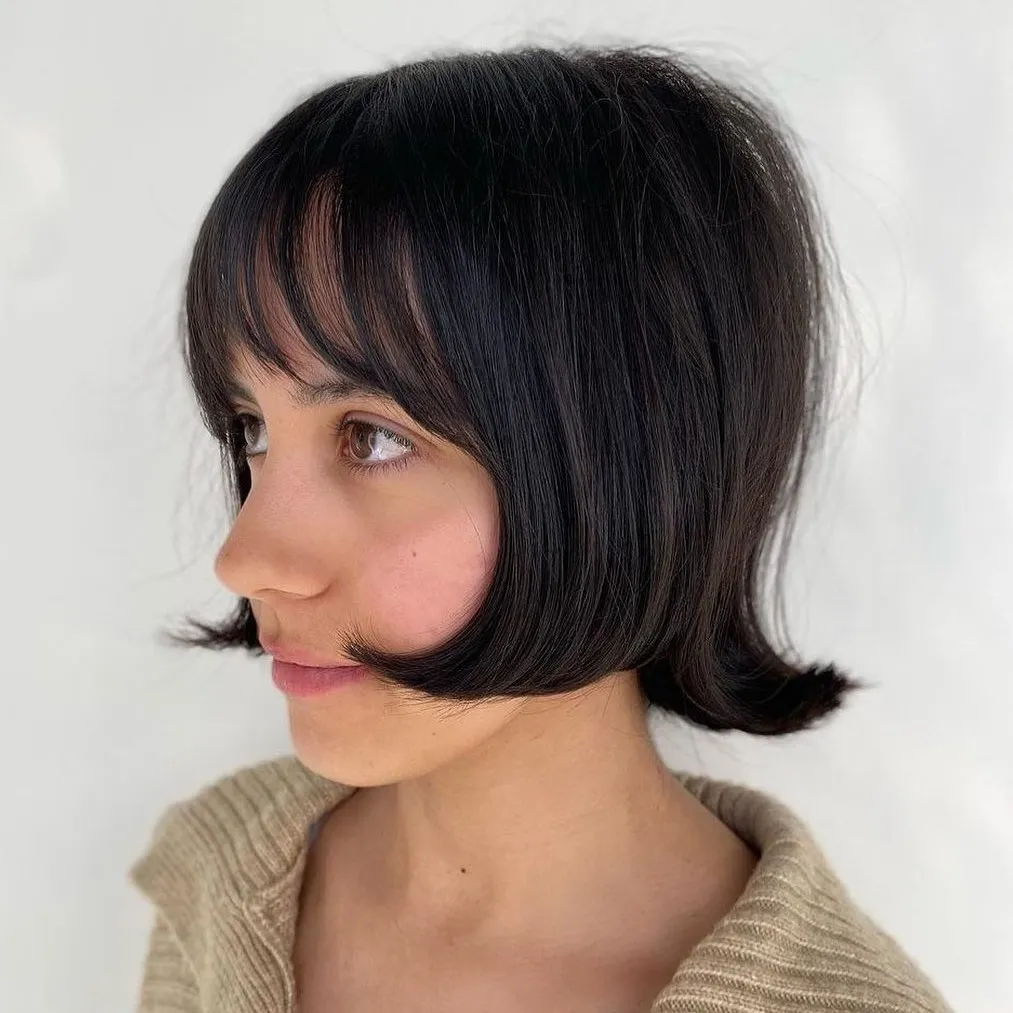
The ends are flipped outward instead of under. 1960s energy, modern execution.
The right approach: Ask for ends that flip out. The flip should be baked into the cut, not just styled.
How to describe it: "I want a flipped bob. Ends flipping outward. 1960s vibe but modern."
What to skip: Ends that curl under. Flipped means out.
5. The Tucked Bob
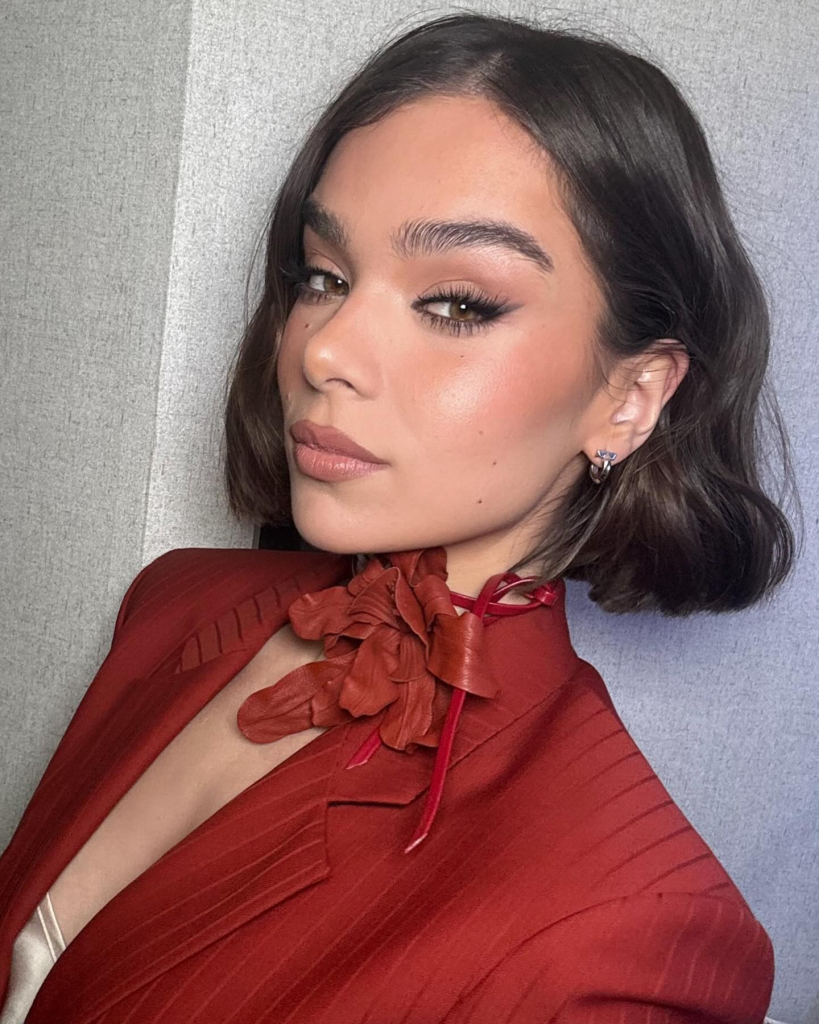
The hair is cut to naturally tuck behind your ears. The cut encourages the tucked shape.
The right approach: Ask for a shape that naturally falls behind your ears. No product needed.
How to describe it: "I want a tucked bob. Cut to naturally tuck behind my ears. Easy and clean."
What to skip: A bob that fights the tuck. Tucked means designed for it.
6. The Liquid Bob
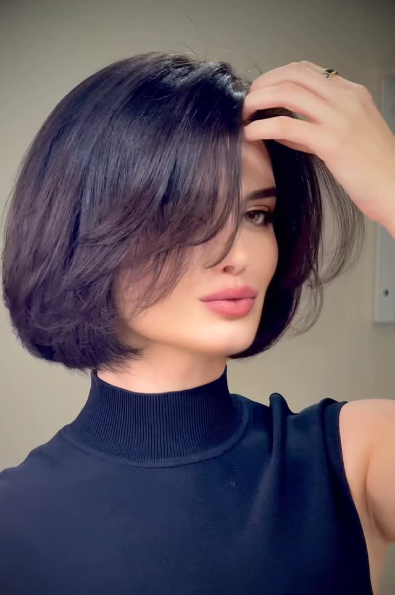
A bob with no visible lines. Seamless. Flowing. Like liquid.
The right approach: Ask for seamless blending. No visible layers. No visible perimeter.
How to describe it: "I want a liquid bob. Seamless. No visible lines. Flowing like water."
What to skip: Visible layers or lines. Liquid means seamless.
7. The Shattered Perimeter Bob

The bottom edge is shattered into tiny pieces instead of a clean line. Raw and edgy.
The right approach: Ask for a shattered perimeter. The ends should be broken up, not straight.
How to describe it: "I want a shattered perimeter bob. Broken ends. Raw edge. Not clean."
What to skip: A clean, straight perimeter. Shattered means broken.
8. The Suspended Bob
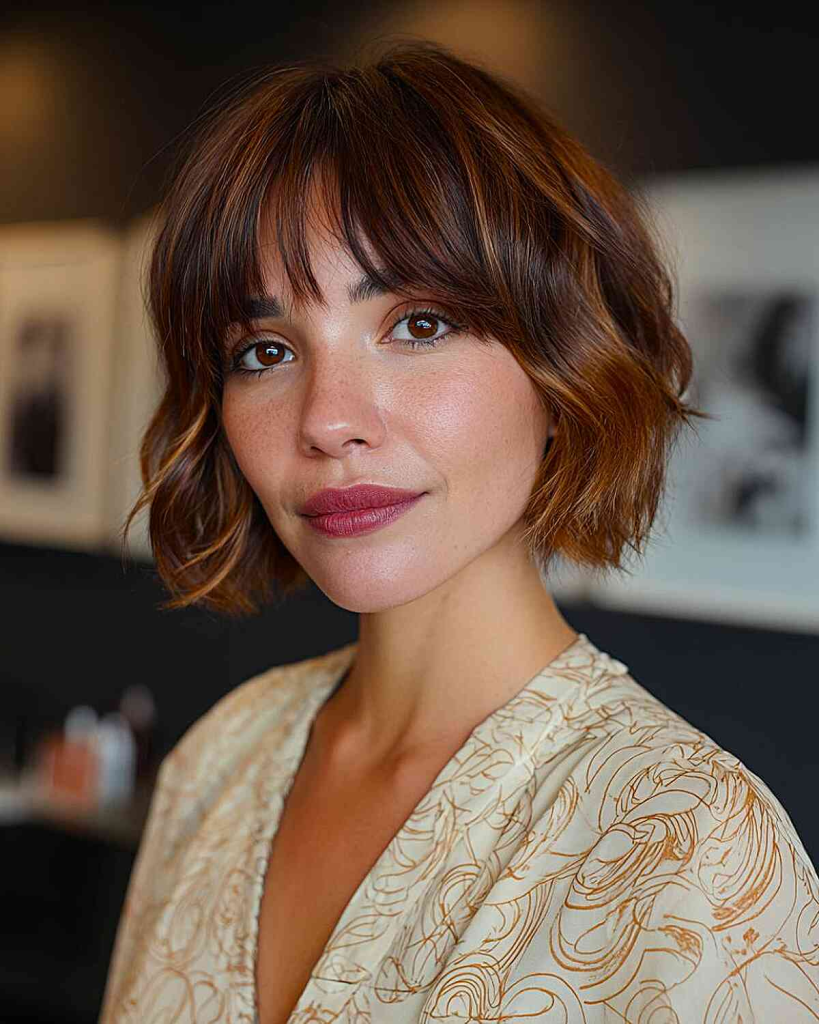
Layers that seem to float above each other. Space between the layers. Light and airy.
The right approach: Ask for suspended layers. Visible gaps between layers.
How to describe it: "I want a suspended bob. Layers floating above each other. Space between them."
What to skip: Dense, compact layers. Suspended means space.
9. The Wrapped Bob
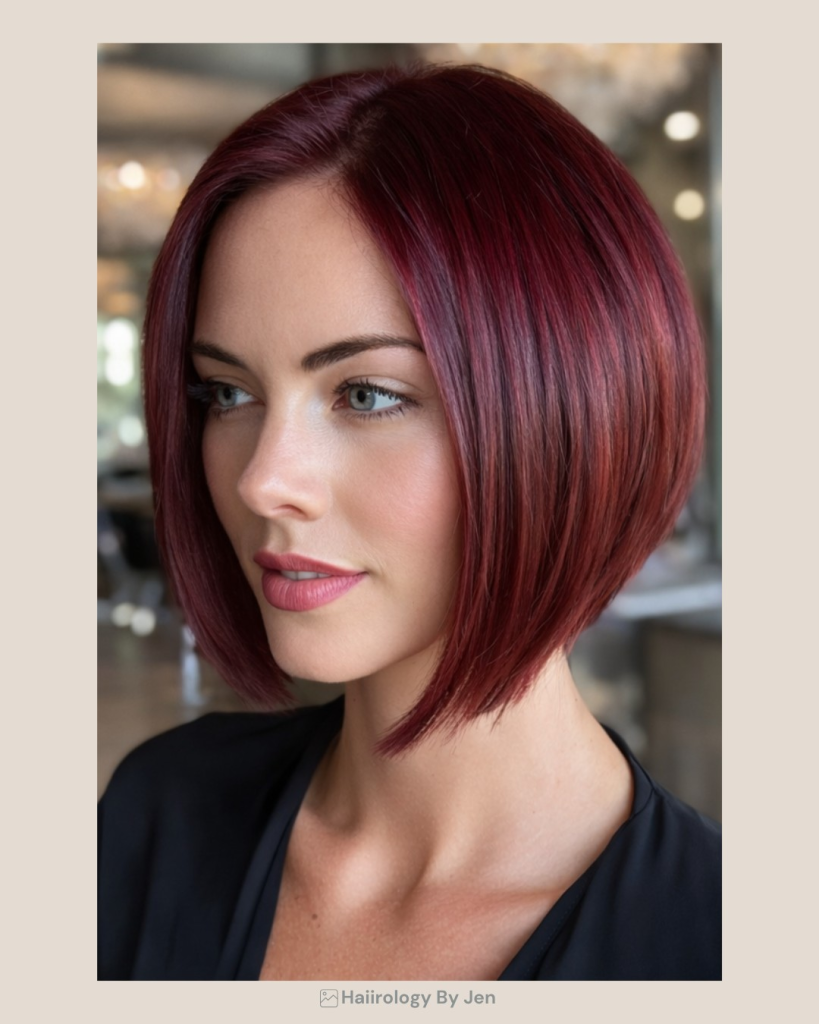
The hair appears to wrap around the head. Curved, hugging shape.
The right approach: Ask for a wrapped silhouette. The hair should follow the curve of your head.
How to describe it: "I want a wrapped bob. Curved shape. Hugging my head. Wrapped around."
What to skip: A boxy or angular shape. Wrapped means curved.
10. The Pixelated Bob
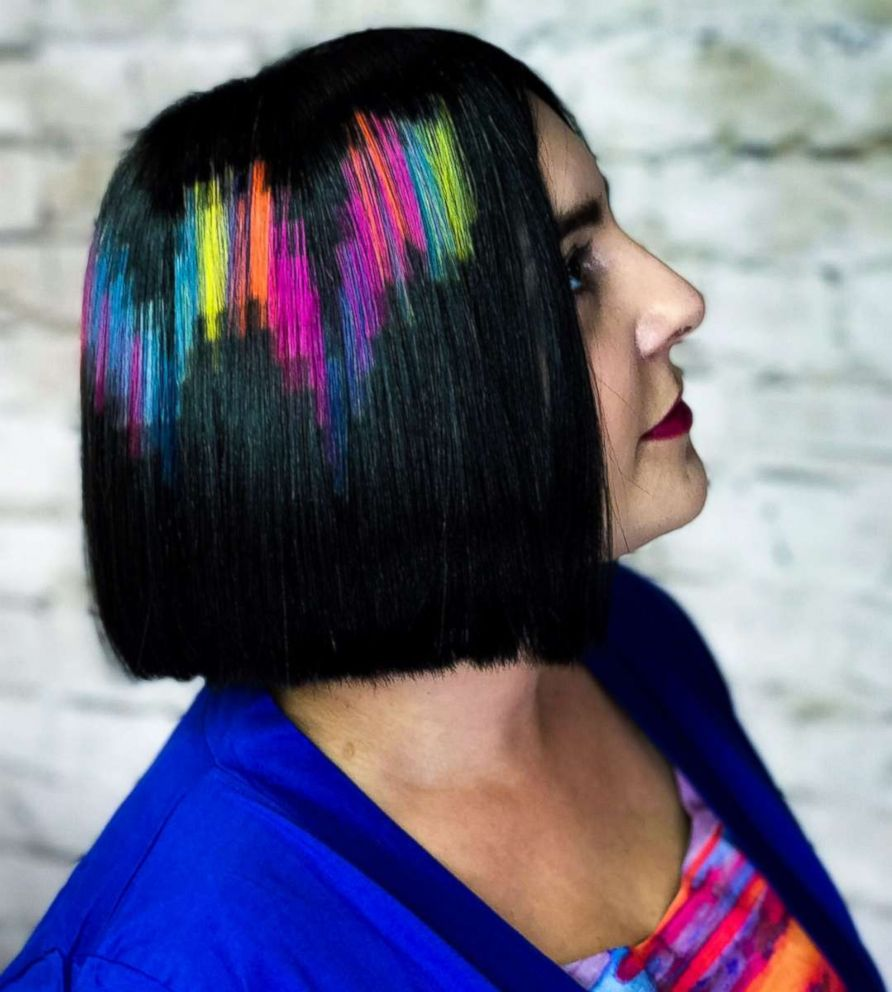
The ends are cut into tiny, pixel-like squares. Digital-age texture.
The right approach: Ask for pixelated ends. Square, blocky pieces. Not soft.
How to describe it: "I want a pixelated bob. Square ends. Blocky texture. Digital vibes."
What to skip: Soft, rounded ends. Pixelated means square.
11. The Origami Bob
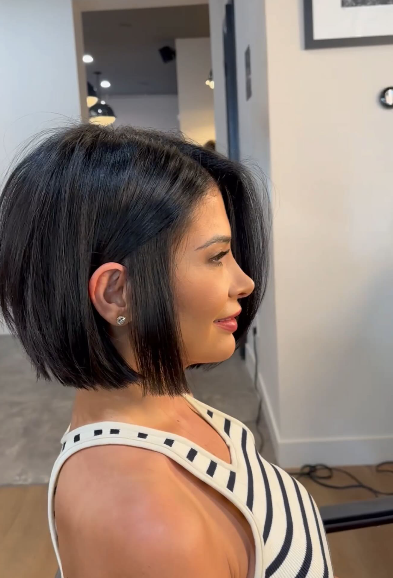
Sharp, folded-looking angles. Like paper folded into shape. Architectural and precise.
The right approach: Ask for origami angles. The folds should look intentional.
How to describe it: "I want an origami bob. Sharp folded angles. Precise and architectural."
What to skip: Soft, rounded shapes. Origami means sharp folds.
12. The Bleached-Line Bob
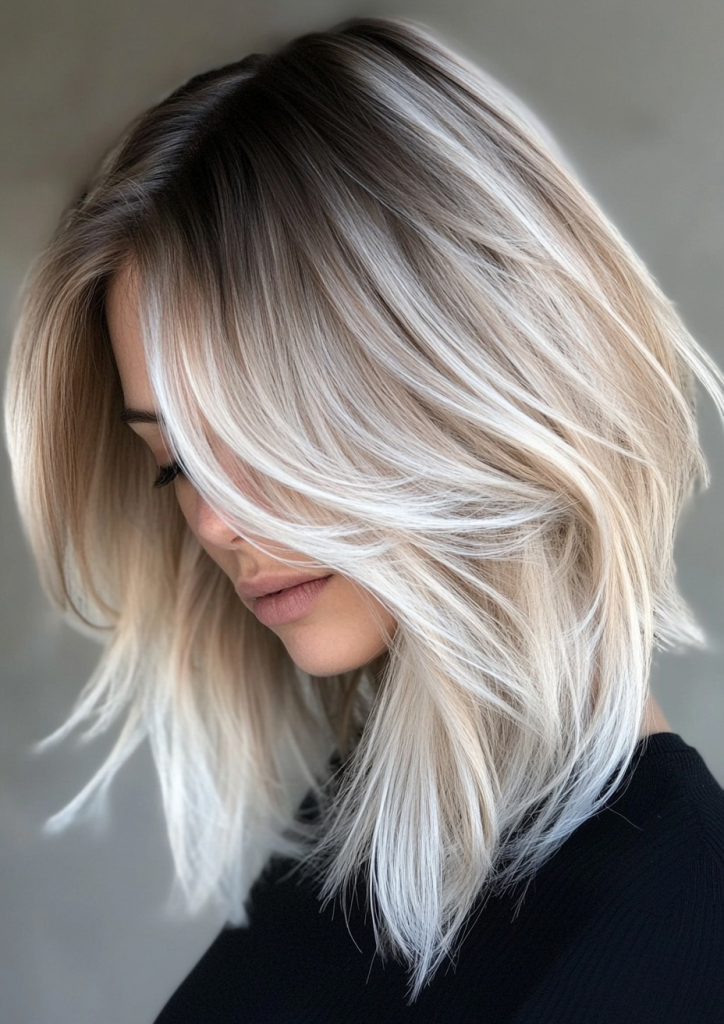
Visible bleached lines cut into the hair. The lines are part of the haircut, not just color.
The right approach: Ask for bleached parting lines. The lines should be visible even without color.
How to describe it: "I want a bleached-line bob. Visible lines cut into my hair. The lines are the design."
What to skip: Invisible blending. Bleached lines mean visible.
13. The Asymmetric Stack
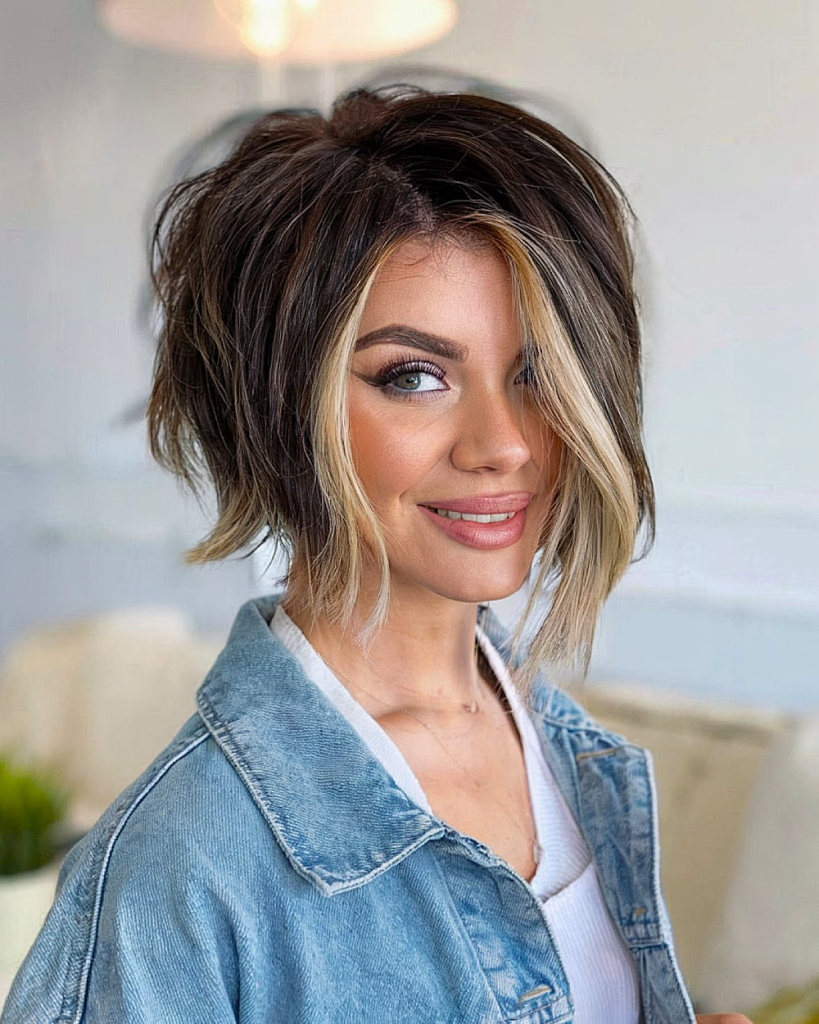
An asymmetrical bob with a stacked back. The stack is higher on one side than the other.
The right approach: Ask for an asymmetric stack. Higher on your left, lower on your right.
How to describe it: "I want an asymmetric stack. Higher on one side. Lower on the other. Uneven and interesting."
What to skip: A symmetrical stack. Asymmetric means uneven.
14. The Grunge Bob
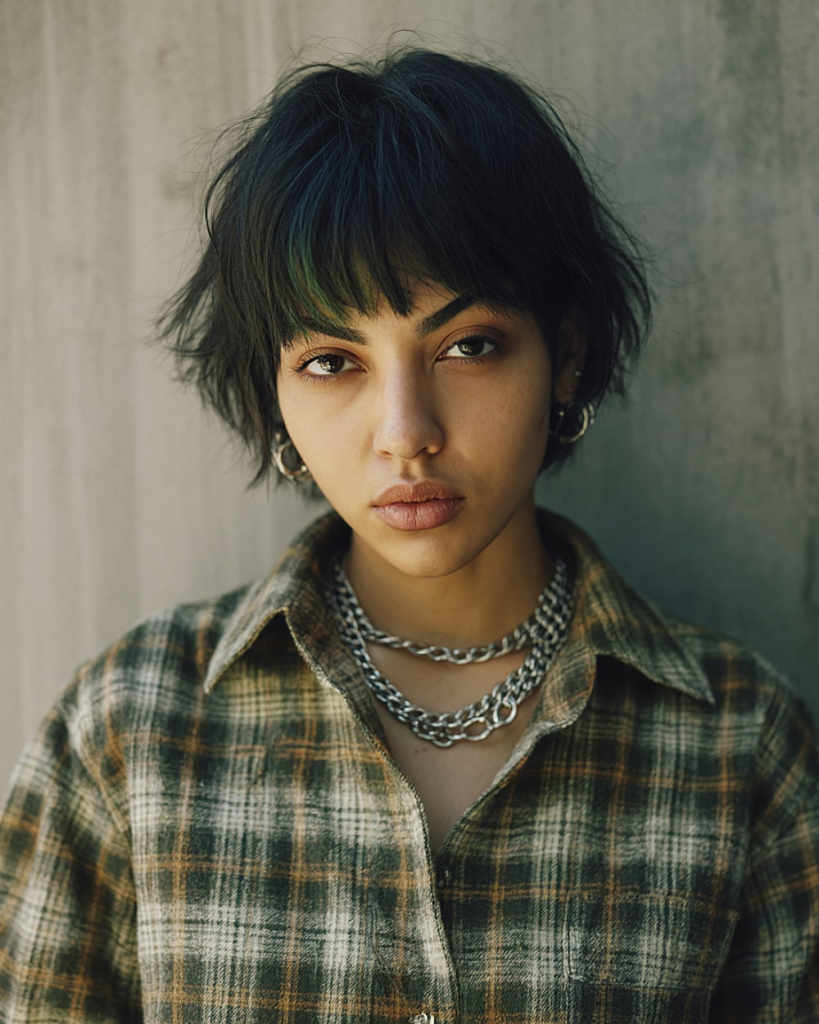
A messy, undone bob with visible choppiness. 1990s grunge energy.
The right approach: Ask for messy texture. Visible choppiness. Undone shape.
How to describe it: "I want a grunge bob. Messy and choppy. Undone. 1990s energy."
What to skip: A polished, neat bob. Grunge means messy.
15. The Ghost Bob
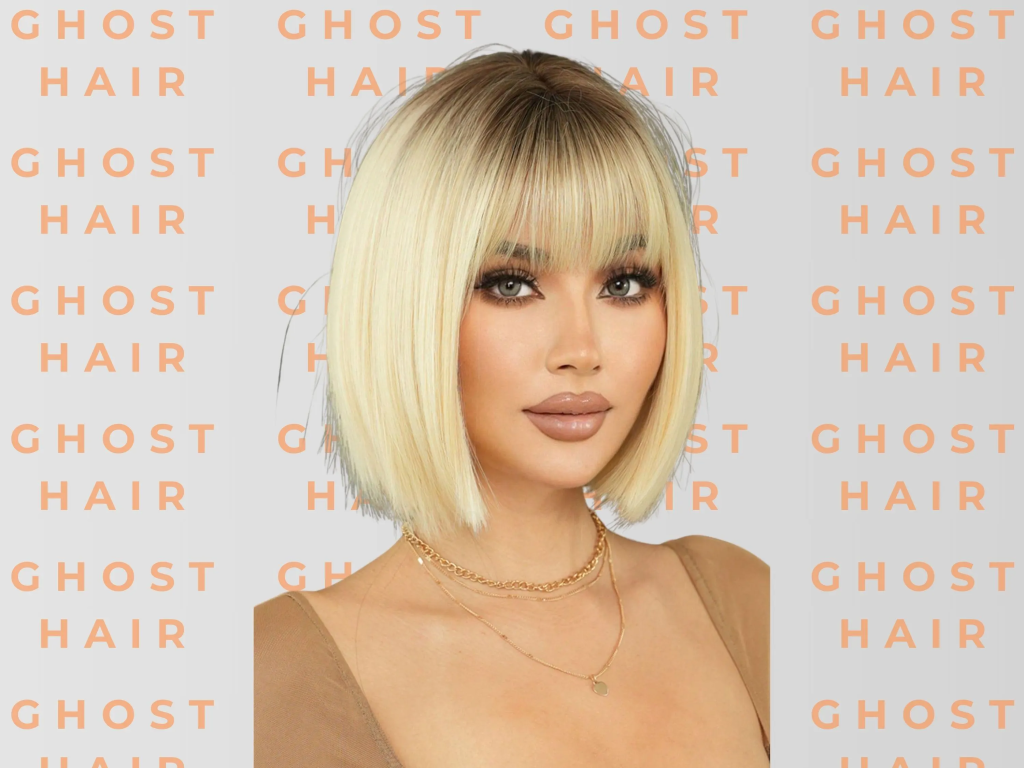
A bob that is barely there. Very short. Very minimal. Almost invisible.
The right approach: Ask for a micro length. Clean lines. Minimal presence.
How to describe it: "I want a ghost bob. Very short. Minimal. Almost invisible."
What to skip: A bob with weight. Ghost means light.
What to Tell Your Stylist
Bring a photo from the 15 above. Say: "I want a bob haircut for 2026. This is the style I want. Tell me if it will work with my hair type."
The Final Word
The bob of 2026 is not playing it safe. Deconstructed. Scalloped. Stepped. Flipped. Tucked. Liquid. Shattered. Suspended. Wrapped. Pixelated. Origami. Bleached-line. Asymmetric stack. Grunge. Ghost. Fifteen forward-thinking styles. One of them is yours. Bring a photo. Be bold.