The Hydrangea Landscape
Hydrangeas are among the most beloved flowering shrubs in the garden, prized for their large, showy blooms that appear from summer through fall. Their versatility makes them perfect for front yard landscaping, adding color, texture, and a sense of abundance. Whether you prefer the classic mophead varieties or the delicate lacecap types, hydrangeas can transform your front yard into a stunning display of natural beauty.
The difference between a hydrangea planting that shines and one that underwhelms is thoughtful placement and companion planting. Older approaches often involved planting a single hydrangea in isolation. Today's 14 front yard hydrangea landscaping ideas use grouping, layering, and creative arrangements to create a landscape that's both beautiful and cohesive.
If you're considering hydrangeas for your front yard, you're likely wanting to add color and curb appeal. You want ideas that work with your home's architecture and your personal style. You're probably looking for ways to incorporate these beautiful shrubs into your existing landscape.
This guide explores 14 front yard hydrangea landscaping ideas that will transform your home's curb appeal.
14 Front Yard Hydrangea Landscaping Ideas
1. Foundation Planting with Mass Hydrangeas
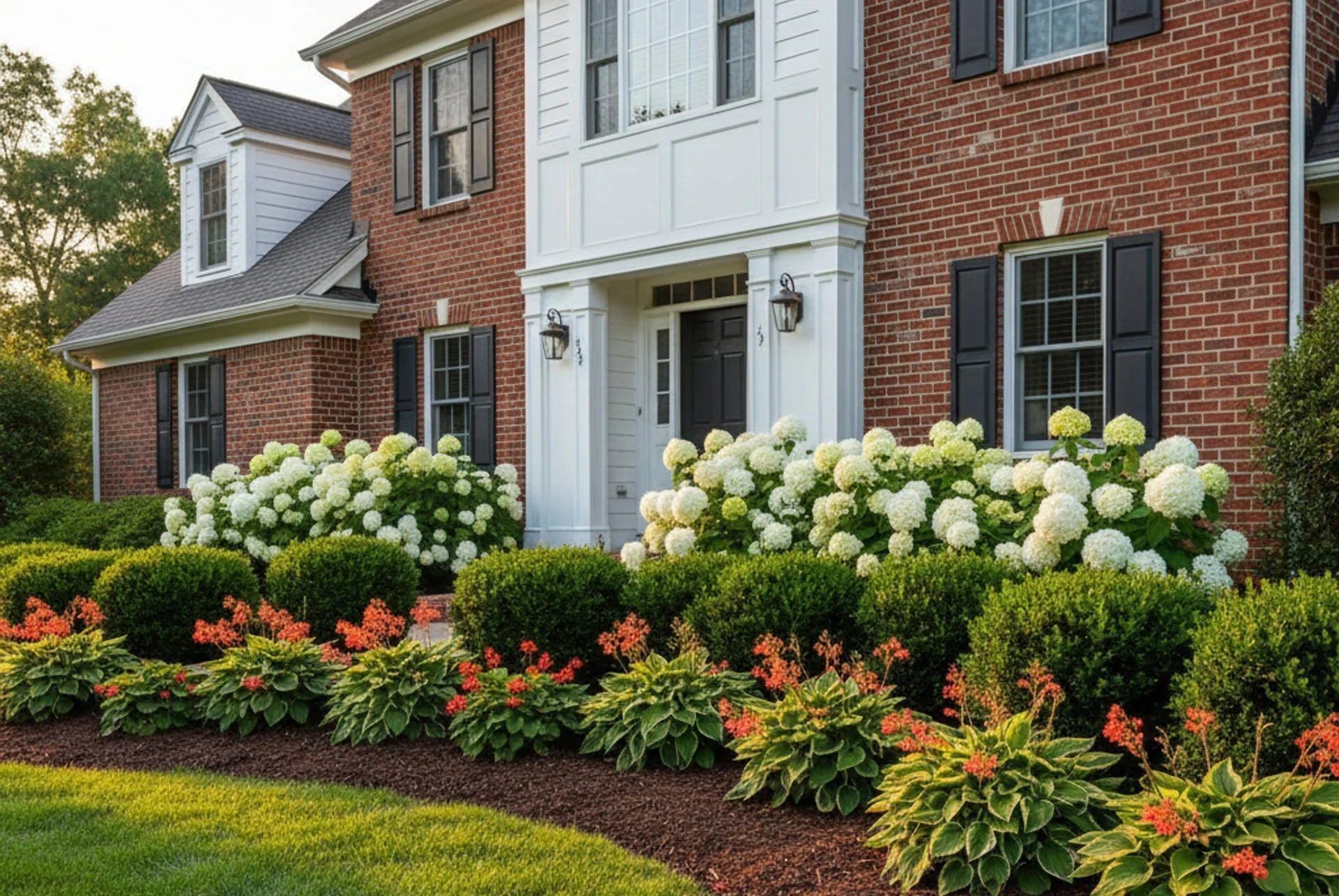
Plant a mass of hydrangeas along the front of the house to create a stunning foundation planting. Choose a single variety for a cohesive look, or mix different varieties for added interest. The mass planting creates a bold, abundant display that anchors the house beautifully.
Why it works: The mass planting creates a bold, cohesive display. The hydrangeas soften the foundation and add curb appeal.
Best for: Traditional and colonial homes with large front gardens.
2. Hydrangea and Boxwood Borders
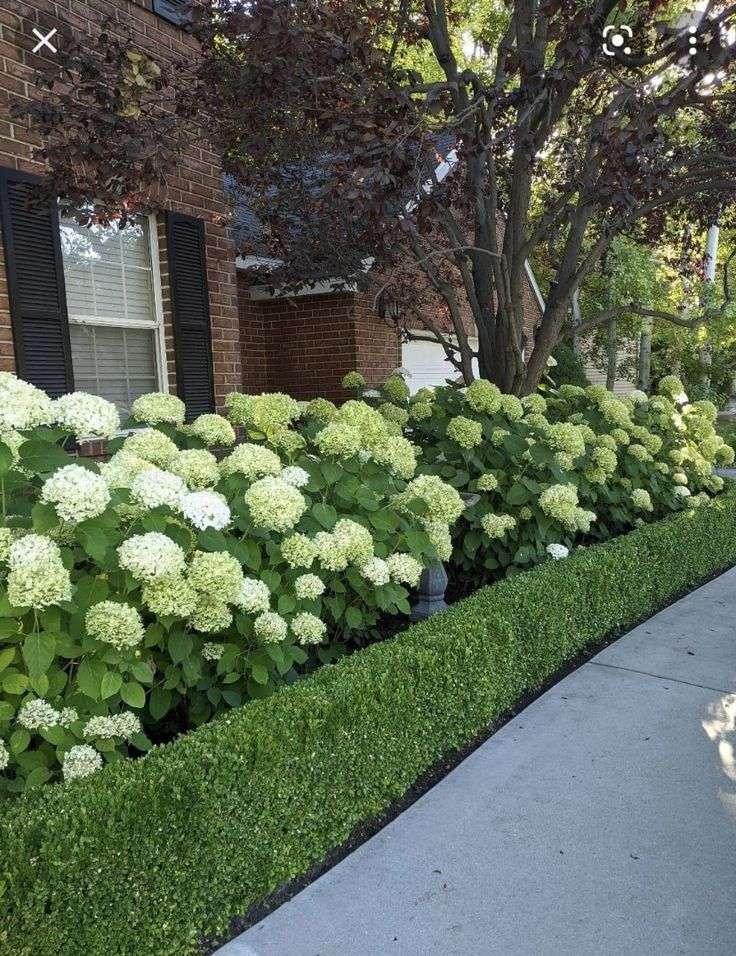
Pair hydrangeas with boxwood for a classic, structured look. The boxwood provides evergreen structure and form, while the hydrangeas add seasonal color and abundance. The combination is timeless and works in both formal and informal gardens.
Why it works: The boxwood provides structure while the hydrangeas add color. The combination is classic and versatile.
Best for: Formal gardens and homes with traditional architecture.
3. Hydrangea Walkway Border
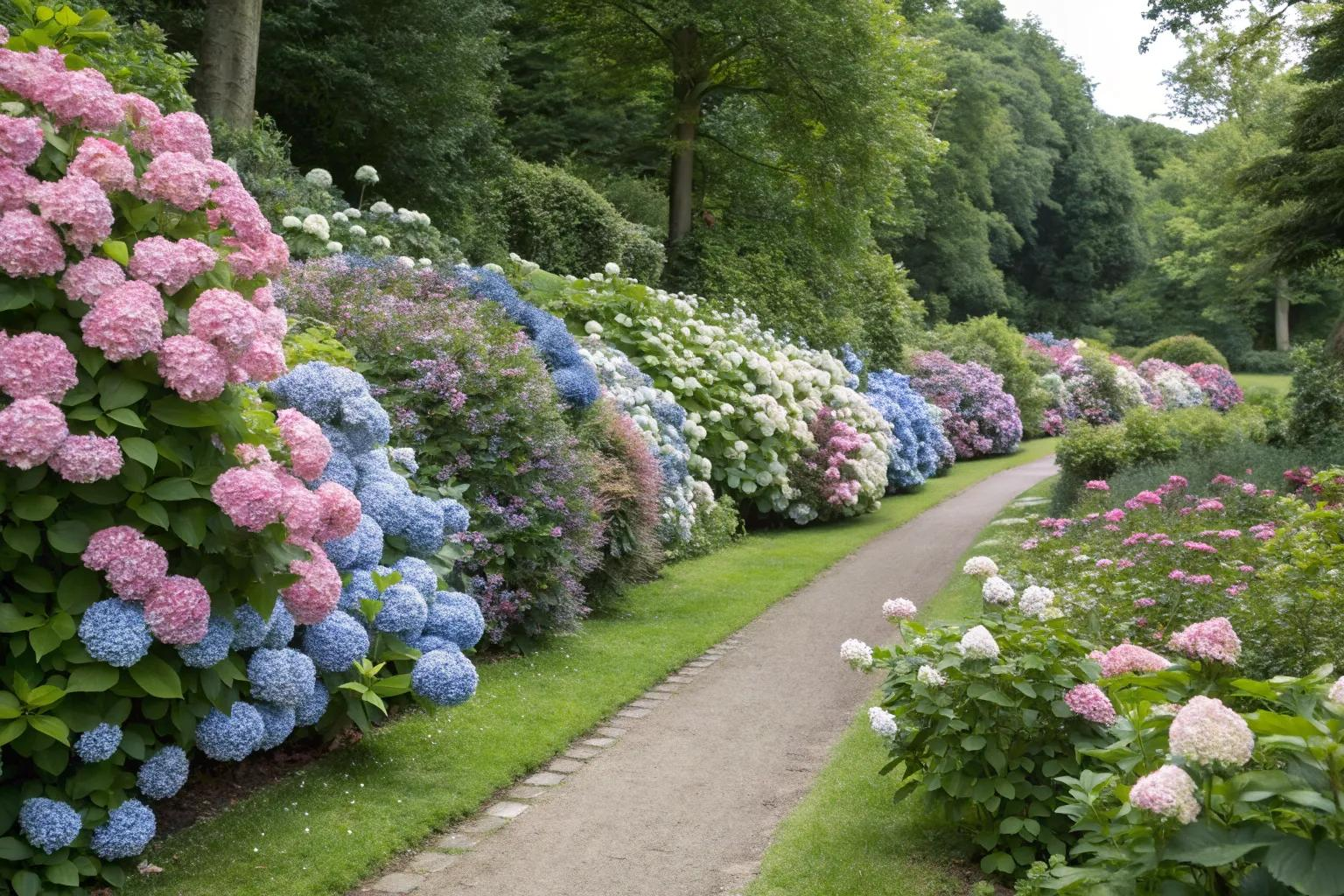
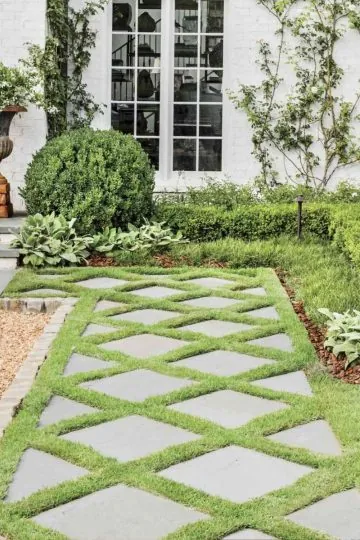
Line the walkway to your front door with hydrangeas for a welcoming, beautiful entry. The hydrangeas create a soft, colorful border that guides guests to the entrance. Choose compact varieties that won't overgrow the path.
Why it works: The hydrangea border creates a welcoming entry. The flowers add color and beauty along the walkway.
Best for: Homes with a walkway to the front door.
4. Hydrangea and Ornamental Grass Combo
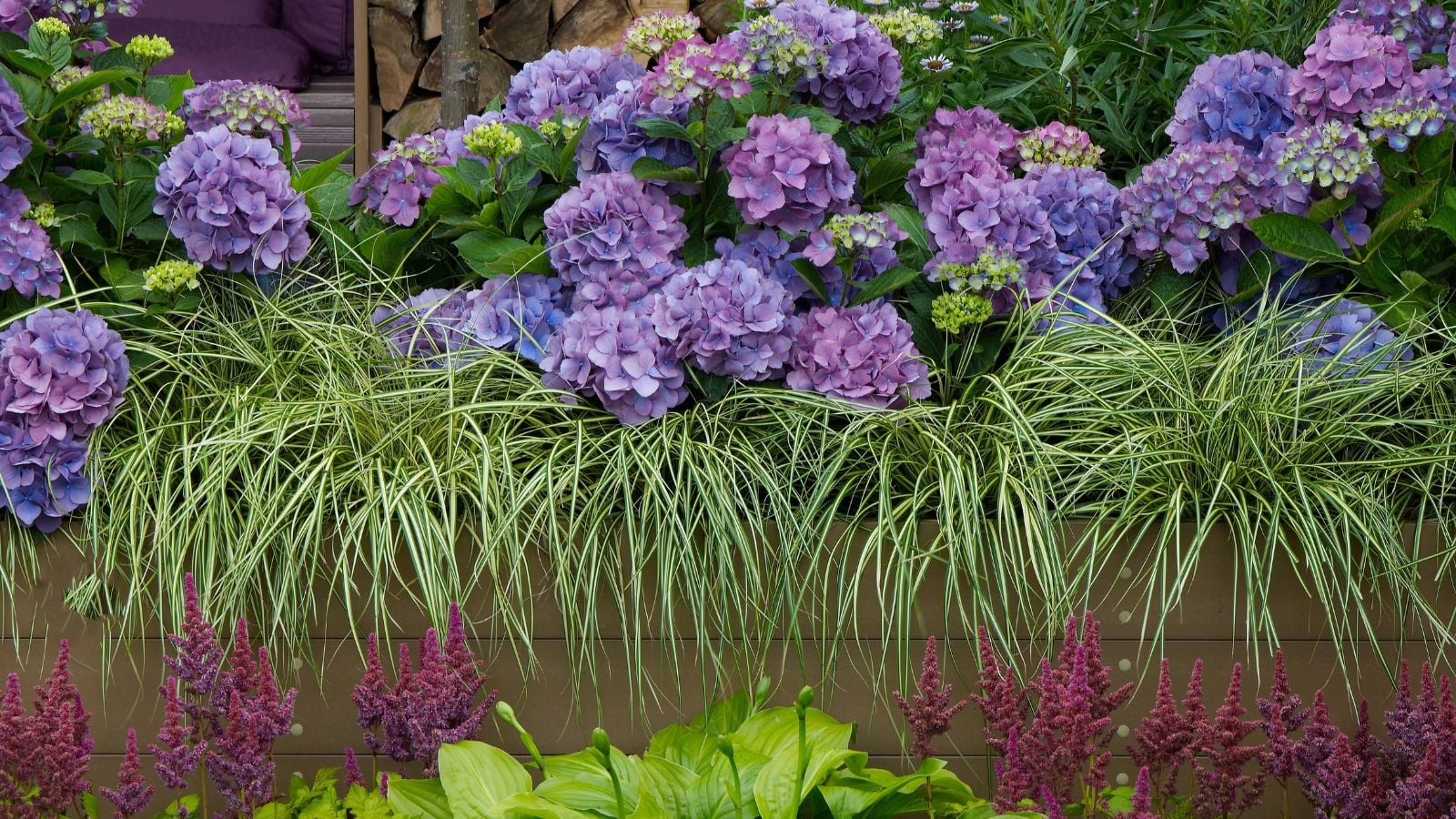
Combine hydrangeas with ornamental grasses for a contemporary, textural landscape. The soft, mounded form of the hydrangeas contrasts beautifully with the vertical, feathery grasses. The combination is modern and visually striking.
Why it works: The combination creates textural contrast. The grasses add movement and interest.
Best for: Modern and contemporary homes.
5. Hydrangea Specimen Planting
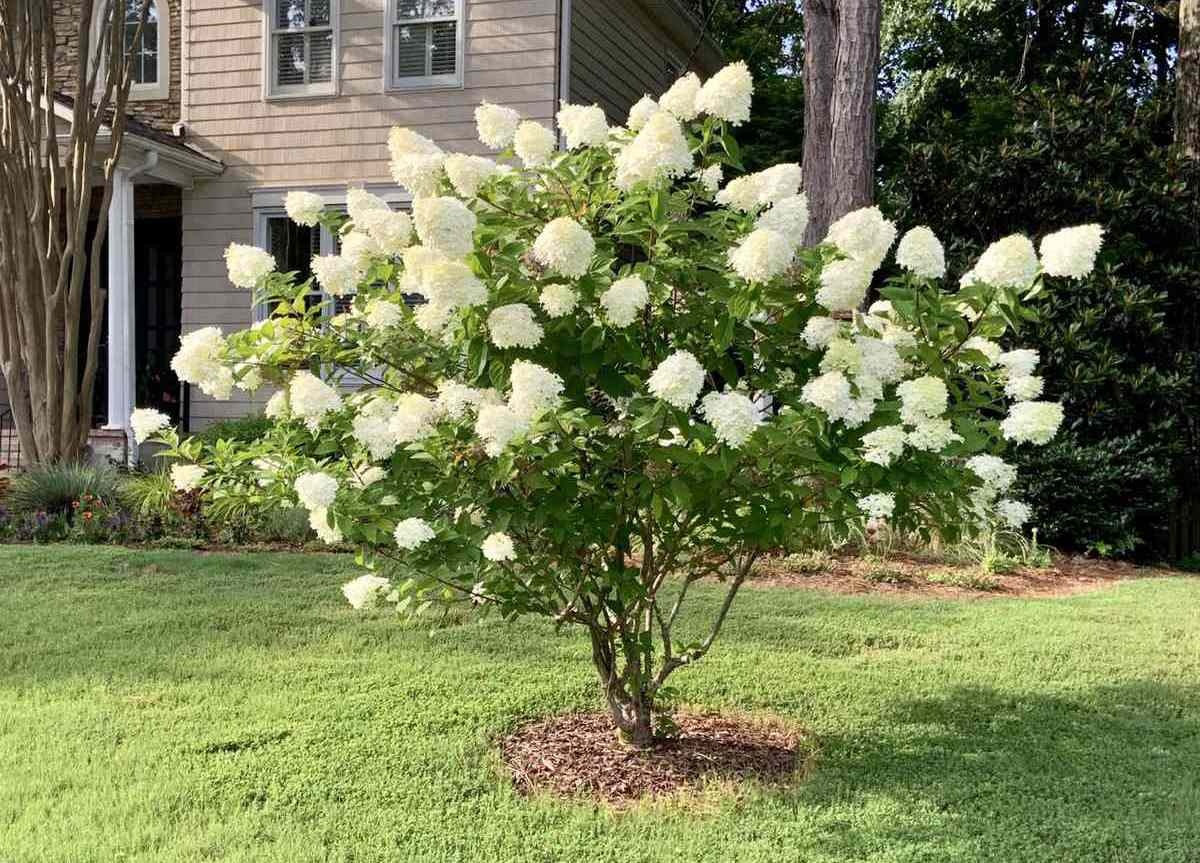
Plant a single, large hydrangea as a specimen in the front yard. The shrub becomes a focal point, showcasing its beautiful blooms and form. Choose a variety with exceptional flowers and foliage.
Why it works: The specimen planting creates a stunning focal point. The hydrangea is allowed to shine on its own.
Best for: Small front yards and cottage gardens.
6. Hydrangea Hedge
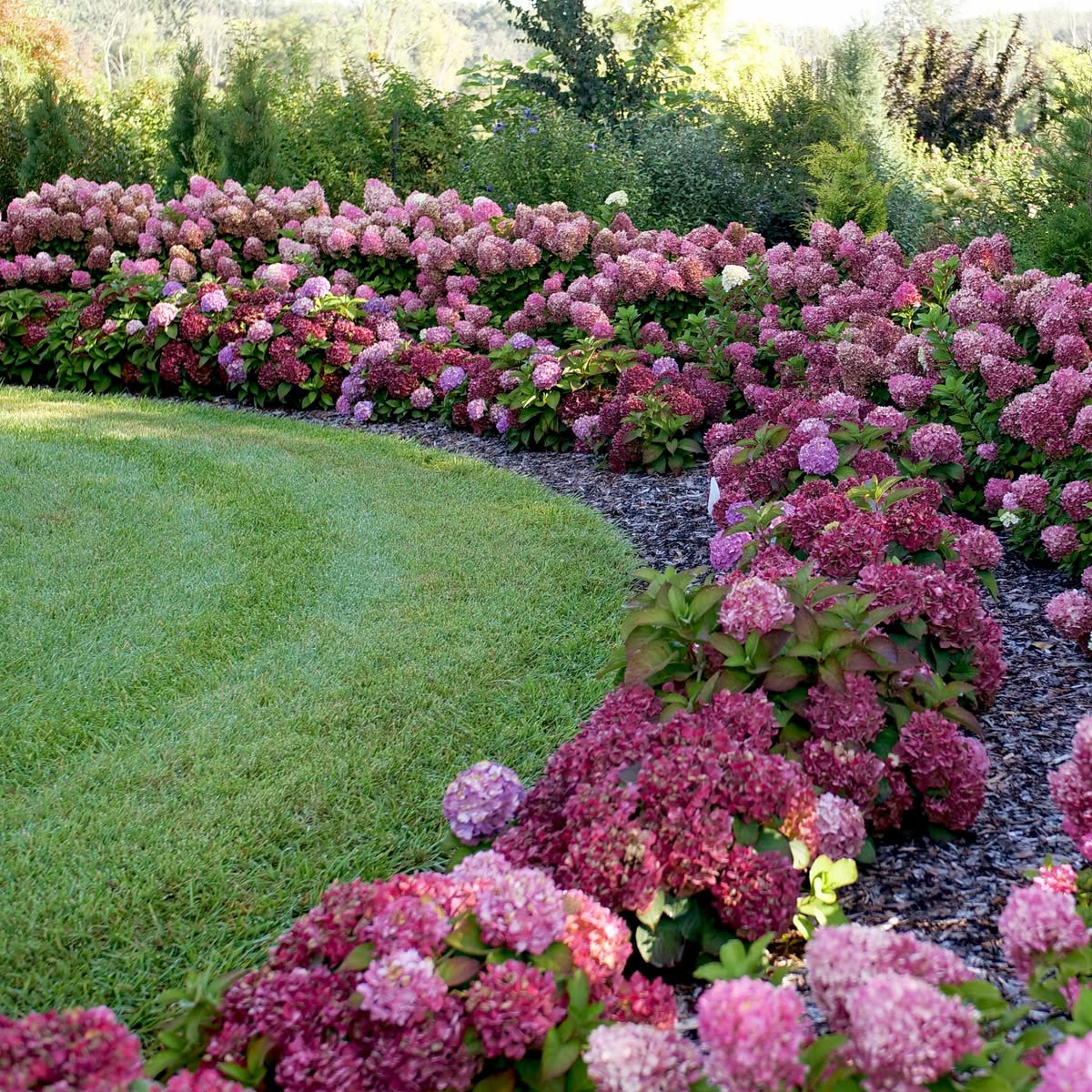
Create a living hedge with hydrangeas for a beautiful, flowering boundary. Plant hydrangeas in a row, spacing them appropriately for the variety. The hedge provides privacy and color, softening the boundary of your property.
Why it works: The hydrangea hedge is beautiful and functional. The flowering boundary adds color and privacy.
Best for: Property boundaries and garden edges.
7. Hydrangea and Hostas Shade Garden
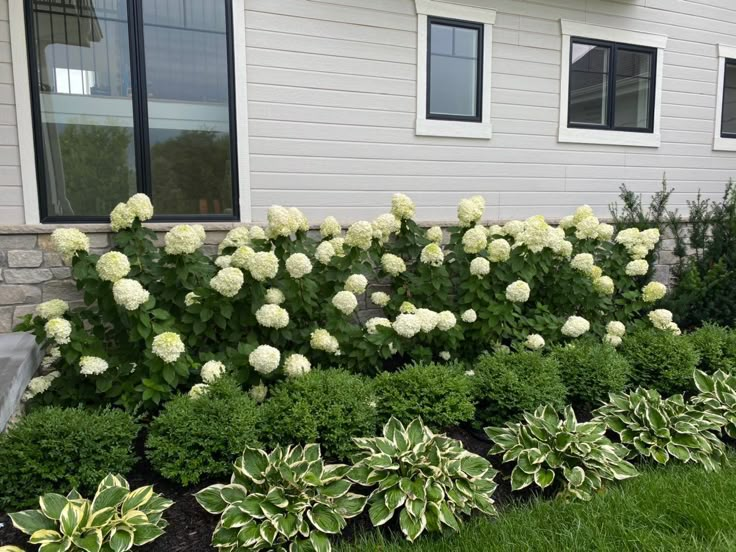
Hydrangeas and hostas are perfect companions for shady front yards. The hydrangeas provide structure and bloom, while the hostas add foliage color and texture. The combination is beautiful and low-maintenance.
Why it works: Both plants thrive in shade and complement each other. The combination is beautiful and easy to maintain.
Best for: Shady front yards and woodland gardens.
8. Hydrangea Island Bed
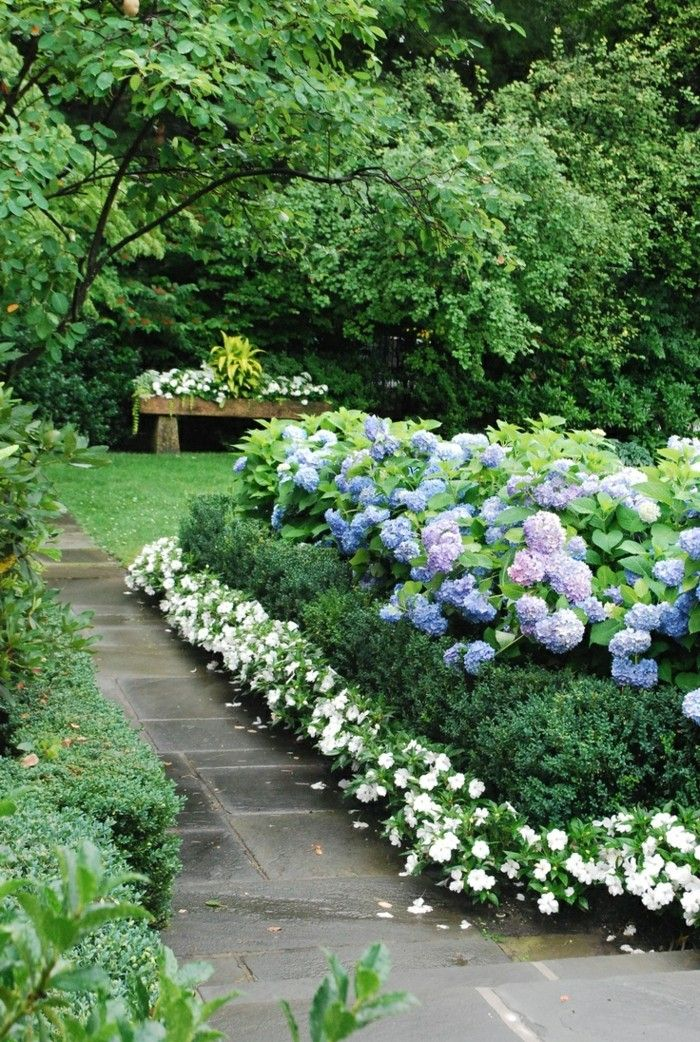
Create a freestanding island bed with hydrangeas as the centerpiece. Plant a group of hydrangeas in the center of the bed, surrounded by lower-growing perennials and groundcovers. The island bed creates a stunning focal point in the front yard.
Why it works: The island bed creates a stunning focal point. The layered planting adds depth and interest.
Best for: Large front yards with ample space.
9. Hydrangeas with Evergreen Shrubs
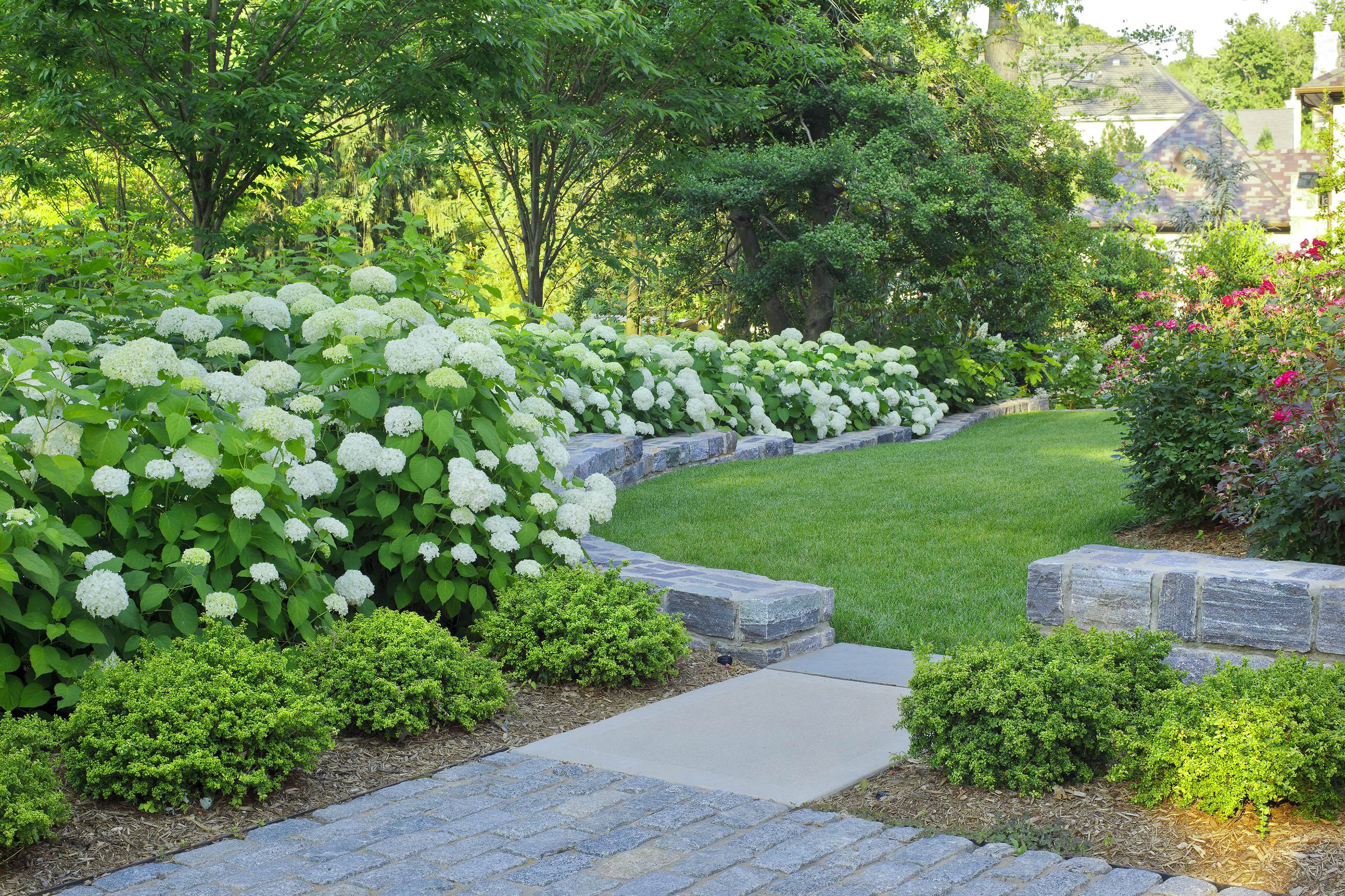
Combine hydrangeas with evergreen shrubs for year-round interest. The evergreens provide structure and color in winter, while the hydrangeas add seasonal blooms. The combination ensures the garden looks good throughout the year.
Why it works: The evergreens provide structure and year-round interest. The hydrangeas add seasonal color and abundance.
Best for: Gardens where year-round interest is desired.
10. Hydrangea and Rose Garden
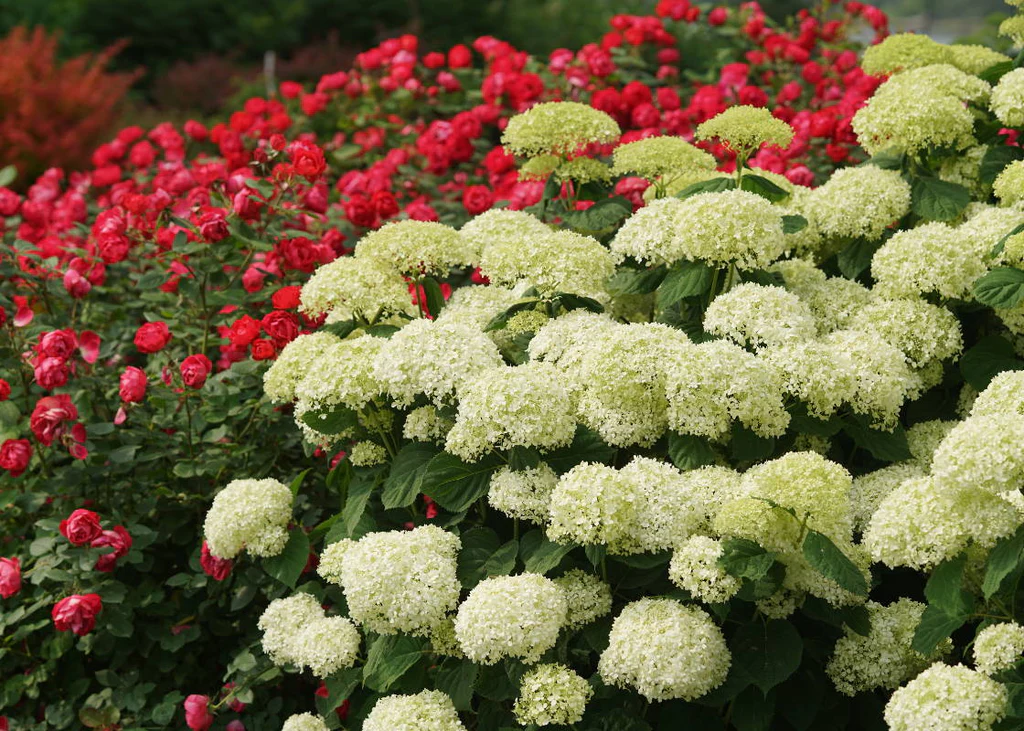
Pair hydrangeas with roses for a romantic, classic garden. The hydrangeas provide a soft, abundant backdrop, while the roses add form and fragrance. The combination is beautiful and traditional.
Why it works: The combination is romantic and classic. The hydrangeas and roses complement each other beautifully.
Best for: Cottage gardens and romantic landscapes.
11. Hydrangeas in Mixed Borders
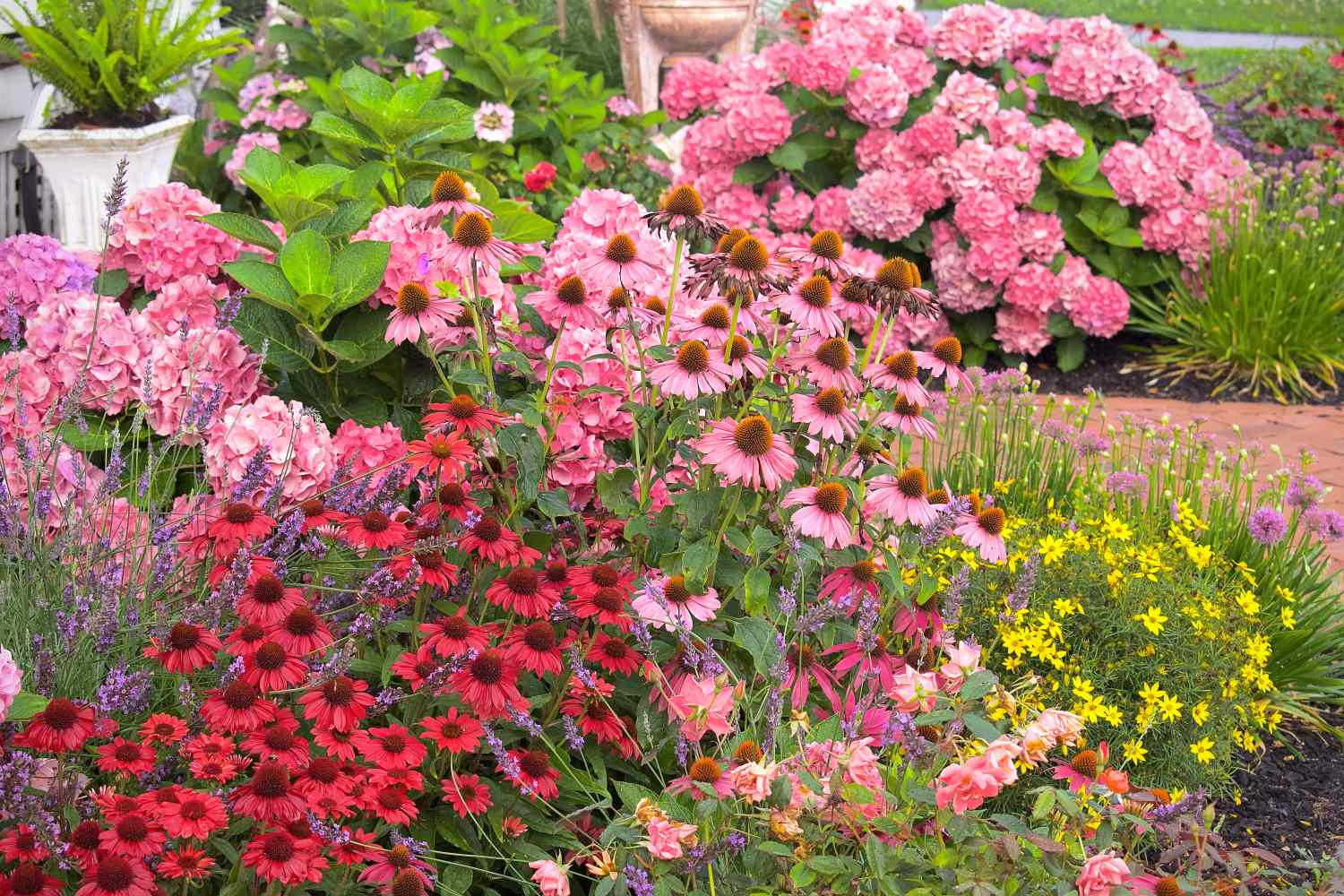
Incorporate hydrangeas into mixed borders with other perennials and shrubs. The hydrangeas provide structure and bloom, while the other plants add variety and seasonal interest. The mixed border is interesting and dynamic.
Why it works: The mixed border is interesting and dynamic. The hydrangeas provide structure and color.
Best for: Gardens where variety and seasonal interest are desired.
12. Hydrangeas Along the Fence
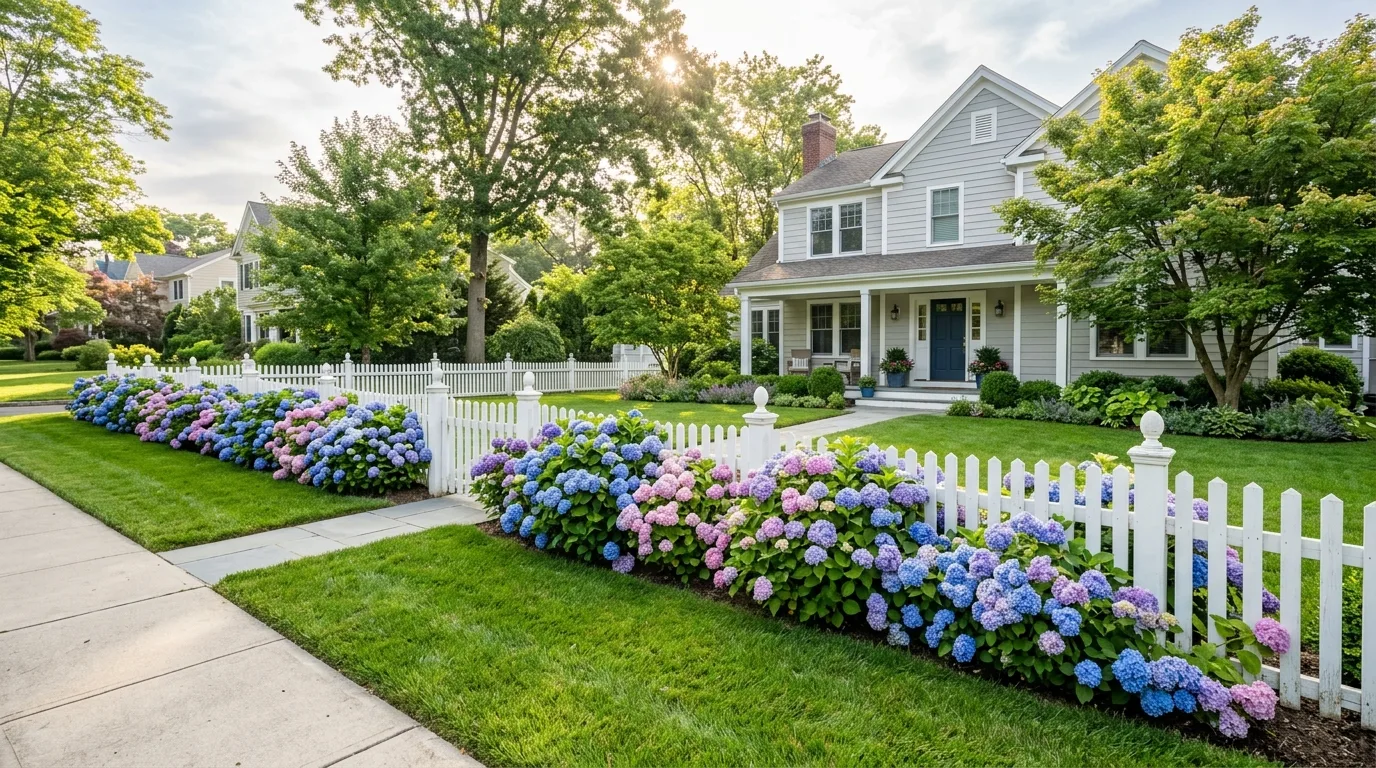
Plant hydrangeas along the front fence for a beautiful, flowering border. The hydrangeas soften the fence and add color and interest along the property line. Choose varieties that bloom at different times for a longer season of interest.
Why it works: The hydrangeas soften the fence and add beauty. The flowering border creates a welcoming entrance.
Best for: Front yards with fencing along the property line.
13. Hydrangeas with Spring Bulbs
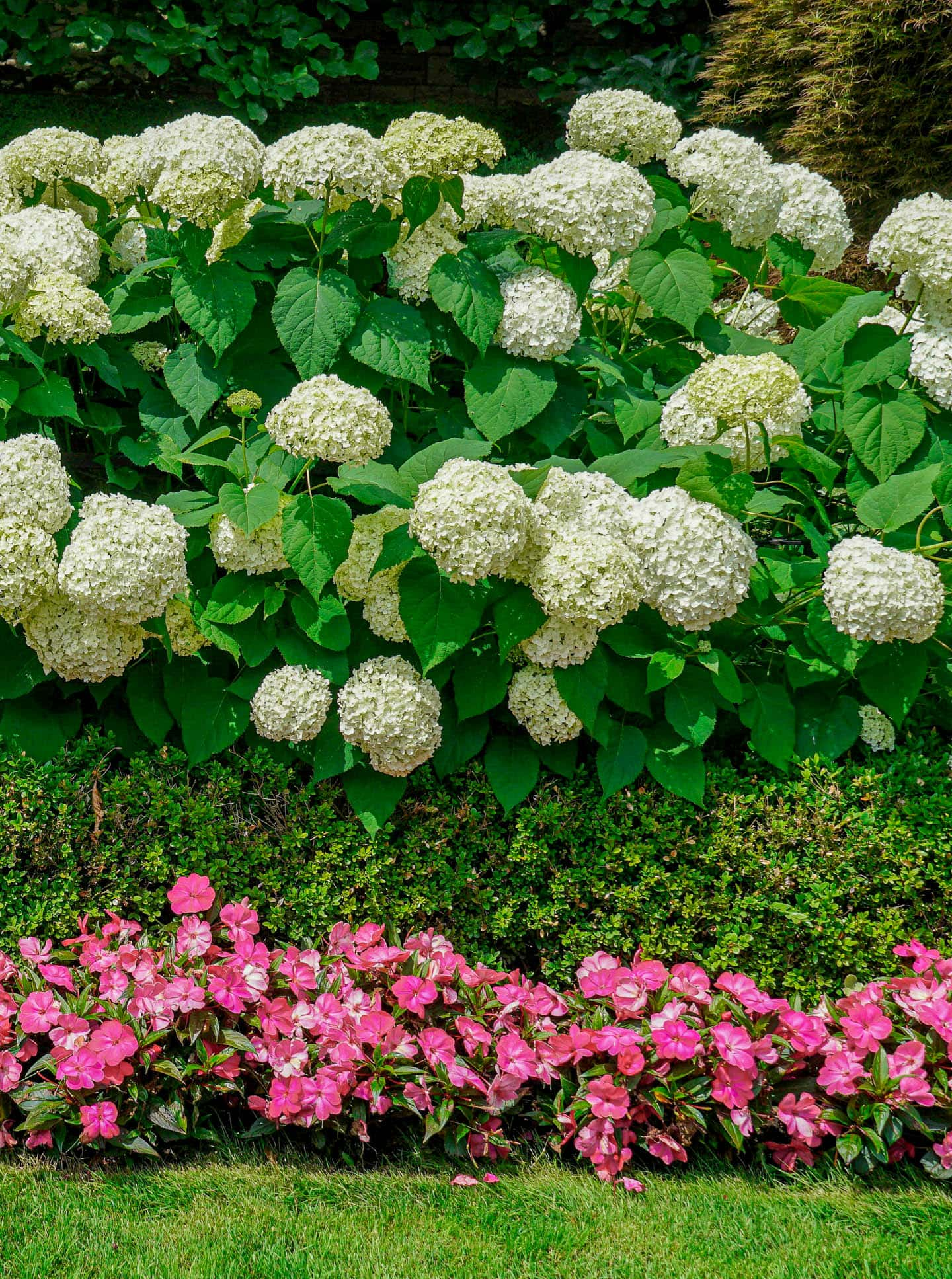
Plant spring bulbs among hydrangeas for a season of continuous interest. The bulbs bloom early, adding color before the hydrangeas leaf out. The combination extends the season of bloom and adds variety to the garden.
Why it works: The spring bulbs extend the season of interest. The combination adds variety and color throughout the season.
Best for: Gardens where early spring color is desired.
14. Hydrangeas as a Foundation for a Garden Room
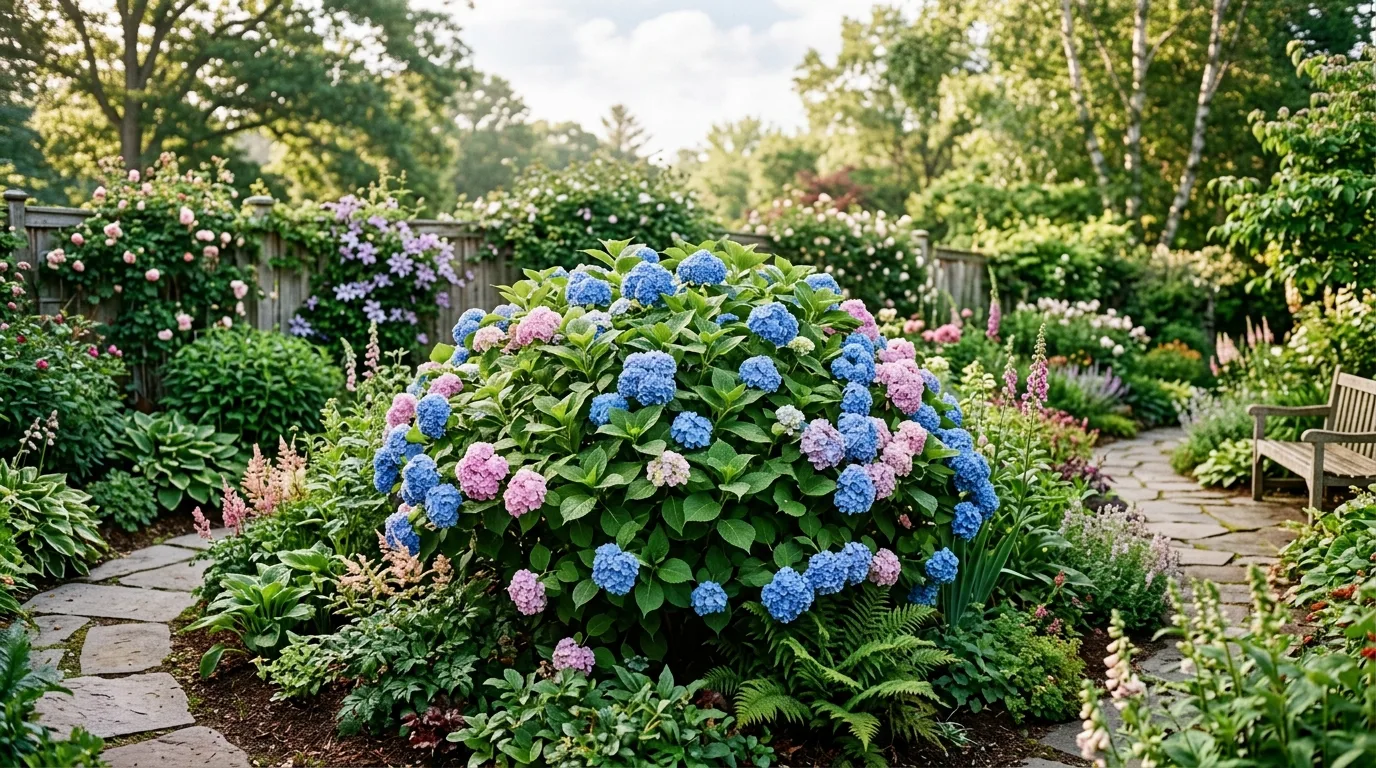
Use hydrangeas to create the foundation for a front yard garden room—a defined, intimate space within the landscape. Plant hydrangeas around the perimeter to create a sense of enclosure, then add seating, a path, or decorative elements in the center. The hydrangeas soften the space and add a sense of abundance.
Why it works: The hydrangeas create a sense of enclosure and intimacy. The garden room adds a functional, beautiful element to the landscape.
Best for: Large front yards where you want to create a defined outdoor space.
Conclusion
Hydrangeas are one of the most rewarding shrubs for front yard landscaping, offering abundant blooms, lush foliage, and versatile design possibilities. These 14 ideas demonstrate how these beautiful shrubs can be incorporated into a variety of landscape styles, from formal foundation plantings to informal cottage gardens.
Whether you choose a mass planting, a mixed border, or a simple specimen, the key is to give hydrangeas the conditions they need—well-drained soil, consistent moisture, and appropriate light. With proper care, these stunning shrubs will reward you with years of beautiful, abundant blooms.