The first time you hold a carving knife and look at a block of wood, it can feel like standing at the edge of a vast, unknown forest. The possibilities seem endless, but the path forward is unclear. Many people dream of learning to carve, but they hesitate because they assume it requires years of training, expensive tools, or natural artistic talent. What they do not realize is that wood carving is one of the most accessible and forgiving crafts you can try, with a gentle learning curve that rewards patience and practice rather than innate skill.
The truth is that easy wood carving projects for beginners are everywhere, and many of them produce pieces that look far more impressive than the effort they require. The secret lies in choosing the right projects, using good quality wood, and learning a few basic techniques that form the foundation of all carving. Once you understand how to make a stop cut, a push cut, and a paring cut, you can tackle a surprising variety of designs. The projects that work best for newcomers are those with simple shapes, clean lines, and a focus on form rather than intricate detail.
In this guide, we will walk through ten wood carving projects that are perfect for beginners. These projects have been selected because they are achievable with minimal tools, use affordable materials, and produce results that you will genuinely be proud to display or give as gifts. We will cover everything from functional items like spoons and spatulas to decorative pieces like simple figures and ornaments. Each project will help you develop specific skills while building your confidence and creativity. By the end of this guide, you will have a clear roadmap for your first ten carvings and the knowledge to continue growing as a carver.
10 Wood Carving Projects to Start Your Journey
Here are ten beginner-friendly wood carving projects that will help you build skills while creating beautiful, functional, or decorative pieces.
1. The Classic Wooden Spoon
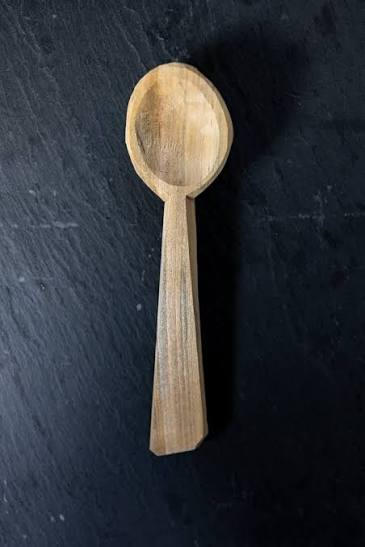
The wooden spoon is the quintessential beginner carving project, and for excellent reasons. It combines practical functionality with the opportunity to practice shaping curves and hollowing out a bowl. Start with a piece of green wood or basswood roughly 2 inches wide by 8 inches long. The process involves carving the handle first, shaping it to fit comfortably in your hand, then moving on to the bowl. Use a hook knife or a small gouge to hollow out the bowl, working slowly and following the grain to prevent tearing.
2. Simple Butter Knife
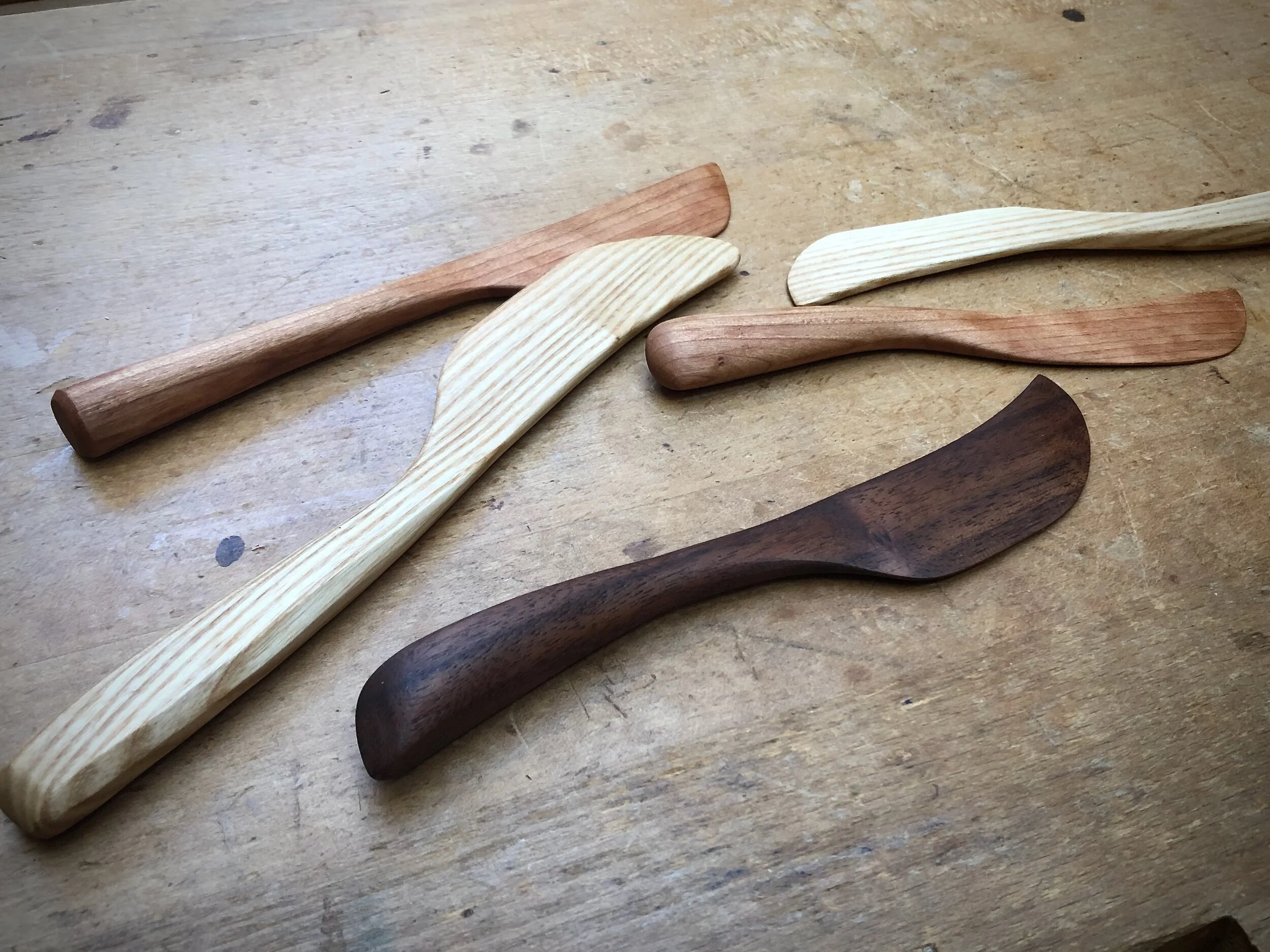
A butter knife is even simpler than a spoon because it does not require a hollowed bowl. The blade is flat and wide, while the handle can be carved to any shape you prefer. This project is excellent for practicing push cuts and creating smooth, flat surfaces. You can leave the knife in a natural wood finish or add a food-safe oil to protect it. This makes a wonderful gift for any kitchen.
3. Easy Letter Opener
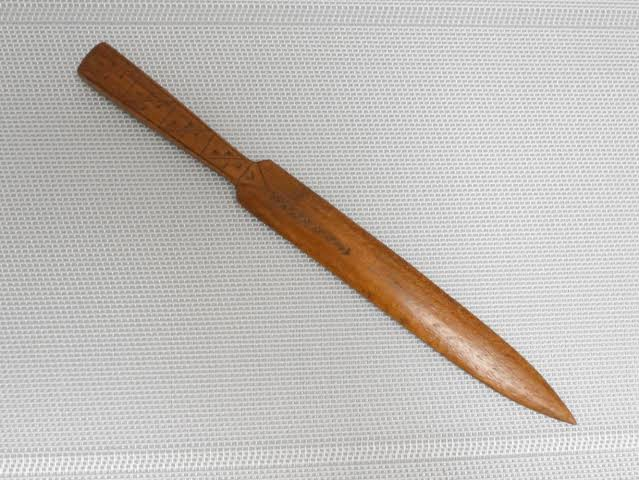
A letter opener is a refined project that teaches you to carve symmetrical shapes. The blade is long and gently tapered, while the handle is often carved with decorative details or simply left smooth. Basswood works beautifully for this project. Focus on creating a balanced, graceful shape that feels good in the hand. The tip should be pointed enough to open envelopes but rounded enough to be safe and durable.
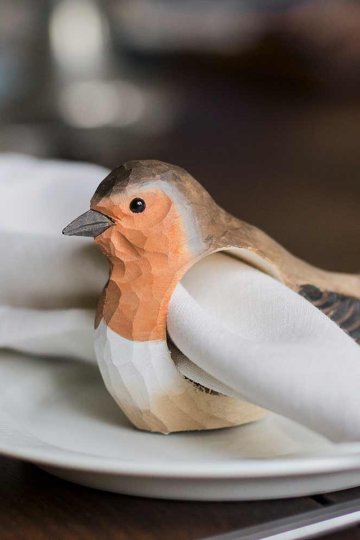
4. Charming Wooden Bird
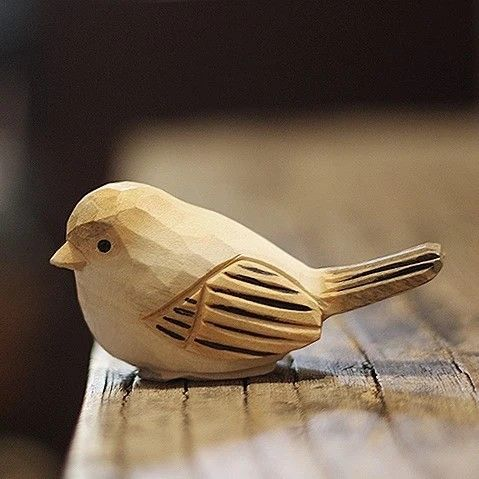
This is a simple bird shape that can be either a standing figure or a pendant. The body is a teardrop or oval shape, with a small head attached. The beak is carved as a sharp wedge, and the tail can be indicated with a few cuts. This project teaches you to work with curves and understand how the grain direction affects your cuts. It is also a great opportunity to experiment with adding texture to simulate feathers.
5. Rustic Keychain
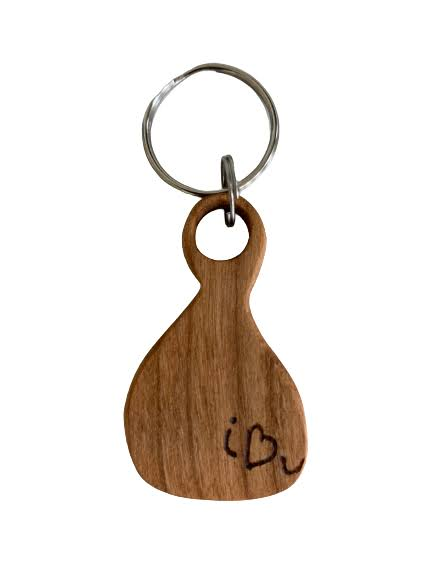
Keychains are small, fast projects that are perfect for practicing your skills on a miniature scale. You can carve simple shapes like a heart, a leaf, or a tiny fish. Because they are small, they require careful control of your knife tip. This is also a great way to use up small scraps of wood from larger projects. Drill a small hole at the top before you start carving, and attach a key ring when you are finished.
6. Wooden Flower
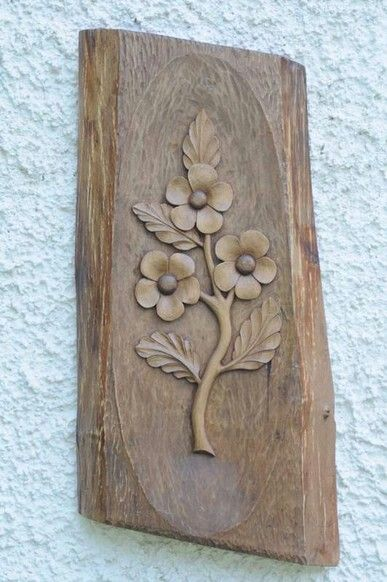
Carving a simple flower involves creating a flat, petal-like shape with curved edges. This project is ideal for practicing slicing cuts and learning to follow the grain around curves. You can carve a single flower as a pendant or ornament, or carve several flowers of different sizes to create a small bouquet. The center of the flower can be textured with small dots or left smooth.
7. Heart-Shaped Pendant
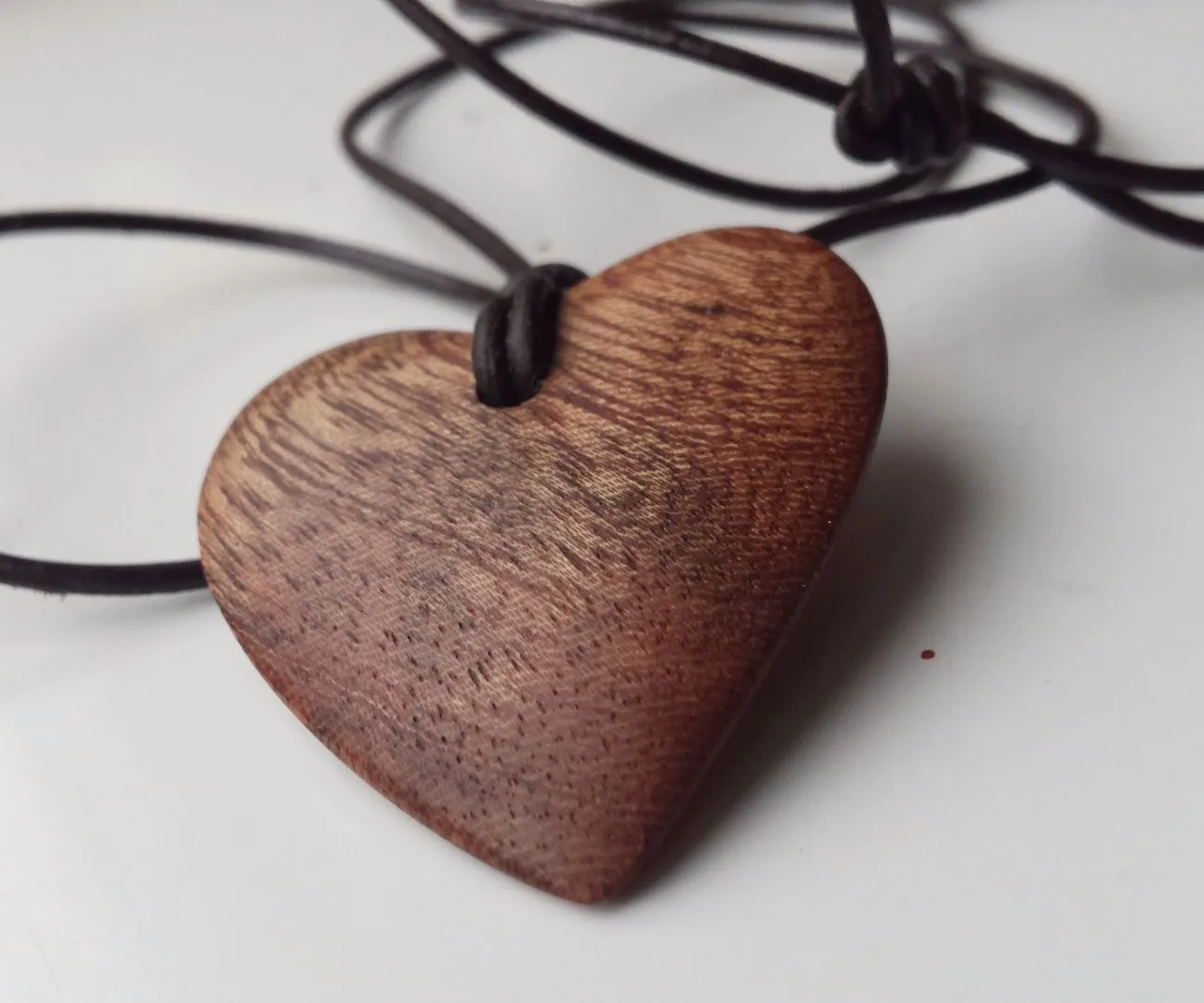
A heart pendant is a classic carving that is both simple and meaningful. Start with a small square of basswood and sketch the heart shape onto it. Use a knife to carefully cut away the excess wood, rounding the edges and creating the cleft at the top. This project teaches you to work on a small scale and to create smooth, continuous curves. It makes a wonderful gift for a loved one.
8. Five-Minute Fox
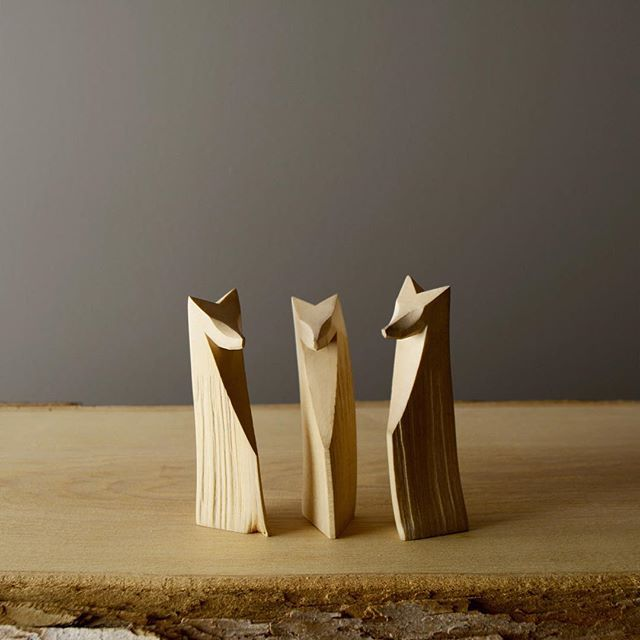
This is a quick carving that looks impressive despite its simplicity. The fox is carved from a small block of wood, with a pointed snout, triangular ears, and a curved tail. The body is kept simple and flowing. The key to this carving is the sharp angles of the snout and ears, which give it its fox-like appearance. This project is perfect for practicing your knife control and creating clean, sharp lines.
9. Simple Snowman Ornament
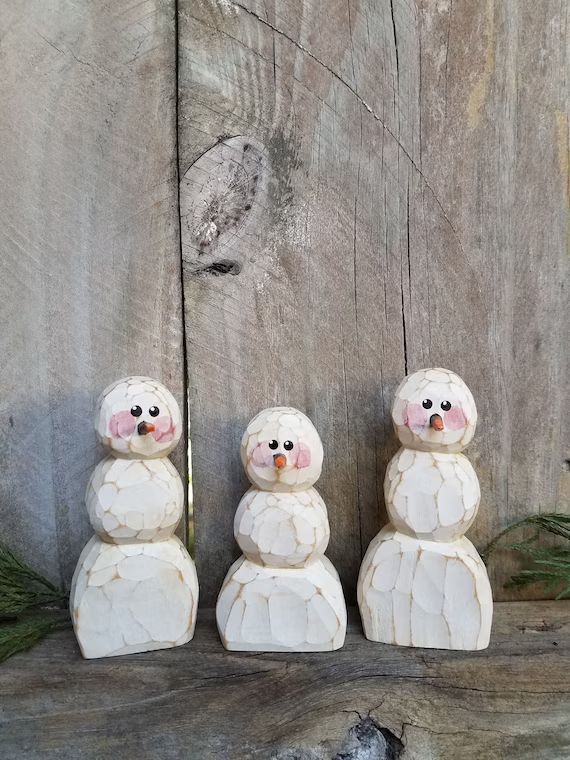
A snowman is a rounded shape with a few distinct features, making it an ideal beginner project. The body consists of two or three stacked spheres, with a small triangular nose and dots for eyes and buttons. You can carve a small hat on top or leave it bare. This project teaches you to create symmetrical, rounded forms while also practicing the fine details that bring a carving to life.
10. Wooden Mushroom
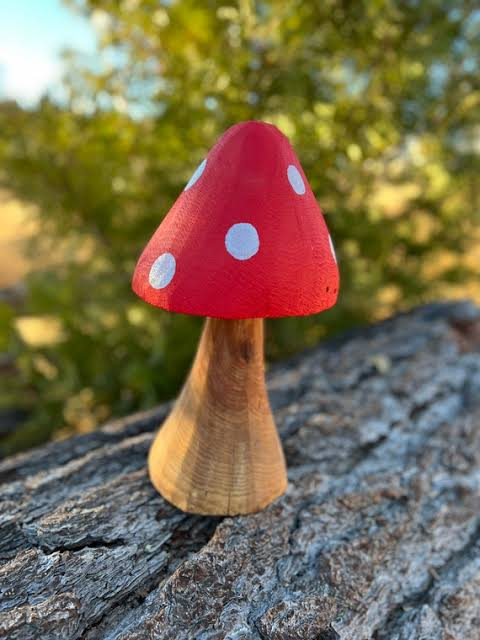
Mushrooms are whimsical and forgiving carvings. The stem is a simple cylinder, and the cap is a dome shape on top. You can leave the cap smooth or carve gills underneath. This project is excellent for practicing curves and creating smooth transitions between different parts of the carving. Paint it in bright colors or leave it natural for a rustic look.
Essential Wood Carving Tools and Materials
While it is possible to start carving with just a single knife, having a few additional tools can expand your capabilities. However, resist the temptation to buy an expensive full set of carving tools right away. A basic kit consisting of a carving knife, a small gouge, and a hook knife is enough to tackle a wide variety of projects.
Your knife should have a short blade, around 1.5 to 2 inches, as this gives you the most control for fine work. The handle should be comfortable in your hand, and the knife should hold an edge well. High-carbon steel is often preferred over stainless because it can be sharpened to a finer edge. Always prioritize sharpness over fancy features. A sharp knife is a safe knife because it cuts cleanly with minimal pressure.
Basswood is the best wood for beginners. It is soft, light, and easy to carve with a consistent grain. Other good options include pine, butternut, and cedar. Pine is widely available but has distinct hard and soft bands that can make carving tricky. Butternut is similar to basswood but often harder to find. Avoid oak, maple, walnut, and other hardwoods until you have developed your skills and acquired sharper tools.
Safety equipment is essential. A cut-resistant glove on the hand that holds the wood is non-negotiable. Many wood carvers also use a leather thumb guard on their knife hand. Always carve away from your body, keep both hands behind the blade, and maintain clear awareness of your cutting zone. Establish good habits from the start, and they will keep you safe throughout your carving journey.
Frequently Asked Questions About Beginner Wood Carving
What is the best wood for beginners to carve?
Basswood is widely considered the best wood for beginners. It is soft, has a consistent grain, and is easy to carve with a sharp knife. It is also affordable and widely available at craft stores and online.
What tools do I need to start wood carving?
You only need one sharp carving knife to begin. As you progress, you may want to add a gouge for hollowing and a hook knife for spoons and bowls. A cut-resistant glove and sharpening supplies are also essential.
How do I keep my wood carving knife sharp?
You will need a sharpening stone and a leather strop. Regular stropping after each use and periodic honing on a stone will keep your knife in optimal condition. A dull knife is dangerous and makes carving difficult.
Is wood carving expensive to start?
No. You can begin with a simple carving knife for under twenty dollars, a few blocks of basswood, and a cut-resistant glove. Total startup costs are usually less than fifty dollars.
How long does a beginner carving project take?
A simple project like a butter knife or bird might take 1 to 3 hours. More complex projects like a spoon can take 3 to 5 hours. Start with simpler projects and work your way up.
What safety precautions should I take?
Always wear a cut-resistant glove on the hand holding the wood. Carve away from your body, never toward it. Keep both hands behind the blade's cutting path. Ensure your work area is well-lit and free of distractions.
Conclusion
Wood carving is a rewarding craft that becomes more enjoyable as you practice and develop your skills. The ten projects outlined in this guide provide a solid foundation for any beginner, covering a range of techniques and styles that will build your confidence and creativity. Starting with simple shapes and gradually adding complexity will help you progress naturally without feeling overwhelmed.
Remember that every carver was once a beginner, and even the most experienced woodworkers continue to learn with each project. The key is to be patient with yourself, focus on safety, and enjoy the process. Pick up your knife, choose a project that appeals to you, and discover the satisfaction of creating something beautiful from a simple block of wood.