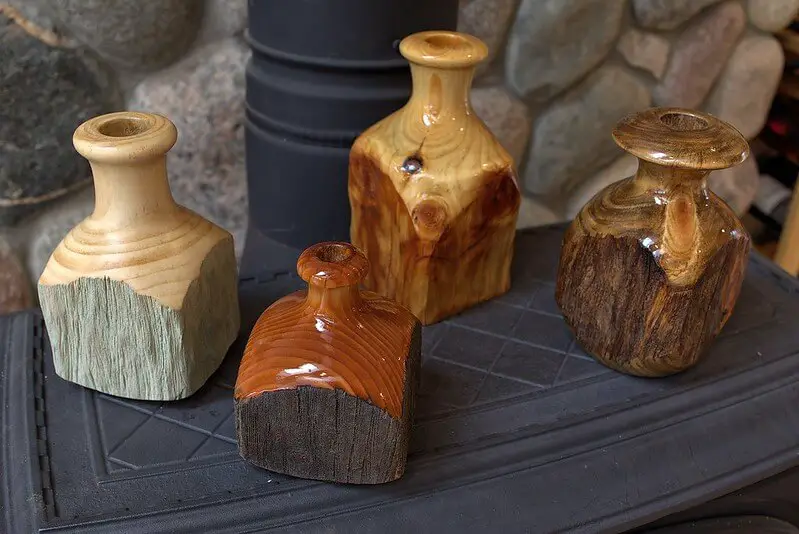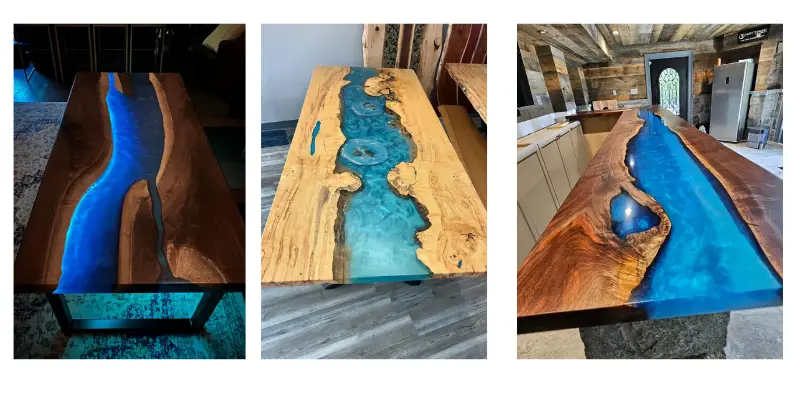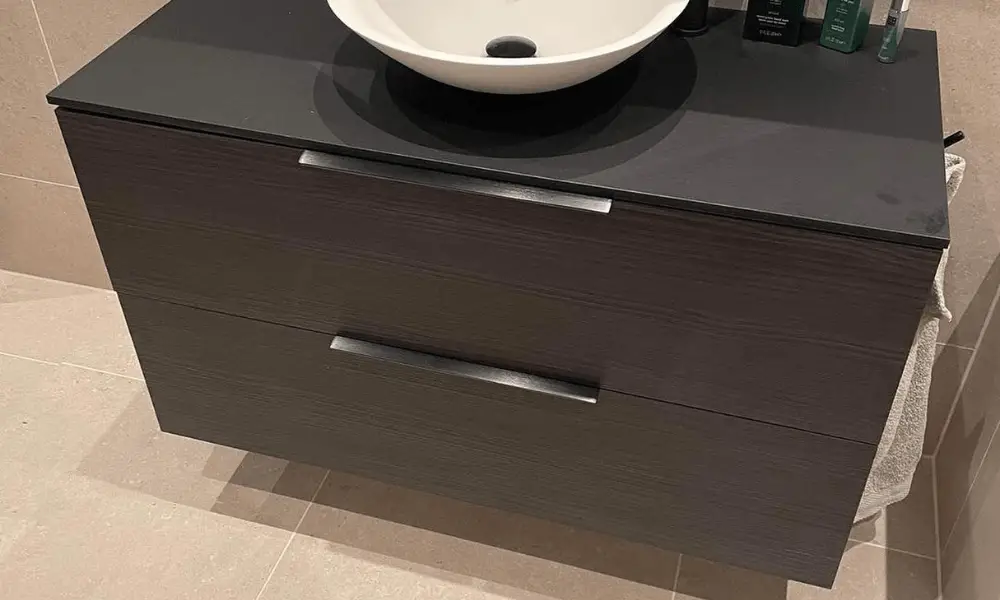
Polyurethane is a durable and protective finish commonly used on furniture, flooring, and other wooden surfaces. Despite its resilience, scratches can still occur over time. Fortunately, you can restore the beauty of your polyurethane-coated surfaces by following these steps to effectively buff out scratches.
Gather the Necessary Supplies
Before you begin the process of buffing out scratches in polyurethane, it's important to gather all the necessary supplies. You'll need:
- Fine Grit Sandpaper: Choose a grit around 320 to 400 for light scratches.
- Microfiber Cloth: This will be used to wipe away debris and excess materials.
- Polyurethane Finish: You'll need the same type of polyurethane that's already on the surface.
- Fine Abrasive Pad: A pad like a Scotch-Brite™ pad is suitable for buffing.
- Rubbing Compound: Use a mild rubbing compound to further smooth out the surface.
- Polishing Compound: This will help restore the shine to the area.
- Clean Water: For rinsing between steps.
- Protective Gear: Wear gloves and eye protection, especially when working with chemicals.
Assess the Damage
Examine the scratched area to determine the extent of the damage. If the scratch is deep, you might need to repeat the process several times to achieve the desired results.
Sand the Scratched Area
Begin by lightly sanding the scratched area with the fine grit sandpaper. Sand gently and in the direction of the wood grain. This will help remove any debris and smooth out the surface.
Clean the Area
Wipe away the sanding debris using a microfiber cloth. Make sure the surface is clean and free from any particles before moving on to the next step.
Apply Polyurethane Finish
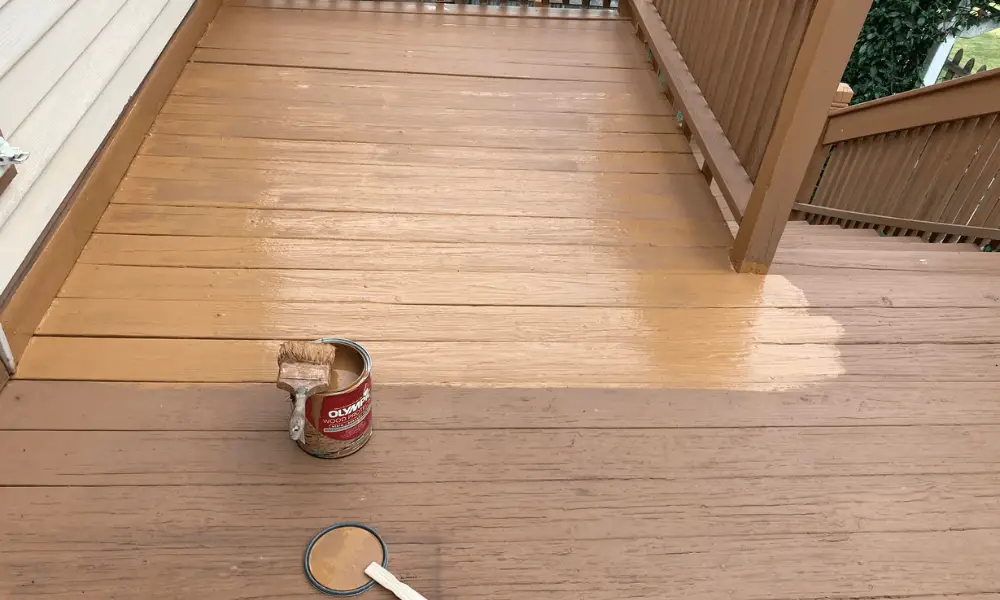
Dip a clean brush into the polyurethane finish and apply a thin coat over the scratched area. Follow the manufacturer's instructions for drying time. This step helps to fill in shallow scratches and protect the wood.
Buff with Abrasive Pad
Once the polyurethane is dry, take the fine abrasive pad and gently buff the area. This will help blend the new finish with the existing one and create a smoother surface.
Apply Rubbing Compound
Apply a small amount of rubbing compound to the scratched area. Using a soft cloth, rub the compound in a circular motion. This will help remove any imperfections and further smooth out the surface.
Polish the Surface
To restore the shine to the treated area, apply a small amount of polishing compound. Buff the area using a clean microfiber cloth, again in a circular motion. This will help bring back the luster of the polyurethane finish.
Inspect and Repeat if Necessary
After polishing, inspect the area for any remaining scratches or imperfections. If necessary, repeat the process from sanding with fine grit sandpaper onward until the scratches are adequately minimized or removed.
Final Touches
Once you're satisfied with the results, clean the surface with a damp cloth to remove any residue from the compounds. Allow the surface to dry completely before using or placing objects on it.
Preventive Measures
To minimize future scratches, consider using coasters, felt pads, or other protective measures on furniture surfaces. Regularly cleaning and maintaining your polyurethane-coated items can also help extend their lifespan and keep them looking pristine.
Conclusion
Buffing out scratches in polyurethane is a straightforward process that can significantly improve the appearance of your wooden surfaces. By following these steps and using the right materials, you can effectively restore the beauty and durability of polyurethane-coated items in your home. Remember, patience and attention to detail are key to achieving the best results.