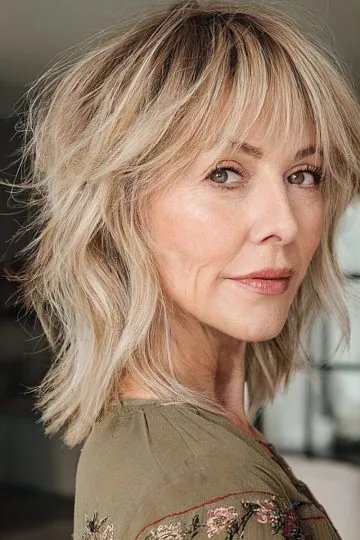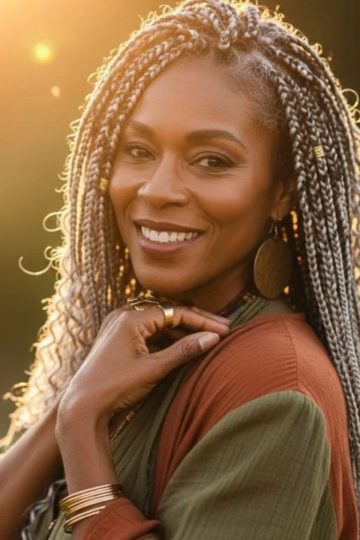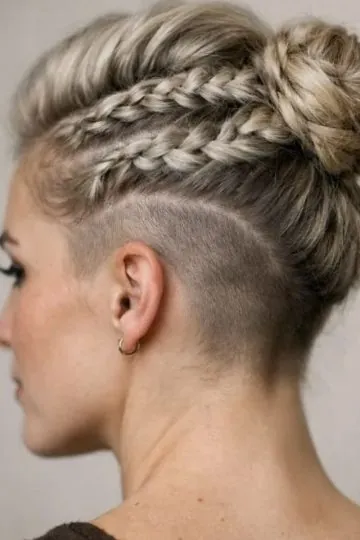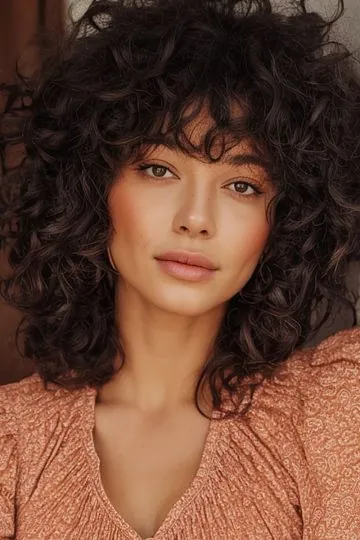
For women over 50, making hair look thicker is one of the most common and achievable beauty goals. As we age, hair naturally becomes finer, more fragile, and often less dense. But the right combination of haircut, styling techniques, and products can create the illusion of significant volume and thickness—often without any chemical treatments or extensions. In this guide, you'll discover proven strategies for how to make your hair look thicker over 50, including the best cuts, the most effective products, and professional tricks that transform fine, thin hair into full, voluminous style. If you're looking for specific haircut ideas, these low maintenance haircuts for women over 50 with fine hair offer excellent options.
Why Hair Gets Thinner After 50—and What You Can Do About It
Understanding why hair changes helps you choose the right solutions. Here's what happens and how to address it:
| Change | Why It Happens | Solution |
|---|---|---|
| Hair becomes finer | Hormonal shifts (especially during menopause) reduce hair shaft diameter | Choose cuts that add volume; use lightweight volumizing products |
| Growth slows | Aging hair follicles produce hair at a slower rate | Scalp massage; biotin and collagen supplements; gentle handling |
| Increased shedding | Hormonal changes can shorten the growth phase | Consult a doctor; reduce stress; use strengthening products |
| Dryer, more brittle | Oil production decreases with age | Deep conditioning; leave-in treatments; avoid heat damage |
| More visible scalp | Reduced density makes scalp more noticeable | Strategic layering; tinted dry shampoo; scalp powders |
| Gray hair is coarser | Gray hair has a different structure—often more wiry | Extra moisture; purple shampoo for brightness |
The good news is that with the right approach, you can create the appearance of significantly thicker hair regardless of your starting density.
Part 1: The Best Haircuts for Thicker-Looking Hair
The foundation of thicker-looking hair is the right cut. Here are the most effective cuts for creating volume and density.
1. The Stacked Bob
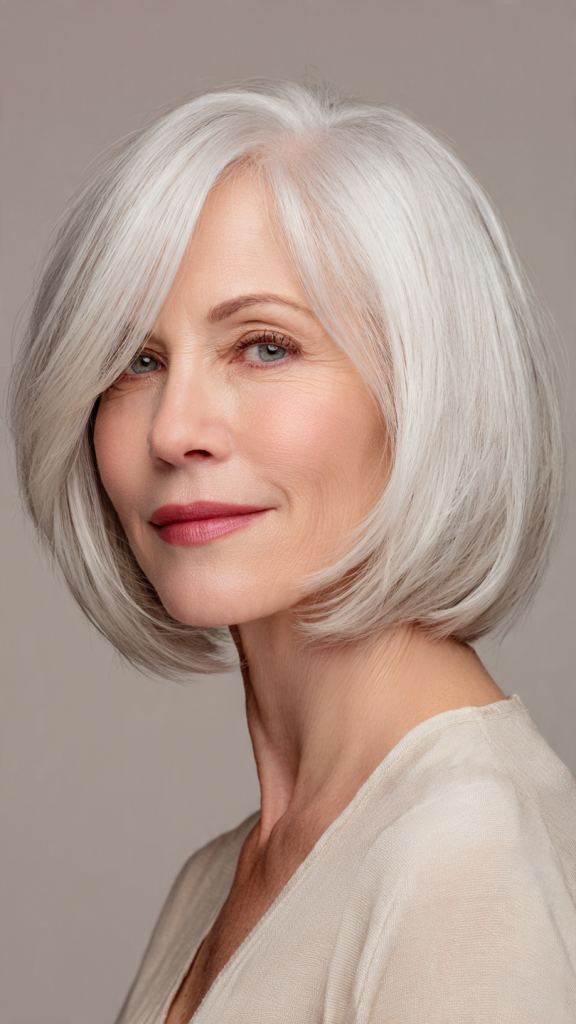
Why it works: A stacked bob has graduated layers in the back that create a built-in bump of volume at the crown. The stacking is cut into the interior of the hair, so the volume comes from the cut itself—not from styling. For women with fine hair, this is one of the most effective volume-building cuts available.
How to style it: Apply root-lifting spray to the crown area. Blow-dry the stacked back using a small round brush for 2–3 minutes, lifting aggressively. The front can be left to air-dry or quickly smoothed. Finish with dry texture spray at the crown.
Best for: Fine hair, thinning at the crown
Maintenance: Trim every 5–6 weeks
2. The Textured Pixie
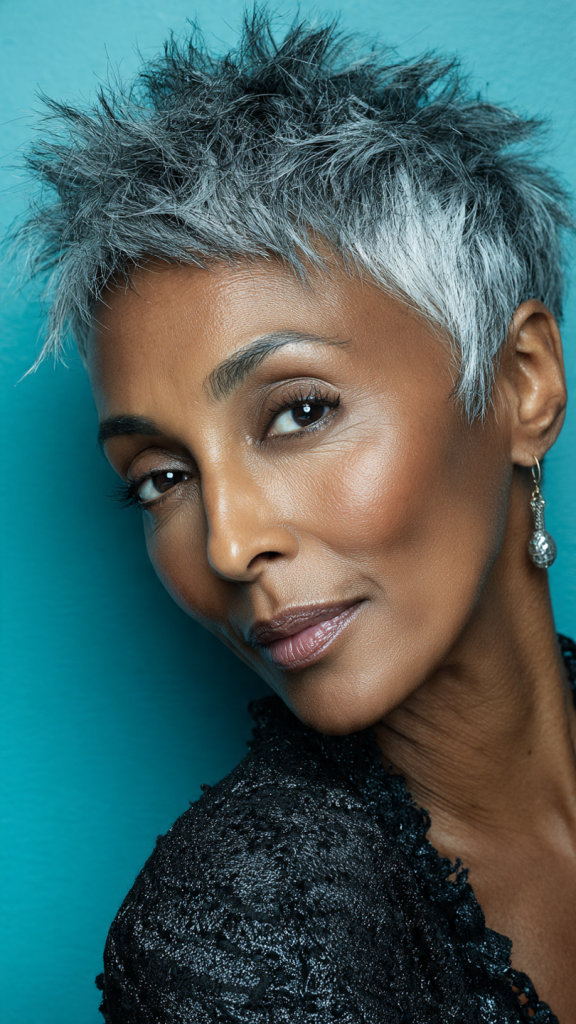
Why it works: The textured pixie keeps the top at 1–1.5 inches with heavy point-cutting throughout, while the sides and back are tapered close. The texture creates multiple endpoints that reflect light, making fine hair look denser. The short sides prevent any bulk at the cheeks, keeping the focus on volume at the crown.
How to style it: Apply matte paste to dry hair. Rub between palms, then rake through the top pushing everything forward. For extra volume, apply texturizing powder to the roots before the paste.
Best for: Very fine or thinning hair, women who want ultra-low maintenance
Maintenance: Trim every 4–5 weeks
3. The Layered Bob (Chin-Length)

Why it works: A layered bob at chin-length removes interior weight so hair falls naturally into place without precision styling. The layers should be soft and subtle—not choppy or disconnected—so they blend seamlessly. For fine hair, this length is ideal because it's short enough to avoid being weighed down but long enough to tuck behind ears.
How to style it: Apply lightweight mousse to damp roots. Blow-dry using a small round brush (1 inch), lifting each section at the root. The layers will create natural movement without curling.
Best for: All face shapes, women who want versatility
Maintenance: Trim every 6–8 weeks
4. The Blunt Bob with Soft Ends
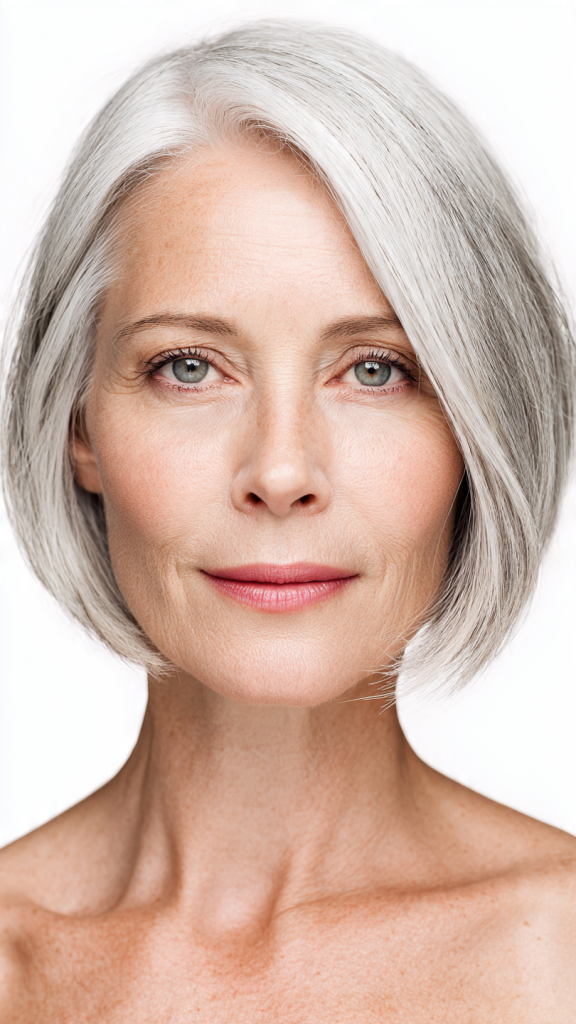
Why it works: A blunt bob at chin-length creates the appearance of maximum density because every hair ends at the same point. Softening the very ends (micro-point cutting) prevents the "helmet head" look while keeping the weight line intact. For fine hair, this cut creates the illusion of thickness without layers that can make fine hair look wispy.
How to style it: Apply lightweight mousse to damp hair. Comb through with a wide-tooth comb. Air-dry completely, using your fingers to gently separate any clumps. Never add heavy products that will weigh down the blunt line.
Best for: Very fine hair that lacks density
Maintenance: Trim every 5–6 weeks
5. The French Bob
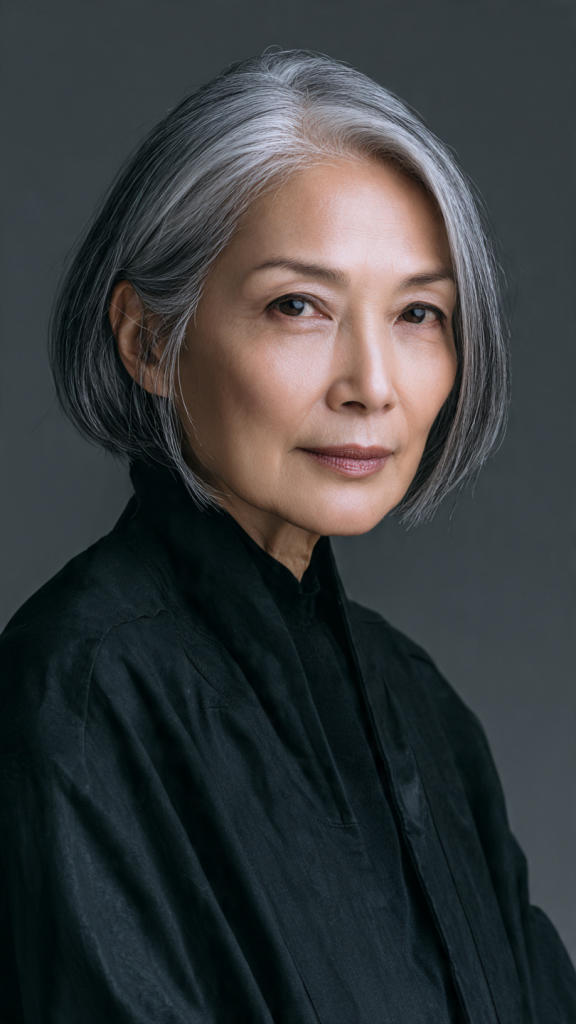
Why it works: The French bob is cropped between the earlobe and chin, often with a subtle undercurl at the ends. The blunt edge creates the illusion of density, while the short length prevents the hair from looking wispy. It's effortlessly chic and requires almost no daily effort.
How to style it: Apply smoothing cream to damp hair. Tuck hair behind your ears while it air-dries to encourage that signature curved-under shape. Never use a straightener—the French bob celebrates imperfect, lived-in texture.
Best for: Women who want a chic, low-maintenance cut
Maintenance: Trim every 6 weeks
For more haircut ideas, these best haircuts for round faces over 50 offer additional flattering options.
Part 2: The Best Products for Thicker-Looking Hair
The right products can dramatically improve the appearance of thickness. Here's what to look for and what to avoid.
Volumizing Products
| Product Type | What It Does | Recommended For | Top Picks |
|---|---|---|---|
| Volumizing mousse | Adds body and lift at the roots | Fine, flat hair | Kenra Volume Mousse, Moroccanoil Volumizing Mousse |
| Root-lifting spray | Creates lift at the crown when blow-dried | Thinning at the crown | Living Proof Full Root Lift, Oribe Maximista |
| Texturizing powder | Adds grit and instant height at the roots | All fine hair | Schwarzkopf Osis Dust It, Sexyhair Powder Play |
| Dry shampoo | Adds grip and volume while absorbing oil | Second-day hair, fine hair | Batiste, Klorane, Living Proof PhD |
| Volumizing spray | Lightweight spray that adds body | Fine hair that gets weighed down | Bumble and Bumble Thickening Spray, Aveda Pure Abundance |
What to AVOID
| Product Type | Why to Avoid | Better Alternative |
|---|---|---|
| Heavy oils (coconut, castor) | Weigh fine hair down, make it look greasy | Jojoba or argan oil (use 1 drop only on ends) |
| Heavy butters (shea, cocoa) | Coat strands, prevent volume | Lightweight leave-in conditioners |
| High-shine serums | Can make fine hair look oily and flat | Matte finish products or dry texture sprays |
| Heavy creams | Weigh hair down at the roots | Mousse or root-lifting spray instead |
Styling Tools That Help
- Small round brush (¾–1 inch) – Creates tension and lift on fine hair better than large brushes
- Diffuser – Enhances natural waves and curls while adding volume
- Blow-dryer with cool shot button – Locks volume in place
- Wide-tooth comb – Detangles without flattening volume
- Boar bristle brush – Smooths the top layer while maintaining under-layer volume
Part 3: Professional Tricks for Instant Volume
These styling techniques create immediate, visible thickness.
1. Blow-Dry Upside Down
This is the single most effective trick for adding volume. Flip your head upside down and blast roots with warm heat for 30 seconds before you even pick up a brush. This pre-lifts the roots and cuts drying time in half.
2. The Cool Shot
After heating each section with a round brush, hit it with 10 seconds of cool air before releasing. This locks the bend and extends volume for hours. This is what professionals do—and it makes a dramatic difference.
3. Dry Shampoo on Clean Hair
Most women use dry shampoo only on second-day hair. But applying dry shampoo to clean, dry hair adds grip and texture that makes fine hair look twice as thick. Spray at the roots, wait 30 seconds, then massage in.
4. Texturizing Powder at the Roots
A small amount of texturizing powder (like Schwarzkopf Osis Dust It) at the roots creates instant, gravity-defying lift. Sprinkle onto your fingers, then work into the roots at the crown. A little goes a long way.
5. The Velcro Roller Trick
For zero-heat volume, wrap damp crown sections around large Velcro rollers (2 inches). Leave for 15–20 minutes while you do your makeup or get dressed. Remove and finger-comb. The volume will last for hours.
6. Strategic Parting
A deep side part (aligned with the arch of your eyebrow) immediately creates asymmetrical volume. Never center-part fine hair—it creates the illusion of a bald spot at the part line.
7. Pin Curls for Overnight Volume
Before bed, twist small sections of your crown and pin them flat against your head. Sleep on a satin pillowcase. In the morning, remove the pins and shake out. You'll have built-in volume without any heat.
8. The "Pineapple" for Curls
For wavy or curly hair, gather hair loosely at the very top of your head and secure with a satin scrunchie before bed. In the morning, shake out. This preserves curl definition and creates height at the crown.
For women with curly hair, these curly haircuts for thin hair offer additional volume-building ideas.
Part 4: Color Techniques That Create Depth and Dimension
Strategic color can make hair look significantly thicker.
1. Root Shadowing
Leaving the roots slightly darker than the ends creates depth and contrast that mimics fullness. A root shadow (also called a shadow root) makes the hairline look denser and regrowth less noticeable.
2. Highlights and Lowlights
Adding both highlights and lowlights (not all-over color) creates dimension that tricks the eye into seeing more hair. The contrast between light and dark pieces adds visual texture that reads as thickness.
3. Face-Framing Highlights
Placing lighter pieces around the face draws attention upward and creates the illusion of lifted, fuller hair. This is especially effective when paired with a layered cut.
4. Glossing
A clear or tinted gloss smooths the cuticle, adding shine and the appearance of density. Gloss treatments can be done at home or in a salon every 4–6 weeks.
5. Avoid All-Over Dark Color
Solid, dark colors can make fine hair look flat and emphasize the scalp. If you prefer dark hair, add subtle highlights or a root shadow to create dimension.
For those blending grays, these grey blending highlights in ash blonde offer cool, sophisticated options.
Part 5: Lifestyle Changes That Support Thicker Hair
Healthy hair starts from within. These lifestyle changes support hair thickness over time.
Nutrition for Hair Thickness
| Nutrient | Food Sources | Why It Helps |
|---|---|---|
| Protein | Eggs, fish, chicken, beans, Greek yogurt | Hair is made of protein (keratin) |
| Biotin | Eggs, nuts, salmon, avocado | Supports keratin production |
| Iron | Spinach, red meat, lentils, fortified cereal | Iron deficiency causes hair thinning |
| Vitamin D | Fatty fish, egg yolks, sunlight | Linked to hair follicle health |
| Zinc | Oysters, pumpkin seeds, chickpeas | Supports hair growth and repair |
| Omega-3s | Salmon, sardines, walnuts, flaxseed | Keeps scalp healthy |
Supplements to Consider
Always consult your doctor before starting supplements. Some evidence supports:
- Biotin – May strengthen brittle hair
- Collagen peptides – May support hair thickness
- Vitamin D – Deficiency is linked to hair loss
- Iron – If deficient, supplementation helps
- Zinc – May help with hair shedding
Gentle Hair Handling
| Do | Don't |
|---|---|
| Use a wide-tooth comb on wet hair | Brush wet hair aggressively |
| Sleep on a satin pillowcase | Sleep on cotton (causes friction) |
| Use heat protectant before styling | Use high heat without protection |
| Air-dry when possible | Blow-dry on high heat daily |
| Wear loose styles | Wear tight ponytails or braids regularly |
| Get regular trims (every 6–8 weeks) | Let split ends travel up the shaft |
Scalp Care
A healthy scalp grows healthy hair. Try:
- Scalp massage – 5 minutes daily increases blood flow to follicles
- Scalp serums – Products with rosemary oil or peptides may support growth
- Gentle cleansing – Avoid harsh sulfates that strip natural oils
- Exfoliating – Use a scalp scrub once monthly to remove buildup
Part 6: Quick Reference – Thicker Hair Toolkit
Best Cuts for Thicker-Looking Hair
| Cut | Best For | Trim Frequency |
|---|---|---|
| Stacked Bob | Fine hair, crown thinning | 5–6 weeks |
| Textured Pixie | Very fine or thinning hair | 4–5 weeks |
| Layered Bob | Versatility, all face shapes | 6–8 weeks |
| Blunt Bob with Soft Ends | Very fine hair lacking density | 5–6 weeks |
| French Bob | Chic, low-maintenance style | 6 weeks |
Best Products for Volume
| Product Type | Key Ingredients | When to Use |
|---|---|---|
| Volumizing mousse | Polymers, lightweight hold | On damp hair before blow-drying |
| Root-lifting spray | Film-forming agents | At the crown before blow-drying |
| Texturizing powder | Silica, starches | On dry roots for instant lift |
| Dry shampoo | Starches, clays | On clean or second-day roots |
| Volumizing spray | Panthenol, proteins | Throughout damp hair |
Everyday Volume Routine (5 Minutes)
- Apply volumizing mousse to damp roots
- Flip head upside down and blow-dry roots for 30 seconds
- Apply texturizing powder to dry roots at the crown
- Create a deep side part
- Finish with dry shampoo at the roots for extra grip
Final Thoughts
Making your hair look thicker over 50 is entirely achievable with the right combination of haircut, products, and techniques. The key is choosing a cut that removes weight from the ends (like a stacked bob or textured pixie), using lightweight volumizing products, and mastering simple tricks like blow-drying upside down and using a deep side part. Remember that fine hair is often healthier and shinier than thick hair—it just needs the right approach to show its best self. Take this guide to your stylist, invest in a few key products, and get ready to discover how voluminous and beautiful your hair can be at 50 and beyond.