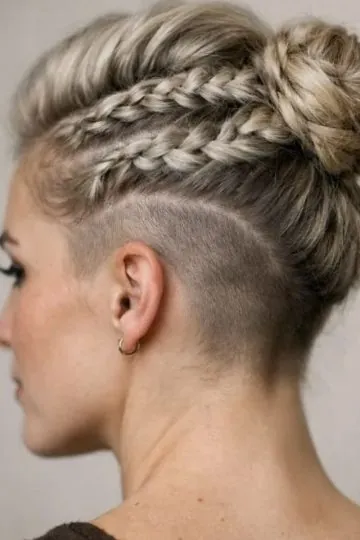
The 13 long wolf cut styles in this guide prove that you can have the best of both worlds—dramatic, edgy texture and beautiful, flowing length. The wolf cut is a hybrid between a shag and a mullet, offering choppy layers, volume at the crown, and piece-y ends that keep your length intact. It is the perfect hairstyle for anyone who wants movement, attitude, and a look that seems effortlessly cool. Whether you have straight, wavy, curly, fine, or thick hair, the long wolf cut can be customized to suit your texture and face shape. In this guide, we will explore thirteen stunning long wolf cut variations, complete with why each works, how to style it, best face shapes, and maintenance needs.
What Makes a Long Wolf Cut Different
The wolf cut is defined by its disconnected, choppy layers that start high up—sometimes near the crown—and cascade down into wispy, textured ends. Unlike traditional layers that blend smoothly, wolf cut layers are intentional and visible. The "long" version keeps your length (typically collarbone to mid-back) while adding:
- Short, choppy layers at the crown for volume
- Face-framing pieces that start around the cheekbones
- Wispy, piece-y ends that keep length but add texture
- Optional curtain or wispy bangs to soften the face
The 13 Long Wolf Cut Styles
1. Classic Long Wolf Cut with Curtain Bangs

This is the blueprint for the trend. Soft, face-framing curtain bangs blend seamlessly into cascading, well-defined layers.
Why it works: The curtain bangs soften strong jawlines and foreheads, while the choppy layers add movement to otherwise flat hair. The length stays intact for versatility.
How to style it: Apply volumizing mousse to damp hair. Blow-dry using a round brush, rolling the bangs away from your face. Finish with a texturizing spray and scrunch the mid-lengths to enhance the jagged ends.
Best face shapes: Oval, heart, round. The bangs elongate round faces and soften angular features.
Maintenance needs: Trim every 8–10 weeks to keep bangs from growing into your eyes and refresh layer graduation.
2. Choppy Long Wolf Cut for Fine Hair

Fine hair often falls flat with one-length cuts. This version uses micro-layers that create the illusion of thickness and body.
Why it works: Fine hair needs volume, not length. The choppy layers lift at the root and stay lifted, giving the appearance of much thicker hair.
How to style it: Use a root-lifting spray and dry shampoo at the roots. Blow-dry upside down, then use a flat iron to add slight bends through the midsection. Avoid heavy oils or butters.
Best face shapes: Diamond, oblong, square. The volume at the crown balances a longer face shape.
Maintenance needs: Every 6–8 weeks. Fine hair shows split ends faster.
3. Long Curly Wolf Cut

Curly hair and the wolf cut are a match made in heaven. The shaggy layers remove excess weight, allowing curls to spring up with more definition.
Why it works: Traditional curly cuts often create a triangle shape. The wolf cut removes bulk from the sides while keeping length, resulting in a beautiful hourglass silhouette.
How to style it: On soaking wet hair, rake through a leave-in conditioner and a curl cream. Diffuse on low heat, or air-dry. Once dry, shake out the roots with your fingers. Never brush a curly wolf cut.
Best face shapes: All face shapes. Curly wolf cuts can be customized with side-swept bangs or no bangs.
Maintenance needs: Every 10–12 weeks. Curly hair hides damage, but dry ends need regular dusting.
4. Edgy Long Wolf Cut with Undercut
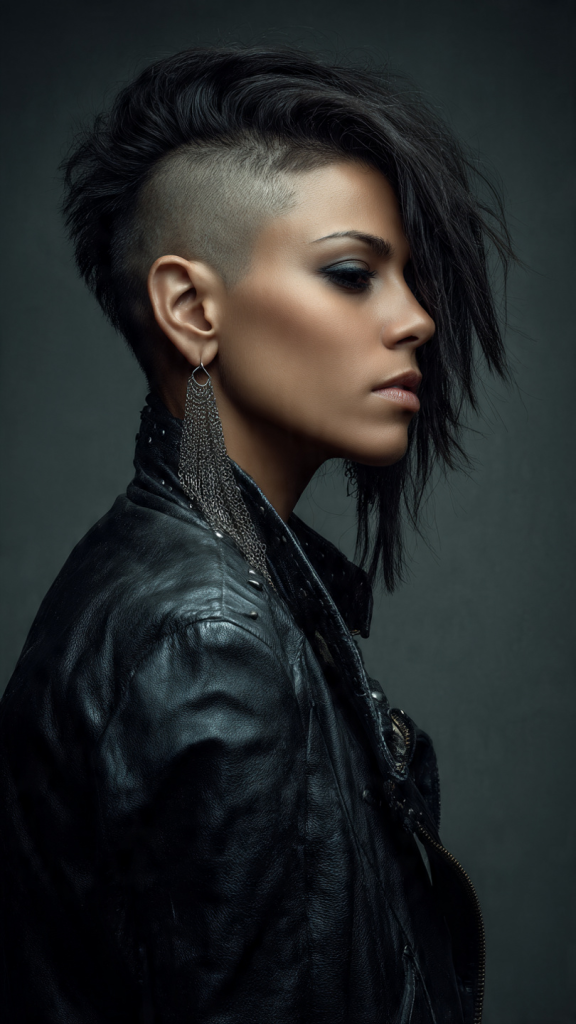
For the bold, adding a discrete undercut (shaved nape or behind the ears) keeps the long wolf cut from feeling too heavy.
Why it works: The undercut removes bulk instantly and adds an unexpected rock-and-roll element when you pull your hair up.
How to style it: Style as usual with a texturizing paste through the top layers. To show off the undercut, tie the length into a high messy bun or half-up ponytail.
Best face shapes: Oval, heart, square. The undercut draws attention to the jawline, so avoid if you have a very long or narrow face.
Maintenance needs: The undercut needs refreshing every 4–6 weeks at a barber or salon.
5. Long Wavy Wolf Cut with Bottleneck Bangs

Bottleneck bangs are narrow at the center, widening at the cheeks—a softer alternative to full curtain bangs.
Why it works: The widening effect at the cheekbones balances a pointed chin, making this ideal for heart-shaped faces. The loose waves add a bohemian feel.
How to style it: Spray sea salt spray on damp hair, then braid your hair into two loose braids overnight. Undo in the morning and finger-comb. The bottleneck bangs should be blow-dried forward and to the sides using a small round brush.
Best face shapes: Heart, oval, round.
Maintenance needs: Bangs need trimming every 3–4 weeks. The rest of the cut every 8–10 weeks.
6. Long Wolf Cut with Wispy Bangs

Soft, wispy bangs replace heavier curtain bangs. The bangs are thin, piece-y, and graze the eyebrows.
Why it works: Wispy bangs soften forehead lines without hiding your face. They add a romantic, feminine touch to the edgy wolf cut.
How to style it: Blow-dry the wispy bangs using a small round brush, keeping them soft and separated. The rest of the wolf cut stays textured and choppy.
Best face shapes: Oval, heart, round. The softness flatters all.
Maintenance needs: Bangs every 3–4 weeks. Rest of the cut every 8–10 weeks.
7. Long Wolf Cut for Thick Hair
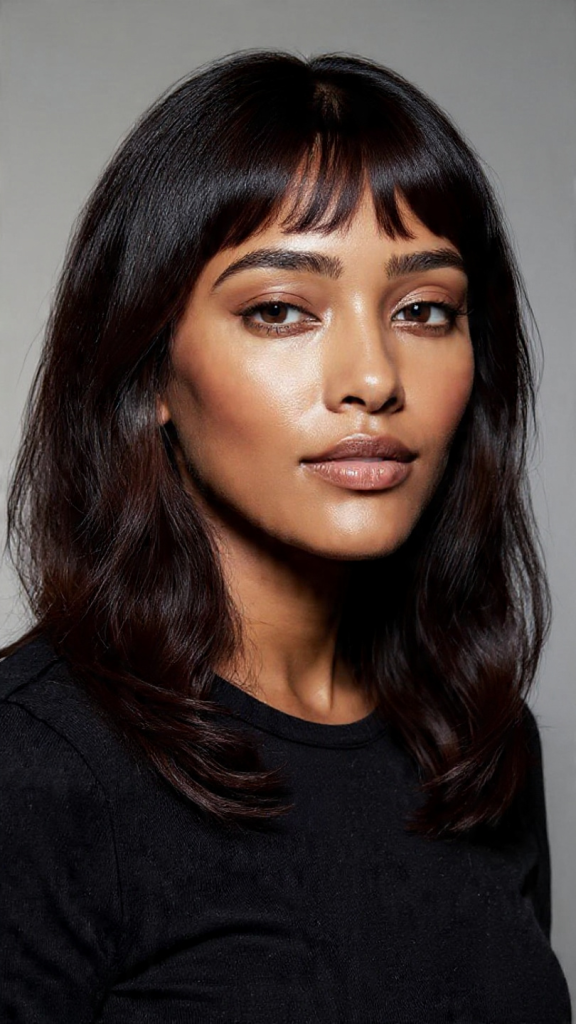
Thick hair can become heavy and triangular. This wolf cut removes significant internal weight through point-cutting and slide-cutting techniques.
Why it works: Removing up to 40% of bulk eliminates the triangle shape while keeping the length. The layers are carved out internally so the perimeter stays full.
How to style it: Use a lightweight mousse and blow-dry with a large round brush. Avoid heavy creams or butters, which will weigh the cut back down. A texture spray at the ends adds separation.
Best face shapes: Oval, square, heart.
Maintenance needs: Every 6–8 weeks. Thick hair grows out quickly and will regain bulk within two months.
8. Long Wolf Cut with Face-Framing Layers
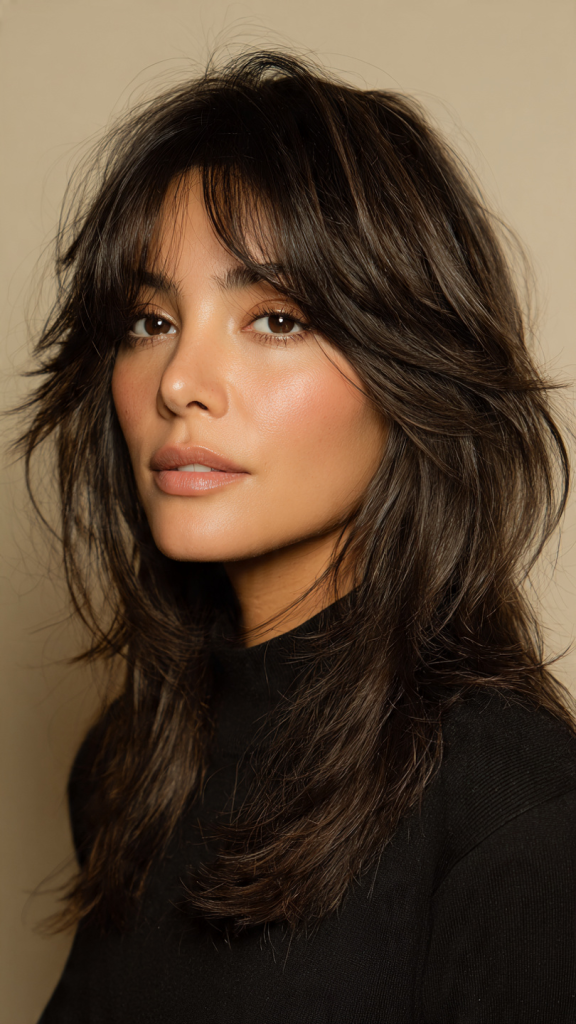
Instead of bangs, this version uses longer face-framing layers that start at the cheekbones or chin.
Why it works: The face-framing pieces draw attention to your eyes and soften your features. The wolf cut layers continue throughout the rest of the hair.
How to style it: Blow-dry using a round brush, directing the face-framing pieces away from your face. The rest stays textured and choppy.
Best face shapes: Oval, round, square. The layers soften jawlines.
Maintenance needs: Trim every 8–10 weeks.
9. Long Wolf Cut with Micro Bangs

Micro bangs sit 1–2 inches above the eyebrows. Paired with a long wolf cut, this is a high-fashion, daring look.
Why it works: Micro bangs draw immediate attention to your eyes and cheekbones. The contrast between the short bangs and the long choppy layers is striking.
How to style it: Keep micro bangs pin-straight or slightly piece-y with a dab of texturizing paste. The rest of the wolf cut stays messy and voluminous. Do not curl micro bangs.
Best face shapes: Oval, heart, diamond. Avoid if you have a round or very square face.
Maintenance needs: Micro bangs every 2–3 weeks. Rest of the cut every 8–10 weeks.
10. Long Wolf Cut with Blunt Ends
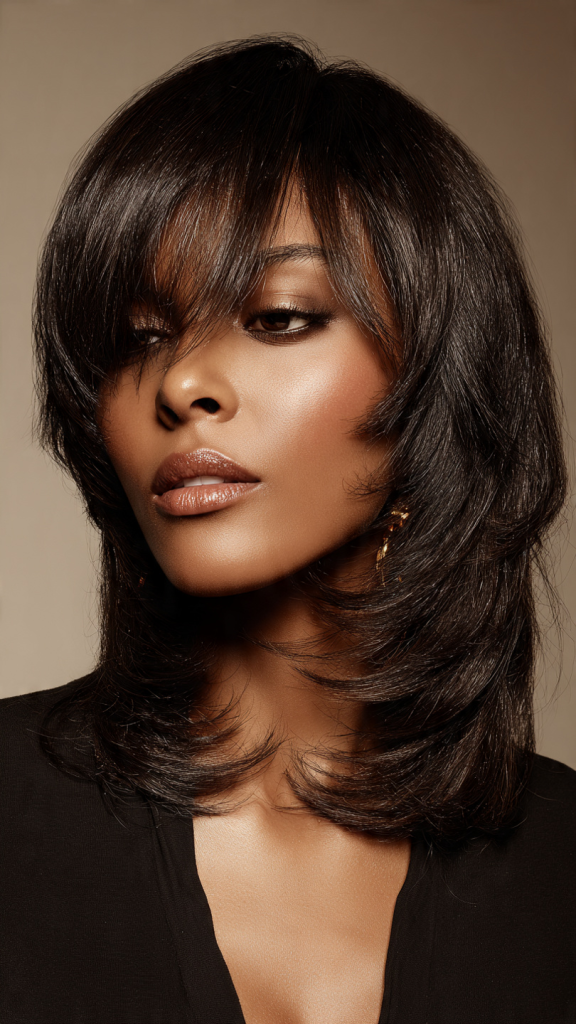
This version keeps the ends blunt rather than wispy. The internal layers are choppy, but the perimeter is clean.
Why it works: Blunt ends give the illusion of thick, healthy hair. The internal wolf cut layers add movement without sacrificing density.
How to style it: Blow-dry smooth using a paddle brush to emphasize the blunt line. The internal layers will create natural movement.
Best face shapes: Oval, square, oblong. The blunt line adds width to longer faces.
Maintenance needs: Trim every 6–8 weeks. Blunt lines show uneven growth quickly.
11. Long Wolf Cut with Razor Layers

Razor cutting creates softer, more blended wolf cut layers than shears. The ends are wispy and delicate.
Why it works: Razor cutting removes weight gradually, creating a softer wolf cut that works well for fine or medium hair. It also enhances wave patterns.
How to style it: Apply texturizing spray to damp hair. Air-dry or diffuse. The razor-cut ends will naturally separate.
Best face shapes: All face shapes. The softness flatters everyone.
Maintenance needs: Trim every 8–10 weeks.
12. Long Wolf Cut with Heavy Crown Volume
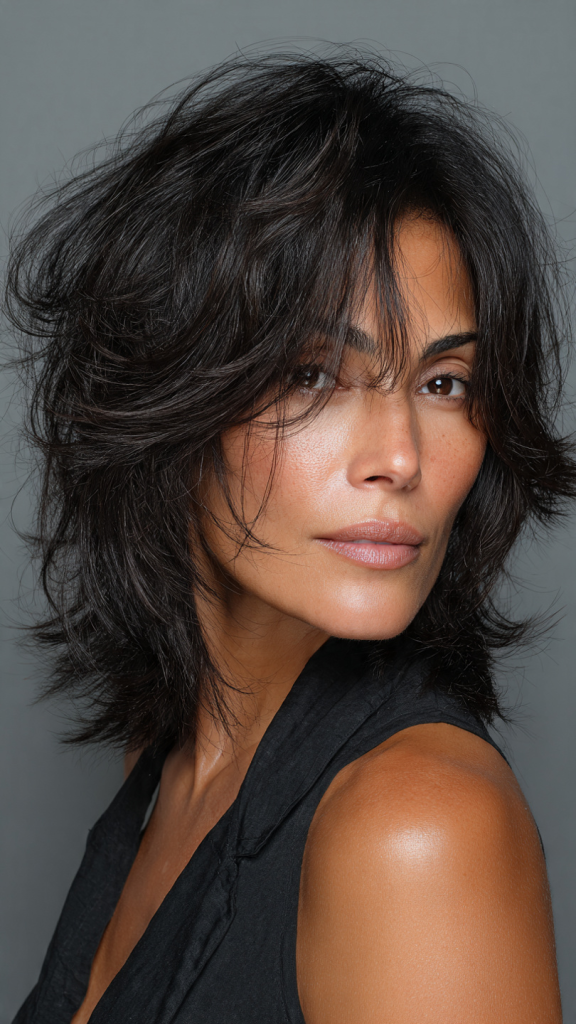
This cut concentrates the shortest layers at the crown, creating maximum lift and height.
Why it works: Crown volume lifts the entire face. This is especially flattering for round faces and for women with thinning hair at the crown.
How to style it: Use volumizing powder or backcombing at the crown. Diffuse upside down for maximum lift.
Best face shapes: Round, oval, heart. The height elongates round faces.
Maintenance needs: Trim every 8–10 weeks. Crown layers need refreshing.
13. Low-Maintenance Long Wolf Cut

This wolf cut is shaped so that air-drying looks intentional. The layers are placed to work with your natural texture.
Why it works: Not every woman wants to diffuse or style for hours. This cut respects your time while still delivering wolf cut volume and texture.
How to style it: Wash and condition. Apply leave-in conditioner and sea salt spray. Scrunch. Air-dry. That is it.
Best face shapes: All face shapes. The effortless approach flatters everyone.
Maintenance needs: Trim every 10–12 weeks. This cut looks better slightly grown out.
How to Style a Long Wolf Cut
For maximum texture and volume (10 minutes):
- Apply texturizing spray or sea salt spray to damp hair
- Blow-dry using a diffuser, scrunching as you go
- Focus on lifting the roots at the crown
- Once dry, use your fingers to separate and piece out the ends
- Add a small amount of dry shampoo at the roots for lift
- Finish with a light texture spray
For air-dried effortlessness:
- Apply leave-in conditioner and sea salt spray to wet hair
- Scrunch upward with your fingers
- Let air-dry completely
- Do not brush—use fingers only to fluff
For fine hair:
- Use root-lifting spray before drying
- Blow-dry upside down for 2–3 minutes
- Avoid heavy creams and oils
- Dry shampoo is your best friend
Quick Maintenance Cheat Sheet
| Style | Trim Frequency | Special Notes |
|---|---|---|
| Classic with curtain bangs | Bangs: 5–6 weeks / Rest: 8–10 weeks | Grows out gracefully |
| Choppy for fine hair | 6–8 weeks | Volume fades faster |
| Long curly wolf cut | 8–10 weeks | Deep condition weekly |
| With undercut | Undercut: 4–6 weeks / Rest: 8–10 weeks | Undercut needs upkeep |
| With bottleneck bangs | Bangs: 3–4 weeks / Rest: 8–10 weeks | Bangs need attention |
| With wispy bangs | Bangs: 3–4 weeks / Rest: 8–10 weeks | Soft and easy |
| For thick hair | 6–8 weeks | Bulk returns quickly |
| With face-framing layers | 8–10 weeks | Front pieces grow faster |
| With micro bangs | Bangs: 2–3 weeks / Rest: 8–10 weeks | Most high-maintenance |
| With blunt ends | 6–8 weeks | Blunt line shows growth |
| With razor layers | 8–10 weeks | Razor edges need refreshing |
| With heavy crown volume | 8–10 weeks | Crown needs refreshing |
| Low-maintenance wolf cut | 10–12 weeks | Looks better grown out |
Final Thoughts
The long wolf cut is proof that you do not have to sacrifice length to have volume, texture, and edge. Whether you have fine hair that needs lift, thick hair that needs weight removal, or curly hair that needs bounce, the wolf cut delivers. The key is embracing the messiness—this cut is not meant to look perfect. Bring photos from this guide to your stylist. Ask for disconnected layers, piece-y ends, and the bang style that suits your face. And get ready to love hair that moves, shakes, and looks effortlessly cool.