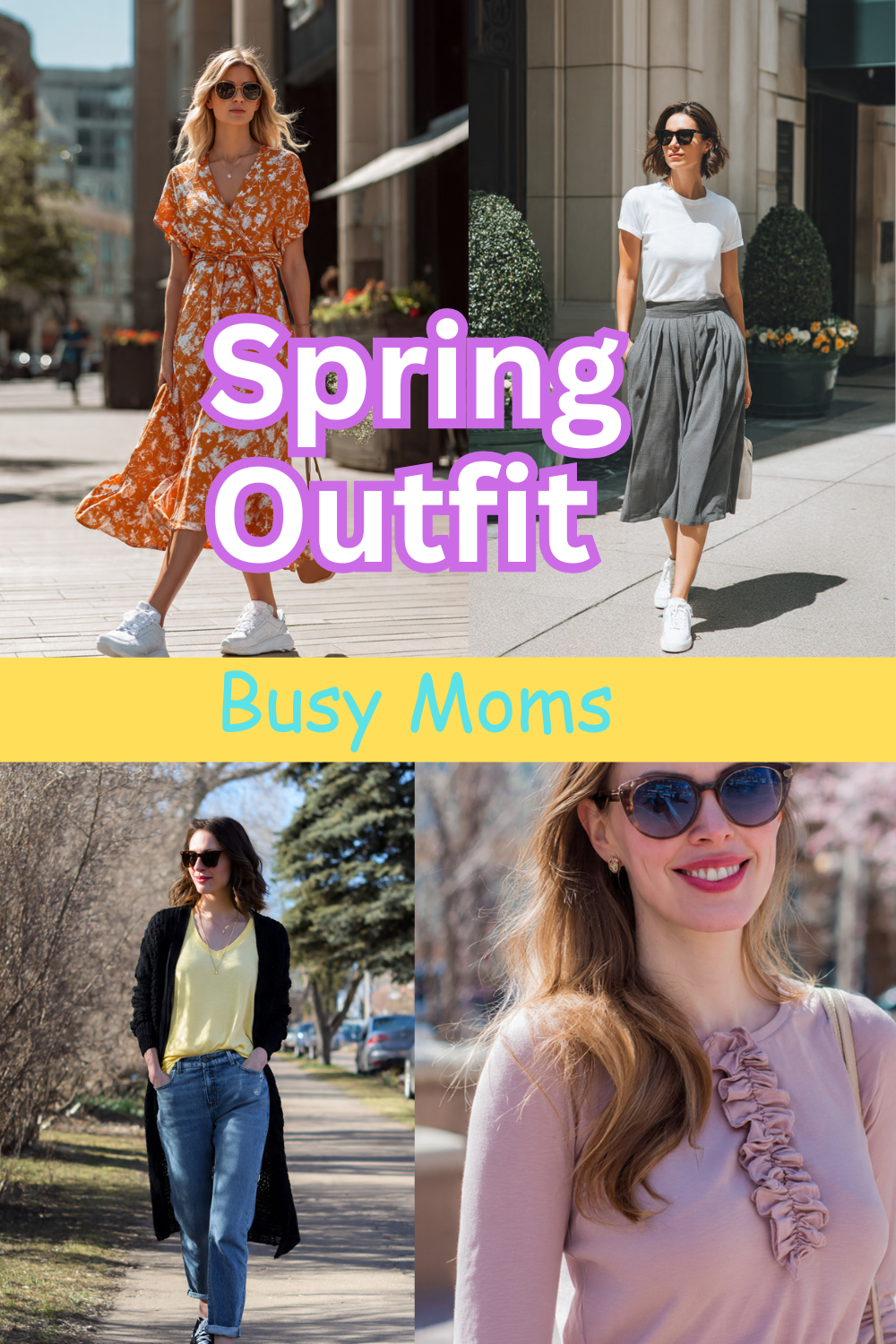
Navigating wedding season after 30 comes with a new set of considerations. Gone are the days of pulling any cocktail dress off the rack and hoping for the best; today, the goal is to find a wedding guest outfit over 30 that strikes the perfect balance between elegant, appropriate, and undeniably stylish. Whether you're attending a black-tie affair in a grand ballroom, a rustic barn wedding in the countryside, or a beachside ceremony at sunset, the pressure to look polished while respecting the couple's dress code can feel overwhelming. The good news is that dressing for weddings in your 30s and beyond isn't about limiting yourself—it's about refining your choices, investing in quality pieces that flatter your figure, and embracing a sophistication that only comes with knowing exactly what works for you. This guide will walk you through everything you need to know to show up feeling confident, comfortable, and perfectly dressed for the occasion.
The Shift: How Wedding Guest Style Evolves After 30
There's a common misconception that turning 30 means relegating yourself to matronly silhouettes and muted colors. Nothing could be further from the truth. What actually shifts is a deeper understanding of quality, fit, and personal style. You've likely learned which silhouettes flatter your body, which fabrics travel well, and which hemlines allow you to dance comfortably through the reception.
The key to dressing for weddings after 30 is intention. You're no longer buying a dress for a single event and discarding it; you're building a curated wardrobe of pieces that can be styled for multiple occasions. The focus moves from trend-chasing to timelessness, from revealing to refined, and from fast fashion to investment pieces that serve you for years.
Understanding Wedding Dress Codes
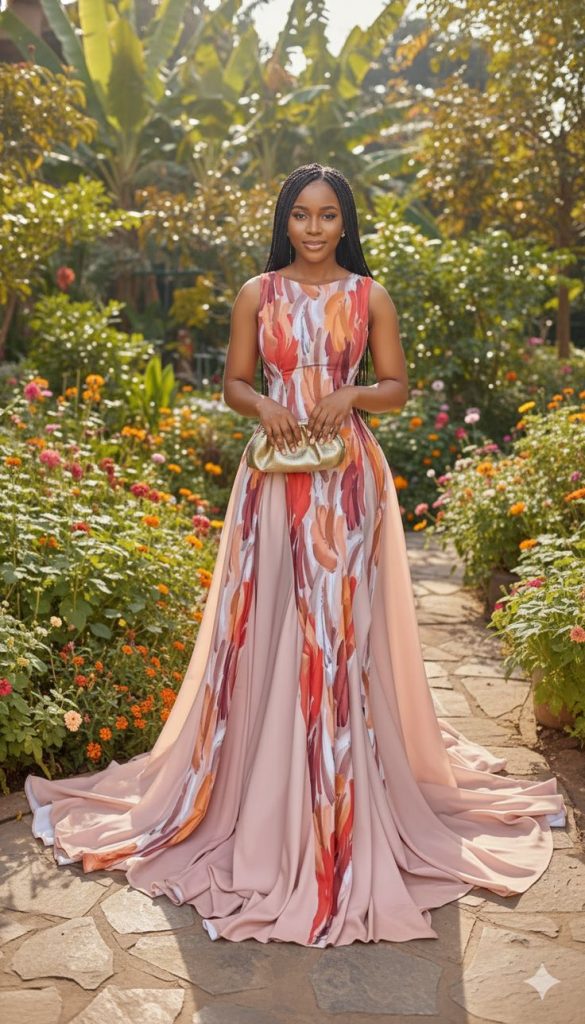
Before selecting an outfit, you must understand the dress code. Here's a breakdown of the most common categories:
Black-Tie
What it means: The most formal dress code. Men wear tuxedos; women wear floor-length gowns.
What to wear: A full-length evening gown in luxurious fabrics like silk, velvet, or chiffon. Elegant accessories, statement jewelry, and formal footwear. This is not the time for separates or midi lengths.
What to avoid: Cocktail dresses, separates, casual fabrics, or anything that reads daytime.
Black-Tie Optional
What it means: Formal attire is encouraged but not strictly required. A tuxedo is welcome but not mandatory; a long gown or a sophisticated cocktail dress is appropriate.
What to wear: Floor-length gowns or formal midi dresses in elevated fabrics. This dress code allows slightly more flexibility while maintaining a formal sensibility.
What to avoid: Short hemlines, overly casual separates, or anything you'd wear to the office.
Cocktail
What it means: The most common wedding dress code. Guests wear semi-formal attire that is polished and festive.
What to wear: Knee-length or midi dresses, dressy separates, elegant jumpsuits. This is where you can have fun with color, texture, and accessories.
What to avoid: Floor-length gowns (unless specified), overly casual fabrics, anything too revealing.
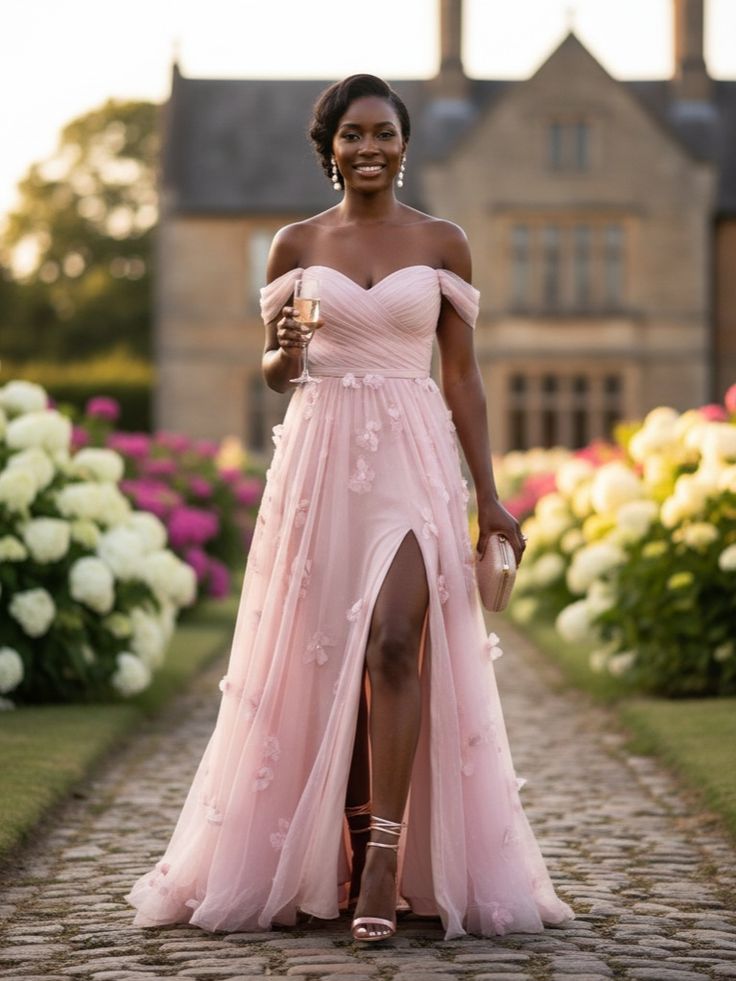
Semi-Formal / Dressy Casual
What it means: A step above casual, this dress code calls for polished but not overly formal attire.
What to wear: Midi or knee-length dresses, dressy separates like silk tops with tailored trousers, elegant jumpsuits, or coordinated sets.
What to avoid: Jeans, t-shirts, sneakers, or anything you'd wear to brunch.
Casual / Daytime
What it means: Relaxed but still intentional. The wedding is likely outdoors, during the day, or in a casual setting like a backyard or beach.
What to wear: Sundresses, chic separates, linen pieces, wedge sandals, or dressy flats. Lightweight fabrics and breathable materials are key.
What to avoid: Jeans (unless specified), athletic wear, overly formal fabrics.
Beach / Destination
What it means: A relaxed dress code for warm-weather locations. Practicality meets style.
What to wear: Lightweight maxi dresses, flowing midi dresses, chic jumpsuits in breathable fabrics like cotton, linen, or rayon. Block heels, wedges, or dressy sandals.
What to avoid: Heavy fabrics, stilettos that sink into sand, overly formal attire.
Elegant Outfit Ideas by Dress Code
For Black-Tie Weddings
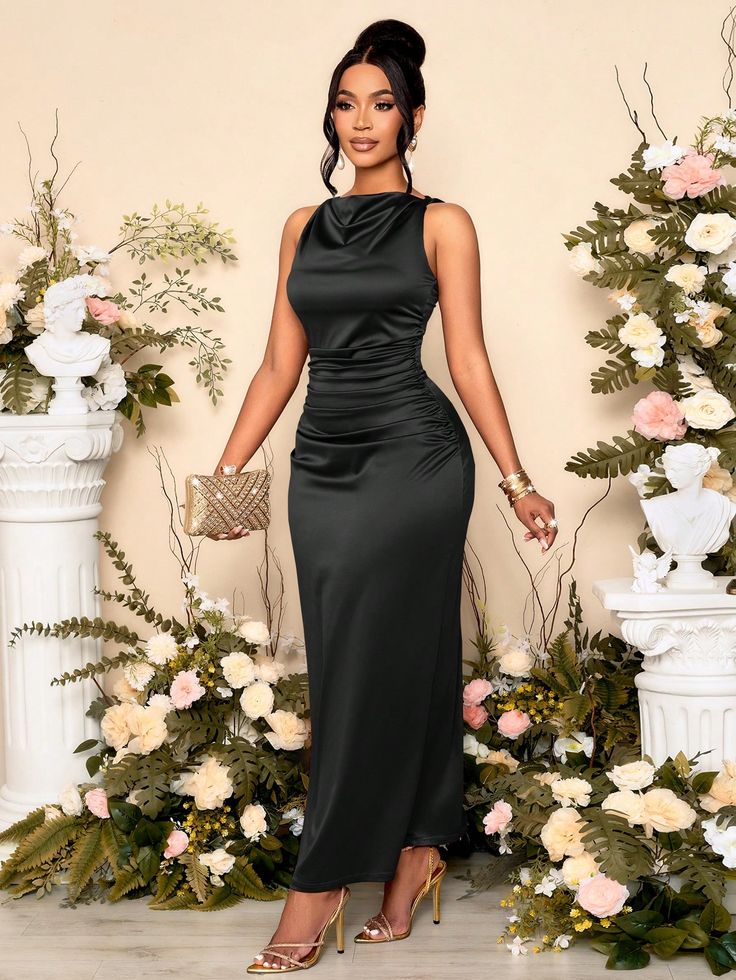
The Statement Gown
A floor-length gown in a rich jewel tone—emerald, sapphire, burgundy, or deep navy—offers timeless elegance. Look for structured bodices, subtle draping, or thoughtful cutouts that add interest without revealing too much. Fabrics like crepe, silk charmeuse, or velvet (for cooler months) elevate the look.
Styling Tips: Pair with metallic heels (gold or silver), a clutch, and statement earrings. Keep jewelry refined—if you're wearing a bold necklace, skip the earrings, and vice versa.
For Black-Tie Optional Weddings
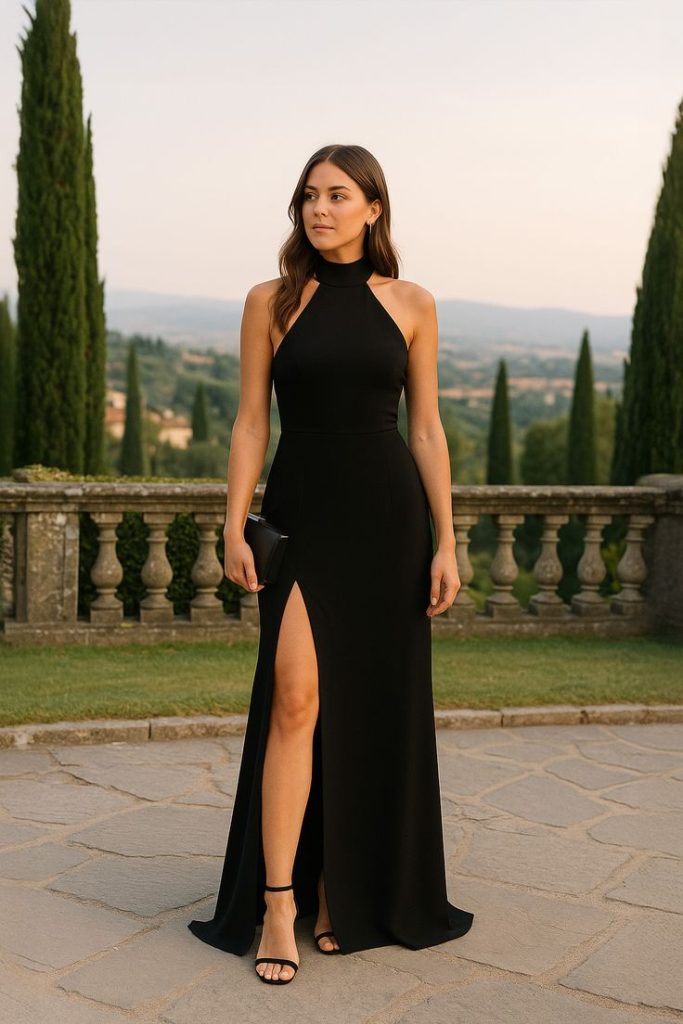
The Elevated Midi
A structured midi dress in a luxe fabric—satin, jacquard, or heavy crepe—strikes the perfect balance. Look for interesting details like a cowl neck, asymmetrical hem, or bishop sleeves. Colors like dusty rose, sage green, champagne, or classic black work beautifully.
Styling Tips: Add strappy heels, a clutch, and delicate jewelry. A wrap or pashmina is both elegant and practical for cool evenings.
For Cocktail Attire
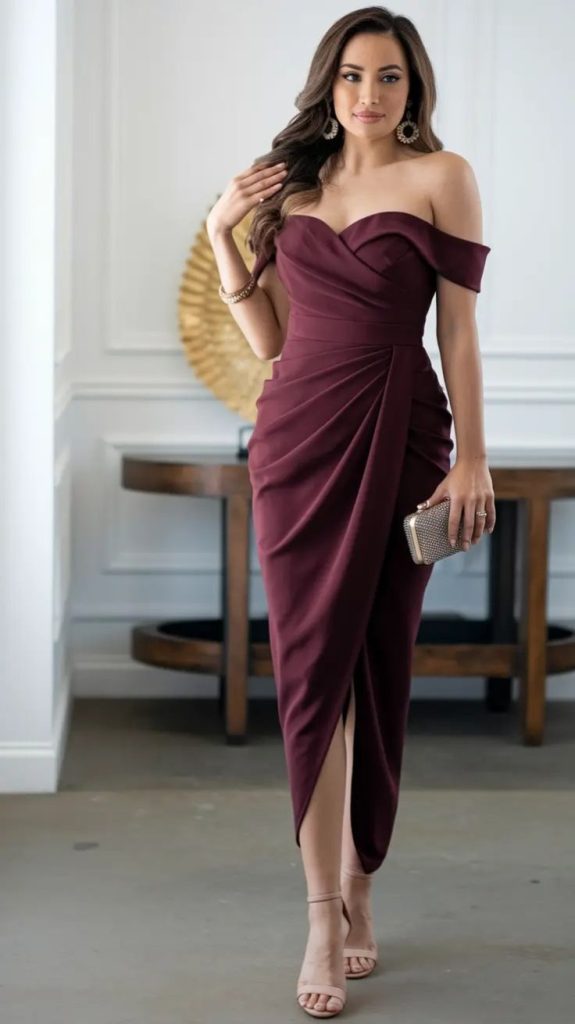
The Versatile Sheath
A knee-length or midi sheath dress in a bold color or subtle print is endlessly reliable. Look for structured tailoring that skims rather than clings. Shades like fuchsia, cobalt blue, emerald, or classic navy are festive without being overpowering.
Styling Tips: Block heels or elegant pumps allow for hours of dancing. A structured clutch and simple jewelry complete the look.
The Chic Jumpsuit
A well-tailored jumpsuit is a sophisticated alternative to a dress. Look for wide-leg silhouettes, cinched waists, and elevated fabrics like crepe or satin. Jumpsuits offer comfort and a modern edge that feels distinctly current.
Styling Tips: Heels elongate the leg. Statement earrings add polish, especially with a higher neckline.
For Semi-Formal / Dressy Casual
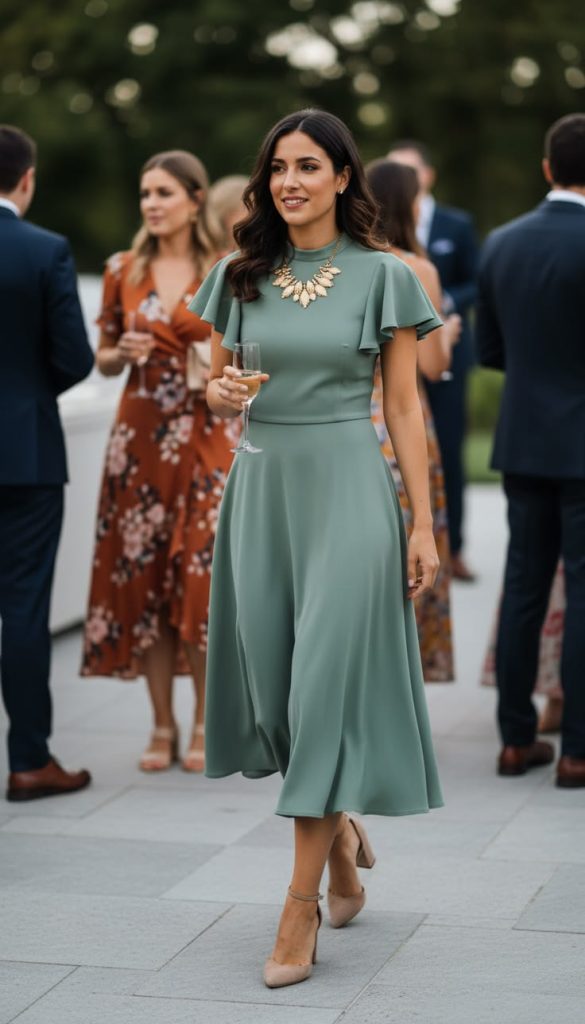
The Elevated Separates
A silk blouse paired with a midi skirt or tailored trousers offers versatility and sophistication. This is an excellent option for those who prefer not to wear dresses. Look for coordinated separates that create a cohesive look.
Styling Tips: A block-heel sandal or dressy flat keeps the look grounded. Add a metallic clutch for polish.
The Wrap Dress
The wrap dress remains one of the most universally flattering silhouettes. It defines the waist, accommodates fluctuations, and transitions effortlessly from ceremony to reception. Choose a midi length in a rich color or subtle print.
Styling Tips: Wedges or block heels work well. Minimal jewelry keeps the look clean and elegant.
For Casual / Daytime Weddings
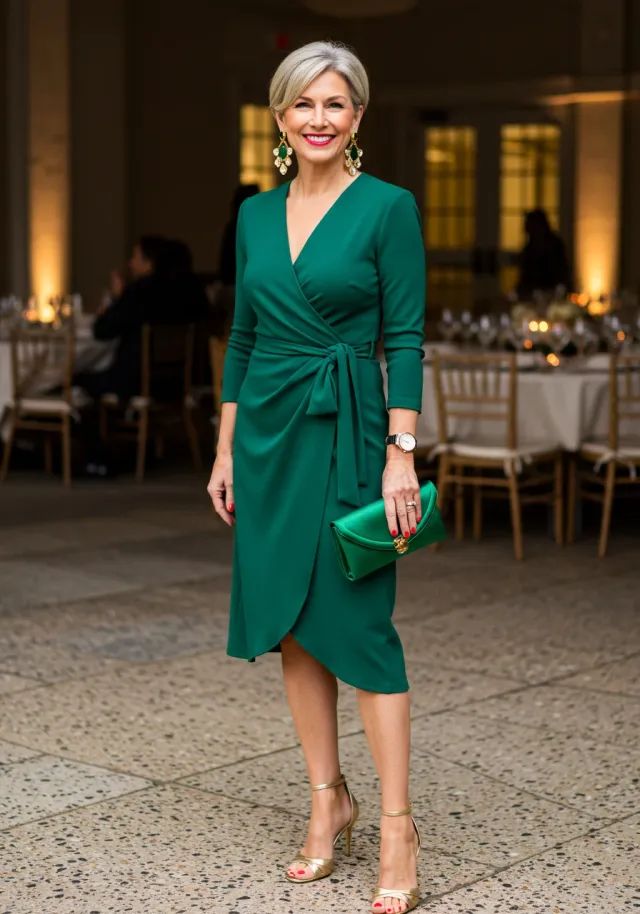
The Elevated Sundress
A sundress in a breathable fabric like linen, cotton, or lightweight knit is perfect for daytime celebrations. Look for intentional details—a tie waist, puff sleeve, or interesting neckline—that elevate it beyond basic.
Styling Tips: Wedge sandals, dressy flats, or low block heels. A straw clutch or woven bag adds texture without feeling overly casual.
For Beach / Destination Weddings
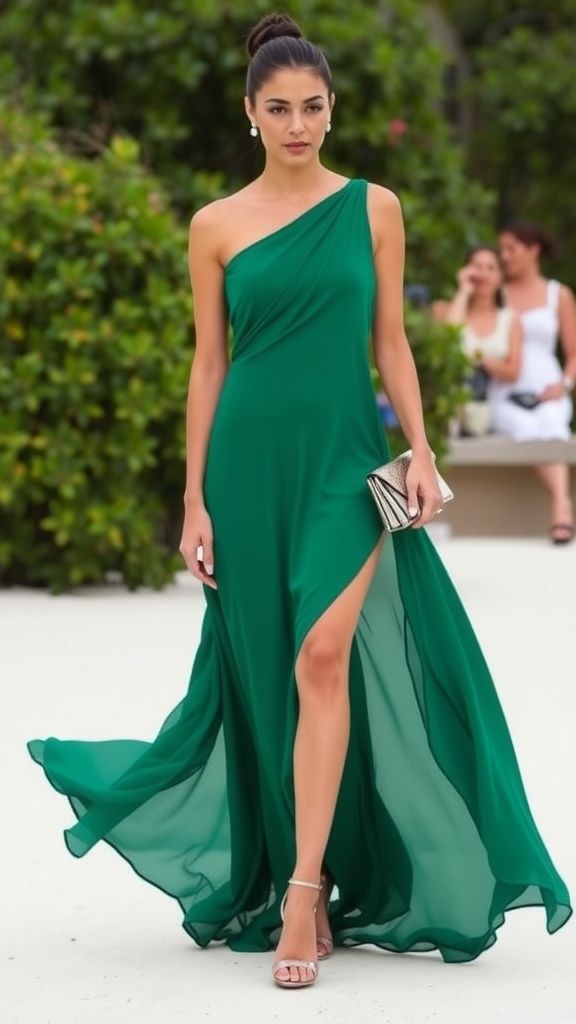
The Flowing Maxi
A lightweight maxi dress in chiffon, rayon, or cotton voile offers coverage while keeping you cool. Look for vibrant prints, soft pastels, or crisp whites (if appropriate for the couple's color scheme). Slits add movement and breathability.
Styling Tips: Wedges or dressy sandals. A wide-brimmed hat and statement earrings add destination-ready flair. Skip heavy fabrics and stilettos.
Fabrics, Colors, and Prints That Work After 30
Fabric Choices
Luxury Fabrics: Silk, satin, velvet, crepe, chiffon, and jacquard read elevated and photograph beautifully.
Daytime Fabrics: Cotton blends, linen, lightweight knits, and rayon offer comfort without sacrificing style.
Fabrics to Approach with Caution: Polyester blends that trap heat, overly shiny satins that read costumey, and fabrics prone to wrinkling without structure.
Color Palette
Classic Neutrals: Navy, black, champagne, taupe, and ivory (with caution—never wear white or anything that photographs white).
Rich Jewel Tones: Emerald, sapphire, burgundy, amethyst, and deep teal are universally flattering and photograph beautifully.
Soft Pastels: Dusty rose, sage green, lavender, and powder blue offer romantic, spring-appropriate options.
Bold Brights: Fuchsia, cobalt, and emerald make confident statements without reading as attention-seeking.
Colors to Avoid: White, cream, ivory, or any shade that could be mistaken for bridal attire. Also, avoid the wedding party colors unless you're certain you won't clash.
Prints
Sophisticated Prints: Floral (small to medium scale), geometric patterns, abstract designs, and classic stripes.
Prints to Approach with Caution: Large, loud prints that overwhelm the frame; overly trendy patterns that will date quickly.
Accessories: The Finishing Touches
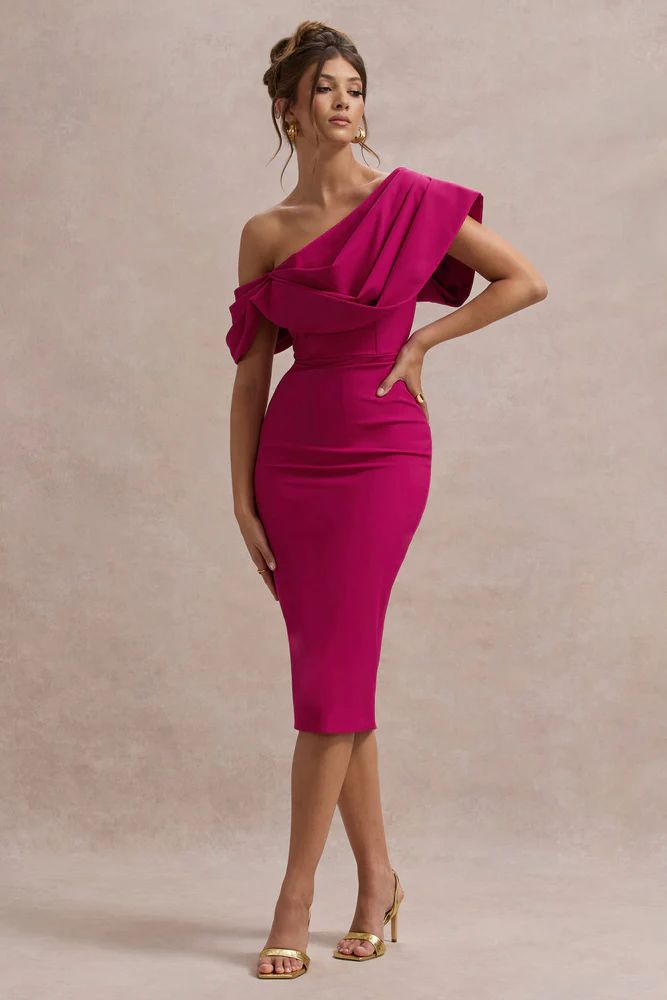
Accessories can elevate a simple outfit to something truly elegant. The key is balance.
Shoes
- Black-Tie: Metallic or satin heels, elegant pumps
- Cocktail: Block heels, strappy sandals, elegant pumps
- Casual/Beach: Wedges, dressy flats, block-heel sandals
- Practical Considerations: Choose shoes you can stand and dance in. Break them in before the wedding. Consider venue terrain—stilettos on grass or sand are a recipe for disaster.
Jewelry
- Keep proportions in mind: if your neckline is busy, opt for simple earrings; if you're wearing a statement necklace, skip the earrings.
- Gold and silver tones should coordinate with your outfit's undertones.
- Pearls, diamonds (or quality simulants), and colored gemstones add timeless elegance.
Bags
- A clutch or small crossbody is appropriate for most weddings.
- Choose a bag large enough for essentials—phone, lipstick, compact—but small enough to be unobtrusive.
- Metallic and neutral bags offer maximum versatility across multiple outfits.
Outerwear
- For cool-weather weddings, a structured blazer, elegant shawl, pashmina, or faux fur stole adds warmth without sacrificing style.
- Choose outerwear that complements rather than competes with your outfit.
Common Mistakes to Avoid
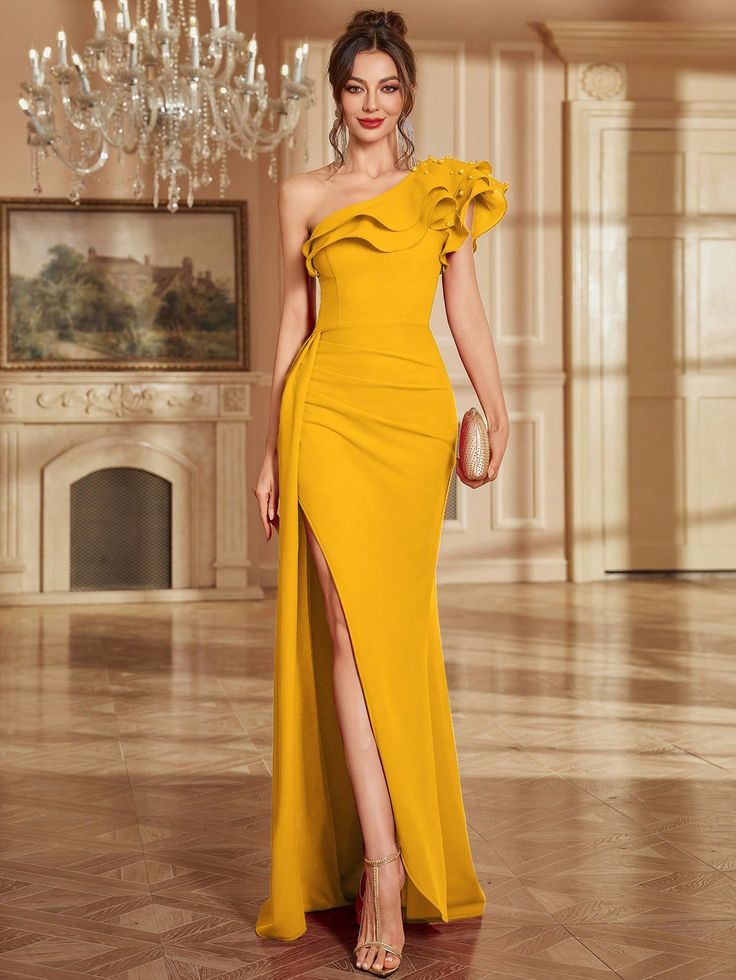
Wearing White or Ivory
This remains the number one rule. Even if the bride says she doesn't mind, tradition dictates that white is reserved for the bride and, in some circles, the mother of the bride.
Dressing Too Casually
When in doubt, err on the side of being slightly overdressed. Showing up in jeans to a cocktail-attire wedding is disrespectful to the couple's vision.
Choosing Impractical Footwear
Stilettos on grass, sand, or cobblestones will leave you uncomfortable and potentially injured. Always consider the venue.
Over-Accessorizing
The goal is polished, not costume-like. Choose one focal point—statement earrings, a bold necklace, or a standout bag—and keep the rest minimal.
Wearing Anything Too Revealing
Weddings are family events. Deep plunging necklines, excessively high slits, or backless designs that expose more than they cover are best saved for other occasions.
Ignoring the Weather
A sleeveless dress in a winter wedding or a velvet gown in July will leave you miserable. Dress appropriately for the season and location.
Dressing for Your Body: Confidence Over Rules
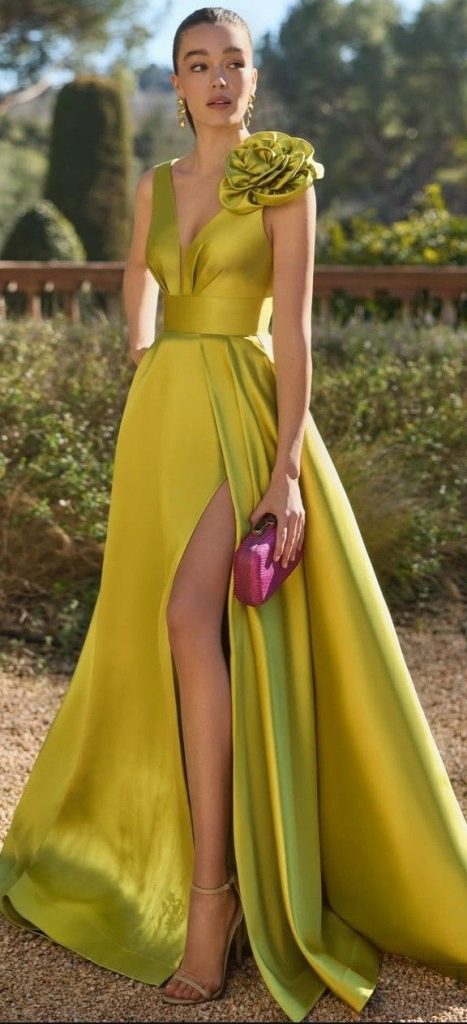
The most elegant woman in any room is the one who feels comfortable in her own skin. Rather than fixating on "flattering" as a set of rigid rules, focus on what makes you feel confident.
If you prefer to define your waist: Wrap dresses, belted silhouettes, and fitted bodices with flowing skirts offer definition without restriction.
If you prefer to balance proportions: A-line skirts, off-the-shoulder necklines, and structured shoulders create visual balance.
If you prefer coverage: Elegant sleeves, higher necklines, and midi lengths offer sophistication without sacrificing style.
If you prefer to show skin: Thoughtful cutouts, one-shoulder designs, and tasteful side slits allow for skin without revealing too much.
The key is intention. A dress that shows skin because it's designed that way—with purpose and balance—reads as elegant. A dress that shows skin because it's simply too small or poorly constructed reads as unintentional.
Shopping on a Budget Without Sacrificing Style
Looking elegant doesn't require a four-figure budget. Here are strategies for finding wedding guest outfits that look luxurious without the luxury price tag:
Rent the Runway or Similar Services: Renting allows you to wear designer pieces for a fraction of the retail cost. This is especially practical for black-tie events where you may not wear the gown again.
Shop Off-Season: Purchase winter wedding guest dresses during summer clearance, and spring styles during winter sales.
Invest in Versatile Pieces: A well-made midi dress in a neutral color can be styled differently for multiple weddings with accessories.
Consider Consignment and Resale: Platforms like The RealReal, Poshmark, and Vestiaire Collective offer high-quality pieces at significant discounts.
Focus on Fabric: A simple dress in silk or crepe reads more expensive than a heavily embellished dress in low-quality polyester.
Final Thoughts
Attending a wedding after 30 is an opportunity to celebrate love while expressing your evolved sense of style. The perfect outfit is one that allows you to feel confident, comfortable, and fully present for the couple's special day. Whether you choose a sweeping gown, a tailored jumpsuit, or chic separates, the key is intention—choosing pieces that honor the dress code, suit your personal style, and make you feel like the best version of yourself.
Remember: weddings are about joy, connection, and celebration. When you feel comfortable and confident in what you're wearing, you're free to focus on what truly matters—toasting the happy couple, catching up with loved ones, and dancing the night away.
What's your go-to wedding guest outfit? Share your tips and favorites in the comments below.