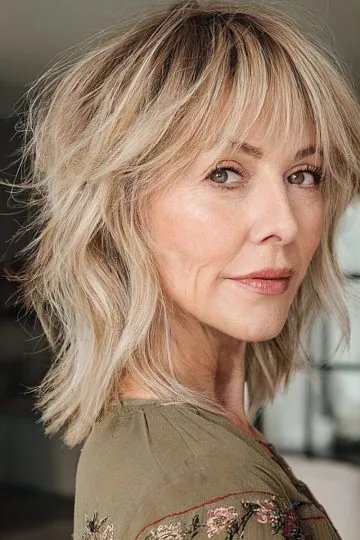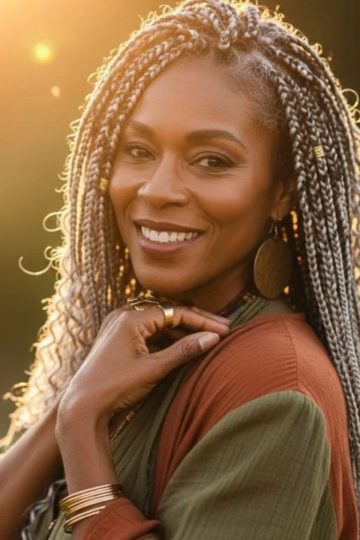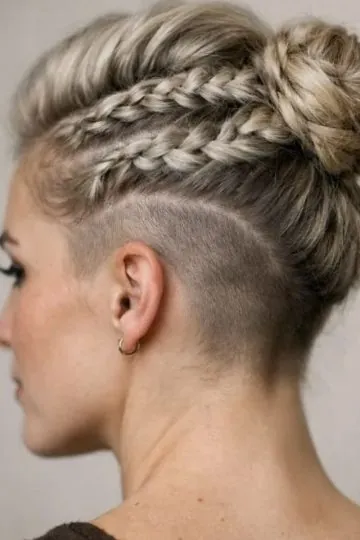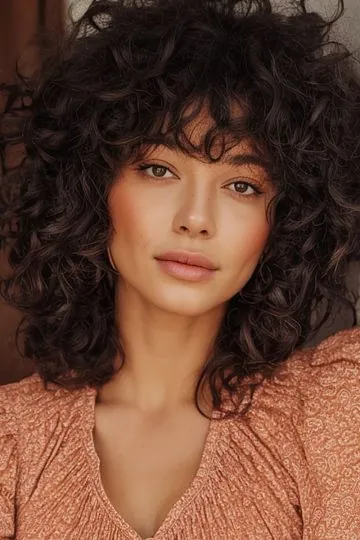
If you've spent years watching your ponytail shrink and your part widen, you know the frustration of styling thin, fine hair. For women over 50, changes in hair density, texture, and growth patterns are completely normal—but that doesn't mean you have to settle for limp, flat styles that age you before your time. The right hairstyles for thin, fine hair for women over 50 can create the illusion of fullness, add movement, and frame your face in a way that feels fresh, confident, and utterly modern. Below, you'll find 20 designs specifically chosen to work with your hair's natural limitations—not against them.
What Makes a Hairstyle Work for Thin, Fine Hair?
Before we dive into specific cuts, let's talk strategy. Fine hair refers to the diameter of each individual strand. Thin hair refers to the number of strands on your head. You can have one or both.
The best hairstyles for thin, fine hair share five characteristics:
- Blunt or softly textured ends – Wispy, fairy-tale ends make thin hair look thinner.
- Strategic layering – Too many layers remove weight and volume. Too few layers leave hair flat. The sweet spot exists.
- Off-center or deep side parts – A middle part exposes the scalp. A side part creates instant lift.
- Length at or above the shoulders – Long hair pulls down on fine strands, emphasizing thinness.
- Root volume techniques – The cut must allow for styling that lifts hair away from the scalp.
Now, let's get to the 20 designs.
Short Hairstyles for Thin, Fine Hair (Above the Chin)
Short cuts are often the most flattering for thin, fine hair because they remove weight that causes flatness.
1. The Classic Pixie Cut
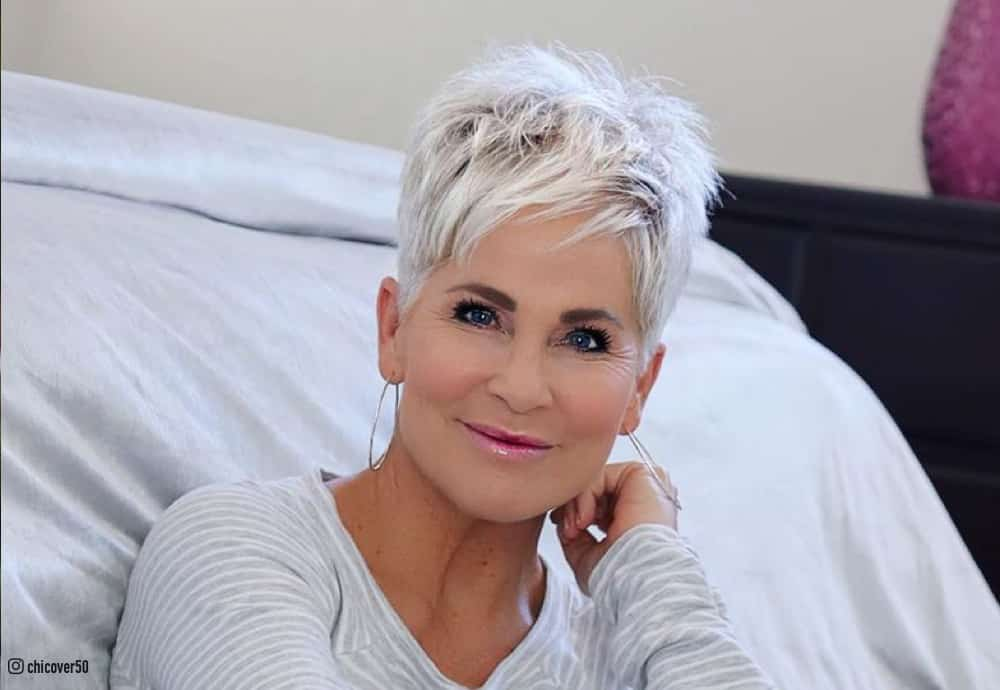
A timeless pixie features shorter sides and back with slightly longer length on top. The contrast creates the illusion of density.
Why it works for thin hair: With less length to weigh hair down, the top can be styled with volume using a small round brush and a dab of mousse.
Best face shapes: Oval, heart, and square.
Styling time: 5 minutes.
2. The Textured Pixie with Piece-y Bangs
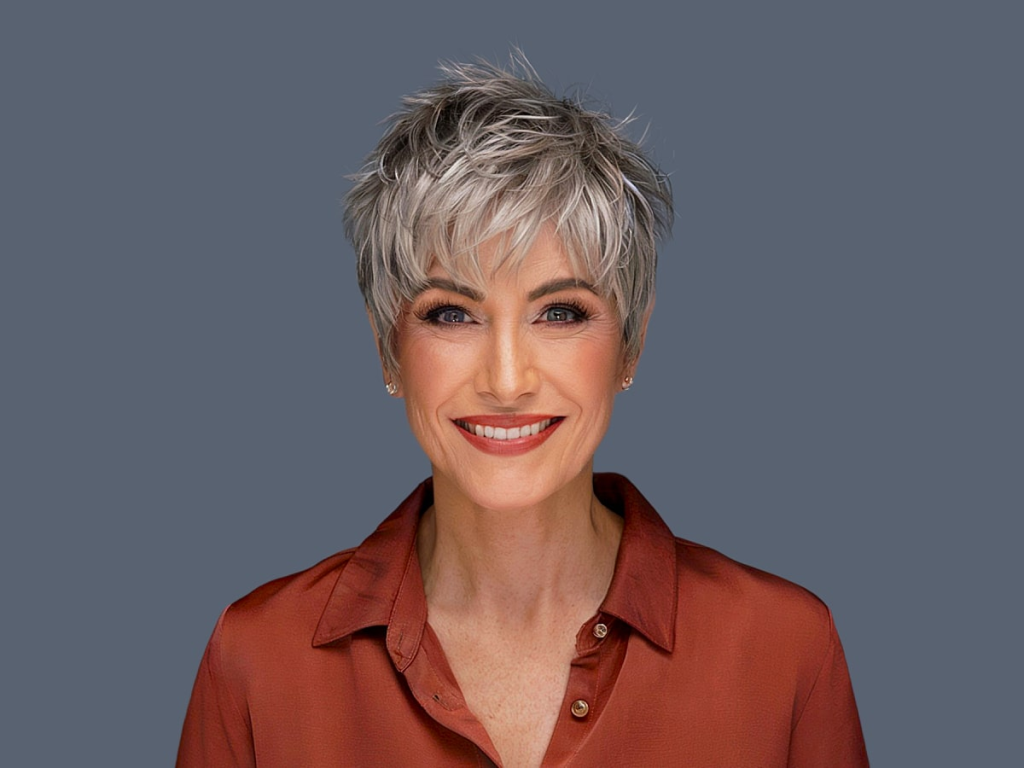
This variation adds choppy, uneven layers throughout the top and front. Bangs are cut to graze the eyebrows but remain separated rather than blunt.
Why it works for thin hair: The texture creates visual density. Individual pieces of hair reflect light differently, making the hair look fuller.
Best face shapes: Round and oblong.
Styling time: 3 minutes with a bit of texturizing paste.
3. The Layered Crop
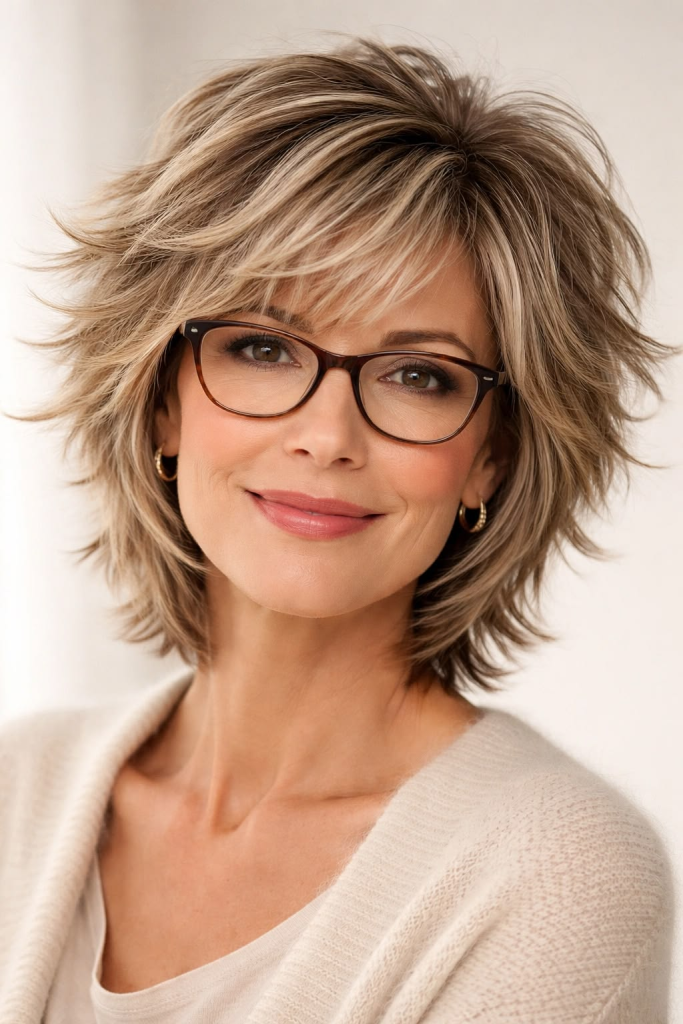
Slightly longer than a traditional pixie, the layered crop sits just above the ears with soft layers throughout. The back is tapered but not shaved.
Why it works for thin hair: The extra length on top can be swept to the side for volume. The tapered back keeps the silhouette clean.
Best face shapes: All, especially heart and diamond.
Styling time: 4 minutes.
4. The Side-Swept Pixie
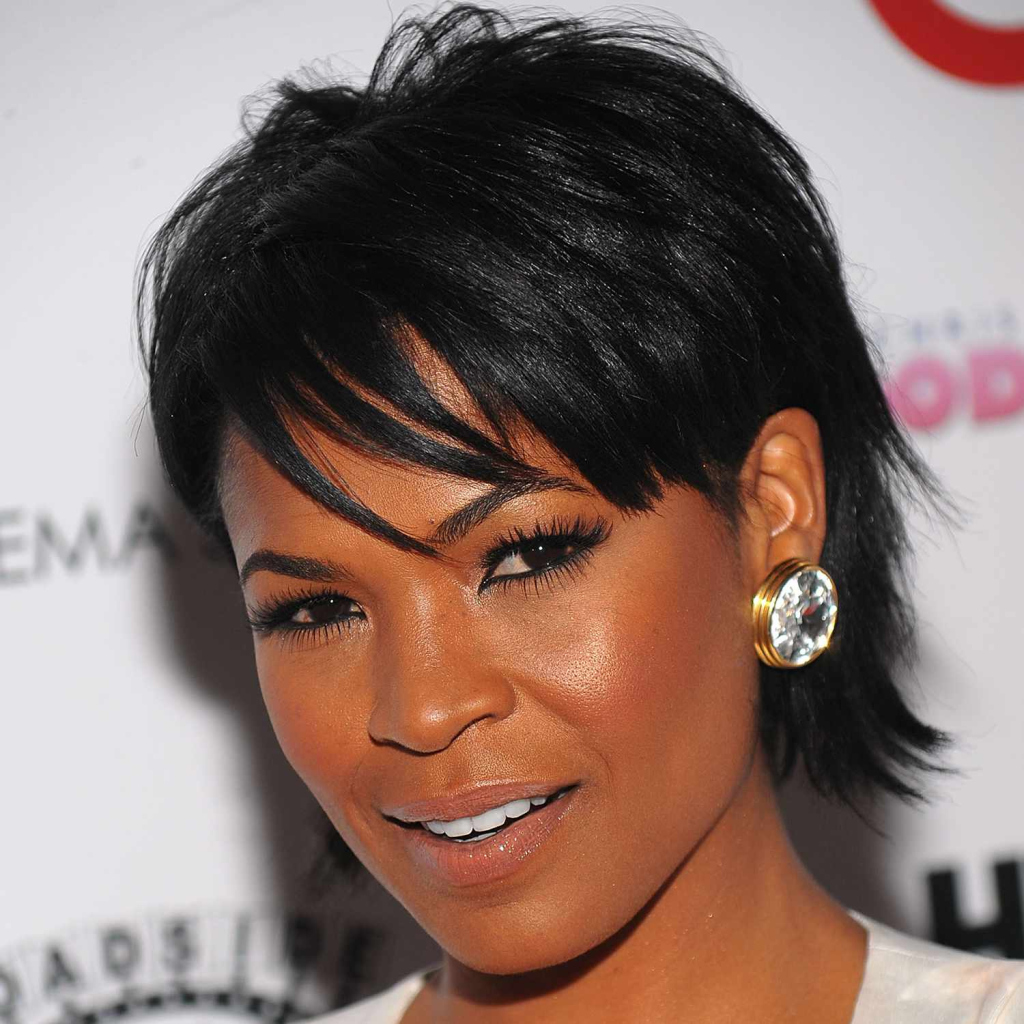
A pixie cut where the top length is swept dramatically to one side, often covering part of the forehead. The opposite side is cut shorter.
Why it works for thin hair: The deep side part creates immediate lift at the root. The swept-over length adds the appearance of fullness on top.
Best face shapes: Round and square (the diagonal line elongates).
Styling time: 3 minutes with a round brush.
5. The Short Shag
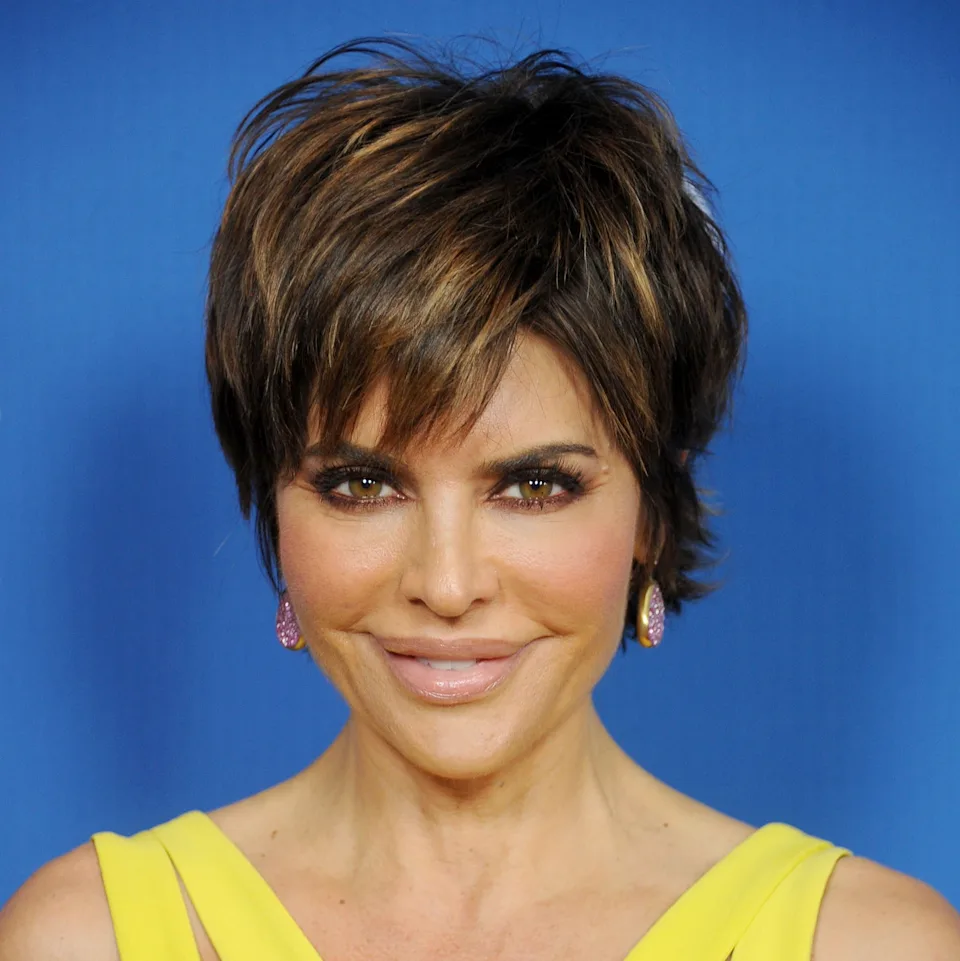
A short shag features choppy layers throughout, often with wispy, textured bangs. The overall shape is rounded rather than severe.
Why it works for thin hair: Shag layers create movement and the illusion of multiple textures. Even fine hair looks denser when it moves.
Best face shapes: Oval and oblong.
Styling time: 5 minutes with a sea salt spray and scrunching.
Medium Hairstyles for Thin, Fine Hair (Chin to Shoulder Length)
Medium length offers more styling versatility while still keeping weight manageable.
6. The Chin-Length Blunt Bob
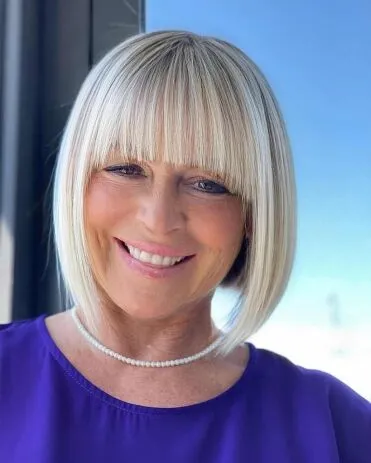
A precise, one-length bob that hits exactly at the chin. No layers. No texturizing. Just a clean, sharp line.
Why it works for thin hair: Counterintuitively, blunt ends make fine hair look thicker. The single line of sight creates density where wispy ends would reveal thinness.
Best face shapes: Oval, square, and heart.
Styling time: 5 minutes with a flat iron for a slight bend at the ends.
7. The Inverted Bob (A-Line)
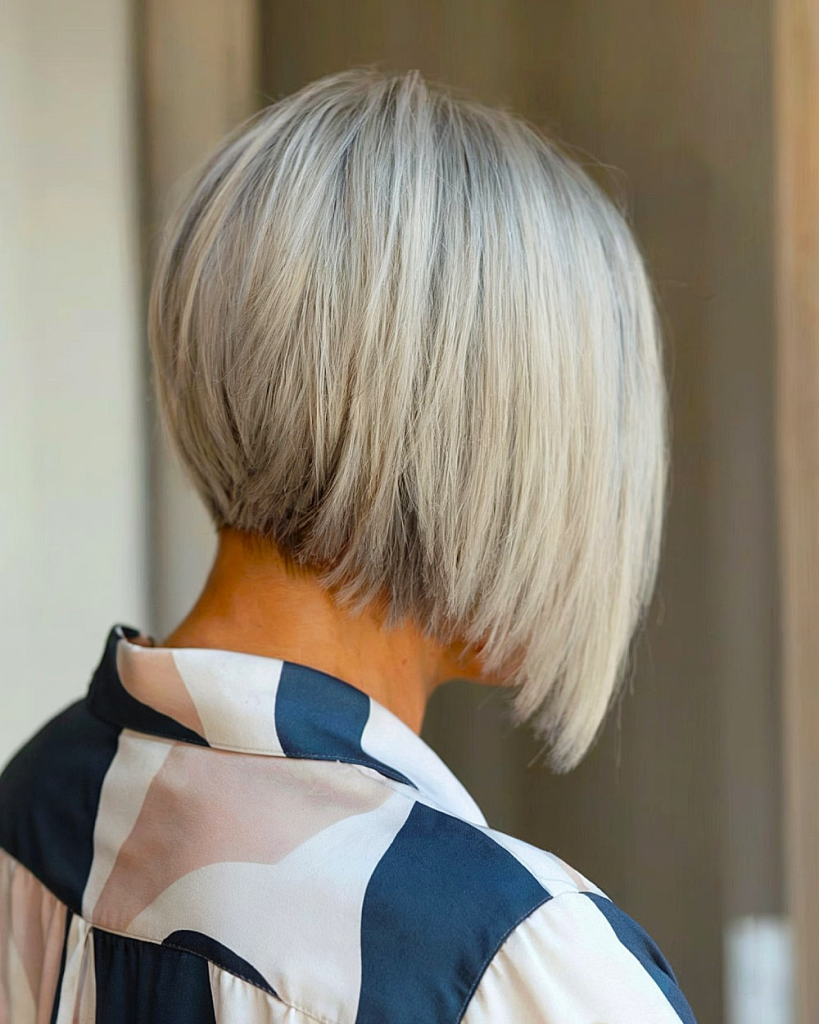
Shorter in the back (nape of neck) and longer in the front (chin to collarbone). The angle is gradual, not drastic.
Why it works for thin hair: The stacked layers in the back create volume at the crown. The longer front pieces frame the face and add movement.
Best face shapes: Round and square (the angle slims).
Styling time: 6 minutes with a round brush focusing on the back.
8. The Layered Bob with Deep Side Part
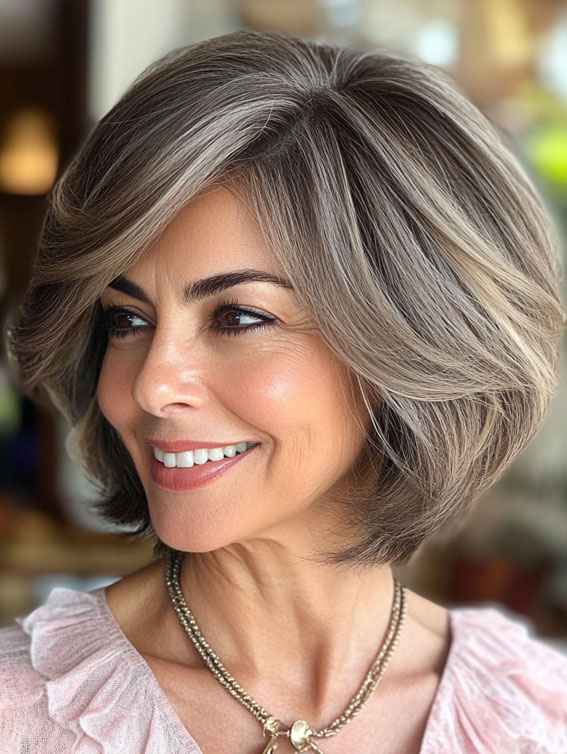
A chin-to-collarbone bob with soft, internal layers and a deep side part that sends most of the hair to one side.
Why it works for thin hair: The deep side part lifts hair off the scalp immediately. The internal layers (cut close to the head) remove weight without removing visible density.
Best face shapes: All.
Styling time: 5 minutes.
9. The Textured Lob (Long Bob)
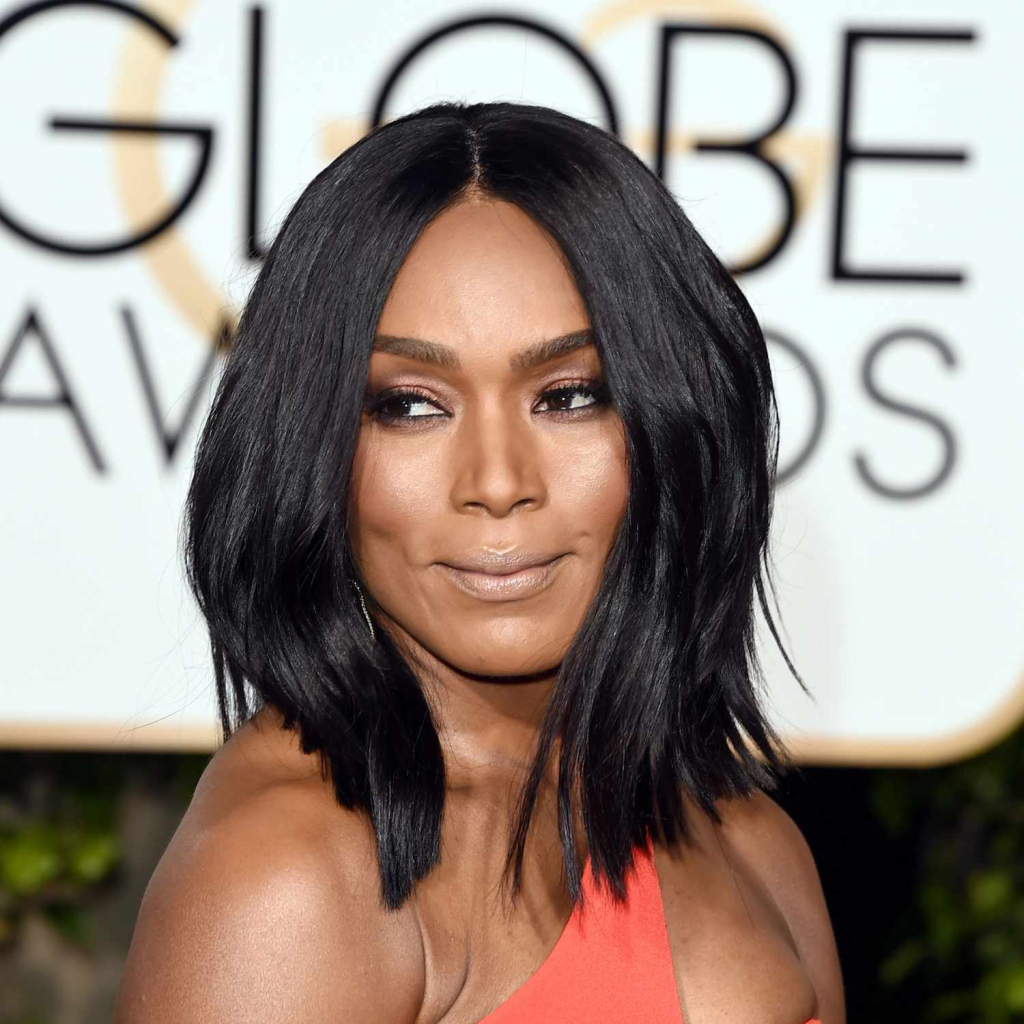
A lob falls between the chin and collarbone. This version adds light, piece-y texture throughout the ends.
Why it works for thin hair: The length is short enough to avoid pulling flat but long enough to tuck behind ears. Texture at the ends creates the illusion of thickness.
Best face shapes: Oval and heart.
Styling time: 4 minutes with a texturizing spray and air drying.
10. The Curtain Bangs Bob
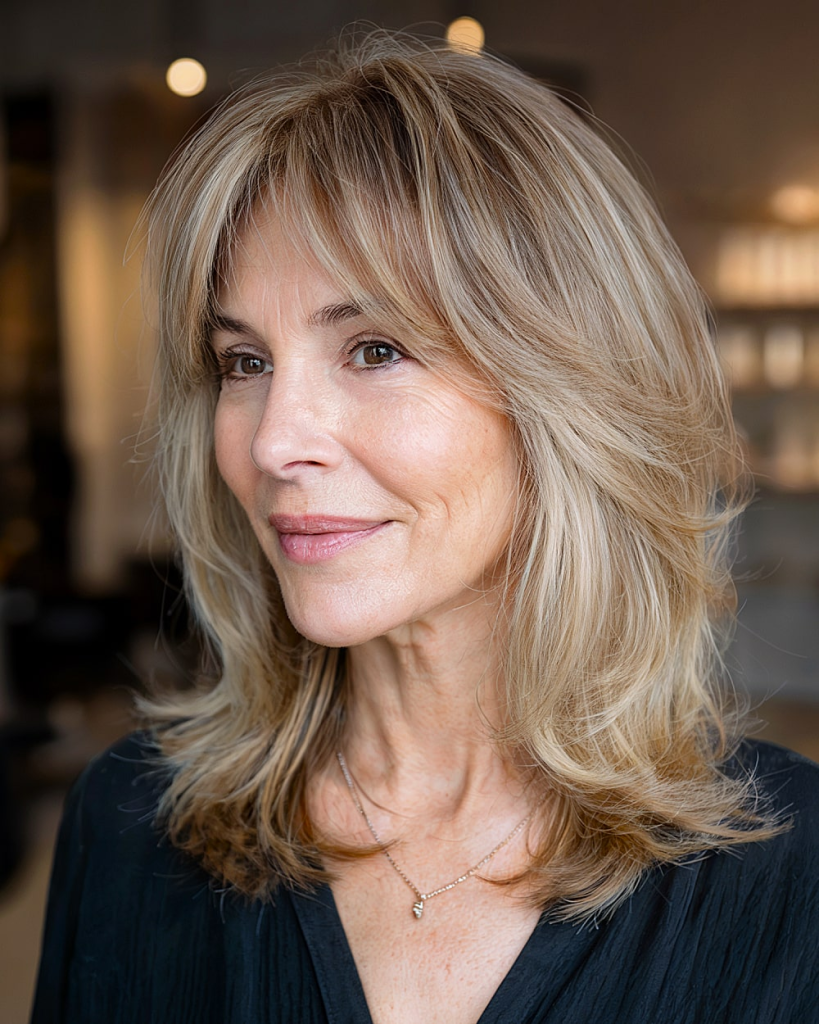
A chin-length bob paired with curtain bangs—longer bangs that part in the middle and sweep to each side like curtains.
Why it works for thin hair: Curtain bangs add fullness around the face without sacrificing length. They also disguise a thinning hairline.
Best face shapes: Round, square, and oblong.
Styling time: 6 minutes (bangs require a round brush).
11. The Soft Wave Bob
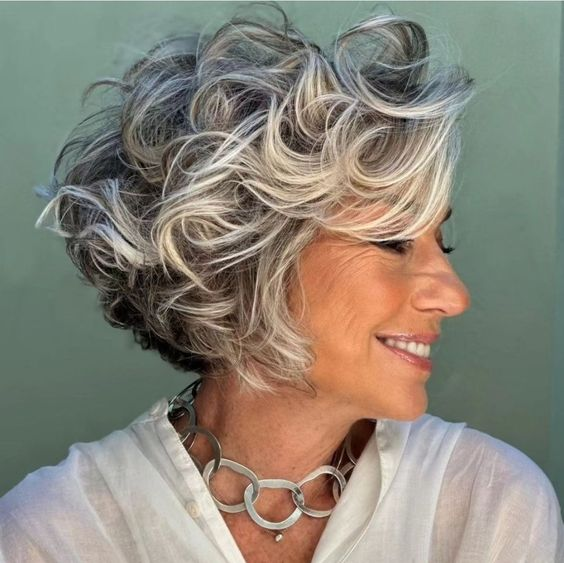
A blunt or lightly layered bob styled with loose, soft waves using a large-barrel curling iron or waver.
Why it works for thin hair: Waves create space between strands, making hair look significantly fuller. The wave pattern also camouflages any scalp visibility.
Best face shapes: All.
Styling time: 10 minutes (waves are worth the extra effort).
12. The Asymmetrical Bob
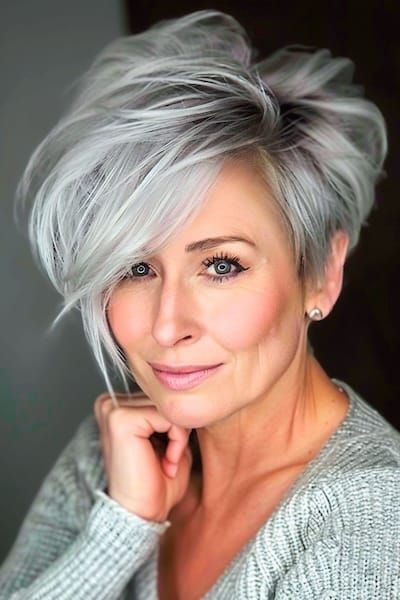
One side is cut slightly shorter than the other (by about one inch). The line is clean and intentional.
Why it works for thin hair: Asymmetry draws the eye and creates visual interest. The uneven weight distribution prevents hair from lying flat on both sides.
Best face shapes: Oval and heart.
Styling time: 5 minutes.
13. The French Bob
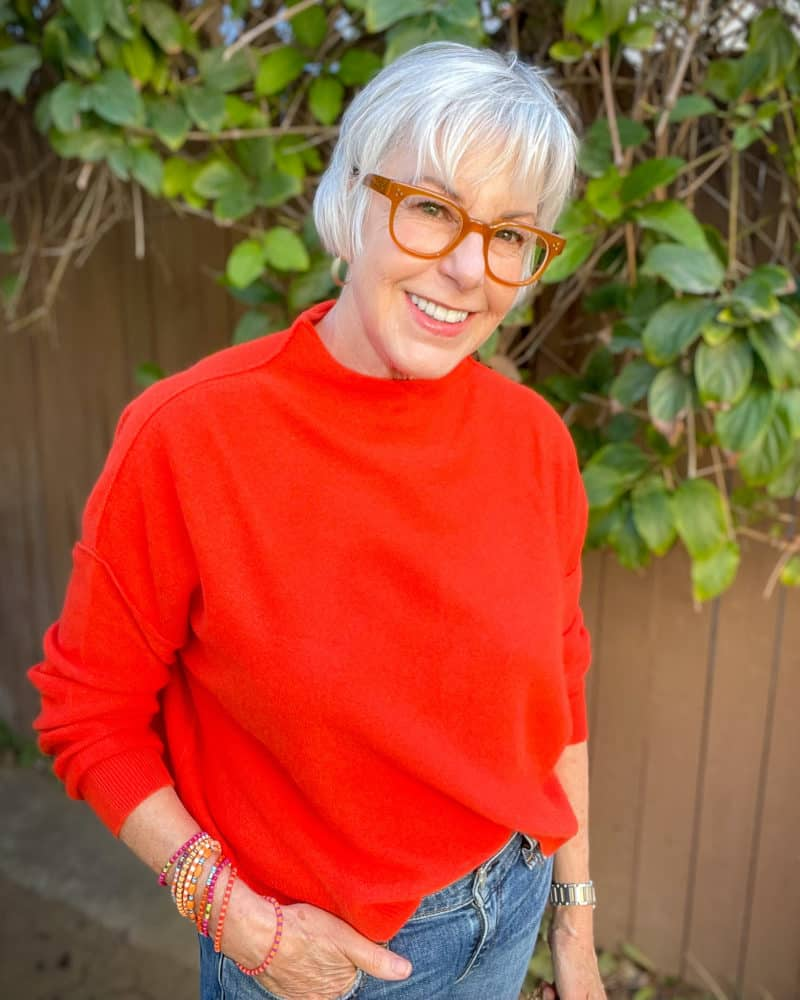
A chin-length or shorter bob with blunt bangs that hit just above the eyebrows. The overall shape is rounded and compact.
Why it works for thin hair: The blunt bang adds density across the forehead. The short length keeps fine hair from looking stringy.
Best face shapes: Oval and heart (avoid if you have a very round face).
Styling time: 5 minutes.
14. The Wispy Layered Cut
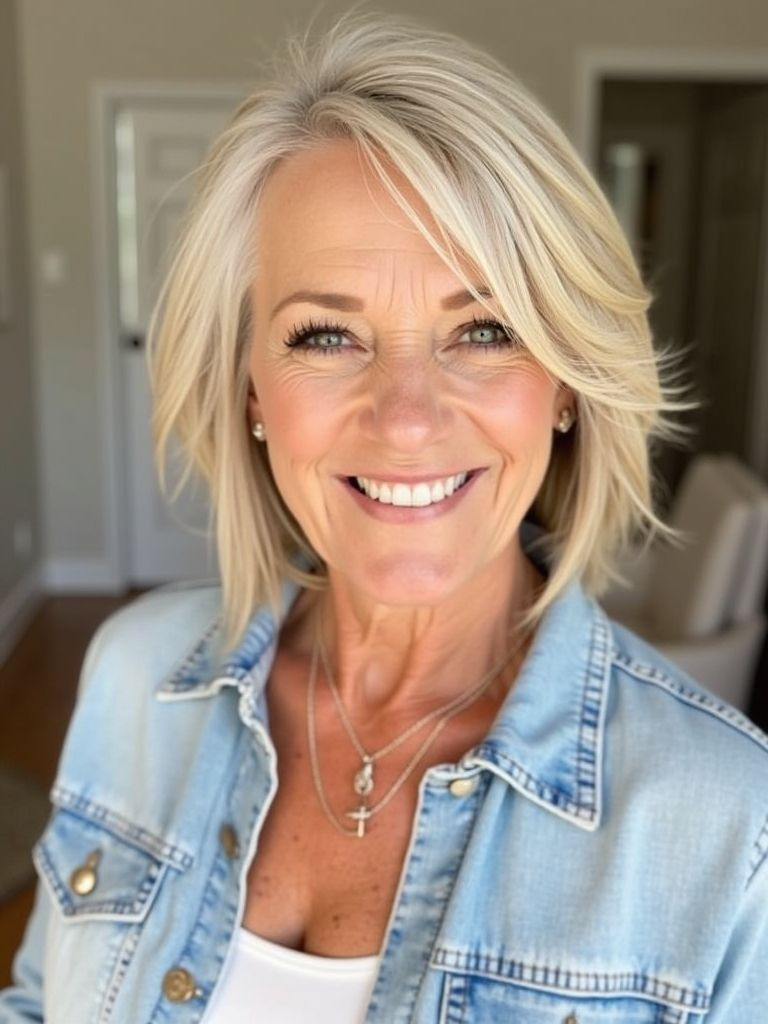
A medium-length cut with very fine, delicate layers throughout. The ends are soft and slightly feathered.
Why it works for thin hair: This is the exception to the "blunt ends" rule. Wispy layers work only when hair is already fine and the layers are cut with precision. The movement tricks the eye.
Best face shapes: Oval and oblong.
Styling time: 4 minutes with a round brush.
Longer Hairstyles for Thin, Fine Hair (Below Shoulder)
Long hair is possible with thin, fine strands—but you need the right cut and commitment to styling.
15. The Long Layered Cut with Face-Framing Pieces
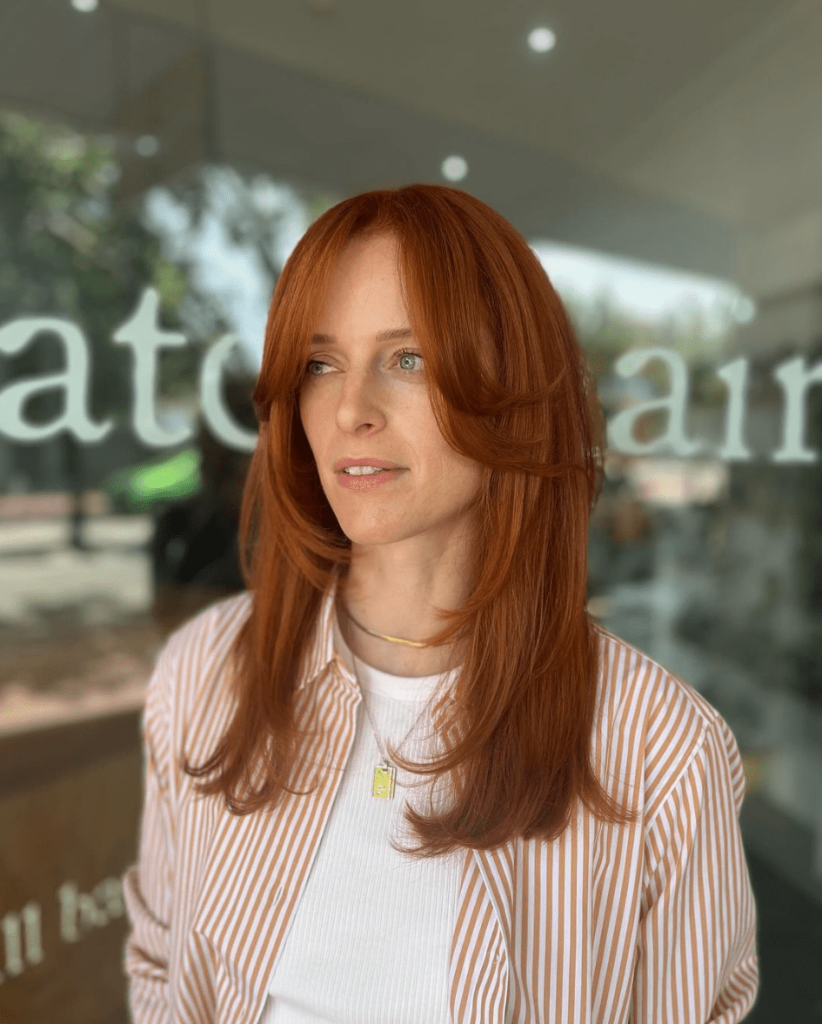
Hair falls below the shoulders with long, gentle layers throughout. The shortest layers hit at the chin and cheekbones.
Why it works for thin hair: Face-framing layers add volume around the face where it matters most. The length below the shoulders should be kept very thin so it doesn't pull weight from the top.
Best face shapes: Oval, heart, and oblong.
Styling time: 8 minutes with hot rollers or a large round brush.
16. The Long Shag

A modern shag cut with layers throughout, often paired with curtain bangs. The silhouette is rounded and soft.
Why it works for thin hair: The shag's many layers create the illusion of density through movement. Even fine hair looks full when it's moving in multiple directions.
Best face shapes: All.
Styling time: 7 minutes with texturizing spray and air drying.
17. The Blunt Long Bob (Lob) with No Layers
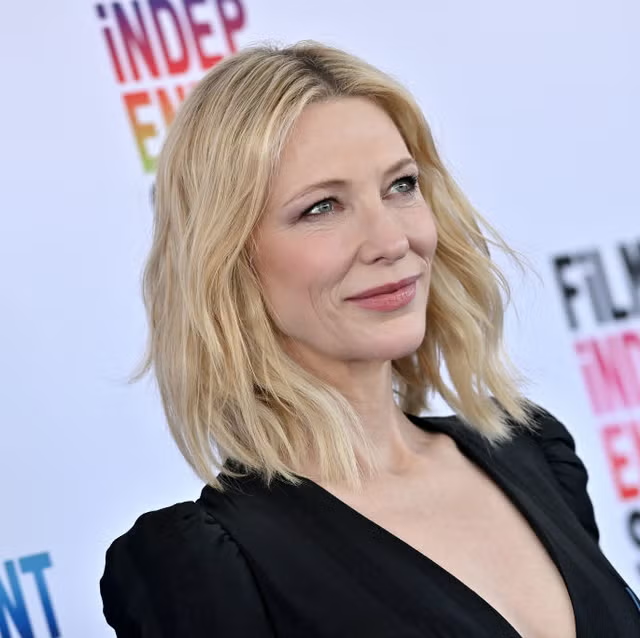
A collarbone-length cut cut perfectly straight across with no layers whatsoever. The line is sharp and intentional.
Why it works for thin hair: The blunt line creates a solid wall of color that reads as density. This is the best long option for very thin hair.
Best face shapes: Oval and heart.
Styling time: 5 minutes with a flat iron for smoothness.
Styling Tips and Tricks for Thin, Fine Hair
The right cut is only half the battle. These techniques will maximize every style above.
18. The Volumizing Root Lift (Technique, Not a Cut)
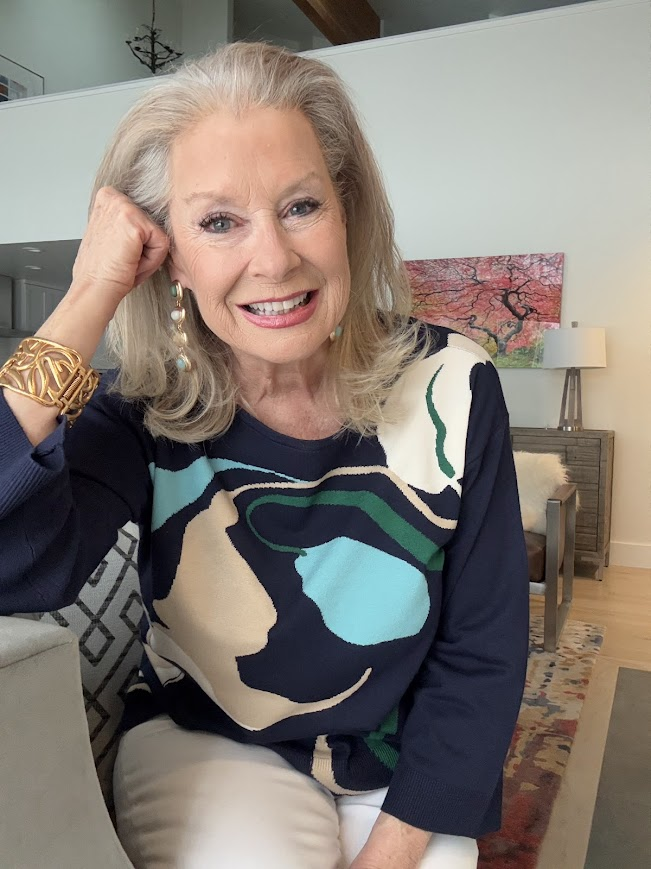
After washing, flip your head upside down and blow-dry the roots first. Use a small round brush to lift each section away from the scalp. Finish with a cool shot of air to lock the lift in place.
Why it works: Volume at the root lifts the entire length of hair, making everything look fuller.
19. The Dry Shampoo Boost (Technique, Not a Cut)
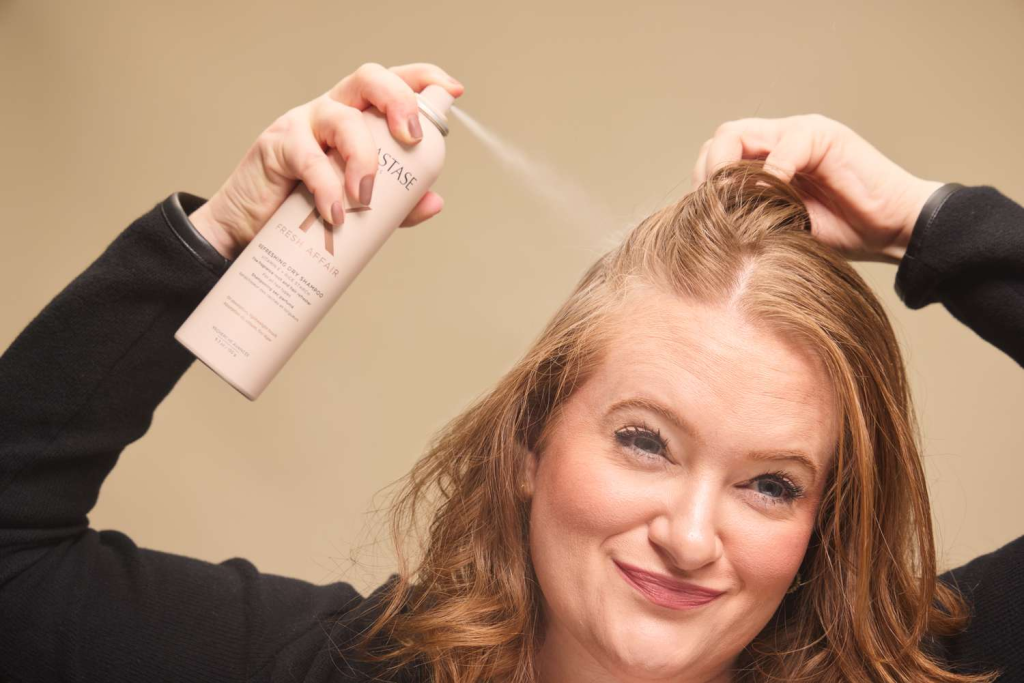
Apply dry shampoo to your roots before your hair gets oily. The powder adds grip and texture, which creates lift. Second-day hair with dry shampoo often has more volume than freshly washed hair.
Why it works: Clean hair is slippery and falls flat. Slightly textured hair holds shape.
20. The Strategic Part Change (Technique, Not a Cut)
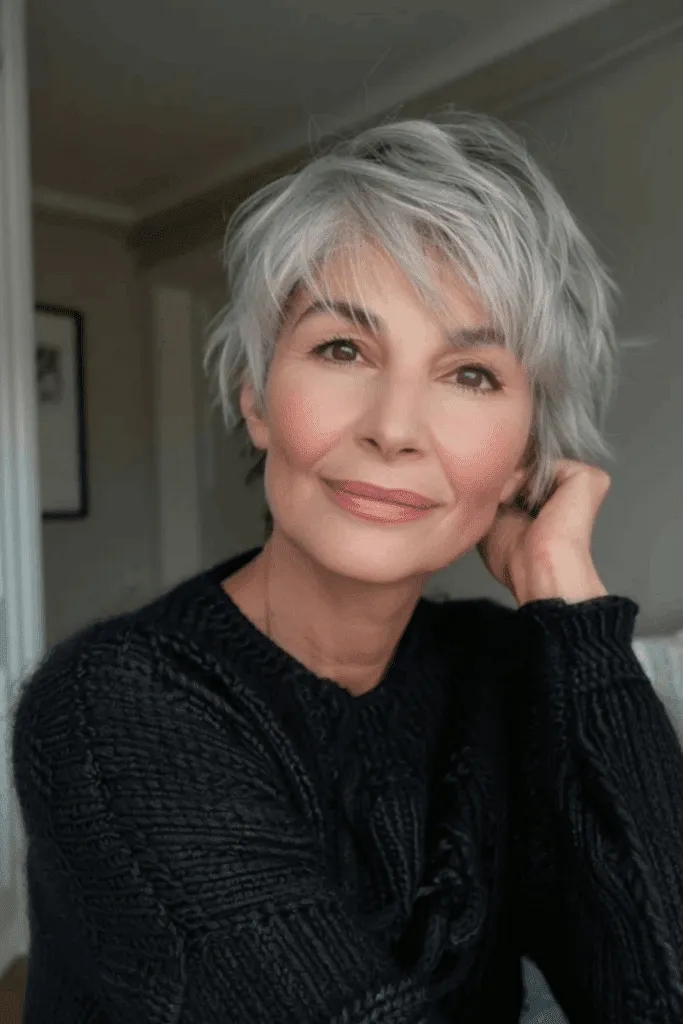
If you've worn your part on the left for years, switch it to the right. The hair will immediately stand up at the new part line, creating instant volume.
Why it works: Hair develops "memory" from lying in the same direction. A new part confuses the hair into standing up temporarily.
What to Avoid with Thin, Fine Hair
Avoid over-layering. Too many layers remove weight and make fine hair look wispy and sparse.
Avoid one-length long hair. Long, uncut hair pulls down on fine strands, emphasizing every thin spot.
Avoid heavy products. Butters, oils, and thick creams weigh hair down. Stick with mousse, texturizing spray, and lightweight dry shampoo.
Avoid over-washing. Washing strips natural oils that give fine hair texture. Aim for every other day or every two days.
Avoid very dark, single-process color. Dark colors against a light scalp create maximum contrast, making thinning obvious. Add highlights or opt for a shade closer to your scalp tone.
Product Recommendations for Thin, Fine Hair
| Product Type | What to Look For | What to Avoid |
|---|---|---|
| Shampoo | Volumizing, sulfate-free | "Moisturizing" or "Smoothing" |
| Conditioner | Apply only to ends | Heavy butters, oils |
| Mousse | Lightweight, thermal protectant | Thick creams |
| Dry shampoo | Tinted (if your hair is dark) | Clear sprays that leave residue |
| Texturizing spray | Sea salt or rice protein | Oils |
Talking to Your Stylist
When you book your appointment, use these exact phrases:
- "I have fine, thin hair and want a cut that creates the illusion of density."
- "Please keep the ends blunt or softly textured—not wispy."
- "I want volume at the crown. What layering technique do you recommend?"
- "Show me how to style this at home before I leave."
A good stylist will listen. A great stylist will teach you.
Final Thoughts
Hairstyles for thin, fine hair for women over 50 are not about hiding or pretending. They are about working with what you have to create a look that feels like you—just a more polished, voluminous version. Whether you choose a classic pixie, a blunt bob, or a long shag, the right cut will frame your face, add movement, and make you feel confident every time you pass a mirror.
Your hair does not define your age. Your confidence does. And confidence looks good on everyone.
Which of these 20 hairstyles are you most excited to try? Share in the comments below.