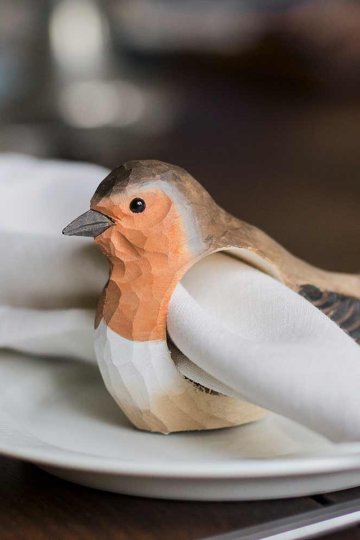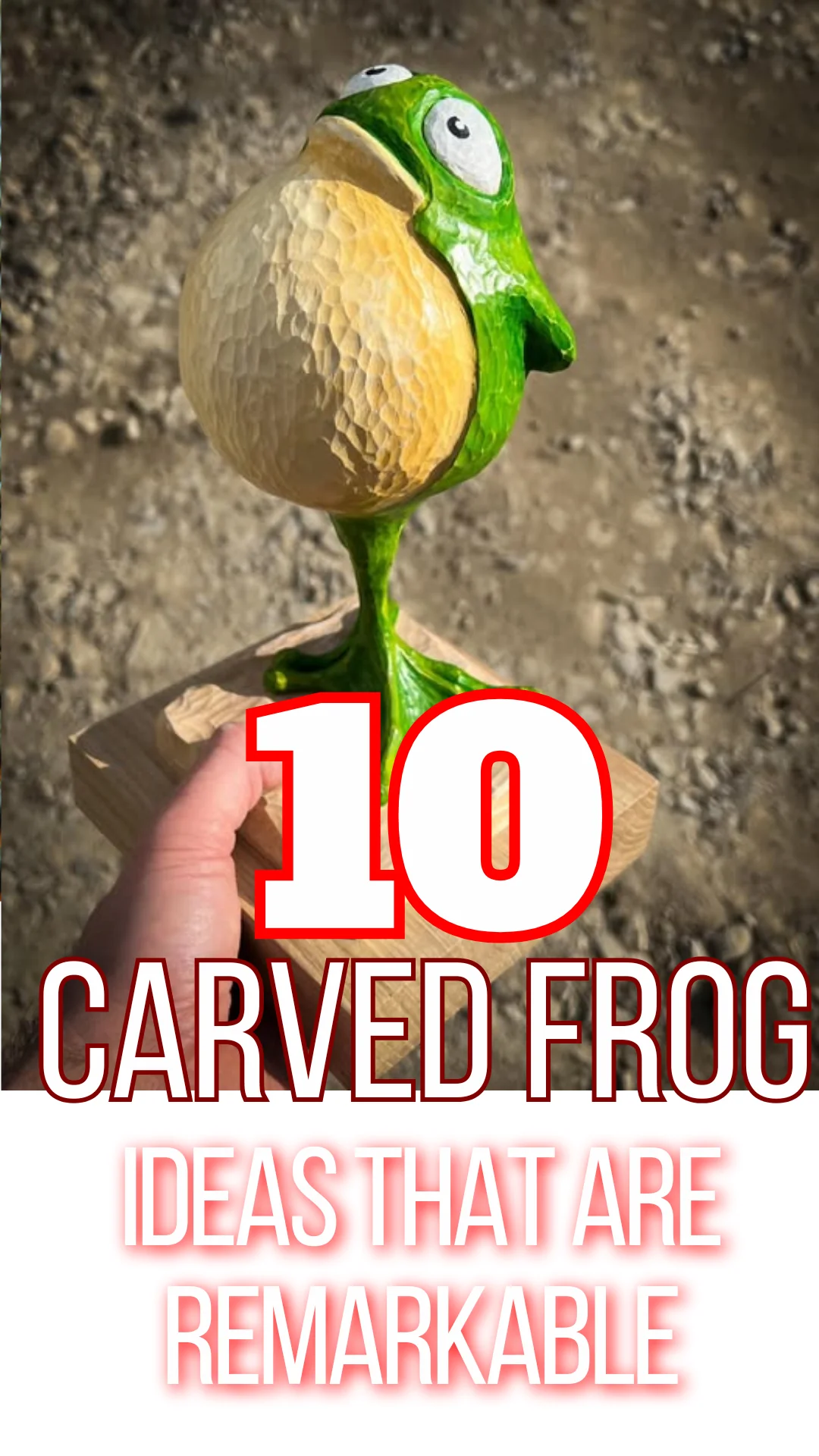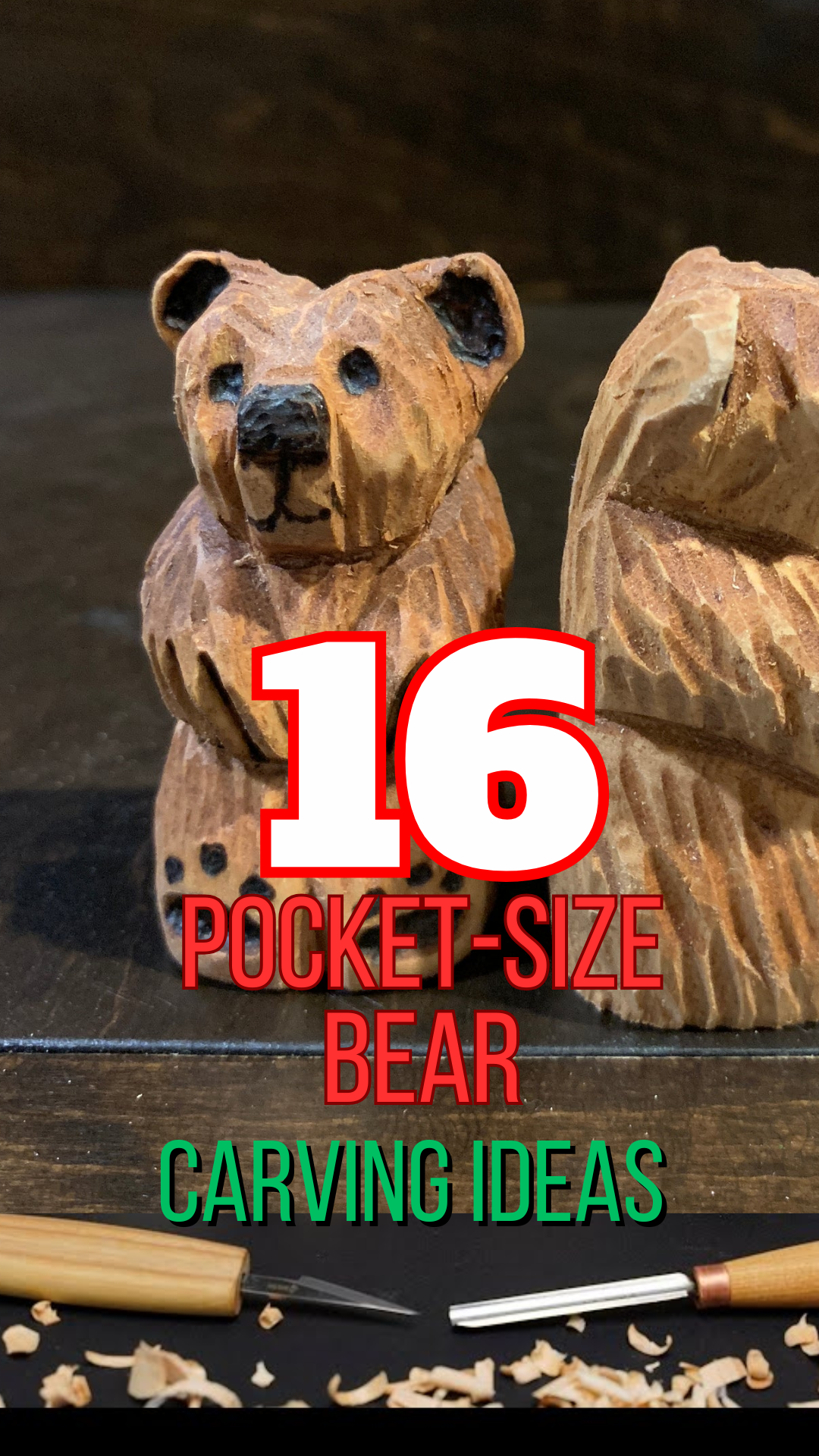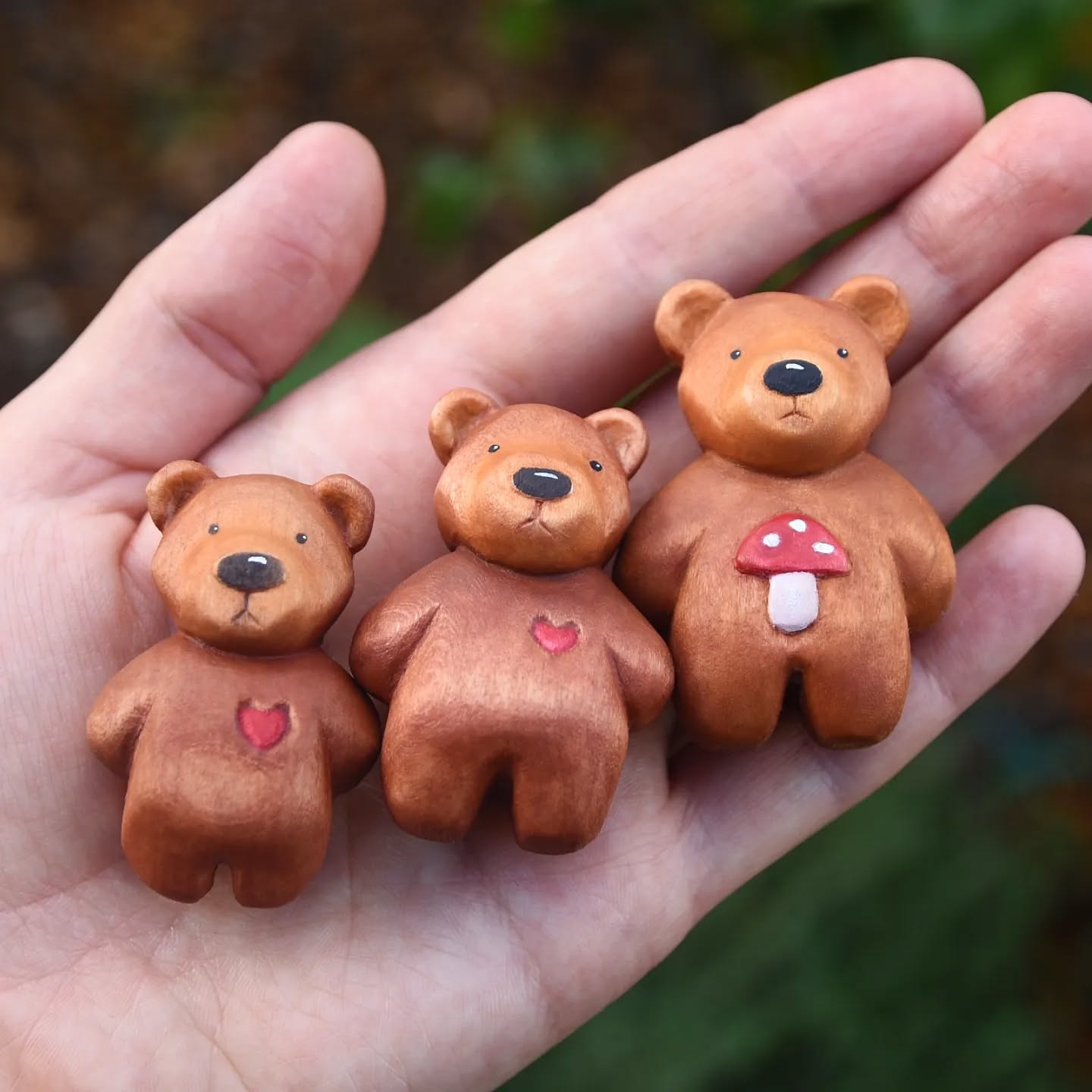
There is a common misconception that whittling requires an extensive collection of tools, dozens of specialized knives, and a workshop full of equipment. This belief stops countless people from ever picking up a piece of wood and experiencing the joy of carving. The reality could not be more different. Some of the most beautiful and satisfying whittling projects can be completed with just one sharp knife, a block of wood, and a quiet space to work.
The appeal of whittling projects for beginners with one knife is profound. It strips the craft down to its essence, focusing on the relationship between the carver, the blade, and the wood. Without the distraction of complex tools, you learn to understand the grain, to feel the resistance of the wood, and to develop a connection with your knife that makes every cut intentional and precise. This minimalist approach is not a limitation but a liberation, allowing you to build fundamental skills that will serve you well no matter how advanced your carving becomes.
In this guide, we will explore a variety of whittling projects that you can complete using only a single knife. We will focus on projects that have been specifically selected because they do not require any special tools like gouges, hook knives, or chisels. Every piece in this guide can be carved from start to finish with just one sharp blade. We will also cover the essential techniques you need to know, how to choose the right knife and wood, and safety practices that will keep you carving happily for years to come.
12 Whittling Projects You Can Make with One Knife
Here are twelve whittling projects that require only a single knife. Each project has been chosen for its simplicity and the fundamental skills it teaches.
1. The Classic Wooden Whistle
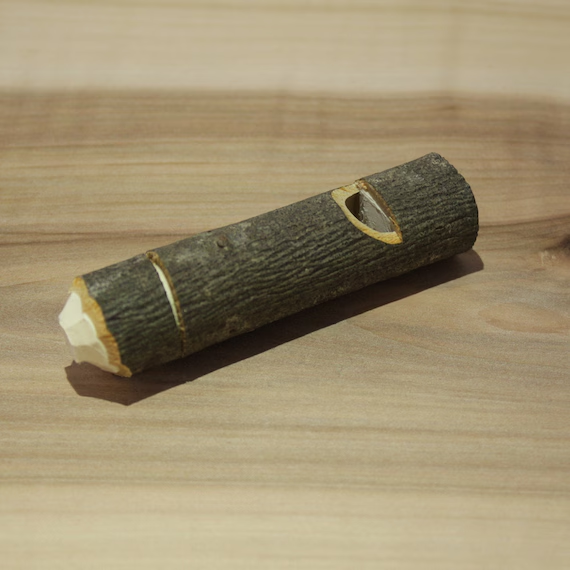
A wooden whistle is a fantastic beginner project that produces a functional result. Start with a piece of basswood about 4 inches long and 1 inch in diameter. Carve the wood into a cylindrical shape, then carefully split the top to create the whistle mechanism. This project teaches you to work precisely and to follow a specific sequence of cuts.
2. Simple Walking Stick
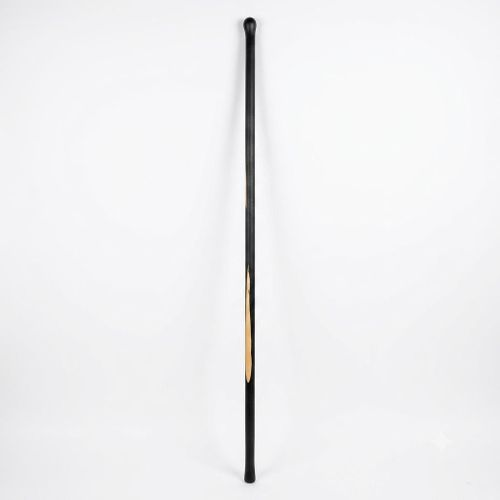
A walking stick is a larger project but still requires only a knife. Find a straight branch or piece of wood about 5 feet long and 1 to 2 inches thick. Remove the bark, smooth the surface, and carve a simple handle at the top. This project is excellent for practicing long, sweeping cuts and working with the natural shape of the wood.
3. Tent Pegs
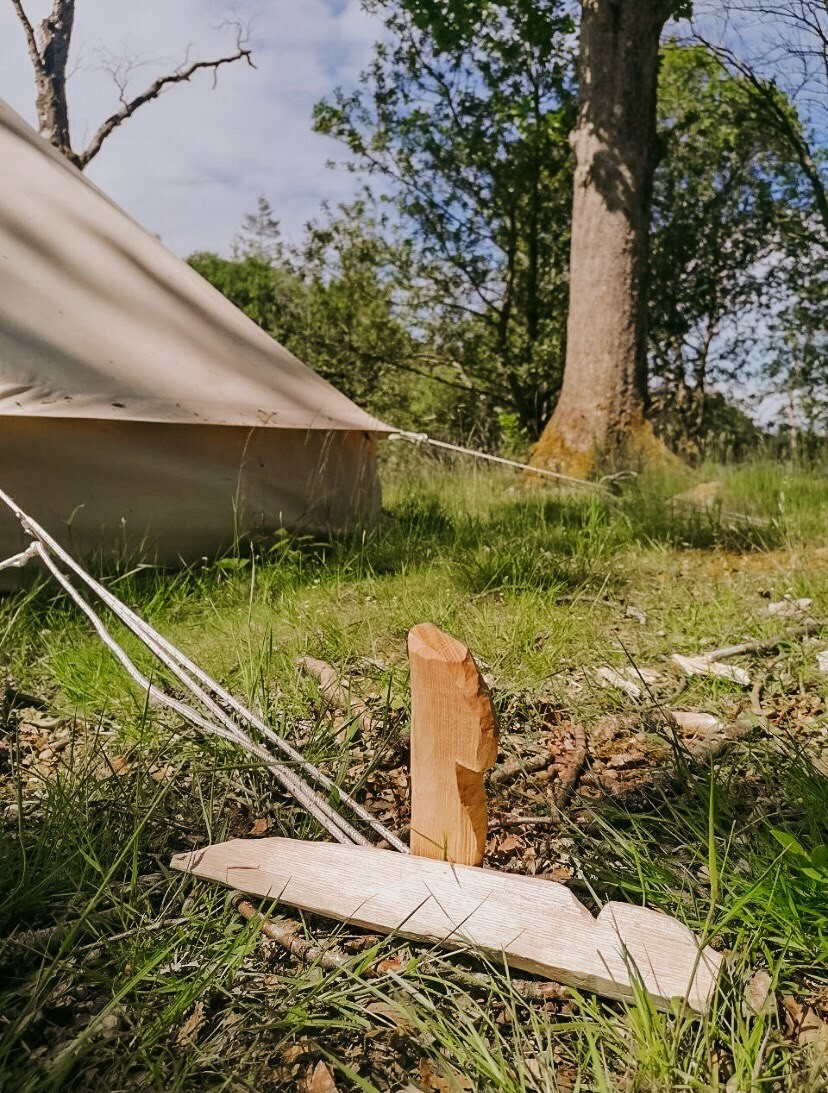
Tent pegs are practical items that are quick and easy to carve. Start with a piece of wood about 6 inches long and 1 inch thick. Carve one end to a point and carve a notch at the other end to hold the tent rope. This project teaches you to carve consistent shapes and to work efficiently.
4. Garden Labels
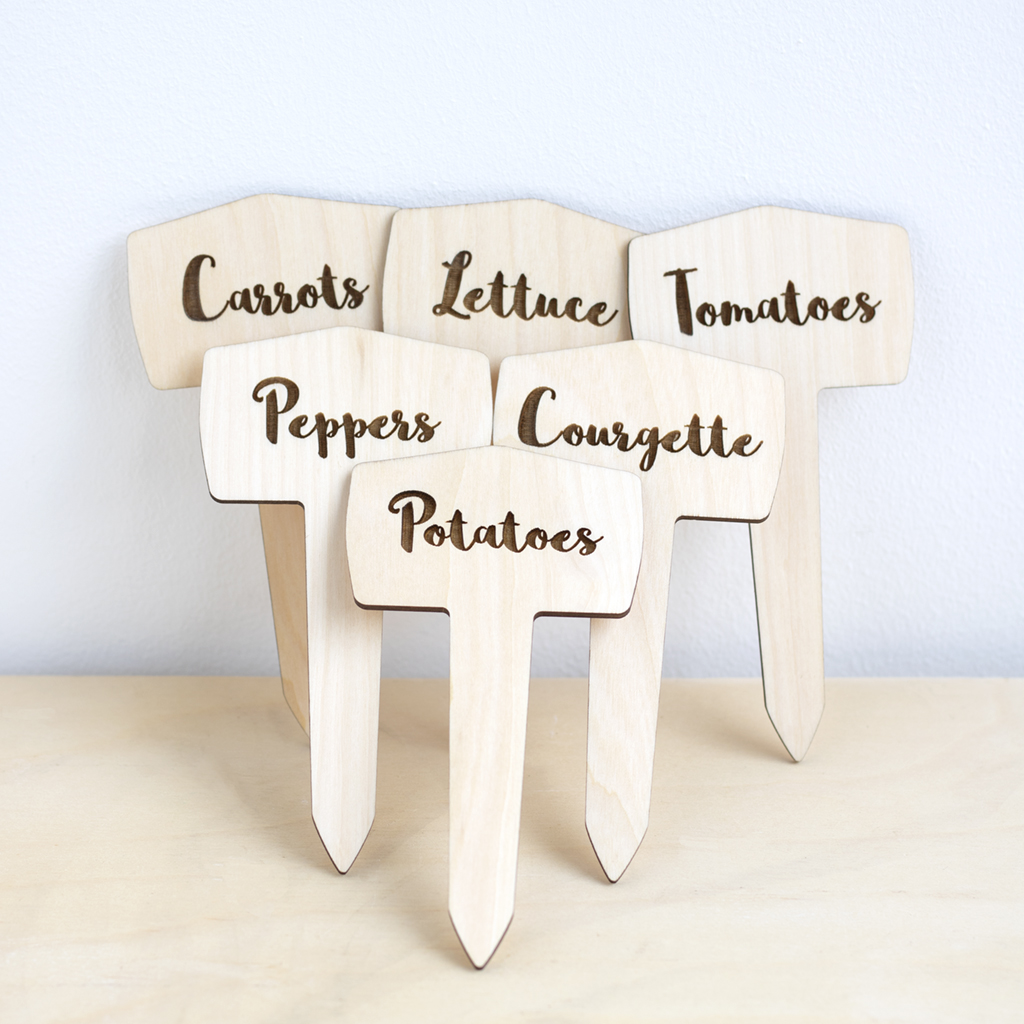
Wooden garden labels are useful and charming. Carve a flat paddle shape at one end and a pointed tip at the other. Write the plant name with a wood burner or simply leave it plain. This is a great project for practicing flat surface carving and straight cuts.
5. Simple Letter Opener
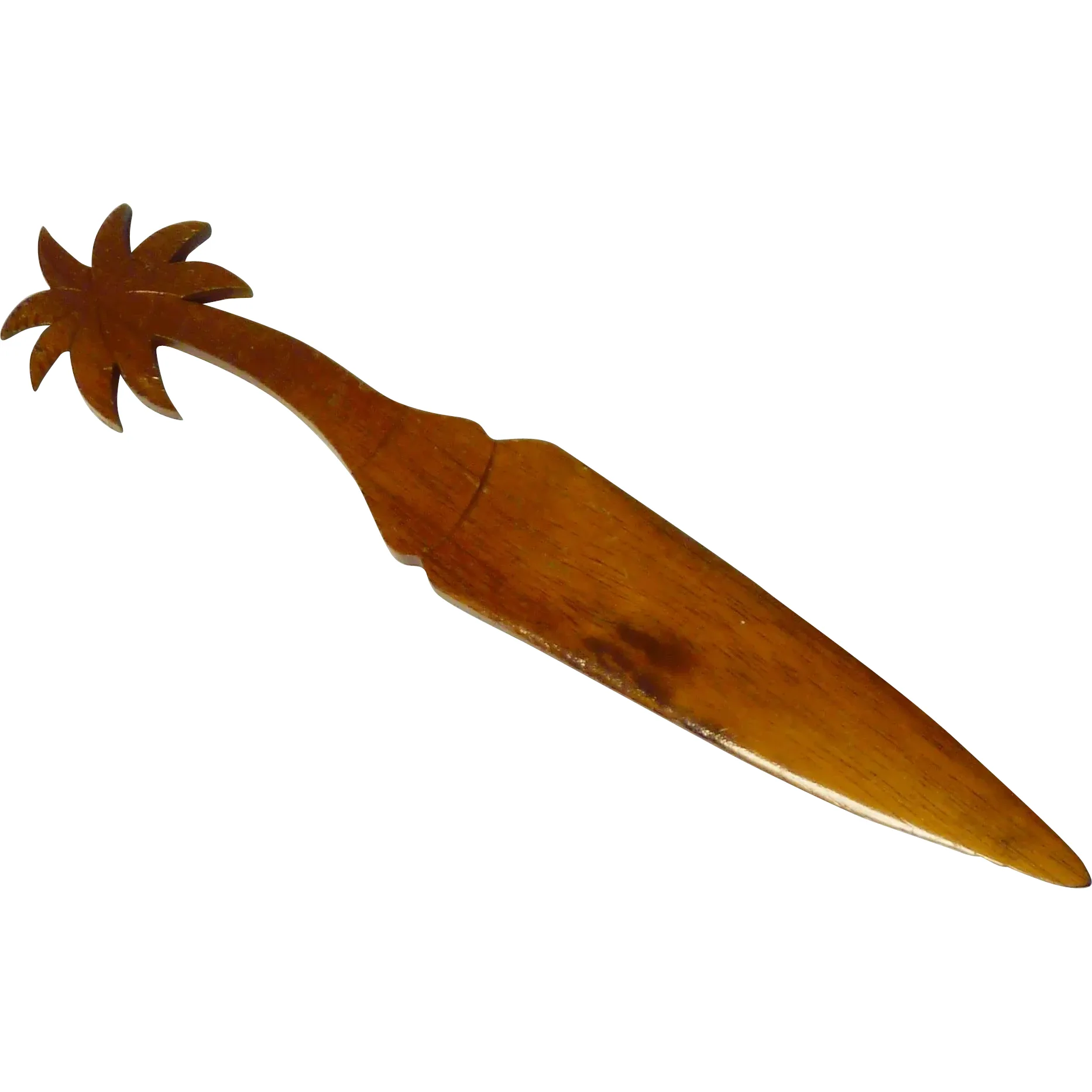
A letter opener is a refined project that teaches symmetry and smooth curves. Carve a long, flat blade and a comfortable handle. Use a single knife to shape both the blade and the handle, creating a graceful transition between the two.
6. Chopsticks
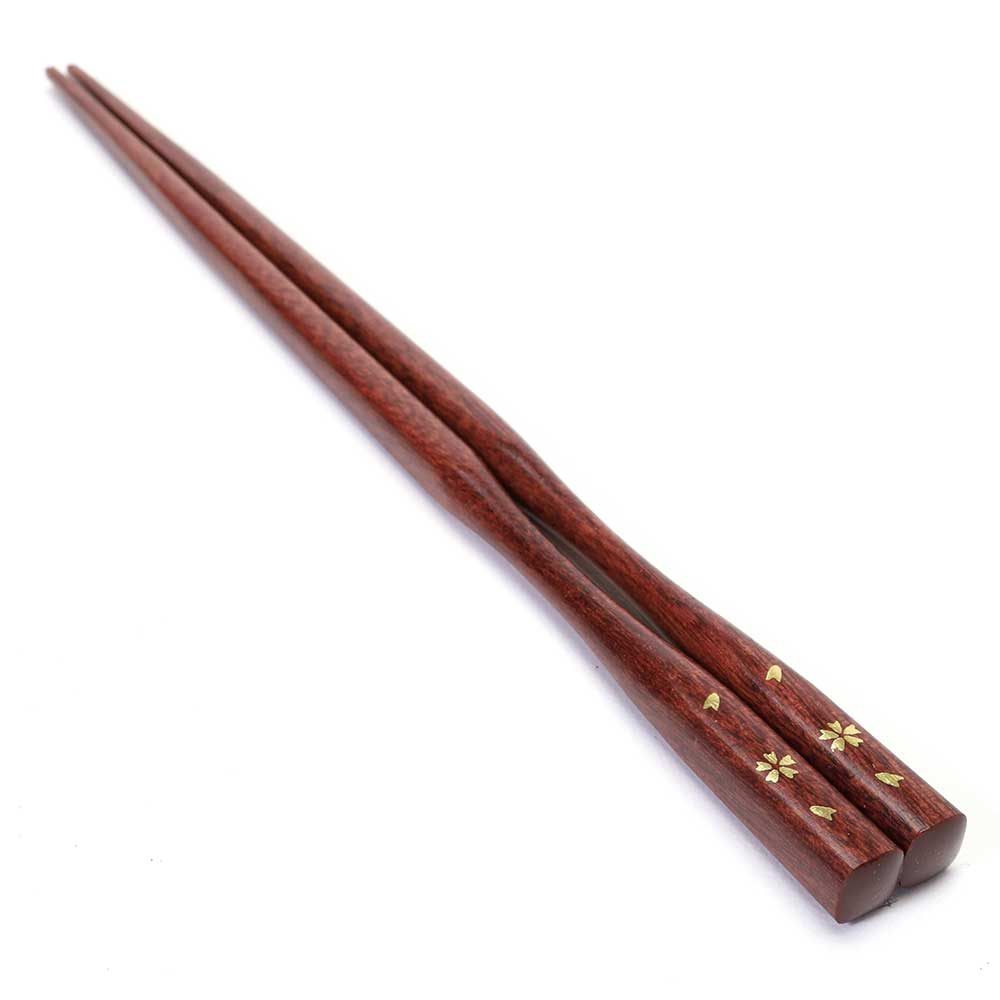
Carving your own chopsticks is a rewarding project that produces functional eating utensils. Start with two pieces of wood about 10 inches long and square in cross-section. Carve each piece into a tapered cylinder, leaving one end slightly thicker for the handle. This project teaches you to carve consistent shapes and to work with precision.
7. Wooden Spatula
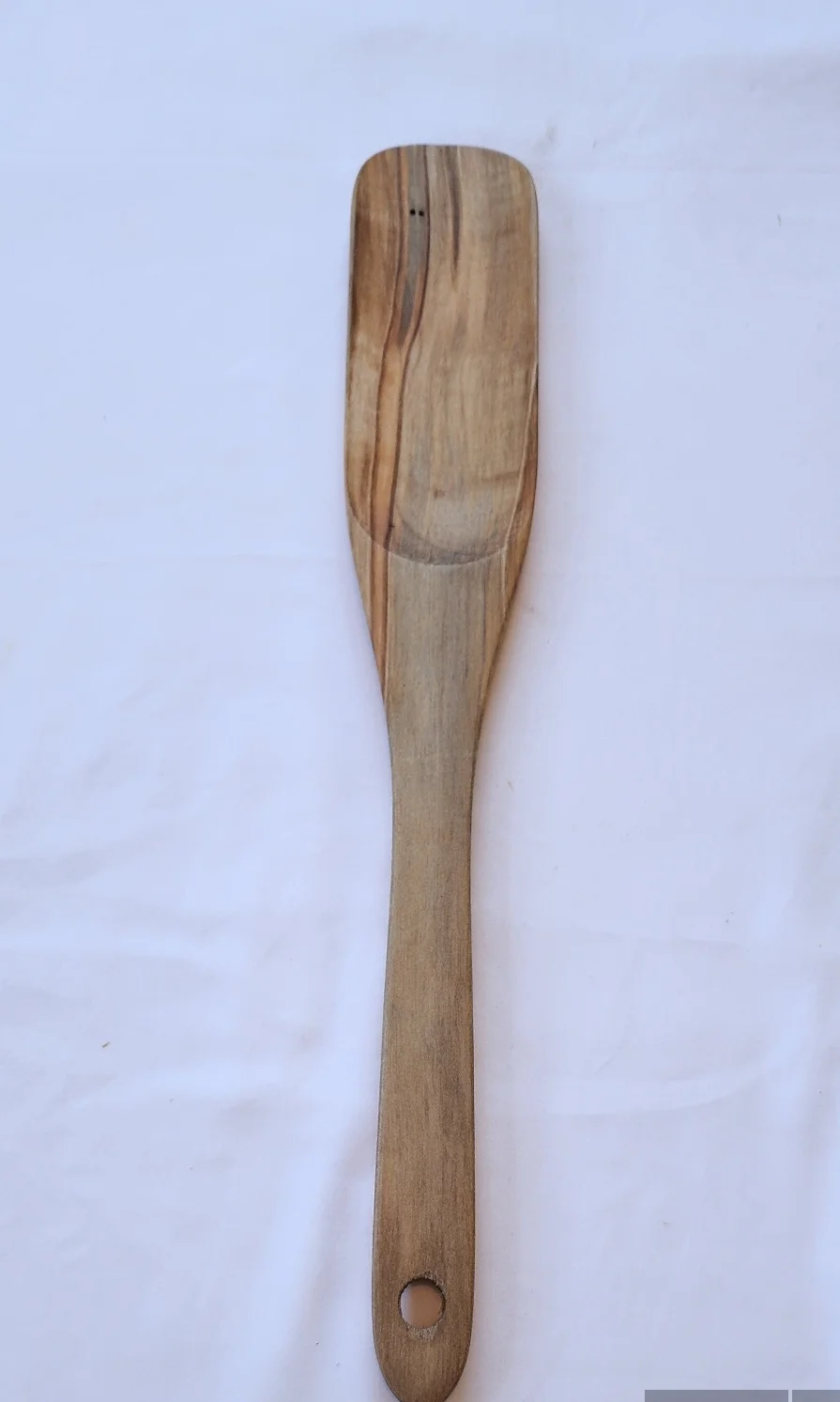
A small spatula is a practical kitchen tool that can be carved with a single knife. Focus on creating a flat, angled edge for flipping and a comfortable handle. This project teaches you to carve flat surfaces and to create smooth transitions.
8. Simple Cross
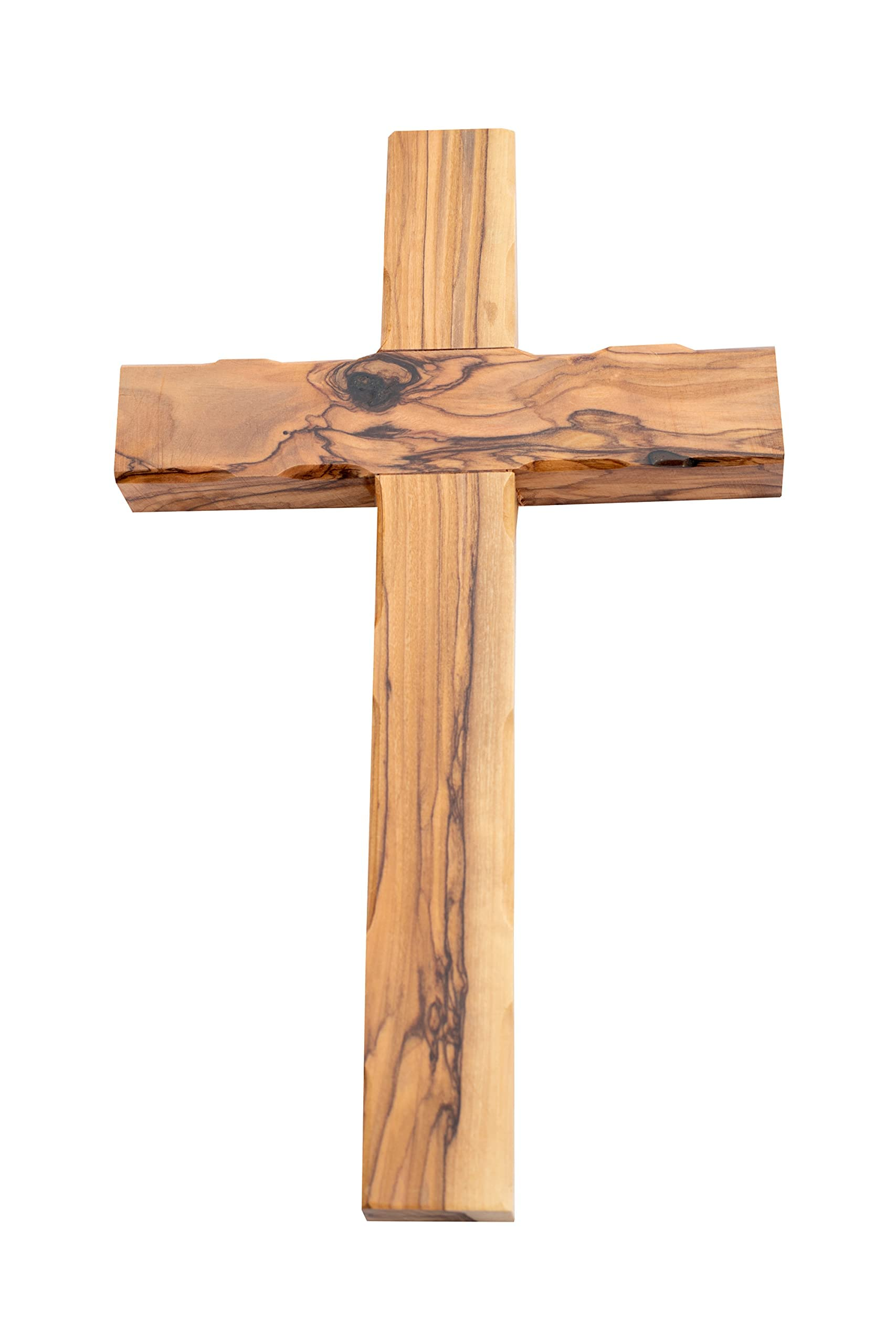
A simple cross is a meaningful project that is easy to carve. Start with a single block of wood and carve away the excess to create the cross shape. Focus on clean lines and symmetry. This is an excellent project for practicing straight cuts and precise angles.
9. Dough Whisk
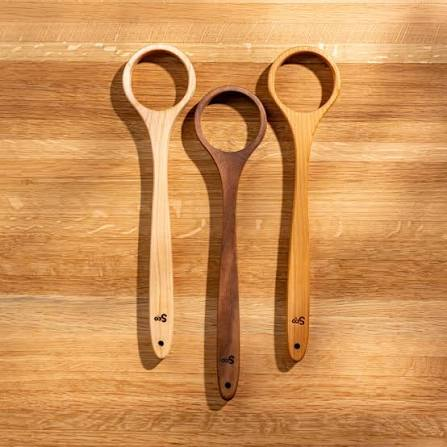
A dough whisk is a traditional kitchen tool that is carved from a single piece of wood. Carve a handle at one end and several prongs at the other. This is a more advanced project that requires careful planning and precise cuts.
10. Decorative Star
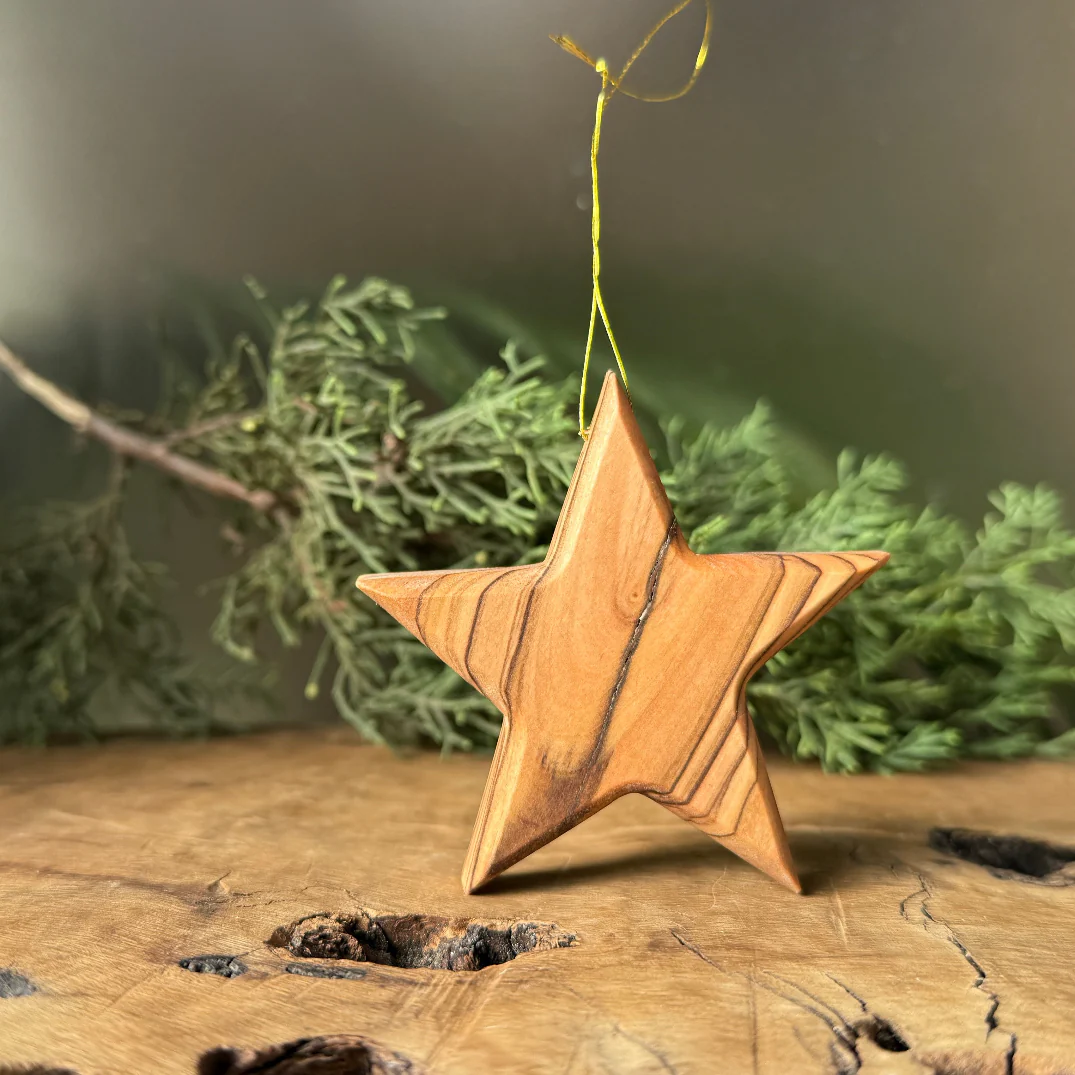
A decorative star is a simple project that teaches you to carve flat planes and sharp edges. Carve a star shape from a flat piece of wood, focusing on clean lines and symmetry. This is an excellent project for practicing your knife control.
11. Wooden Pendant
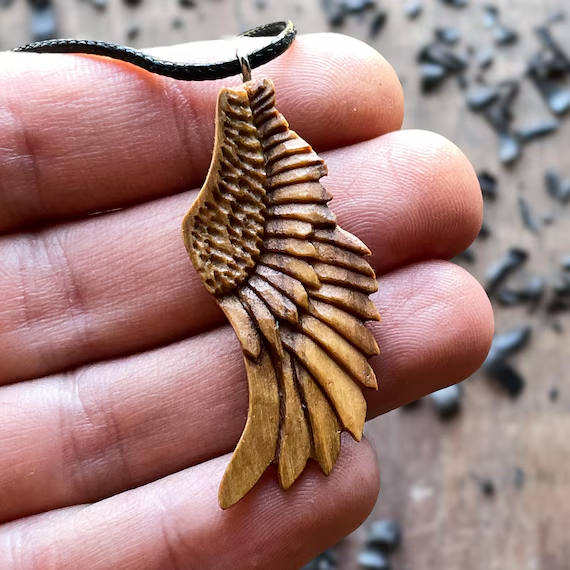
A wooden pendant is a small, fast project that is perfect for using up scraps. Carve a simple shape like a heart, teardrop, or circle. Drill a hole at the top for a cord. This project teaches you to work on a small scale and to create smooth, flowing curves.
12. Tent Stake
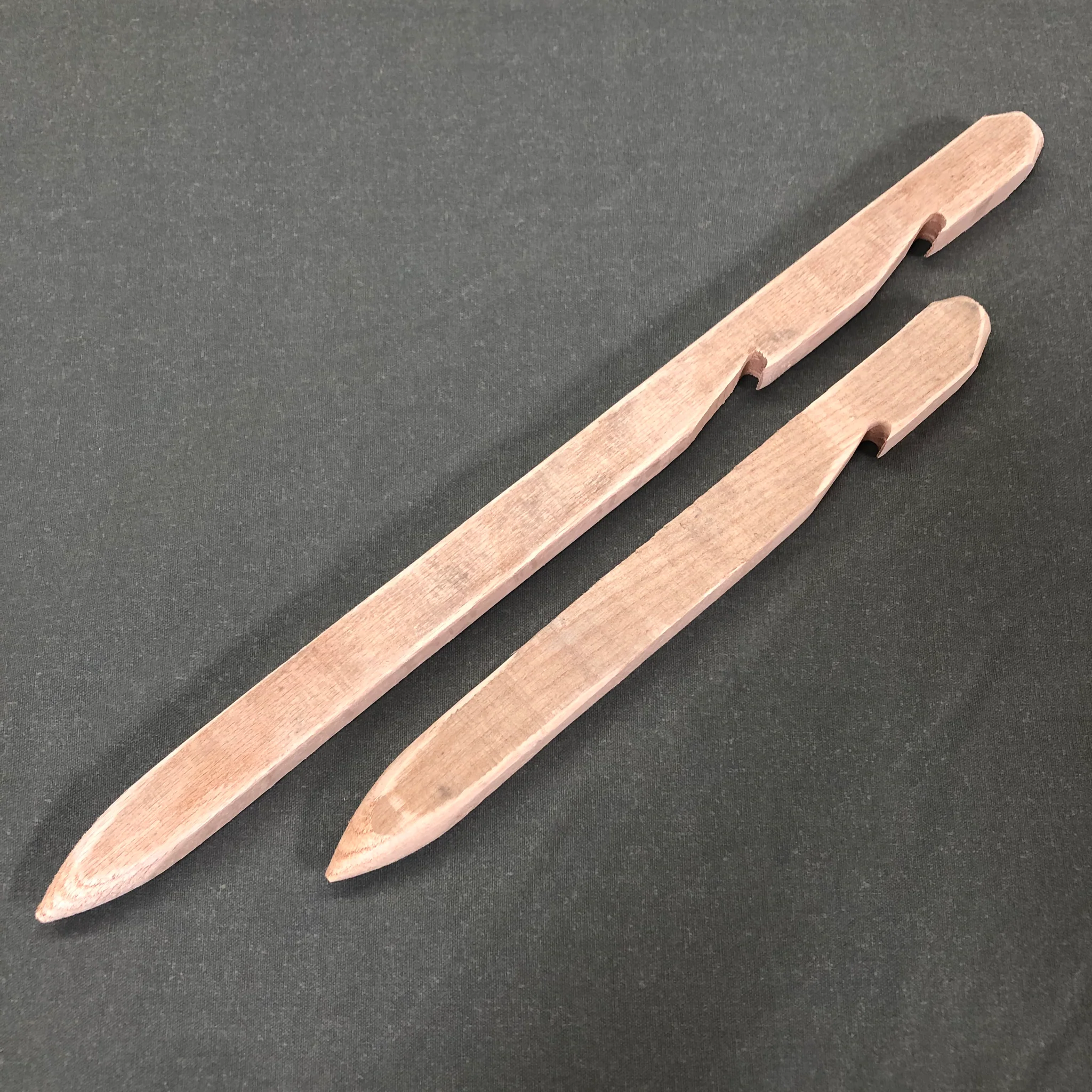
A tent stake is a practical item that is quick and easy to carve. Start with a piece of wood about 8 inches long and 1 inch thick. Carve one end to a point and create a notch at the other end. This project is excellent for practicing consistent cuts and working efficiently.
Essential Techniques for One-Knife Whittling
Mastering a few key techniques will make your whittling projects easier and more enjoyable.
The push cut is the most basic and important cut in whittling. You push the knife forward through the wood with your thumb on the back of the blade for control. This cut is used for shaping, removing large amounts of wood, and creating long, sweeping cuts. The pull cut is similar but pulls the knife toward you. This cut is used for more controlled, delicate work.
The stop cut is used to create a defined edge or stop point for other cuts. You make a cut straight down into the wood, creating a wall that prevents the wood from splitting when you make subsequent cuts. This is essential for carving details like eyes, mouths, and other features.
The slicing cut is a smooth, shearing cut made by drawing the knife along the wood at an angle. This cut is used for creating smooth surfaces and curved shapes. Practice making slicing cuts on scrap wood to develop the feel of your knife moving through the grain.
Choosing Your Knife and Wood
Your knife is your most important tool. For one-knife whittling, choose a knife with a short blade, ideally between 1.5 and 2 inches. The blade should be made of high-carbon steel, which holds a sharp edge better than stainless steel. The handle should be comfortable in your hand and provide a secure grip.
Basswood is the best wood for one-knife whittling. It is soft, easy to cut, and has a consistent grain that does not fight the knife. Other good options include pine, butternut, and cedar. Avoid hardwoods like oak and maple, as they are difficult to cut with a single knife and will quickly dull your blade.
Keep your knife sharp at all times. A sharp knife is essential for safe and effective whittling. Use a sharpening stone and a leather strop to maintain a razor edge. Strop your knife regularly during your carving sessions to keep it cutting smoothly.
Frequently Asked Questions About One-Knife Whittling
Can I really whittle with just one knife?
Yes. Many whittlers use only a single knife for all their projects. The key is to choose the right knife and keep it sharp. With one knife, you can carve spoons, animals, utensils, and decorative items.
What is the best knife for one-knife whittling?
A knife with a short blade, around 1.5 to 2 inches, made of high-carbon steel is ideal. Look for a comfortable handle that fits your hand well. A folding knife with a locking blade is a convenient option.
What wood is best for one-knife whittling?
Basswood is the best choice. It is soft, has a consistent grain, and is easy to carve with a single knife. Pine and butternut are also good options.
How do I keep my knife sharp for whittling?
Use a sharpening stone and a leather strop. Regular stropping during carving sessions will keep your knife sharp without needing to sharpen on a stone every time.
Is one-knife whittling safe?
Yes, as long as you follow safety practices. Always wear a cut-resistant glove on the hand holding the wood. Carve away from your body, keep both hands behind the blade, and maintain clear awareness of your cutting zone.
What are the easiest projects for one-knife whittling?
Simple projects like a wooden whistle, garden labels, tent pegs, and basic animal shapes are excellent starting points. These projects teach fundamental skills without requiring complex cuts.
Conclusion
Whittling with one knife is a pure and satisfying craft experience. It demonstrates that you do not need a workshop full of tools to create beautiful and functional objects. The projects in this guide provide a solid starting point for any beginner, teaching essential skills while producing results that you will be proud of.
Focus on mastering the basic cuts, keeping your knife sharp, and working safely. With practice, you will develop the control and confidence to take on more complex projects. The beauty of one-knife whittling lies in its simplicity, and the skills you build will serve you no matter how far you take your carving journey. Pick up a knife, choose a project, and discover the joy of creating something from a simple block of wood.