
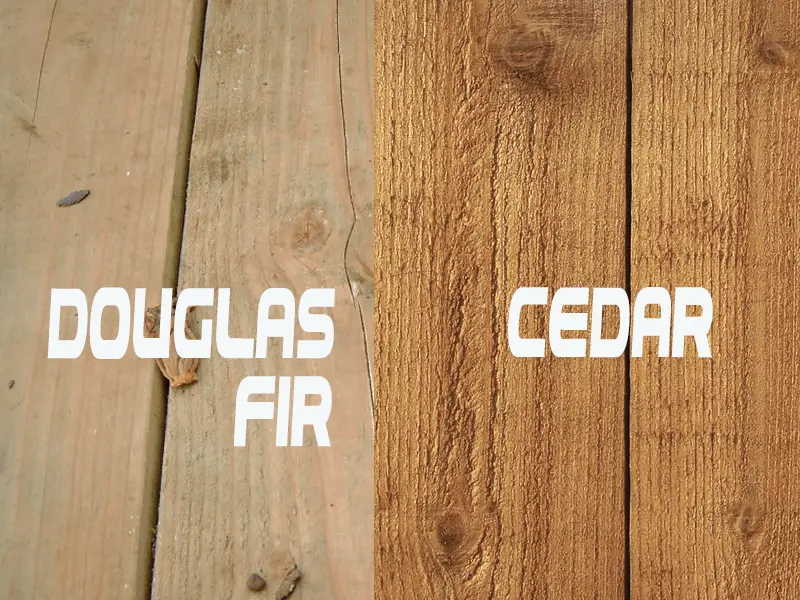
Choosing between cedar and Douglas fir is one of the most common decisions in home construction, outdoor building, and woodworking — and it’s made harder by the fact that most guides sit on the fence. This one doesn’t.
The short answer: Douglas fir is stronger and cheaper. Cedar lasts longer outdoors without treatment and is easier to handle. Which is right for your project depends entirely on where and how you’re using it.
Here’s every meaningful difference between the two, grounded in actual specs.
Cedar vs Douglas Fir: At a Glance
| Property | Cedar (Western Red) | Douglas Fir |
| Janka hardness | 350 lbf (softer) | 660 lbf (harder) |
| Rot resistance | Class 2 — Durable (no treatment needed outdoors) | Class 3 — Moderate (needs sealing outdoors) |
| Insect resistance | Naturally resistant (thujaplicins) | Moderate — benefits from treatment |
| Weight | Light (~23 lbs/ft³) | Medium (~32 lbs/ft³) |
| Cost | $2–$5 per board foot | $2–$4 per board foot |
| Appearance | Reddish-brown, aromatic, rustic grain | Pale yellow-brown, straight clean grain |
| Best outdoor use | Fencing, siding, decking, shingles | Framing, beams, treated decking |
| Best indoor use | Closets, paneling, sauna | Flooring, cabinetry, structural |
| Workability | Easy — light, cuts cleanly | Good — denser, very stable |
| Sustainability | Renewable — fast-growing Pacific NW | Renewable — widely managed forests |
Janka hardness measures resistance to denting and surface wear. Cost figures are approximate US retail board-foot prices for clear grades.
Related article Cedar vs Pine
Appearance
Cedar
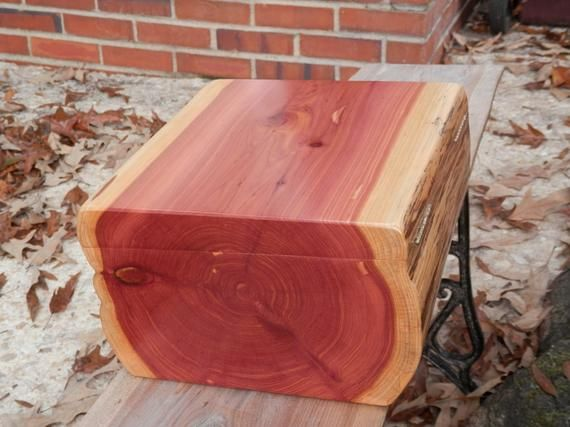
Western red cedar has a distinctive warm, reddish-brown colour with occasional salmon-pink and darker chocolate tones. Its grain is slightly irregular and textured, giving it a naturally rustic character. It has a pleasant aromatic scent — the same oils that repel insects give cedar its familiar smell. Over time, untreated cedar exposed to the elements weathers to an attractive silver-grey patina that many builders deliberately seek out.
Douglas fir
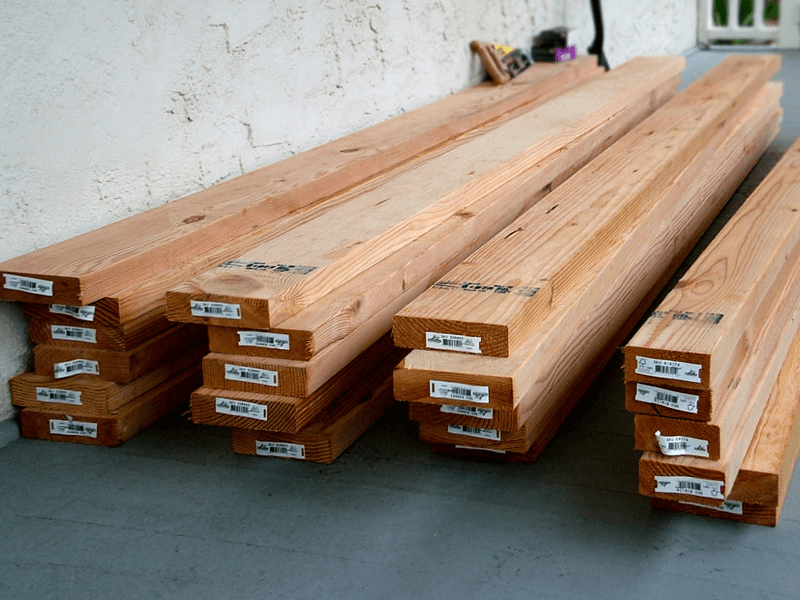
Douglas fir has a cleaner, more uniform appearance: pale yellow to light brown with reddish-brown streaks following the growth rings. Its straight, consistent grain makes it well-suited to painted or stained finishes where uniformity matters. It doesn’t have cedar’s aromatic quality, and it weathers less gracefully when left unfinished outdoors — tending to grey unevenly without the same character as cedar’s patina.
Strength and Hardness
This is where the most common misconception about these two woods lives. Douglas fir is significantly harder and stronger than cedar — not the other way around.
- Janka hardness: Douglas fir scores 660 lbf. Western red cedar scores 350 lbf. Fir is nearly twice as hard.
- Structural strength: Douglas fir has a much higher modulus of rupture (bending strength), which is why it’s the standard choice for beams, joists, and structural framing across North America.
- Weight: Cedar is notably lighter (~23 lbs per cubic foot vs ~32 lbs for Douglas fir), which makes it easier to handle and install for fencing, siding, and shingles.
For any application where the wood needs to carry load — framing, beams, floor joists, decking that will take heavy foot traffic — Douglas fir is the correct choice. Cedar’s lower hardness is a practical advantage only where you’re cutting, nailing, and installing by hand on non-structural work.
Outdoor Durability and Rot Resistance
This is where cedar has its clear advantage, and it’s the reason it commands a price premium.
Cedar
Western red cedar contains natural oils called thujaplicins — fungicidal and insecticidal compounds that make it one of the most naturally durable softwoods in North America. It’s rated Class 2 (Durable) on the EN 350 durability scale. In practice, this means untreated cedar can be used for exterior fencing, siding, and decking without any preservative treatment and still last 15–30 years in most climates. It naturally resists rot, decay, mould, and insects. This is why cedar fences are typically left untreated or simply oiled, while pine or fir fences require preservative treatment.
Douglas fir
Douglas fir is rated Class 3 (Moderately Durable). It has some natural resistance to decay but not enough to rely on for untreated outdoor use in wet climates. Left unprotected outdoors, especially in ground contact or consistently wet conditions, Douglas fir will rot significantly faster than cedar. For outdoor applications, Douglas fir should be pressure-treated or regularly sealed with a penetrating wood preservative. Pressure-treated Douglas fir performs excellently and is cost-competitive with cedar, but it’s an additional step and cost that cedar doesn’t require.
Cost
Douglas fir is consistently cheaper than cedar, typically by 10–30% depending on grade, region, and market conditions. At retail:
- Douglas fir: $2–$4 per board foot for common framing grades; $3–$6 for clear/select grades.
- Cedar: $2–$5 per board foot at the lower end; clear western red cedar can reach $8–$12 per board foot. The price gap widens significantly for premium grades.
For large projects — a full fence line, exterior siding, a deck — the cost difference adds up quickly. On a 200 linear foot fence, the difference between cedar and Douglas fir could be $300–$800 in materials alone. Whether that premium is worth paying depends on your climate and how much ongoing maintenance you’re willing to do.
Cedar vs Douglas Fir by Project Type
Fencing
Cedar is the better choice for fencing in most cases. Its natural rot and insect resistance means cedar fence posts and boards can go in without treatment and last 15–20 years in typical conditions. It’s also lighter and easier to handle during installation. Douglas fir can absolutely be used for fencing — particularly pressure-treated dimensional lumber for posts — but untreated Douglas fir fence boards in ground contact will degrade noticeably faster than cedar.
Decking
Both work, but in different ways. Cedar decking is the classic choice for its natural durability, warm colour, and low maintenance. It’s softer underfoot (the lower Janka rating actually makes it more comfortable to walk on barefoot) and ages gracefully. Douglas fir decking is harder and more resistant to denting, but requires proper sealing or pressure treatment to last outdoors. Pressure-treated Douglas fir is a cost-effective alternative to cedar decking and performs well when properly maintained.
Siding and Cladding
Cedar is the traditional choice for exterior siding and cladding, and for good reason: its dimensional stability (it expands and contracts less than many woods), natural decay resistance, and ability to hold paint and stain make it excellent for this application. Douglas fir can be used for siding but requires thorough sealing and more regular maintenance to prevent moisture penetration and rot over time.
Structural Framing, Beams and Joists
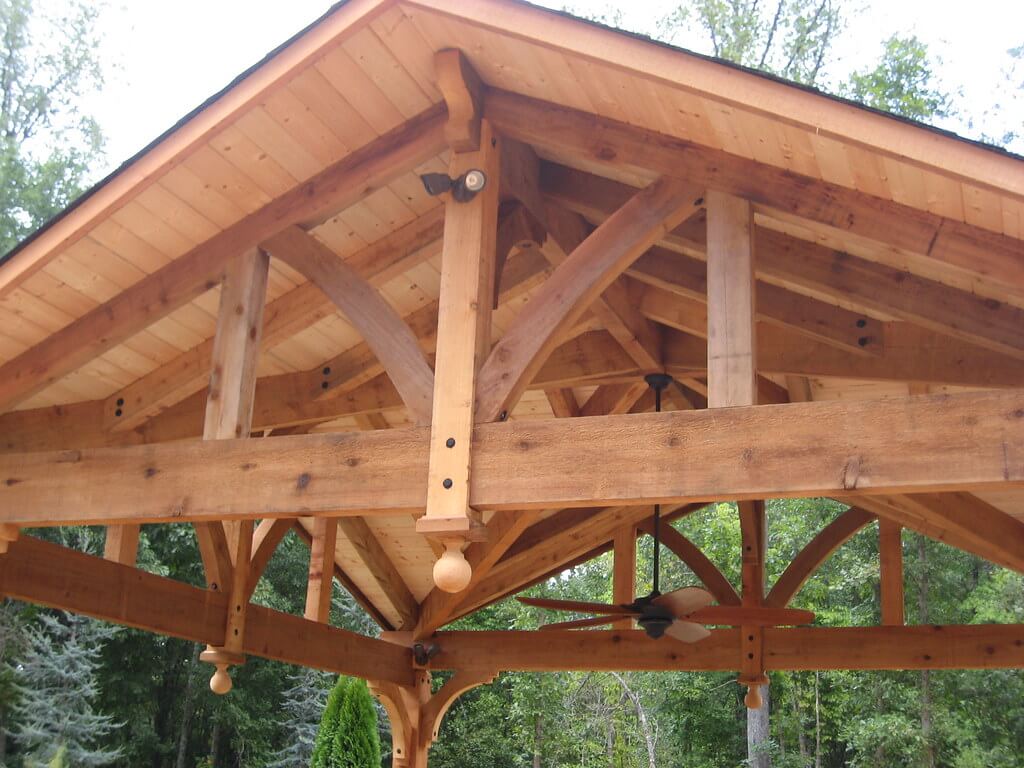
Douglas fir is the clear winner here and is the dominant framing timber across North America. Its high strength-to-weight ratio, dimensional stability, and availability in large dimensions (8×8, 10×10, 12×12 timbers) make it ideal for structural applications. Cedar is not typically used for load-bearing structural work — it’s too soft and light for beams and joists.
Interior Flooring
Douglas fir is better for interior flooring because of its higher hardness (660 Janka vs cedar’s 350). Cedar is too soft for flooring in most rooms — it will dent and show marks from furniture and everyday use. Douglas fir flooring has been used for over a century in Victorian and Craftsman homes and ages beautifully with a warm, amber patina. Cedar is occasionally used for bedroom floors where traffic is lighter and the aromatic properties are desirable.
Closets and Interior Panelling
Cedar is preferred for closet linings precisely because of its aromatic properties — the natural scent of cedar repels moths and other fabric-damaging insects. Cedar closet panelling and cedar chests are traditional for this reason. Douglas fir is rarely used in closets; its lack of aroma makes it a purely functional choice where cedar’s insect-repelling quality is the whole point.
Raised Garden Beds
Cedar is the better choice for raised garden beds that will sit directly on soil. Its natural rot resistance means untreated cedar beds can last 10–15 years in the ground without leaching any chemicals into your soil. Untreated Douglas fir in ground contact will rot within a few years. Never use pressure-treated lumber for vegetable garden beds — the preservative chemicals can leach into the soil.
Cedar vs Douglas Fir: Advantages and disadvantages
Cedar and Douglas fir are both popular choices when it comes to siding. Though they have similar attributes, cedar tends to be more expensive than douglas fir but much stronger as well. Let’s take a look at some of the advantages of each wood.
Advantages of cedar timber
Cedar timber has been used in homes for centuries. It’s very durable and weather-resistant, meaning it will last for a long time and requires little maintenance to stay looking great.
In addition, cedar is naturally pest-resistant so you won’t need to worry about termites or other bugs eating away at your home. Cedar also has natural oils that repel water, so you don’t have to spend money on regular painting and staining.
Another advantage of cedar is its unique smell—many people find it pleasant, but if you prefer something less pungent then you can opt for Western red cedar instead. This type of wood doesn’t have as strong of an odor as Eastern red cedar.
Disadvantages of cedar
The main disadvantage of cedar is that it’s more expensive than most other softwoods. Like all woods, there are grades of quality, but even among high-quality cedars, there can be price differences of several hundred dollars per thousand board feet.
This doesn’t mean that one grade isn’t as good as another; it just means you’ll need to spend a little more to get premium quality.
Advantages of Douglas Fir lumber
This species has a great deal of strength and can be used to build structures that are both long-lasting and incredibly sturdy. It’s also extremely lightweight, which makes it ideal for home construction.
You’ll love how easy it is to work with and how nice your living space looks once you’re finished. The wood is also resistant to bugs and doesn’t easily get wet, so you don’t have to worry about maintenance issues.
Plus, if you want to sell your house, later on, you won’t have any trouble finding buyers because it retains its value well.
Disadvantages of Douglas Fir timber
Douglas fir is cheaper, making it a popular choice in commercial timber plantations. Its popularity has led to the harvest of young Douglas fir trees which tend to give a lower weaker grades of lumber.
It’s also harder to work with and requires an extensive kiln-drying process. Some other disadvantages of douglas fir include its tendency to warp, splinter, and lose shape over time due to its large pores.
Which Should You Choose?
Choose cedar if you:
- Are building outdoors and want natural rot and insect resistance without treatment
- Are building a fence, deck, siding, or garden beds that will be exposed to weather
- Want to minimise ongoing maintenance and re-sealing
- Prefer a warm, rustic, aromatic wood with natural character
- Are lining a closet or building a storage chest where insect repellency matters
Choose Douglas fir if you:
- Need structural strength — beams, joists, posts, or load-bearing framing
- Are installing interior flooring that needs to withstand heavy traffic and furniture
- Are working with a tighter budget and are willing to seal/treat the wood for outdoor use
- Want a clean, consistent grain that takes stain and painted finishes uniformly
- Need large-dimension timber (8″+ wide beams) that cedar can’t match for availability
Frequently Asked Questions
Is cedar stronger than Douglas fir?
No — Douglas fir is significantly stronger and harder than cedar. Douglas fir scores 660 lbf on the Janka hardness scale; western red cedar scores 350 lbf. Douglas fir also has a higher modulus of rupture (bending strength), making it the standard choice for structural framing, beams, and joists. Cedar’s advantage is natural rot and insect resistance outdoors, not structural strength.
Is Douglas fir good for outdoor use?
Douglas fir can be used outdoors but it needs treatment. It’s rated Class 3 (Moderately Durable) for outdoor exposure, meaning it will rot faster than cedar without preservative sealing or pressure treatment. Pressure-treated Douglas fir performs very well outdoors and is widely used for decking and fence posts. Untreated Douglas fir is better kept for indoor or covered applications.
Which is cheaper — cedar or Douglas fir?
Douglas fir is generally 10–30% cheaper than cedar, with the price gap widening for premium clear grades. At retail, Douglas fir runs approximately $2–$4 per board foot while western red cedar runs $2–$5 for common grades and up to $8–$12 per board foot for clear select cedar. For large projects like decks or full fence lines, the cost difference can be significant.
Can I use Douglas fir for fencing?
Yes, but it needs treatment. Untreated Douglas fir fence boards in contact with soil or exposed to regular moisture will degrade faster than cedar. Use pressure-treated Douglas fir for fence posts (where ground contact is unavoidable) and seal the boards with a penetrating wood preservative if using standard Douglas fir. If you want a low-maintenance fence that doesn’t need treatment, cedar is the better choice.
What is the difference between cedar and Douglas fir in appearance?
Cedar has a warm reddish-brown colour with irregular, natural grain and a distinctive aromatic scent. It weathers to a silver-grey patina outdoors. Douglas fir is paler (yellow to light brown) with a straighter, more uniform grain. It’s a better canvas for stain and paint finishes where a consistent look is needed. Cedar looks more rustic and natural; Douglas fir looks cleaner and more refined.
Which is better for a deck — cedar or Douglas fir?
Cedar is better for a natural, low-maintenance deck. It resists rot and insects without treatment, is comfortable underfoot (being softer), and ages gracefully. Douglas fir makes an excellent deck when pressure-treated or properly sealed, and costs less — but requires more ongoing maintenance. Pressure-treated Douglas fir is a popular budget-friendly alternative to cedar decking and performs well over many years when maintained.
The Bottom Line
Cedar and Douglas fir are both outstanding woods that have earned their popularity through decades of real-world performance. They just excel at different things.
Cedar is the outdoor specialist: naturally rot-resistant, insect-repellent, lighter, and more pleasant to work with for siding, fencing, and exposed structures. Douglas fir is the structural workhorse: stronger, harder, more affordable, and available in the large dimensions that structural applications demand.
For most outdoor projects without structural load — a fence, a deck, siding, a garden bed — cedar is worth the modest price premium. For anything structural, or for interior flooring and cabinetry, Douglas fir is the logical and more affordable choice.
Read Next
More wood guides at improvewood.com