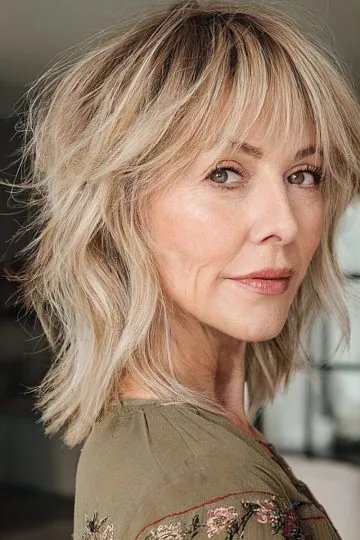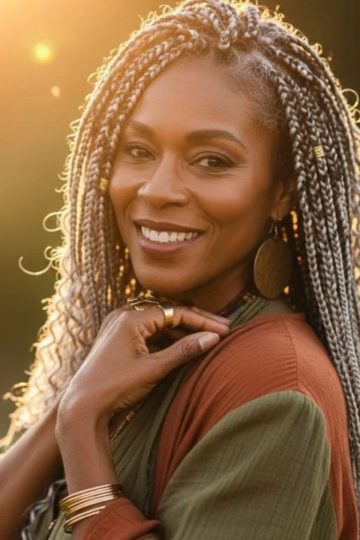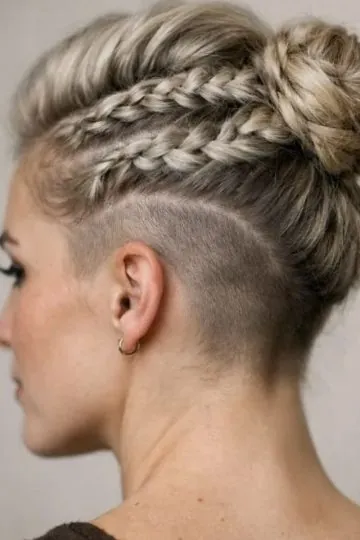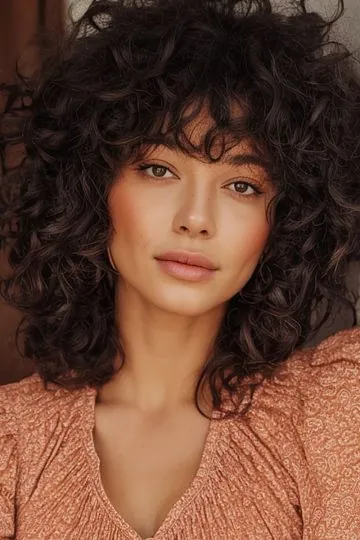
The pixie bob is a haircut that refuses to play by the rules. It is not quite a pixie—that short, cropped style that sits close to the head—and it is not quite a bob, with its chin-to-shoulder length and clean lines. Instead, the pixie bob steals the best elements from both: the short, easy-care nape of a pixie and the longer, face-framing top and sides of a bob. For older women, this hybrid cut is nothing short of revolutionary. It delivers volume at the crown, softness around the face, and enough length to style without the commitment of a full bob or the severity of a very short crop. 13 pixie bob haircuts for older women prove that you can have lift, elegance, and low-maintenance beauty all in one shape. Whether your hair is fine, thick, straight, curly, or somewhere in between, there is a pixie bob designed to flatter your features, simplify your morning routine, and make you feel polished in under ten minutes.
Why Pixie Bob Haircuts for Older Women work
As we age, our hair changes. It may become finer, lose its natural pigment, or grow more slowly. The skin around the face also changes, often losing some of its youthful elasticity. A haircut that worked beautifully at forty may feel flat or unforgiving at sixty-five. The pixie bob addresses these changes head-on.
First, the shorter back removes the heaviest weight from the nape, which prevents the dreaded "duck tail" or curling-under that can happen when the back of a bob grows too long. Second, the longer top and sides provide enough length to sweep across the forehead, cover the ears if desired, or create soft waves that soften facial features. Third, the overall shape is inherently volumizing—because the hair is shorter underneath and longer on top, the top layers naturally lift away from the scalp.
The pixie bob is also incredibly forgiving. Growing out a traditional pixie can be awkward, with months of "helmet head" and strange flips at the ears. Growing out a pixie bob is much easier because the transition from short to medium length is already built into the cut. For older women who want a stylish, modern look without constant salon visits, the pixie bob is an ideal choice.
1. The Classic Pixie Bob (Even Length All Around)
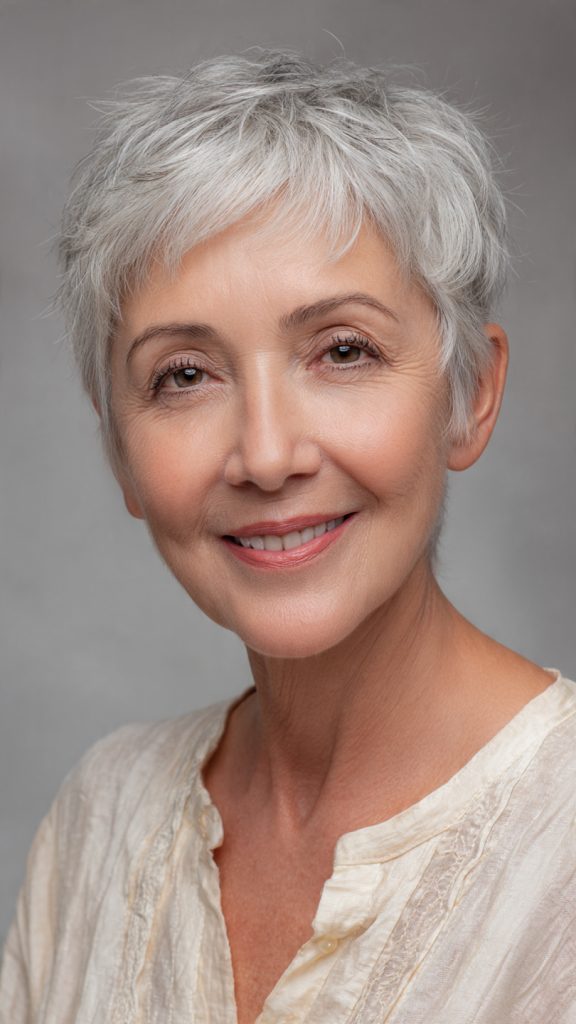
This is the foundation of all pixie bobs. The hair is cut to a consistent length of approximately two to three inches all over the head, with slightly shorter sections at the nape to prevent bulk. The overall silhouette is rounded and soft, like a longer pixie or a shorter bob.
Why it works: The classic pixie bob is universally flattering because it does not exaggerate any one feature. It adds volume at the crown, keeps the neck cool and tidy, and provides enough length to tuck behind the ears or leave forward. For older women with fine or thinning hair, this cut creates the illusion of density without looking like a "helmet."
Styling tip: Apply a lightweight mousse to damp hair. Blow-dry using your fingers, lifting the roots as you go. For a polished finish, use a small round brush on the top section only, turning the ends slightly under. Do not over-brush—this cut looks best with natural movement.
2. The Textured Pixie Bob with Piece-y Layers
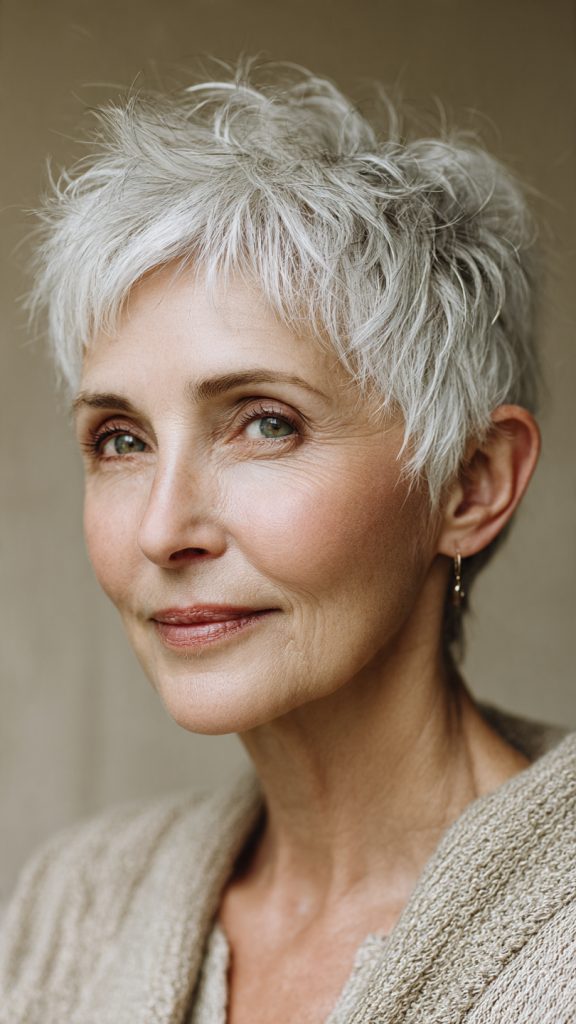
Instead of a smooth, uniform surface, the textured pixie bob is cut with point-cutting or razor techniques to create visible, separated "pieces" throughout. The ends look slightly jagged, not blunt. This texture gives the hair a modern, slightly edgy feel.
Why it works: For older women with very fine or straight hair, a smooth pixie bob can sometimes look flat or one-dimensional. The piece-y layers create shadows and movement, which read visually as thickness. The texture also hides uneven gray regrowth and makes the cut look intentional even on second-day hair.
Styling tip: Use a texturizing paste or wax on dry hair. Warm a pea-sized amount between your fingers, then pinch and twist small sections of hair. Focus on the crown and the ends. Do not comb through—the goal is separated, piece-y definition.
3. The Long Pixie Bob with Sweeping Fringe
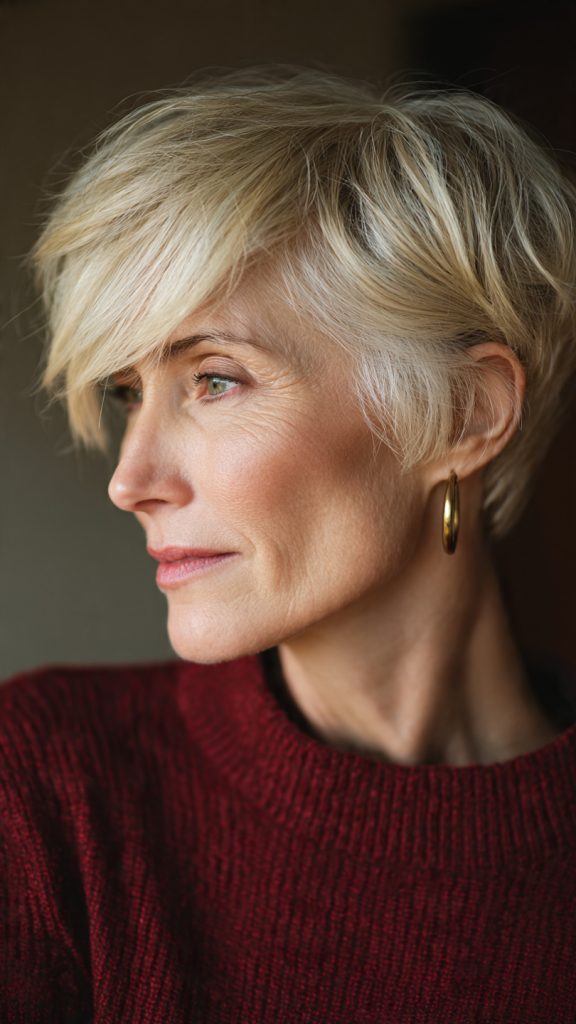
This version keeps the back short and cropped (about one inch at the nape) but leaves the top and front significantly longer—sometimes up to four or five inches. The long top sections are then swept to one side to create a dramatic, face-framing fringe that can reach the eyebrow or even the cheekbone.
Why it works: The sweeping fringe is a powerful tool for older women. It covers forehead lines, draws attention upward to the eyes, and creates an asymmetrical line that is inherently slimming. The short back keeps the cut easy to maintain, while the long front provides styling versatility.
Styling tip: Blow-dry the long top section using a round brush, directing the hair to your preferred side. Once dry, use a flat iron to create a gentle C-shape bend at the ends of the fringe. A small amount of hairspray will keep the sweep in place all day.
4. The Short Stacked Pixie Bob (Dramatic Nape Volume)
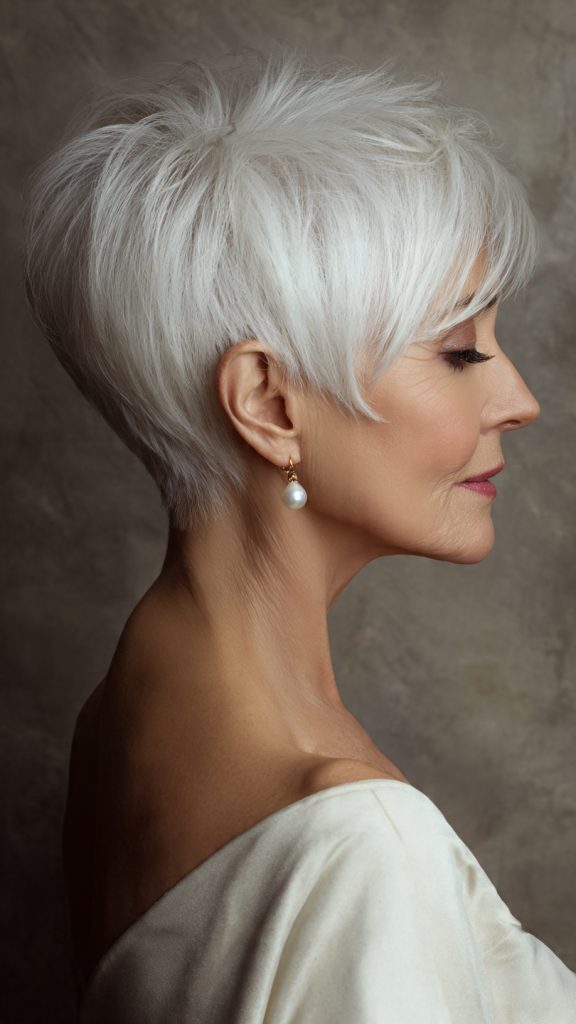
The stacked pixie bob features a dramatically layered back. The hair at the nape is cut very short (half an inch to one inch), and each layer above it is progressively longer. This creates a visible "stacked" effect, like stairs, that pushes the hair upward and outward.
Why it works: Stacking is the single best technique for adding volume to fine or flat hair. The short, layered nape removes weight, which allows the hair above to literally stand up. For older women who have lost density at the crown, a stacked pixie bob can restore the appearance of thick, bouncy hair overnight.
Styling tip: Rough-dry the back of your hair upside down to maximize lift. Use a small round brush only on the very top section. The stacked back should be left slightly messy—over-brushing will flatten the volume you worked hard to create.
5. The Side-Swept Pixie Bob with Deep Part
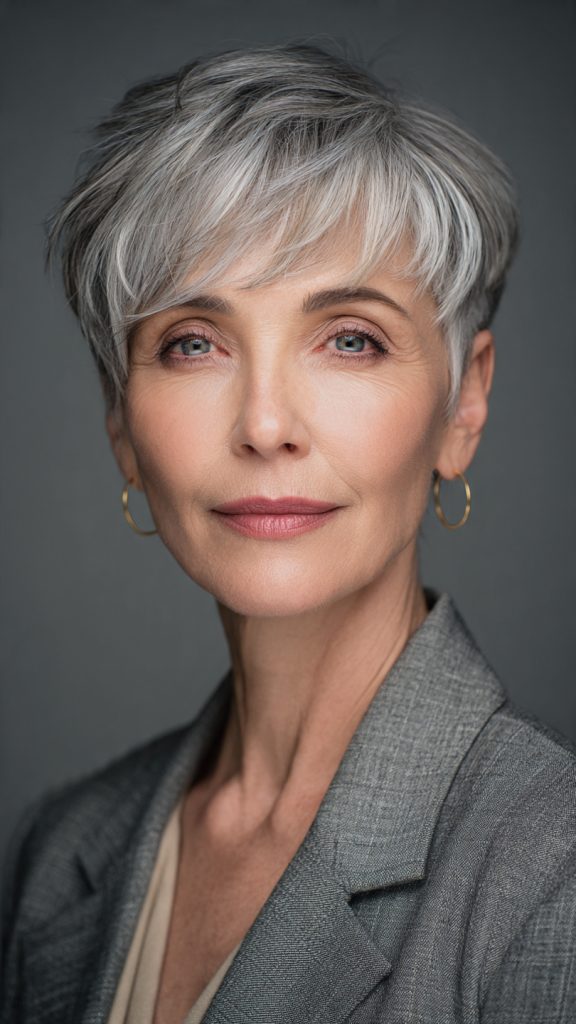
This cut is identical to the classic pixie bob in length and shape, but the styling is what sets it apart. The hair is parted extremely deeply—at the far edge of the eyebrow or even at the temple. The larger side is then swept across the crown and pinned or tucked behind the ear.
Why it works: A deep side part creates instant asymmetry, which is universally flattering for older faces. The sweep of hair across the crown camouflages any thinning at the part line and adds height where older women need it most. This is not a different haircut—it is a different way of wearing a pixie bob—but it is so transformative that it deserves its own place on the list.
Styling tip: Blow-dry the hair on the larger side against its natural direction. If you plan to part on the left, blow-dry everything to the right. Once dry, sweep it back to the left. The roots will stand up for hours.
6. The Curly Pixie Bob (For Natural Texture)
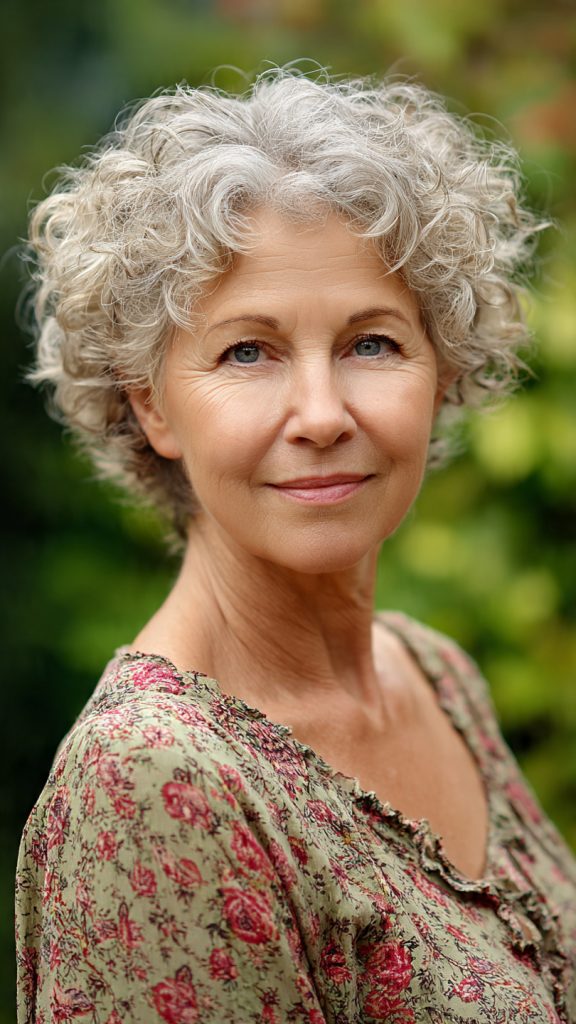
Curly hair requires a completely different cutting approach. The curly pixie bob is cut dry, curl by curl, with the stylist respecting each curl's natural pattern. The back is kept very short (often one inch or less) to prevent the dreaded "triangle" shape, while the top and sides are left longer so the curls can form their natural ringlets.
Why it works: Older women with curly hair often struggle with cuts that are either too short (resulting in a frizzy, undefined look) or too long (resulting in flat, weighed-down curls). The pixie bob strikes the perfect balance: short enough to let curls spring up, but long enough to show their beautiful pattern. The shape is rounded, soft, and full of life.
Styling tip: Never brush dry curls. After washing, apply a leave-in conditioner and a curl cream. Use a diffuser on low heat, or air-dry. Once dry, separate curls with your fingers. Do not touch the roots—they will create their own volume.
7. The Asymmetrical Pixie Bob (One Side Longer)
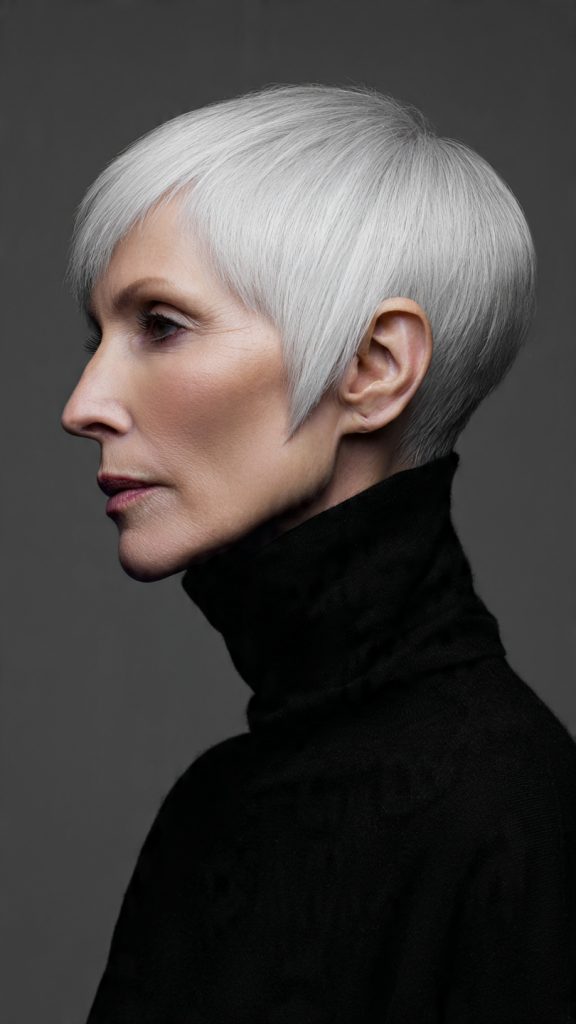
This cut takes the pixie bob and pushes it into editorial territory. One side of the head is cut significantly longer than the other. For example, the left side might be cropped close to the ear (one inch), while the right side is left long enough to brush the jawline (three to four inches). The back is short and uniform.
Why it works: Asymmetry draws the eye across the face rather than down to the jawline or neck. For older women concerned about jowls or a less-defined neck, this diagonal line is incredibly flattering. The longer side also provides extra coverage if you prefer to hide one ear or soften one side of your face.
Styling tip: Flat-iron the longer side smooth to emphasize the contrast with the shorter side. Add a small amount of shine spray. The shorter side can be left textured or tucked behind the ear. This cut demands confidence—wear it proudly.
8. The Undercut Pixie Bob (Hidden Nape Removal)
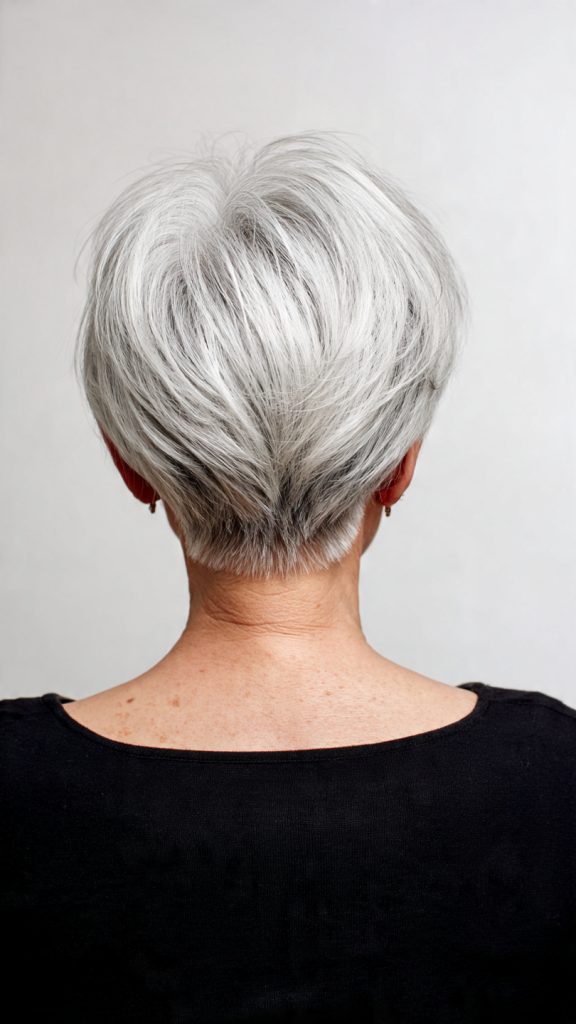
An undercut pixie bob removes a small triangle of hair from the very bottom of the nape, usually about one inch high and two inches wide. This section is shaved or clipped extremely short (quarter inch or less). The rest of the hair falls over it, hiding the undercut completely.
Why it works: The undercut removes the densest, heaviest part of the hair—the area that contributes most to weighing down the crown. For older women with very thick or coarse hair, this can be transformative. The undercut is invisible when the hair is down, but it dramatically reduces bulk and increases lift. On hot days, it also keeps the neck cooler.
Styling tip: This cut requires a stylist who understands fine hair and undercutting. The undercut should be small and hidden. Style the top layers as usual—the undercut will do its work silently. You will notice the difference in volume immediately.
9. The Wispy Pixie Bob with Micro-Bangs
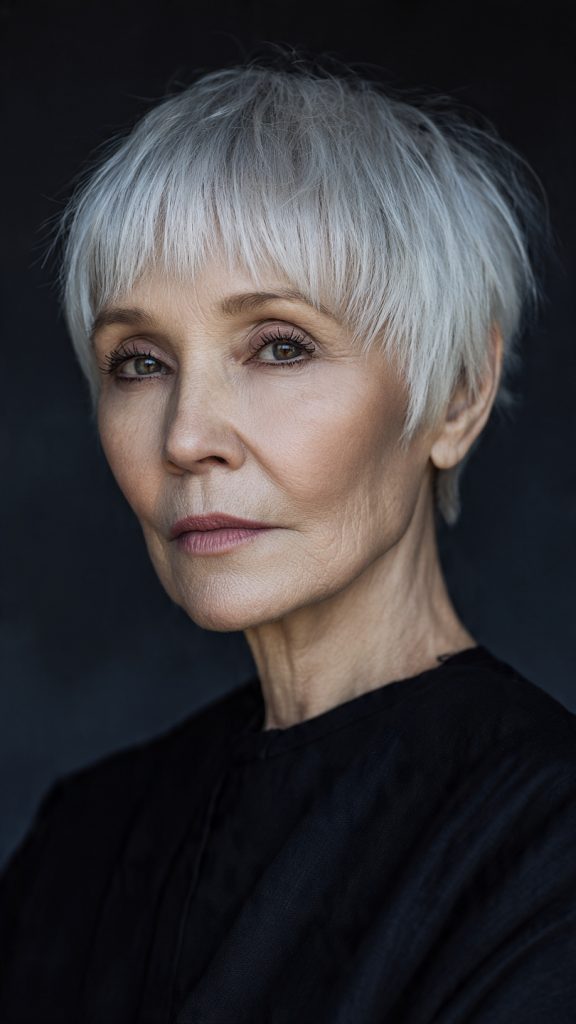
Micro-bangs are very short bangs cut well above the eyebrows—sometimes a full inch above. Paired with a wispy, feathered pixie bob (soft, point-cut ends throughout), this is a bold, fashion-forward look.
Why it works: Micro-bangs create a solid block of density at the forehead, which draws the eye upward and away from the lower face. The wispy ends on the rest of the cut prevent the overall look from feeling severe. For older women with strong bone structure and a sense of adventure, this cut is unforgettable.
Styling tip: Micro-bangs require frequent trims (every two to three weeks). Keep the rest of the hair soft and piece-y. Do not over-style the bangs—a slight messiness is part of the appeal. Use a tiny amount of lightweight wax to separate the bangs.
10. The Voluminous Crown Pixie Bob (Focus on Top Lift)
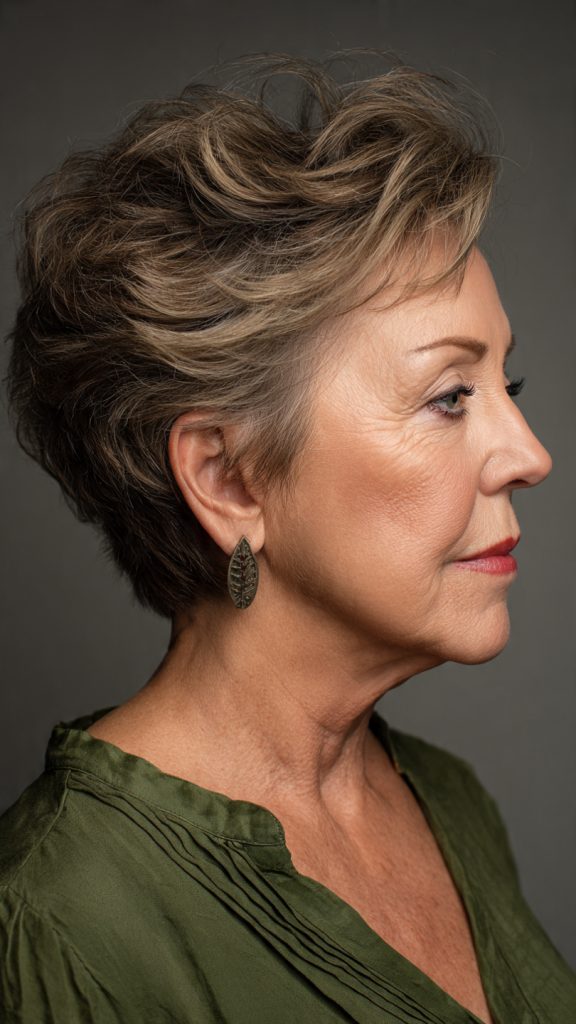
All the layering in this cut is concentrated at the crown. The sides and back are kept relatively uniform and short (one to two inches), but the crown is aggressively layered to create maximum height and lift. The result is a pronounced "peak" of volume at the top of the head.
Why it works: For older women with very flat or fine hair, volume at the crown is the number one priority. This cut sacrifices length everywhere else to deliver maximum lift exactly where it is needed. The high crown also has a face-lifting effect—it draws the eye upward and elongates the overall silhouette.
Styling tip: Blow-dry the crown section first, using a small round brush and lifting straight up. Pin the dried crown hair in a "Mohawk" clip while you dry the sides. Release at the end for instant, gravity-defying volume. A volumizing powder at the roots will extend the hold.
11. The Sleek Tucked-Behind-Ears Pixie Bob
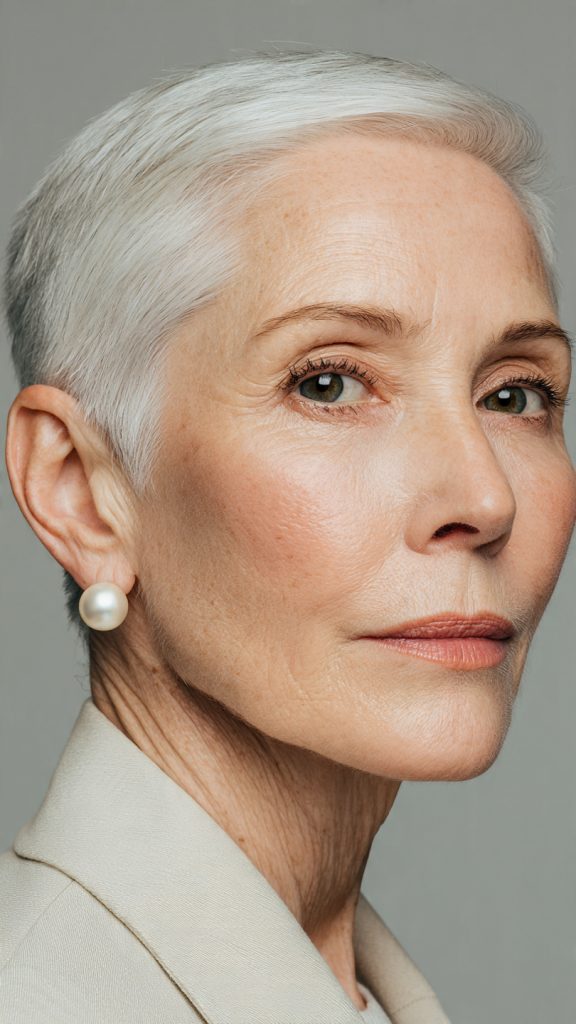
This cut is a classic pixie bob worn in a very specific way: the sides are kept long enough to tuck securely behind the ears, and the top is smoothed flat against the head. The overall look is sleek, polished, and slightly androgynous.
Why it works: Tucking the hair behind the ears opens up the face completely, which is flattering for older women with strong bone structure or beautiful earrings they want to show off. The sleek top creates a clean, elegant line from forehead to crown. This is a sophisticated, confident look for women who do not want to hide behind their hair.
Styling tip: Use a flat iron to smooth the top and sides completely. Apply a shine serum or spray. Tuck the sides behind the ears and use a tiny amount of hairspray or a single bobby pin (hidden) to keep them in place. The back can remain slightly textured.
12. The Feathered Pixie Bob (Soft and Romantic)
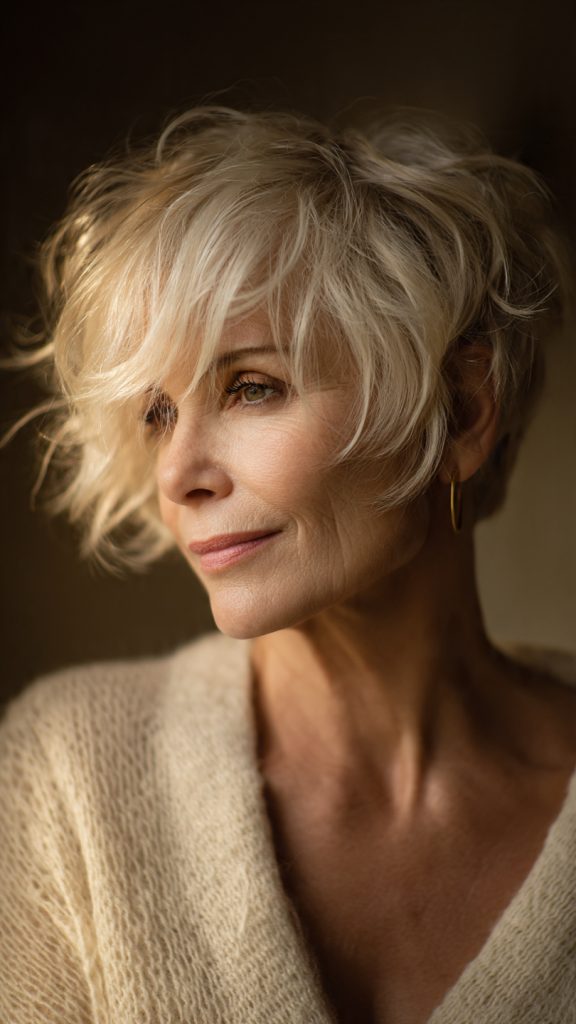
The feathered pixie bob uses razored or point-cut ends throughout to create soft, wispy tips that literally look like feathers. The overall shape is rounded and airy, with no harsh lines anywhere. The length is uniform (about two to three inches all over), but the feathered ends make it look lighter and more voluminous.
Why it works: Feathered ends remove the heavy "line" at the perimeter, which can sometimes look harsh on older faces. The soft, wispy ends move with every turn of the head, creating constant, flattering movement. This cut is especially good for women with fine hair because it adds visual volume without bulk.
Styling tip: Blow-dry with a large round brush, lifting the roots but keeping the ends soft. Do not over-brush—the feathered ends should look airy, not flattened. A light spritz of flexible-hold hairspray keeps the feathers in place without stiffness.
13. The Choppy Edgy Pixie Bob (Modern and Bold)
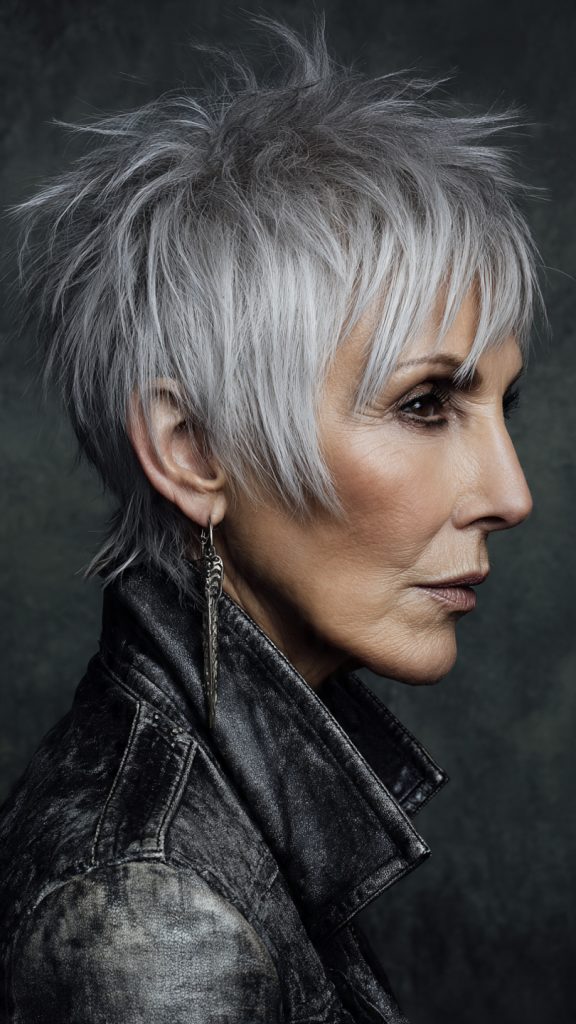
This is the most dramatic version of the pixie bob. The cut features aggressive, visible choppy layers throughout, with significant differences in length between sections. Some pieces may be one inch long, while others are three or four inches. The overall effect is intentionally uneven, messy, and rebellious.
Why it works: For older women who are tired of "polite" haircuts, the choppy edgy pixie bob is a declaration. The uneven layers create constant movement and shadow, which reads visually as thick, energetic hair. The choppiness also hides any unevenness in gray regrowth or changes in hair texture.
Styling tip: Use a strong-hold texture spray or paste on dry hair. Scrunch and twist sections randomly. Do not use a brush or comb. The goal is controlled chaos. This cut looks best when it looks like you just rolled out of bed—in the coolest possible way.
How to Choose the Right Pixie Bob for You
| If you have... | Choose... |
|---|---|
| Very fine or thinning hair | Stacked pixie bob, voluminous crown pixie bob, or undercut pixie bob |
| Thick, coarse hair | Textured pixie bob, choppy edgy pixie bob, or undercut pixie bob |
| Naturally curly hair | Curly pixie bob (cut dry) |
| Straight, slippery hair | Classic pixie bob, feathered pixie bob, or side-swept pixie bob |
| A round face | Long pixie bob with sweeping fringe or asymmetrical pixie bob |
| An oval face | Any of the 13 styles will work beautifully |
| A square or angular face | Wispy pixie bob with micro-bangs or feathered pixie bob (softens angles) |
| A long face | Voluminous crown pixie bob (adds width) |
Final Thoughts
The pixie bob is proof that you do not have to choose between short and long. It gives you the easy-care benefits of a pixie—cool nape, quick drying, minimal styling time—with the softness and versatility of a bob. For older women, this hybrid cut addresses the specific changes that come with age: thinning at the crown, loss of density, and the need for face-framing softness.
Whether you prefer the timeless elegance of the classic pixie bob, the bold drama of the choppy edgy version, the romantic softness of the feathered cut, or the practical volume of the stacked style, there is a pixie bob waiting for you. Bring photos to your stylist. Ask for the hybrid shape. And enjoy a haircut that makes you look and feel like the best version of yourself.