The journey into whittling begins with a single, crucial decision: choosing the right wood. The wood you select will determine how easy your project is, how satisfying the experience feels, and ultimately, how proud you are of the result. For beginners, starting with the wrong wood can lead to frustration, dull tools, and a disappointing first experience. The good news is that there are several types of wood that are perfectly suited for beginners, offering the right balance of softness, grain consistency, and availability.
The best wood for whittling for beginners shares several key characteristics. It should be soft enough to carve easily with a sharp knife, reducing hand fatigue and allowing you to focus on technique. The grain should be straight and consistent, without knots or wild grain patterns that can cause the wood to split or tear. The wood should also be affordable and widely available, so you can practice without worrying about wasting expensive materials. Basswood is the undisputed champion for beginners, but there are several other excellent options to explore.
In this guide, we will explore the best woods for whittling for beginners. We will discuss the characteristics of each wood, its pros and cons, and the types of projects it is best suited for. We will also provide tips on where to source your wood and how to prepare it for carving. Whether you are a complete beginner or looking to expand your woodworking knowledge, this guide will help you choose the perfect wood for your next whittling project.
13 Best Woods for Whittling for Beginners
Here are thirteen woods that are excellent choices for beginners, each with its own unique characteristics.
1. Basswood
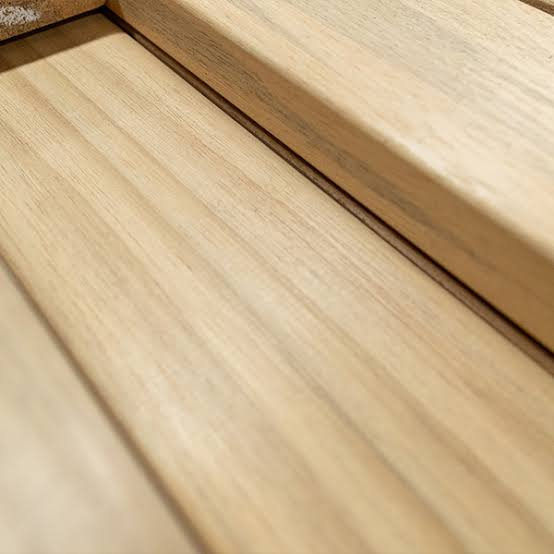
Basswood is the undisputed champion of whittling woods for beginners. It is exceptionally soft, with a fine, consistent grain that holds detail beautifully. It carves cleanly with a sharp knife and is forgiving of mistakes. Basswood is affordable and widely available at craft stores and online. It is perfect for all types of whittling projects, from simple shapes to detailed figures.
2. Butternut
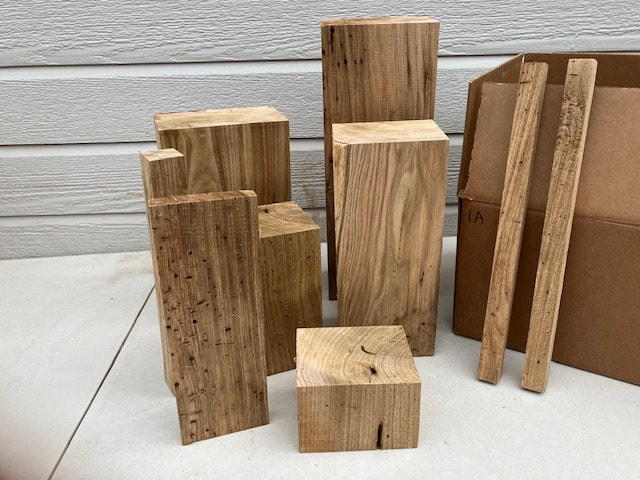
Butternut is a beautiful, light-colored wood that is similar to basswood but slightly harder. It has a straight, consistent grain and carves beautifully. Butternut is a great choice for beginners who want to work with a wood that has a bit more character. It is also a good choice for larger projects and relief carving.
3. Pine
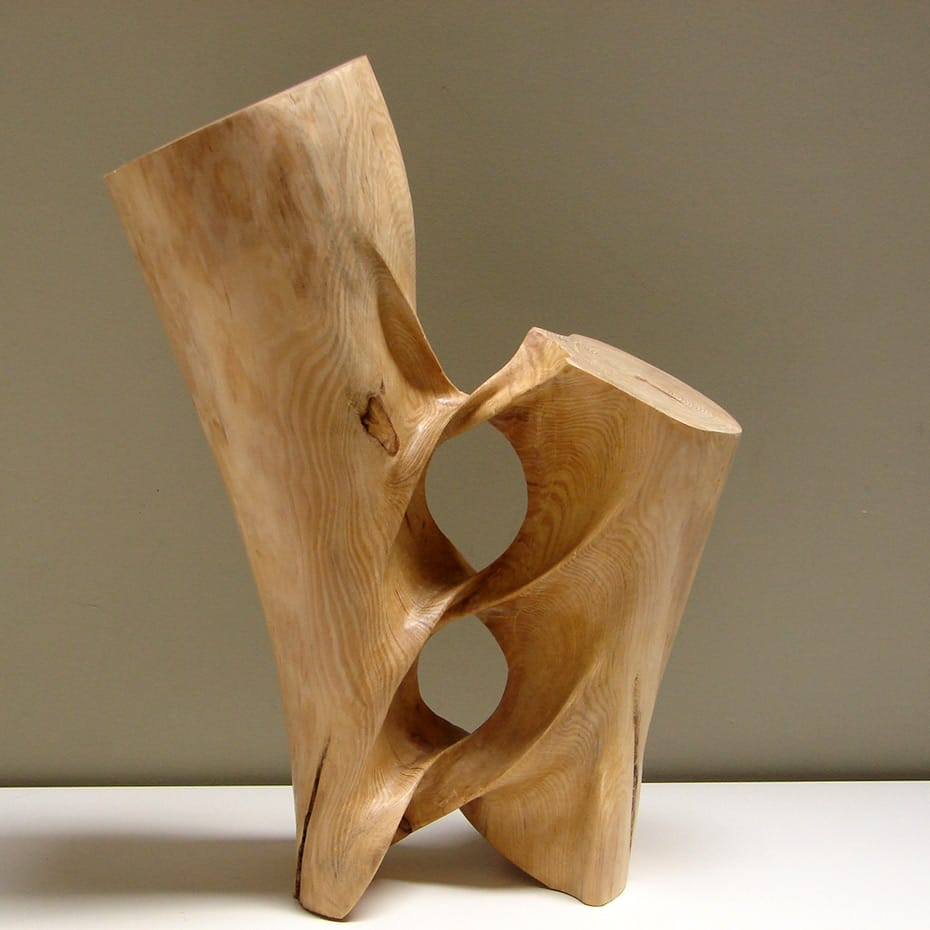
Pine is widely available and affordable, making it a popular choice for beginners. It is soft and easy to carve, but it has distinct hard and soft bands that can make carving tricky. Pine is best suited for simple projects and rough carvings. Choose clear, knot-free pine for the best results.
4. Cedar
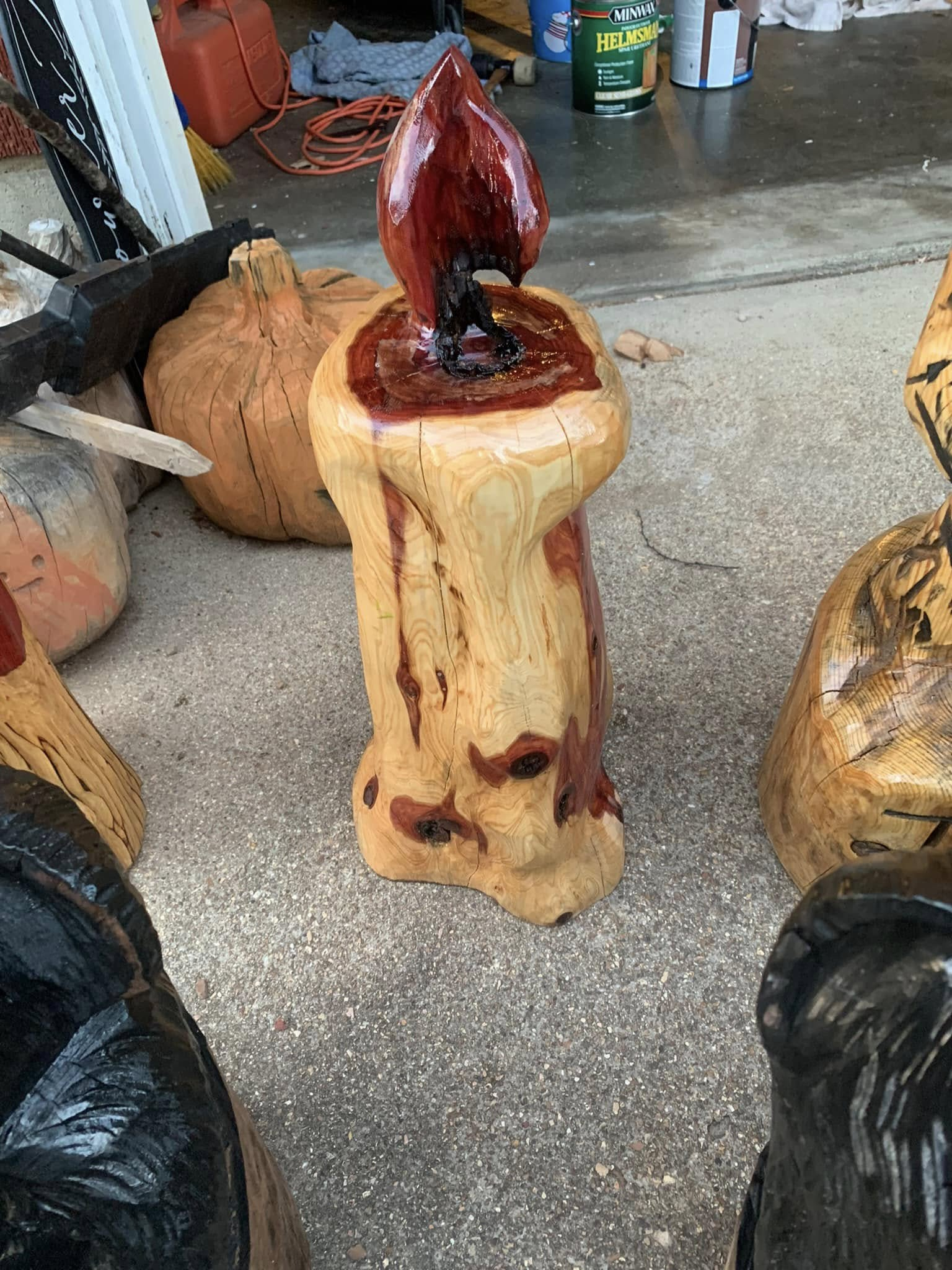
Cedar is a softwood with a distinct, pleasant aroma and beautiful grain. It is easy to carve and takes detail well. Cedar is a good choice for beginners who want to work with a wood that has a natural beauty and a pleasant scent. It is also resistant to decay, making it suitable for outdoor projects.
5. Birch
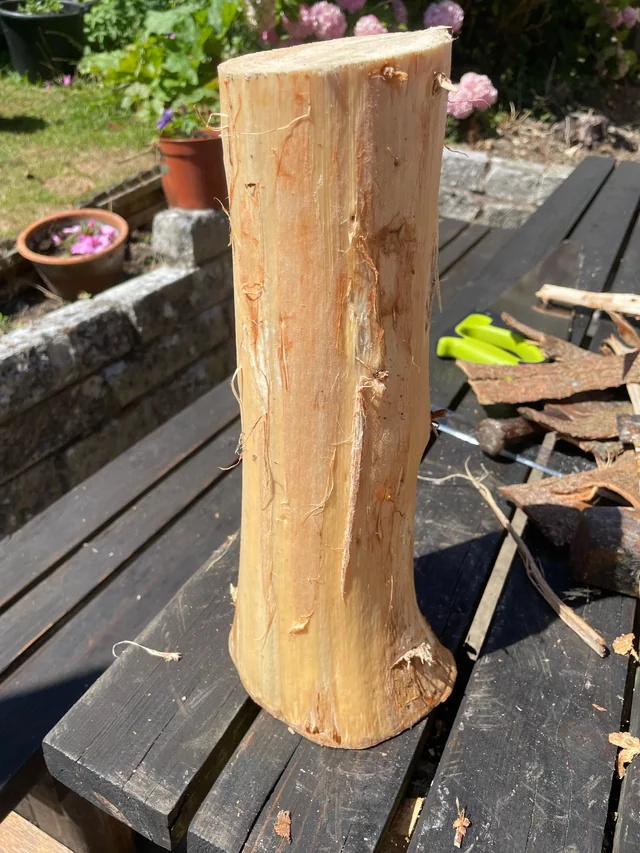
Birch is a hardwood that is harder than basswood but still carves well with a sharp knife. It has a fine, consistent grain and a beautiful, pale color. Birch is a good choice for beginners who want to progress to a harder wood. It is often used for carving spoons and kitchen utensils.
6. Poplar
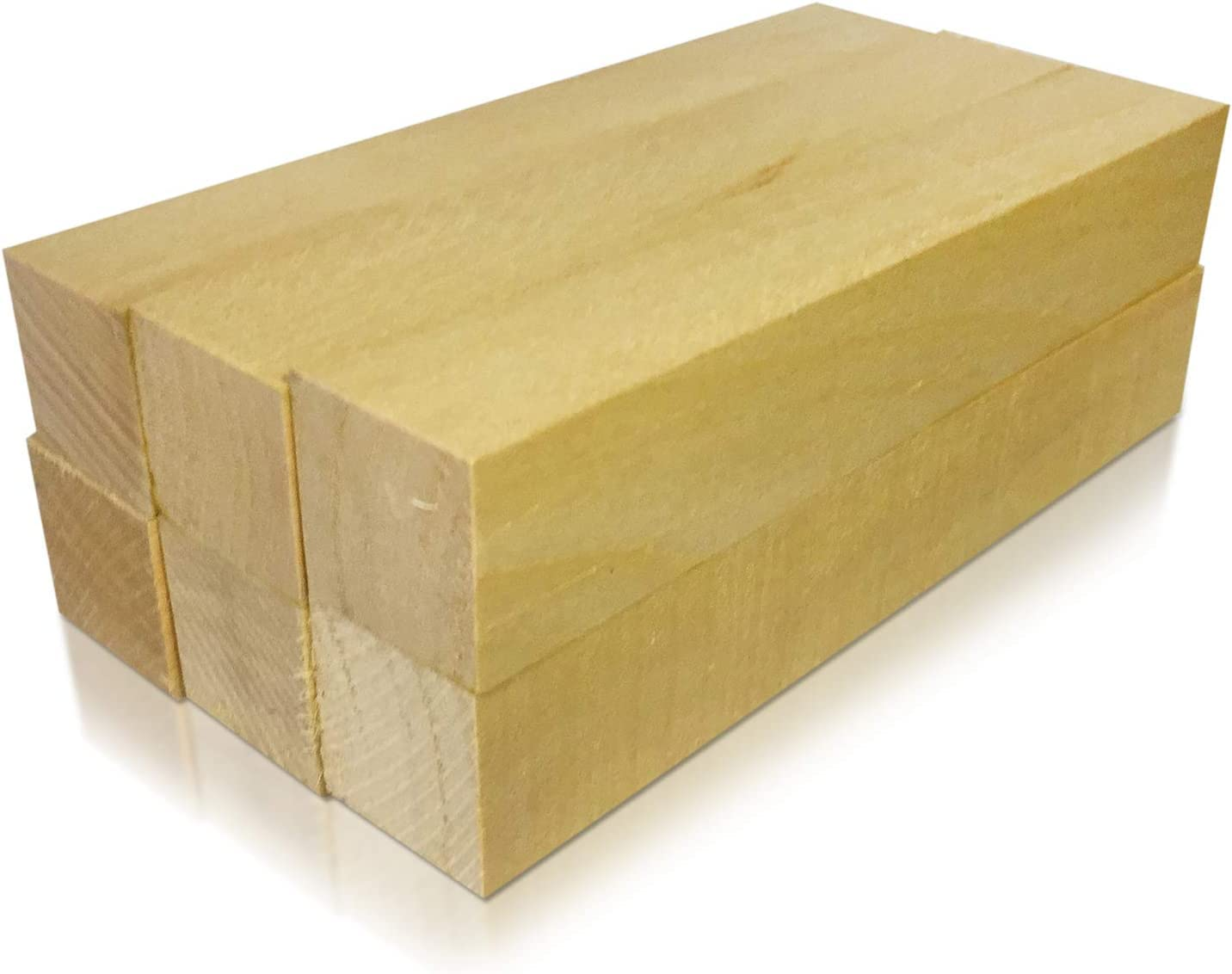
Poplar is a softwood that is similar to basswood in carving properties. It has a straight, consistent grain and is easy to carve. Poplar is affordable and widely available. It is a good alternative to basswood for beginners who want to try a different wood.
7. Alder
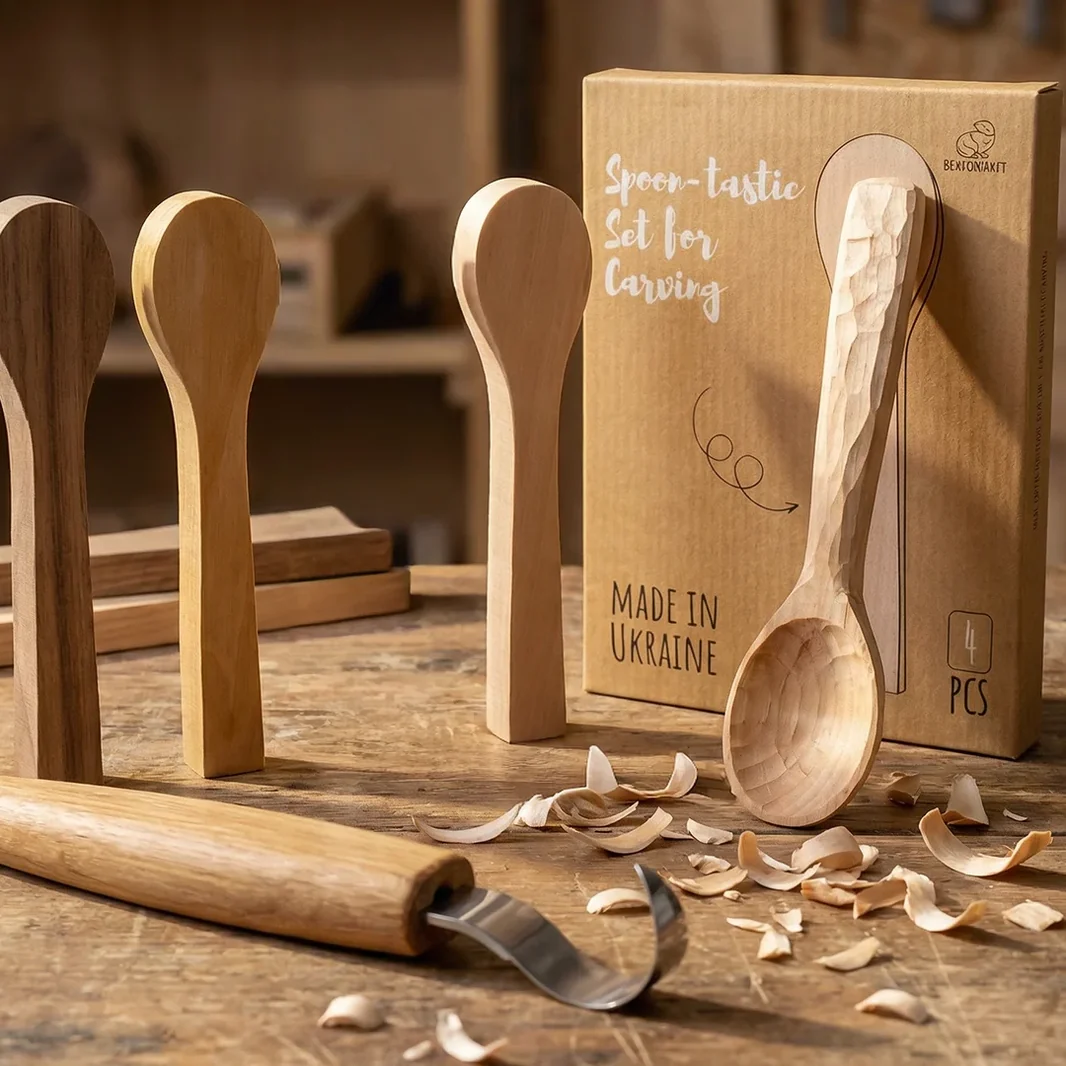
Alder is a soft hardwood that is easy to carve with a sharp knife. It has a straight, consistent grain and a beautiful, reddish-brown color. Alder is a good choice for beginners who want a wood with a bit more character and color.
8. Spruce
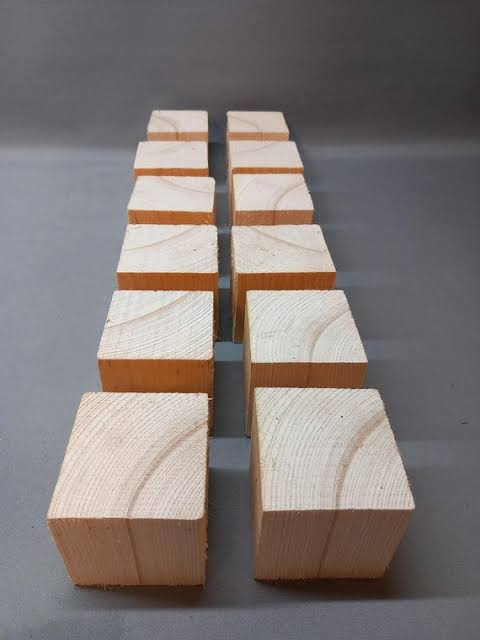
Spruce is a softwood that is similar to pine but with a more consistent grain. It is easy to carve and widely available. Spruce is a good choice for beginners who want a soft, affordable wood for practice.
9. Limewood
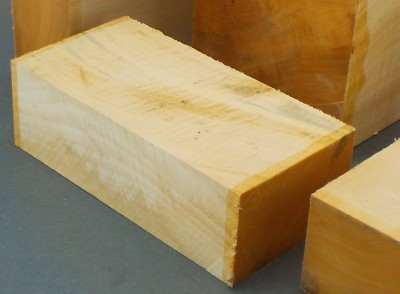
Limewood is a European relative of basswood and shares many of the same properties. It is soft, has a fine, consistent grain, and carves beautifully. Limewood is a popular choice for carvers in Europe. It is excellent for detailed carving and relief work.
10. Willow
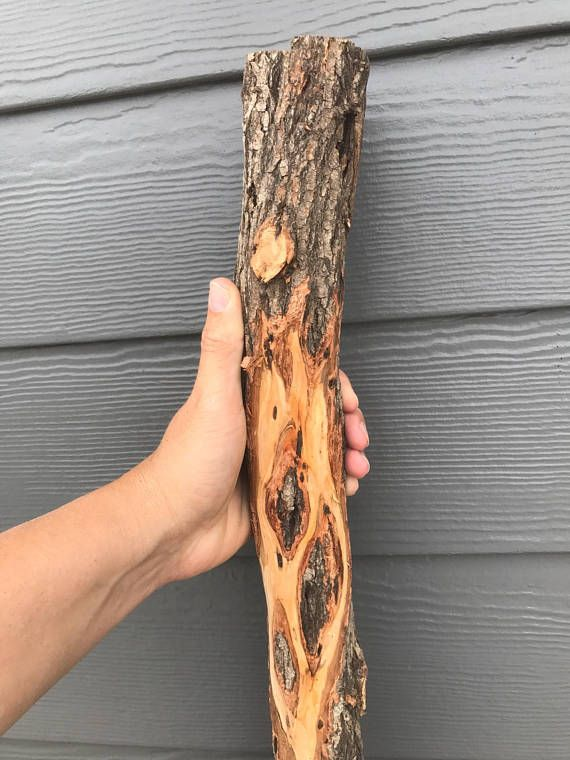
Willow is a softwood that is easy to carve and has a beautiful, flowing grain. It is a good choice for beginners who want to carve organic, flowing shapes. Willow is often used for carving spoons and other curved objects.
11. Jelutong
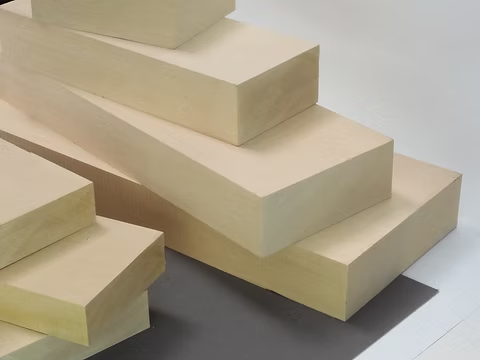
Jelutong is a tropical hardwood that is surprisingly soft and easy to carve. It has a fine, consistent grain and is often used for carving detailed figures and patterns. Jelutong is a good choice for beginners who want to try a unique wood.
12. Mahogany
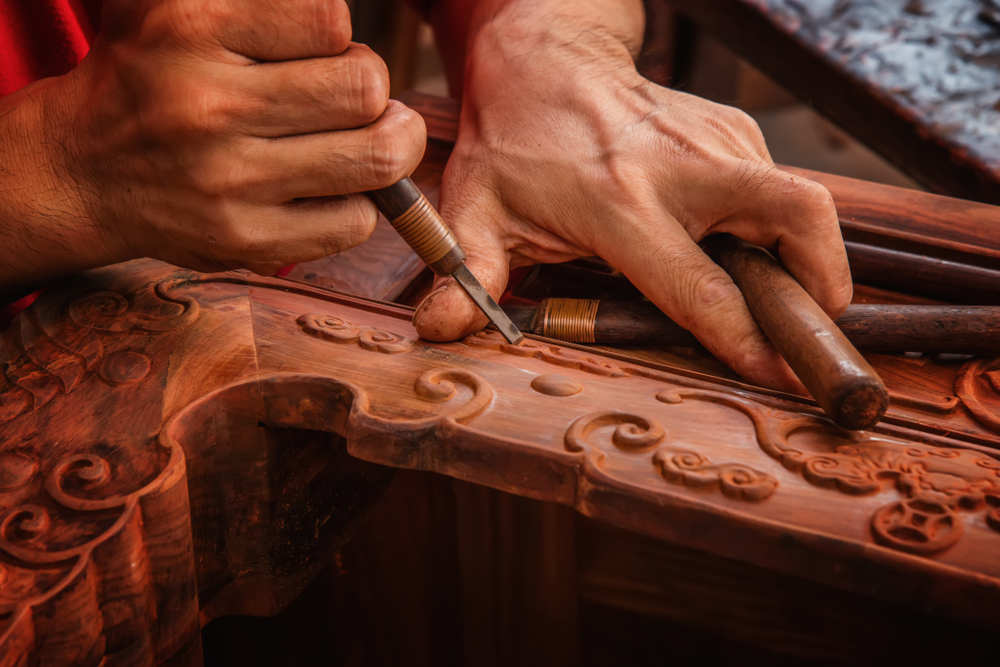
Mahogany is a hardwood that is harder than basswood but still carves well with a sharp knife. It has a beautiful, rich color and a straight grain. Mahogany is a good choice for beginners who want to work with a more premium wood for a special project.
13. Cherry
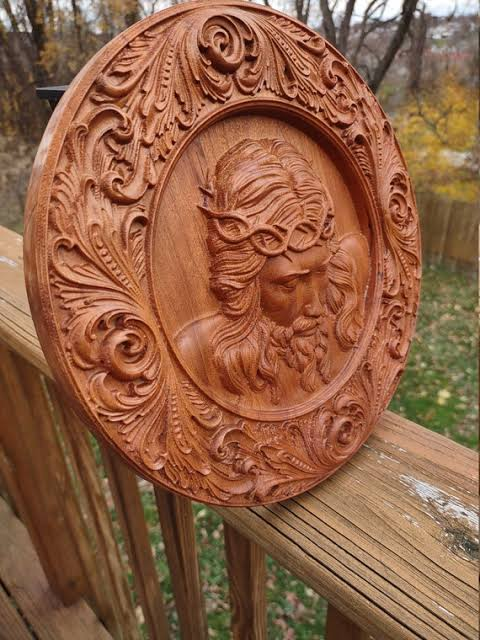
Cherry is a hardwood that is harder than basswood but carves beautifully with a sharp knife. It has a fine, consistent grain and a beautiful, reddish-brown color that deepens with age. Cherry is a good choice for beginners who want to carve a special, heirloom-quality piece.
Section: Tips for Choosing and Preparing Your Wood
When choosing wood for whittling, look for pieces that are free of knots, cracks, and other imperfections. The wood should be straight-grained and consistent in color. Avoid wood that has been treated with chemicals or preservatives. Green wood (freshly cut) is easier to carve than seasoned wood, but it may crack as it dries. Seasoned wood (dried) is more stable and holds detail well.
Before carving, prepare your wood by sanding the surface smooth. This will make it easier to transfer patterns and create clean cuts. If you are working with green wood, seal the ends with wax or a commercial sealer to prevent cracking as it dries. Always work in a well-lit, well-ventilated area, and keep your tools sharp.
Frequently Asked Questions About Wood for Whittling
What is the best wood for whittling for beginners?
Basswood is the best wood for whittling for beginners. It is soft, has a consistent grain, is easy to carve, and is widely available.
What wood should beginners avoid?
Beginners should avoid hardwoods like oak, maple, and walnut. They are difficult to carve and will quickly dull your knife. Also avoid woods with wild grain patterns or many knots.
Can I whittle with wood from my backyard?
Yes, you can whittle with wood from your backyard, but it is important to use green wood that is freshly cut. Avoid wood that is rotten or has been treated with chemicals. Some good backyard woods include willow, birch, and poplar.
Where can I buy wood for whittling?
You can buy wood for whittling at craft stores, online retailers, and specialty woodworking stores. Basswood is the most common and widely available.
Do I need to dry wood before whittling?
Green wood is easier to carve but may crack as it dries. Seasoned wood is more stable and holds detail better. For beginners, seasoned basswood is the best choice.
Conclusion
Choosing the right wood is the first and most important step on your whittling journey. Basswood is the clear winner for beginners, offering the perfect balance of softness, grain consistency, and affordability. As you gain experience, you can explore other woods like butternut, birch, and cedar, each offering unique properties and challenges. Remember to choose wood that is free of knots and imperfections, keep your tools sharp, and enjoy the process of learning this beautiful craft. With the right wood and a little practice, you will be creating beautiful carvings in no time.