
The best outdoor oil finish depends on the wood. Dense hardwoods such as ipe, teak and mahogany need a thin, deeply penetrating hardwood oil. Softwood decks and fences do better with a water-repellent protector. Garden furniture suits a wipe-on exterior oil that is easy to renew each year.
Whatever you choose, an oil finish is a maintenance finish. It soaks in instead of forming a film, so it never peels, but it does need renewing, usually once a year. If you want something you can leave for several years, see the other options in how to treat wood for outdoor use.
Our picks at a glance
| Product | Best for | Type |
|---|---|---|
| Cabot Clear Wood Protector | Softwood decks and fences | Clear water-repellent protector |
| Penofin Marine Oil Finish | Teak, mahogany and other dense hardwoods | Penetrating hardwood oil |
| WOCA Denmark Exterior Wood Oil | A low-odour, plant-based option | Water-dilutable exterior oil |
| DeckWise Ipe Oil | Ipe and other hardwood decks | Oil-based hardwood deck finish |
| General Finishes Outdoor Oil | Outdoor furniture | Wipe-on exterior oil |
Cabot Clear Wood Protector: best for softwood decks and fences
[Keep the existing Cabot Clear Wood Protector product box here]
Cabot Clear Wood Protector goes on easily, dries clear and makes water bead on the surface. It darkens the wood only slightly, so it suits anyone who wants the deck to keep its natural colour.
What we like: simple to apply; clear finish; good water beading.
Watch out for: some users report the surface staying slippery after application. Apply thin coats, wipe up anything that has not soaked in, and keep off the deck until it is fully dry.
Penofin Marine Oil Finish: best for teak and dense hardwoods
[Keep the existing Penofin Marine Oil Finish product box here]
Penofin is made to soak into dense, oily hardwoods that other finishes struggle to penetrate. It leaves a natural, low-sheen surface with no film, so the wood can breathe and there is nothing to peel.
What we like: penetrates teak and mahogany; hand-rubbed look; no surface film.
Watch out for: the wood needs thorough sanding or cleaning first, the oil darkens some species, and in exposed spots it may need renewing more than once a year.
WOCA Denmark Exterior Wood Oil: best plant-based option
[Keep the existing WOCA Denmark Exterior Wood Oil product box here]
WOCA's exterior oil is water-dilutable and plant-based, with low odour, which makes it pleasant to use on furniture close to the house. It will not peel or chip, and a little goes a long way, though very dry wood drinks more.
What we like: low odour; easy clean-up; no peeling.
Watch out for: WOCA recommends its own cleaner and refresher for upkeep, which adds to the running cost.
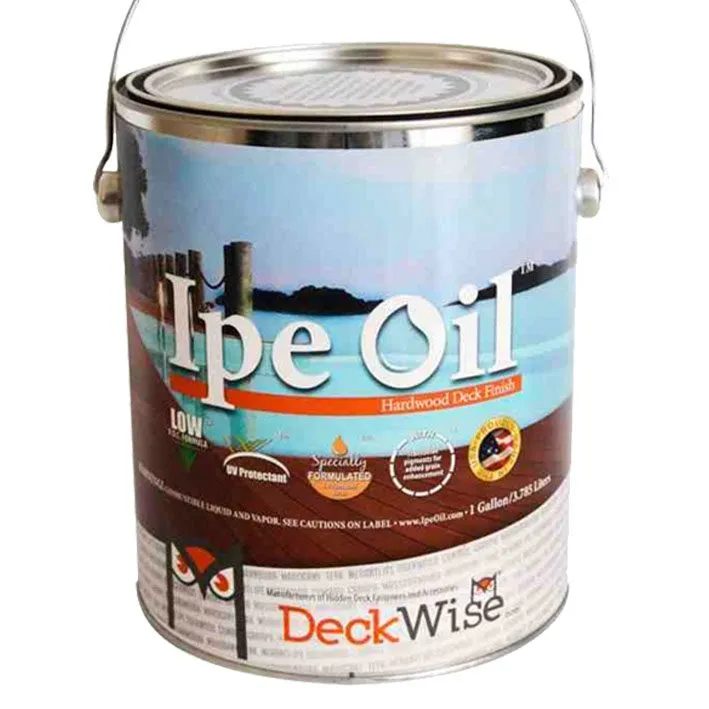
DeckWise Ipe Oil: best for hardwood decks
[Keep the existing DeckWise Ipe Oil product box here]
DeckWise Ipe Oil is an oil-based finish made for ipe and other exotic hardwood decking, as well as thermally modified wood. It is a one-coat product that leaves no surface film.
What we like: made for very dense decking; one coat; no film to peel.
Watch out for: it puddles and stays tacky if over-applied, so wipe off the excess, and it costs more than general-purpose deck oils.
General Finishes Outdoor Oil: best for outdoor furniture
[Keep the existing General Finishes Outdoor Oil product box here]
General Finishes Outdoor Oil is a wipe-on finish for outdoor furniture. It can be built up in several coats for more protection.
What we like: easy to apply and to renew; multiple coats possible.
Watch out for: plan on recoating every year, allow about 36 hours before using the furniture, and test first on very oily exotic woods, where it can be slow to cure.
Types of outdoor oil finish
"Outdoor oil" on a label can mean several different things.
| Type | What it is | Best for |
|---|---|---|
| Hardwood or decking oil | Thin penetrating oil with UV inhibitors, often lightly tinted | Ipe, teak, mahogany and hardwood decks |
| Teak oil | A blend of oil, solvent and usually some varnish; it does not come from teak | Teak and other hardwood furniture |
| Tung oil | A natural drying oil with good water resistance | Furniture and small projects; slow to build |
| Boiled linseed oil | An inexpensive natural drying oil | Tool handles and budget projects; can mildew outdoors |
| Danish oil | An oil and varnish blend, mostly sold for interior use | Sheltered pieces only, unless labelled exterior |
| Water-repellent protector | A clear sealer with waxes or resins in a light oil or water base | Softwood decks and fences |
For the lowest-cost options, including a blend you can mix yourself, see the cheapest way to waterproof wood.
How to choose an outdoor oil finish
Match the oil to the wood. Dense, oily hardwoods need a thin oil formulated to penetrate them; a thick oil sits on the surface and stays sticky. Softwoods such as pine and cedar absorb almost anything, so protection against water and sun matters more than penetration. We cover specific woods in how to treat cedar for outdoor use, how to treat pine for outdoor use and how to treat acacia wood for outdoor furniture.
Look for UV protection. Oil alone does little against sunlight. Products with UV inhibitors, or with a light tint, keep the wood's colour much longer than a perfectly clear oil.
Check the recoat interval. Most outdoor oils need renewing about once a year, and more often on horizontal surfaces in full sun.
Consider slip and drying time on decks. An over-applied oil can leave a walking surface slick. Choose a product meant for decking and wipe off the excess.
Read the coverage. Dry or weathered wood can take twice as much oil as the label suggests on the first coat.
Oil vs other outdoor wood finishes
| Finish | Look | Typical life outdoors | When it fails |
|---|---|---|---|
| Penetrating oil | Natural, matte | About 1 year | Fades; clean and re-oil |
| Stain and sealer | Tinted, grain shows | 2 to 4 years | Fades; clean and recoat |
| Spar urethane or varnish | Clear, glossy film | 1 to 3 years in sun | Cracks and peels; must be sanded back |
| Exterior paint | Solid colour | 5 years or more on vertical surfaces | Peels; scrape and repaint |
Oil is the right choice when you want the wood to look and feel like wood and you would rather do a quick job every year than a big one every few years. If colour and longer intervals matter more, read should you stain or seal your wood.
How to apply an outdoor oil finish
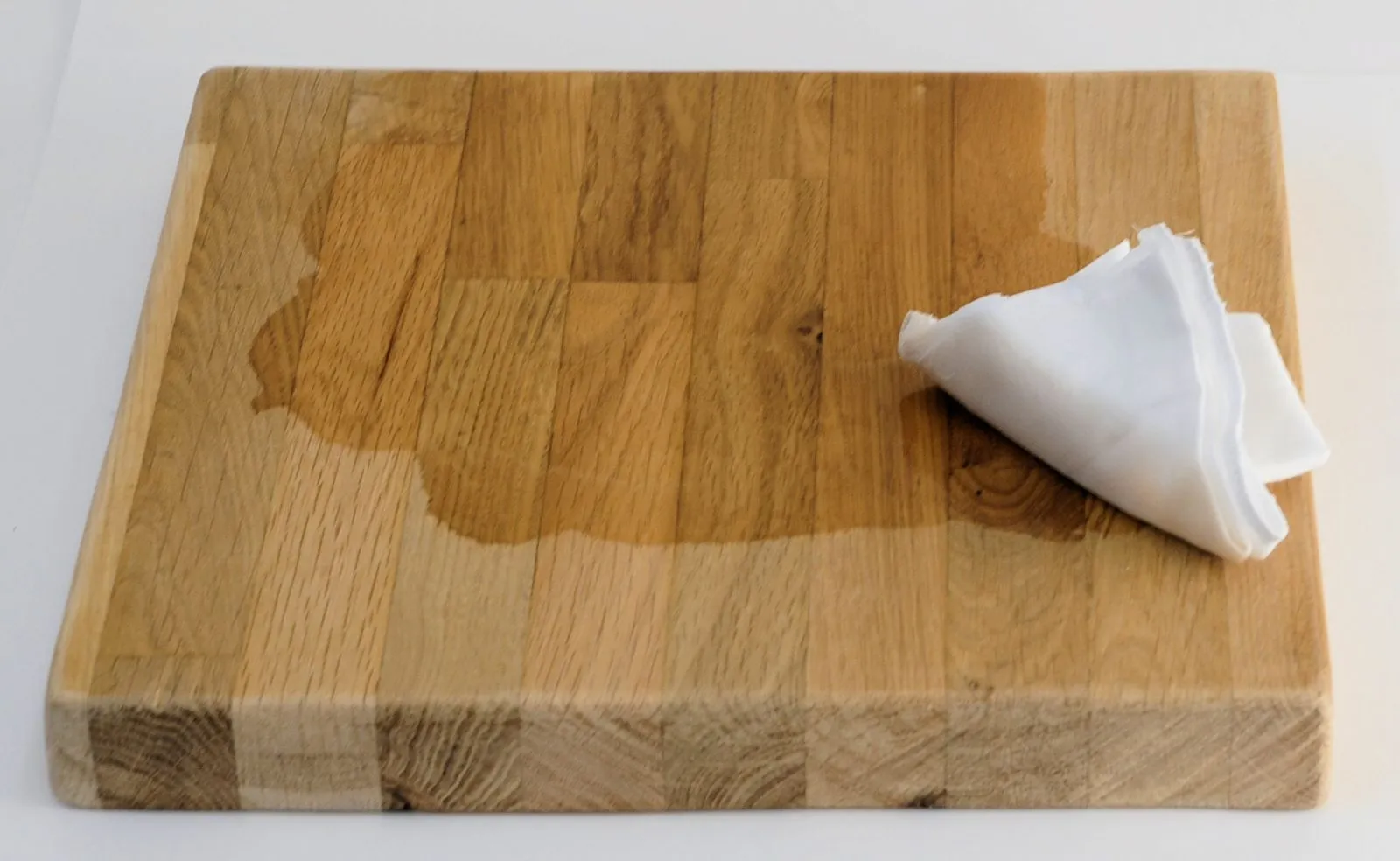
- Clean the wood. Remove dirt, mildew and grey weathered fibres with a wood cleaner and a stiff brush. Rinse and let it dry for at least 48 hours.
- Sand if needed. New or previously finished wood benefits from a light sand so the oil can soak in. Dense hardwoods should be sanded no finer than about 80-grit.
- Pick the right day. Apply in mild, dry weather, out of direct sun, with no rain due for 24 to 48 hours.
- Flood the surface. Brush, pad or rag the oil on generously, working a few boards at a time.
- Let it soak, then wipe. After 15 to 30 minutes, wipe off everything that has not been absorbed. Oil left on the surface turns sticky and shiny.
- Recoat if the label allows. Some oils take a second coat while the first is still wet; hardwood deck oils are often one coat only.
- Let it dry before use, typically 24 to 48 hours.
Safety: rags soaked in drying oils can ignite on their own as they dry. Lay them flat outdoors until stiff, or soak them in water in a sealed metal can.
How to maintain an oiled finish
- Do the water test each spring. If water soaks in instead of beading, it is time to re-oil.
- Clean before every recoat, or you seal the dirt in.
- Recoat before the wood turns grey. Once it has, you will need a wood cleaner or brightener first.
- Do not put a film finish such as varnish over an oiled surface without removing the oil.
Frequently asked questions
What is the best oil for outdoor wood furniture?
A wipe-on exterior oil with UV inhibitors, or a teak oil for teak and other hardwoods. Both are easy to renew each year without sanding back.
How often should you oil outdoor wood?
About once a year for most products, and up to twice a year for horizontal surfaces in strong sun. Go by the water test, not the calendar.
Is oil or varnish better for outdoor wood?
Oil is easier to apply and to maintain, and it never peels, but it needs renewing yearly. Varnish gives a glossier, more protective film that lasts longer between coats and is much more work to repair when it eventually cracks.
Is teak oil good for outdoor use?
Yes, on teak and other dense hardwoods. It restores colour and repels water, but it needs regular reapplication and gives limited UV protection unless the product includes inhibitors.
Can you use linseed oil on outdoor wood?
You can, and it is cheap, but boiled linseed oil gives only modest water resistance, has no UV protection and can encourage mildew in damp, shaded spots.
Does outdoor oil stop wood going grey?
It slows it. Greying is caused by sunlight, so a tinted oil or one with UV inhibitors holds the colour far longer than a clear oil.
Can you oil pressure-treated wood?
Yes, once the wood has dried enough to absorb it. Do the water test first; see how long pressure-treated wood lasts.
Can you put oil over an old stain or sealer?
Only if the old finish has worn away enough for the oil to soak in. If water still beads on the surface, strip or sand it first.
The bottom line
Choose a penetrating hardwood oil for teak, ipe and mahogany, a clear water-repellent protector for softwood decks and fences, and a wipe-on exterior oil for furniture. Apply it thinly, wipe off the excess and plan to renew it once a year.
Read next
- How to Treat Wood for Outdoor Use
- The Cheapest Way to Waterproof Wood
- How to Treat Cedar for Outdoor Use
- How to Treat Acacia Wood for Outdoor Furniture
- Should You Stain or Seal Your Wood?
- Best Deck Sealer for Old Decks

Mego says
Thank you for your comment! When it comes to preserving the natural beauty of your whiskey barrels, outdoor oil finishes are a great option. With annual reapplication, oils can provide long-lasting protection. You can consider using Cabot Clear Wood Protector, Penofin Marine Oil Finish, or WOCA Denmark - Exterior Wood Oil. Remember to follow the application instructions for best results. Enjoy your beautiful wood barrels in the outdoors!