To remove dried wood glue, warm it with a hair dryer until it softens, pare it off with a sharp chisel or scraper held almost flat, then sand the spot with 120 to 180-grit paper. That works on bare wood for ordinary white and yellow wood glue. Other glues need a different approach, and finished furniture needs a gentler one, because the solvents that dissolve glue can dissolve the finish too.
So before you start, answer two questions: what kind of glue is it, and is the wood bare or finished?
The right method for each glue
| Glue | What softens it | Best removal method |
|---|---|---|
| White or yellow wood glue (PVA) | Heat, warm water, white vinegar | Warm it, pare with a chisel or scraper, sand |
| Super glue (CA) | Acetone | Acetone on a cotton swab, then scrape; bare wood only |
| Epoxy | Heat while cured; alcohol or acetone only while uncured | Heat gun on low to soften, then scrape and sand |
| Polyurethane glue (expanding, such as Gorilla Glue) | Nothing once cured | Slice off the foam with a chisel, then sand |
| Hot glue | Rubbing alcohol at the edge; heat or cold | Drip alcohol around the edge and peel |
| Hide glue | Warm water or steam | Dampen with warm water and wipe or scrape |
| Construction adhesive | Heat; mineral spirits softens some types | Heat, scrape, clean residue with mineral spirits |
| Contact cement | Mineral spirits, naphtha or acetone | Soften with solvent and rub or scrape off |
| Tape and sticker residue | Mineral spirits or cooking oil | Rub with a cloth, then wash |
Not sure which glue you have? Yellow or white and brittle is wood glue. Clear, glassy and thin is super glue. Hard, thick and amber or clear is epoxy. Tan and foamy is polyurethane glue. Our guide to the types of adhesives explains how each one works.
Bare wood or finished wood?
Bare wood is the forgiving case. You can scrape, sand and use solvents freely, because the surface will be sanded and finished afterwards anyway.
Finished wood needs care. Acetone and alcohol soften or strip lacquer, shellac and some varnishes, and scraping can cut through the finish. Work up from the mildest method:
- Warm soapy water on a cloth
- A plastic scraper or an old credit card
- Gentle heat from a hair dryer
- Cooking oil or mineral spirits for sticky residue
- Solvent on a cotton swab, tested first somewhere hidden
If the finish does get marked, see how to buff out scratches in polyurethane.
How to remove dried wood glue (PVA)
White and yellow wood glue is the most common case, usually as squeeze-out along a joint.
- Soften it. Warm the glue with a hair dryer on high, or a heat gun on low, for 20 to 30 seconds, keeping it moving. Alternatively, lay a cloth dampened with warm water or white vinegar over it for 10 to 15 minutes.
- Pare it off. Hold a sharp chisel bevel-down and nearly flat to the surface, and push it under the glue along the grain. A card scraper or a razor blade held at a low angle also works. Let the edge do the work; digging in gouges the wood.
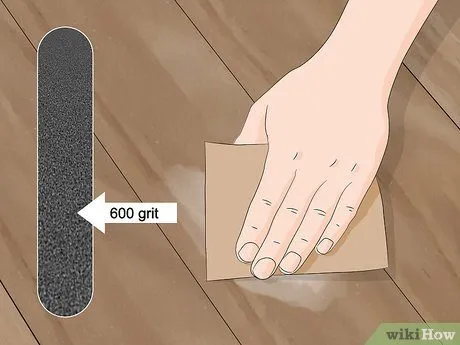
- Sand. Smooth the area with 120-grit paper, then 150 or 180-grit, sanding with the grain.
- Check for a film. Wipe the area with mineral spirits or a damp cloth. Any remaining glue shows up as a pale patch that stays lighter than the wet wood around it. Sand again until it is gone.
That last step matters if you plan to stain. Glue seals the wood's pores, so even an invisible smear leaves a light blotch that stain will not colour.
How to remove super glue from wood
Super glue (cyanoacrylate) dissolves in acetone.
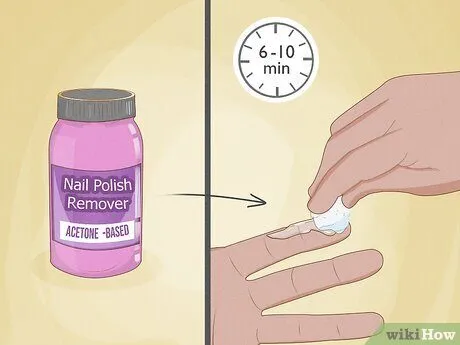
- On bare wood: dab acetone or acetone-based nail polish remover onto the glue with a cotton swab, wait a minute or two, then scrape with a plastic scraper or chisel. Repeat, then sand lightly.
- On finished wood: acetone will damage most finishes. Try warm soapy water and a plastic scraper first, then carefully shave the glue with a razor blade held flat. Use acetone only as a last resort, on a swab, and expect to touch up the finish.
How to remove epoxy from wood
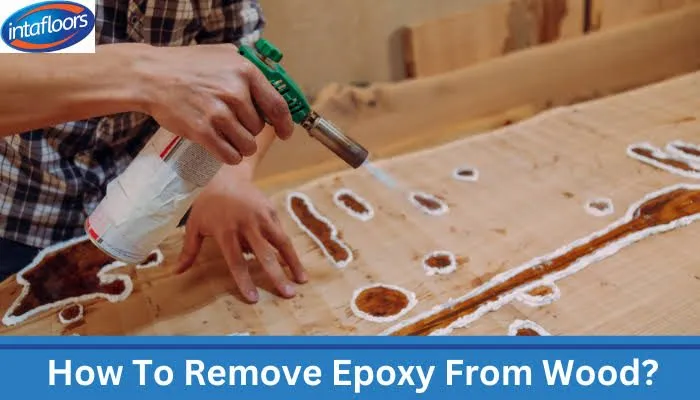
Cured epoxy does not dissolve in household solvents, but it does soften with heat.
- Warm the epoxy with a heat gun on its lowest setting, moving constantly, until a scraper can bite into it. Do not scorch the wood.
- Scrape it away while it is soft.
- Sand off what remains, starting at 80 or 100-grit.
Epoxy that has not yet cured wipes off with denatured alcohol or acetone, so deal with drips as soon as you see them. More on these products in the top epoxy resins for woodworking.
How to remove polyurethane glue (Gorilla Glue)
Expanding polyurethane glue cures into a hard foam that no solvent will dissolve. Slice the foam off flush with a sharp chisel, then sand. It cuts most cleanly once fully cured, so wait until it is hard. Wet glue can be wiped off with mineral spirits or acetone.
How to remove hot glue
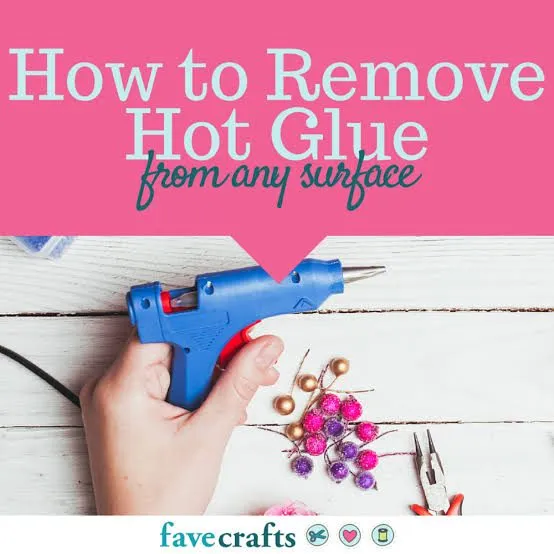
Drip rubbing alcohol around the edge of the glue. It breaks the bond in a few seconds and the blob peels off whole. On unfinished wood you can also warm it with a hair dryer and wipe it away, or chill it with an ice pack until it is brittle and pops off.
How to remove construction adhesive and contact cement
Warm construction adhesive with a heat gun on low and scrape it while soft. Clean the residue with mineral spirits. Contact cement softens with mineral spirits or naphtha; rub it off with a cloth or your thumb once it loosens. Ventilate well and keep solvents away from flames.
How to remove sticky residue from tape and labels
Rub with a cloth dampened in mineral spirits, or work in a little cooking oil, leave it for a few minutes and wipe. Wash off with soapy water and dry. Both are safe on most cured finishes.
Do home remedies work?
- White vinegar and warm water do soften PVA wood glue and hide glue. They do nothing for super glue, epoxy or polyurethane glue.
- Cooking oil, mayonnaise and petroleum jelly work on sticky adhesive residue, because the oil loosens it. They will not soften hardened wood glue, and oil left in bare wood can interfere with a later finish.
- Steel wool removes glue from bare wood but scratches finishes and leaves fibres that rust under water-based coatings. Use sandpaper or a synthetic abrasive pad instead.
Safety
Work with solvents in a ventilated space, away from flames and sparks, and wear gloves and eye protection. Keep a heat gun moving and never use it near solvent fumes. Cut away from yourself with chisels and blades.
How to prevent glue squeeze-out in the first place
Removing glue is always more work than avoiding it.
- Use less glue. A thin, even film on one surface is enough. A small, even bead of squeeze-out along the joint shows you used the right amount.
- Tape the joint. Run painter's tape along both sides of the joint line before glue-up. Squeeze-out lands on the tape and peels away with it.
- Do not smear it. Wiping wet glue with a rag pushes it into the grain and leaves a film that blocks stain.
- Wait for the rubbery stage. After about 20 to 30 minutes, wood glue turns leathery. At that point it peels off cleanly with a chisel, leaving almost nothing behind. This is the easiest moment to remove it.
- Finish before assembly where you can. Glue does not stick well to finished surfaces, so squeeze-out pops off.
For glue-ups and joints, see the best method for joining wood and does wood glue work on painted wood.
Frequently asked questions
What dissolves dried wood glue?
Nothing dissolves cured PVA wood glue outright, but heat, warm water and white vinegar soften it enough to scrape away. Acetone dissolves super glue.
Does vinegar remove wood glue?
It softens white and yellow wood glue if you keep it in contact for 10 to 15 minutes. It does not work on super glue, epoxy or polyurethane glue.
Will acetone damage wood?
Acetone does not harm bare wood and evaporates quickly, though it can raise the grain slightly. It will damage most wood finishes, so keep it off finished surfaces.
How do you remove dried glue from a hardwood floor?
Floors are finished wood, so start mild: warm soapy water, a plastic scraper, then mineral spirits on a cloth for adhesive residue. Avoid acetone and metal scrapers.
How do you remove glue from wood without sanding?
Soften it with heat or the right solvent and lift it with a plastic or card scraper. On bare wood a light sand afterwards is still the surest way to remove the last film.
Can you stain over dried glue?
No. Glue seals the wood, so stain cannot soak in and the spot stays pale. Remove every trace and check by wiping with mineral spirits before staining.
Does WD-40 or Goo Gone remove glue from wood?
Both loosen sticky residue from tape and labels. Neither softens cured wood glue or epoxy. Wash the area afterwards, since they leave an oily film.
The bottom line
Identify the glue first. Soften ordinary wood glue with heat and pare it off with a sharp chisel, use acetone for super glue on bare wood, heat for epoxy, and a blade for polyurethane glue. On finished wood, start with the mildest method and keep solvents on a cotton swab. Best of all, catch squeeze-out at the rubbery stage and you will rarely need any of this.
Read next
- How to Repair Rotting Wood
- Repairing Large Wood Gaps
- What's the Best Method for Joining Wood?
- Types of Adhesives: The 4 Types You Need to Know
- How to Remove Acrylic Paint From Wood
- Beginners' Guide to Abrasives