Yes, polyurethane protects pine. It forms a hard, clear film that keeps out spills, stains, dirt and scratches, and it is one of the most durable finishes you can put on pine furniture, shelving, trim and floors. It has limits. It will not stop soft pine denting under a knock, and ordinary interior polyurethane does not last outdoors.
For floors specifically, see the best polyurethane for pine floors.
What polyurethane does and does not do for pine
| Does polyurethane protect pine from it? | |
|---|---|
| Spills and water rings | Yes. Liquids sit on the film and wipe off. |
| Food, drink and ink stains | Yes |
| Dirt and fingerprints | Yes. The surface wipes clean. |
| Light scratches and wear | Yes. The film takes the wear, not the wood. |
| Dents | No. Pine is soft and compresses under the film. |
| Yellowing with age | No. Pine darkens with light whatever you put on it. |
| Swelling and shrinking with humidity | Partly. It slows moisture moving in and out. It does not stop it. |
| Sun and rain outdoors | Not with interior polyurethane. Use an exterior product. |
| Rot and insects | No. That needs a preservative. |
Polyurethane is a type of varnish. The words are often used loosely for the same thing: a clear finish that dries to a film on the surface of the wood.
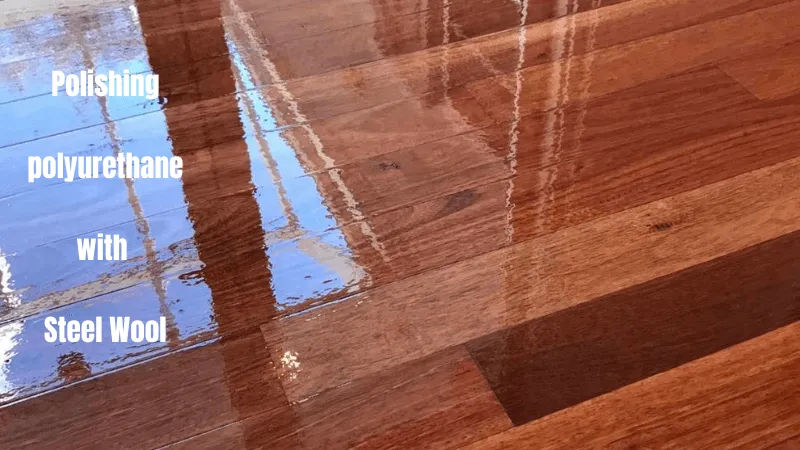
[Keep the existing pine floor image here. Alt text: applying polyurethane to pine floorboards]
Oil-based or water-based on pine?
| Oil-based | Water-based | |
|---|---|---|
| Colour | Adds a warm amber tone that deepens with age | Clear. Keeps pine paler. |
| Build | Thick. Fewer coats. | Thin. More coats. |
| Drying | Slow | Fast |
| Odour | Strong | Low |
| Clean-up | Mineral spirits | Water |
| Raises the grain | Little | More. Sand lightly after the first coat. |
| Best on pine when | You want a traditional golden look | You want pale, natural or whitewashed pine |
As a guide to timing, Minwax gives 4 to 6 hours between coats for its oil-based Fast-Drying Polyurethane. For its water-based Polycrylic it gives 2 hours to recoat, 3 hours before light handling and 24 hours before normal use. Other products differ, so read the label.
Three things to know about pine before you finish it
Knots bleed
Pine knots are full of resin. It can seep through a finish for months and leave yellow-brown rings, especially under paint and pale finishes. Seal knots with a coat of dewaxed shellac before you apply polyurethane.
Pine blotches under stain
Soft areas soak up more stain than hard ones. If you want to colour pine before the polyurethane, apply a pre-stain wood conditioner first, or use a gel stain, and test on an offcut. See types of wood stains.
Pine is soft
A hard finish on a soft wood is like glass on a cushion. It resists scratches well and can still crack over a sharp dent. Choose a satin or matte sheen, which hides dents far better than gloss. See satin vs semi-gloss.
How to apply polyurethane to pine
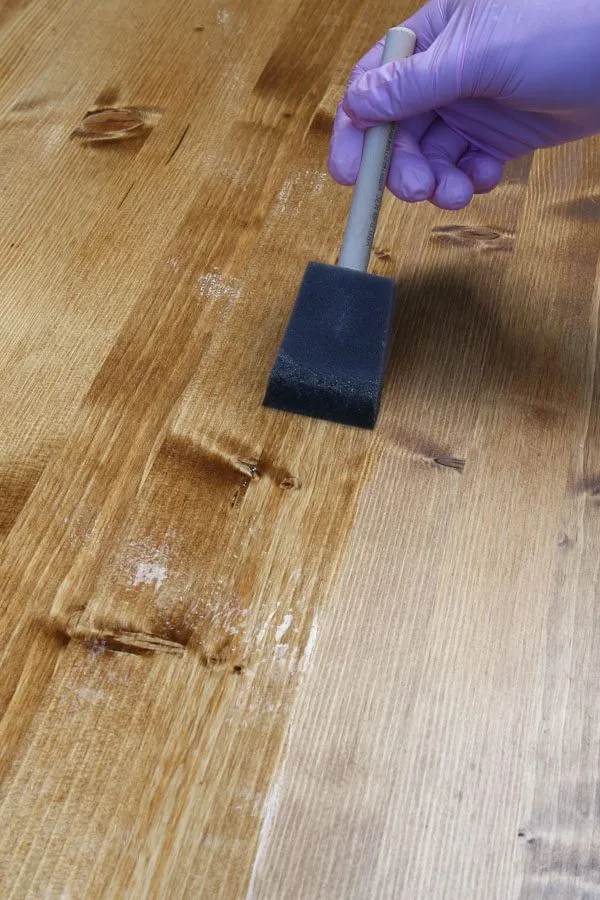
You need: sandpaper in 120, 180, 220 and 320 grit, a vacuum and a lint-free cloth, dewaxed shellac for knots, the polyurethane, and a good brush, foam brush or cloth.
- Sand the pine. Work with the grain through 120, 180 and 220 grit. Sand evenly, because uneven sanding shows under a clear finish.
- Remove the dust. Vacuum, then wipe with a cloth barely dampened with water for water-based finish, or mineral spirits for oil-based.
- Seal the knots with a thin coat of dewaxed shellac and let it dry.
- Stain if you want to, over a pre-stain conditioner. Let the stain dry fully.
- Stir the polyurethane. Do not shake it. Shaking makes bubbles.
- Apply a thin first coat with the grain, using long, even strokes. Do not go back over finish that has started to set.
- Let it dry for the time on the label.
- Sand lightly with 320 grit until the surface feels smooth, then remove the dust. The first coat on pine nearly always feels rough, because it raises the grain.
- Apply the second coat. Sand lightly again when it is dry.
- Apply a third coat on surfaces that take wear, and leave it unsanded.
- Let it cure. The finish is dry to the touch within hours but takes much longer to reach full hardness. Use the piece gently for the first week or two.
How many coats?
| Surface | Coats |
|---|---|
| Shelves, trim, panelling and frames | 2 |
| Tabletops, desks and worktops | 3 |
| Floors | 3, or 3 to 4 with water-based |
| Wipe-on polyurethane | Twice as many, because each coat is thinner |
Brush, wipe or spray?
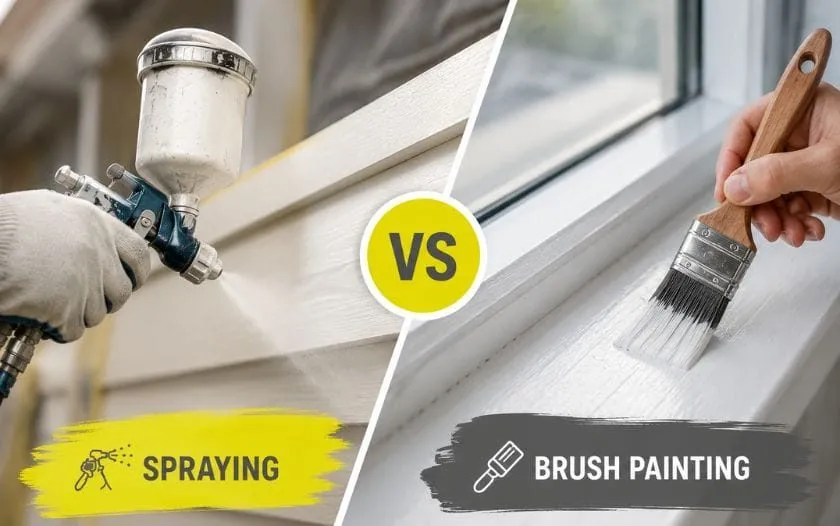
| Method | Good for | Notes |
|---|---|---|
| Brush | Most projects | Use a natural bristle brush for oil-based and a synthetic one for water-based. See the best brushes for polyurethane. |
| Wipe-on | Small pieces, carvings, anything with awkward shapes | Very easy, with no brush marks. Thin coats, so apply more of them. You can buy it ready-mixed or thin oil-based polyurethane about half and half with mineral spirits. |
| Spray | Chairs, cabinets and large or detailed pieces | The smoothest result and the fastest on complicated shapes. See the best spray gun for polyurethane. |
[Keep the existing pine floorboards image here. Alt text: finished pine floorboards with a clear polyurethane coat]
Can you use polyurethane on pine outdoors?
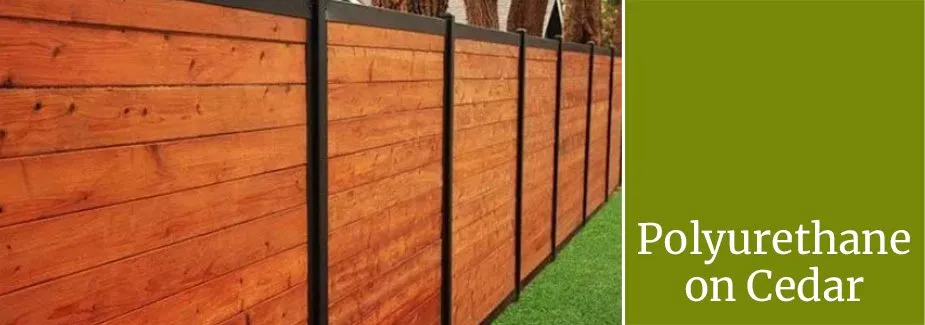
Not the interior kind. Sunlight breaks down ordinary polyurethane, and it then cracks and peels as the wood swells and shrinks underneath. For outdoor pine, use one of these:
- Exterior or spar urethane, which contains UV absorbers and stays more flexible. It still needs re-coating every year or two.
- A penetrating exterior oil or stain, which is easier to renew because it does not peel.
- Exterior paint over a suitable primer, for the longest protection.
Untreated pine also rots outdoors, and no clear finish prevents that. Use pressure-treated pine for anything exposed to the weather. See how to treat pine for outdoor use.
How polyurethane compares with other finishes on pine
| Finish | Protection | Look | Repair |
|---|---|---|---|
| Polyurethane | High | Clear film, any sheen | Recoat the whole surface |
| Hardwax oil | Moderate to good | Natural, low sheen | Easy spot repairs |
| Danish or tung oil | Low to moderate | Natural, in the wood | Easy to renew |
| Shellac | Low against water and alcohol | Warm glow | Easy to repair |
| Wax alone | Low | Soft sheen | Needs regular re-waxing |
| Paint | High | Solid colour | Touch up or repaint |
Penetrating oils look and feel more natural, and they are simpler to repair. They give pine much less protection against spills, stains and wear than a film finish does. For tables, shelves and floors, polyurethane is the stronger choice.
Common problems
| Problem | Likely cause | Fix |
|---|---|---|
| Rough surface after the first coat | Raised grain and dust | Normal on pine. Sand lightly with 320 grit and recoat. |
| Bubbles | Finish shaken, or brushed too fast | Stir gently and brush slowly. Sand out and recoat. |
| Brush marks | Finish overworked, or a poor brush | Use a better brush and leave the finish to level |
| Yellow rings around knots | Resin bleeding through | Sand back, seal with dewaxed shellac and recoat |
| Blotchy colour | Stain applied without conditioner | Sand back and re-stain over conditioner |
| Runs and drips | Coats too thick | Apply thinner coats. Slice off drips when dry and sand smooth. |
| Sticky after days | Thick coats, cold or damp | Add warmth and moving air and wait |
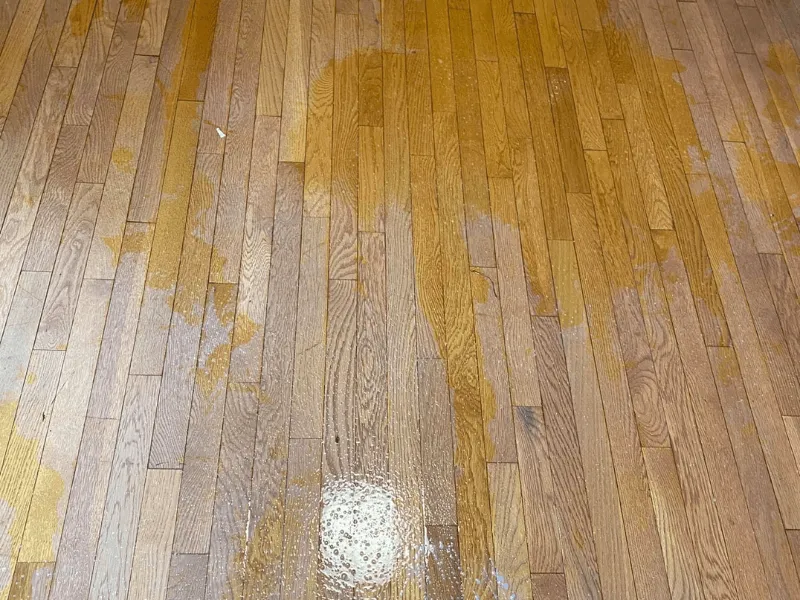
| Finish peeling | Dust, wax or oil underneath, or no sanding between coats | Sand to a sound surface and recoat |
| Pine much yellower than expected | Oil-based finish | Expected. Use water-based for a paler result. |
See how to buff out scratches in polyurethane and cleaning and storing polyurethane brushes.
Mistakes to avoid
- Skipping the knot sealer.
- Staining pine without a conditioner.
- Shaking the can.
- Applying thick coats to finish sooner.
- Not sanding between coats.
- Using interior polyurethane outdoors.
- Choosing gloss on a soft wood.
- Putting the piece into heavy use the next day.
FAQ
Is polyurethane a good finish for pine?
Yes. It is one of the most protective clear finishes for pine indoors.
How many coats of polyurethane does pine need?
Two for low-wear surfaces and three for tables, desks and floors.
Does polyurethane make pine yellow?
Oil-based polyurethane adds an amber tone. Water-based stays clear. Pine also darkens naturally with light.
Do I need to seal pine before polyurethane?
Seal the knots with dewaxed shellac. The rest of the board does not need a separate sealer. The first coat of polyurethane seals it.
Will polyurethane stop pine denting?
No. It protects the surface, but soft wood can still dent underneath.
Can I put polyurethane over stained pine?
Yes, once the stain is fully dry.
Should I use oil-based or water-based polyurethane on pine?
Oil-based for a warm golden colour. Water-based to keep pine pale.
Can I use polyurethane on outdoor pine furniture?
Use an exterior or spar urethane, not interior polyurethane, and expect to re-coat it regularly.
How long does polyurethane take to dry on pine?
It depends on the product. Water-based finishes can often be recoated in about 2 hours and oil-based in 4 to 6 hours or more. See how long polyurethane takes to dry.
The bottom line
Polyurethane is a very good way to protect pine indoors. Seal the knots, apply two or three thin coats with light sanding between them, and choose a satin sheen to hide the dents that soft wood will pick up. Use water-based if you want pale pine and oil-based if you want it golden. For anything outdoors, use an exterior product.
Read next
- Best Polyurethane for Pine Floors
- How Long Does Polyurethane Take to Dry?
- How Long to Wait Between Coats of Polyurethane
- Best Oil-Based Polyurethane
- Best Brushes for Polyurethane
- Best Spray Gun for Polyurethane
- How to Buff Out Scratches in Polyurethane
- Whitewood vs Pine